UNRWA Lays Off Gaza Employees: Bowing to ‘Israel’s’ Narrative or Fighting for Survival?
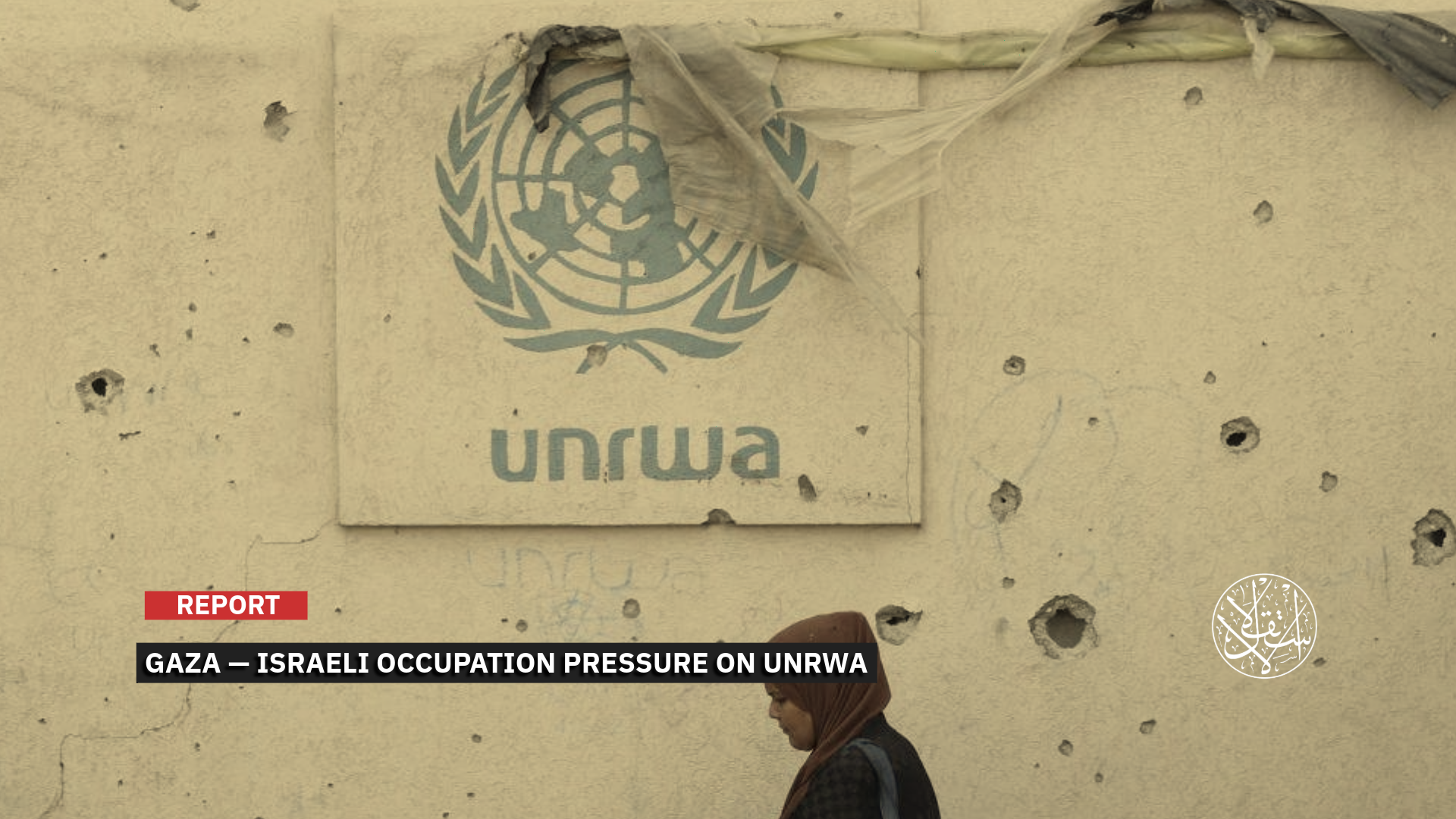
Dismissing employees before a full investigation is completed creates a dangerous precedent within the UN system.
On June 12, 2026, UNRWA dismissed 70 employees in Gaza amid renewed Israeli allegations linking Palestinian staff members to the Palestinian Resistance Movement (Hamas). The agency, however, did not publicly present evidence to support the claims or announce the completion of an independent investigation, saying instead that the decision was based on an assessment of the safety and security of its operations.
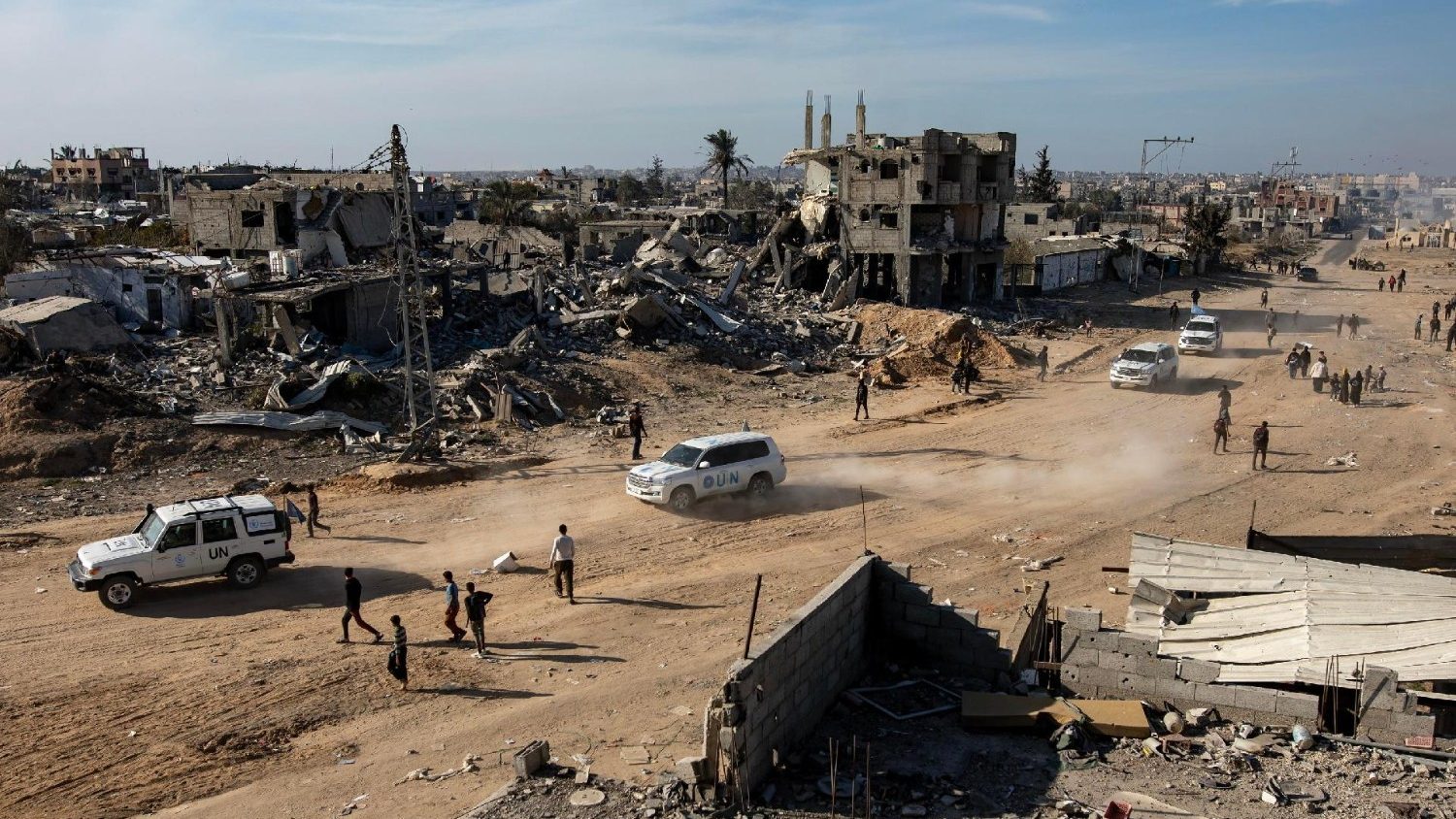
The move came at the height of a broader Israeli campaign targeting UNRWA through legal restrictions, the suspension of official ties, and efforts to curtail the space in which the agency operates, particularly in occupied East Jerusalem.
Dismissal Before Proof
The latest chapter in UNRWA’s approach began in January 2024, when the Israeli Occupation accused 12 agency employees of involvement in Operation al-Aqsa Flood on October 7, 2023.
At the time, UNRWA Commissioner-General Philippe Lazzarini announced the termination of several staff contracts and referred the allegations for investigation, arguing that the move was necessary to protect the agency’s ability to continue operating.
The claims prompted several donor countries to suspend funding, though most later restored their support. UNRWA, however, did not reverse the measures it had taken, drawing sharp criticism from employees and Palestinian officials.
Subsequent investigations exposed the limits of the Israeli claims that had triggered the crisis. The UN’s Office of Internal Oversight Services, responsible for internal investigations, examined allegations against 19 UNRWA employees.
In August 2024, the United Nations said the available information was sufficient to warrant administrative action against nine of them, using cautious language that referred only to the possibility of involvement in the October 7 events. The office was unable to verify most of the other Israeli allegations.
The June 2026 decision expanded that pattern. Acting Commissioner-General Christian Saunders announced the dismissal of 70 employees in Gaza, stressing that the move was not part of a disciplinary process and did not constitute an admission that the allegations were true.
According to the case file, the decision came amid Israeli claims that the employees had links to Hamas, as well as references to a report by the inspector general of the U.S. Agency for International Development. UNRWA said it had requested specific evidence from Israeli Occupation authorities but had received none by the time of its announcement.
UNRWA did not publicly present conclusive evidence against the employees, cite the findings of an independent and transparent investigation, or outline a clear process for defense and appeal. Nevertheless, it proceeded with the dismissals.
Labor unions reacted sharply, arguing that the decision undermined the presumption of innocence, relied on unverified information, and opened the door to similar measures against other employees.
The Refugee Affairs Department of the Palestine Liberation Organization described the move as a concession to external political pressure and called for its immediate reversal.
Concerns deepened after the Palestinian Tribal and Family Gathering announced that the list of dismissed employees included 14 staff members who had been killed during “Israel’s” genocide in Gaza, describing the inclusion of their names as an insult to their memory and an endorsement of the Israeli Occupation narrative.
An Agency Under Siege
These decisions have unfolded against the backdrop of unprecedented Israeli pressure on UNRWA. On October 28, 2024, the Knesset passed two laws aimed directly at the agency.
The first barred UNRWA from operating within what “Israel” considers its sovereign territory, including occupied East Jerusalem, paving the way for the closure of its offices.
The second severed all official contact between Israeli Occupation state institutions and the agency, cutting off visa arrangements, customs coordination, administrative communications, and other forms of cooperation required for UNRWA to deliver aid and run its facilities.
The policy of non-cooperation took effect on January 30, 2025, leaving the agency entangled in a web of daily administrative obstacles, from securing entry for international staff to transporting medicines, humanitarian supplies, and customs-cleared shipments.
At the time, UNRWA spokesperson Jonathan Fowler said the refusal to renew visas had already forced international staff to leave occupied Jerusalem, while the scope of the restrictions remained unclear even in matters such as crossing checkpoints or delivering medical supplies.
In December 2025, the legislation was expanded further. Israeli authorities were granted the power to cut water, electricity, fuel, and telecommunications services to UNRWA facilities, while the Israeli Occupation government was authorized to seize agency property.
The campaign had moved beyond the political and legal arena into the agency’s operational infrastructure itself, raising the prospect of schools and health clinics shutting down as facilities were deprived of basic services and exposed to confiscation.
On the ground, the laws quickly began to translate into action. In January 2026, Israeli police issued orders to close an UNRWA health center in the Zawiyat al-Hindiyya area of occupied Jerusalem’s Old City.
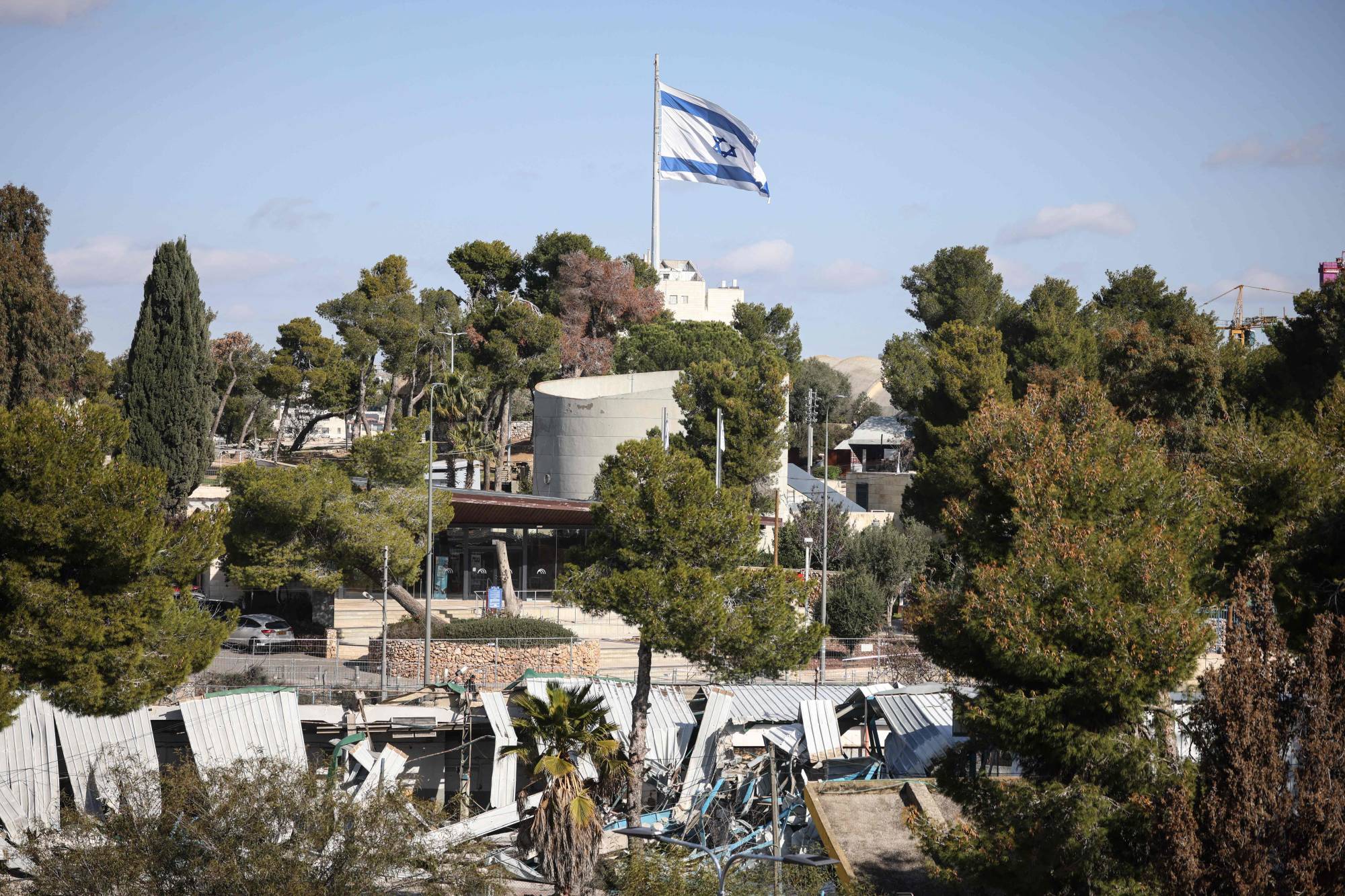
The same month, several agency facilities—including schools in Shuafat refugee camp and Silwan—were notified that their electricity would be disconnected under the new law. Israeli Occupation forces also raided UNRWA’s headquarters in Sheikh Jarrah, removed the UN flag, and demolished buildings on the site, prompting 10 Western countries to call on “Israel” to respect the immunity of UN premises and reverse the ban.
The measures carried a political message that went far beyond buildings and public services. UNRWA’s occupied Jerusalem headquarters has long served as a symbolic international anchor for the Palestinian refugee issue in a city where the Israeli Occupation is seeking to push the agency out legally, administratively, and symbolically.
These developments followed a severe financial crisis. After the allegations against UNRWA staff surfaced in January 2024, 16 countries and the European Union temporarily suspended funding to the agency. Although most donors later resumed their support, the effects of the freeze lingered, particularly as part of U.S. funding remained withheld.
In January 2026, UNRWA announced austerity measures that included a 20% reduction in salaries for Gaza employees and the dismissal of hundreds of staff members for financial reasons. The move was separate from the security allegations but underscored the agency’s vulnerability under the combined pressure of funding shortages and political restrictions.
Today, UNRWA finds itself caught in a tightening vise. “Israel” is pursuing legal measures against the agency, cutting off official communication and shrinking its operational space in occupied Jerusalem, while donors continue to tie portions of their support to investigations and security concerns—all as Palestinian dependence on UNRWA’s services deepens across Gaza, the West Bank, and occupied East Jerusalem.
Broken Trust
The earlier decision to dismiss UNRWA employees struck at a sensitive point in the relationship between Palestinian refugees and the agency, which was created to provide relief and employment services to Palestinian refugees. To many critics, the move appeared to treat Israeli allegations as sufficient grounds for ending their contracts.
As a result, Palestinian groups used harsh language to describe what they saw as a deep crisis of trust toward the UN agency, accusing it of submission, political pressure, and adopting the Israeli narrative.
The UNRWA staff unions warned that relying on unverified intelligence placed all employees at risk, a concern that also appeared in critical legal assessments.
Experts in law and humanitarian affairs argued that dismissing employees before an independent investigation violates internal UN justice standards, as any action affecting staff should be based on credible evidence and a clear opportunity for defense.
The German legal platform Verfassungsblog argued that firing employees before a full investigation is completed creates a dangerous precedent within the UN system.
A separate analysis by the independent legal platform CERTIORARIS went further, arguing that early dismissals gave “Israel” a “propaganda weapon” by reinforcing claims of Hamas infiltration within the agency without requiring verifiable evidence.
The consequences of the decision could extend to donor relations. If administrative dismissals based on undisclosed security information become accepted practice, donor countries may demand broader staff screening, link funding to external security reviews, or impose new operational conditions on the agency.
Such measures could undermine UNRWA’s independence and increase its vulnerability to political and financial pressure, particularly because most of its employees in Gaza and the West Bank are local Palestinians working in an environment of heightened surveillance and targeting.
Amnesty International described “Israel’s” ban legislation as the criminalization of humanitarian aid, warning that visa restrictions and service cuts were obstructing UNRWA’s ability to carry out its mandate.
This position places the dismissals within a wider context: an agency facing legal and operational efforts to restrict its work is simultaneously being pushed to prove its “neutrality” through internal measures affecting its own local workforce.
The sensitivity surrounding the dismissals has also grown after the International Court of Justice’s advisory opinion in October 2025, which concluded that “Israel” had not substantiated its broader claims regarding widespread links between UNRWA staff and Hamas and that restrictions on the agency’s operations had hindered UN activities in the occupied territories.
For refugees, UNRWA’s role extends beyond providing healthcare, education, and food assistance. The agency’s existence carries a political significance tied to refugee rights and the continued international recognition of their cause.
For this reason, Palestinian groups argue that weakening the agency from within—by damaging trust among its employees and the refugees it serves—aligns with a broader Israeli strategy aimed at ending UNRWA’s role or transferring its functions to other institutions viewed as less tied to the refugee issue.
Foreign Policy argued that “Israel’s” push to ban UNRWA extends beyond security allegations, noting that the agency’s continued presence keeps the status of Palestinian refugees and the right of return within the international framework—an issue the Israeli Occupation seeks to erode by dismantling its role.
The Guardian similarly argued that investigating allegations against UNRWA is necessary but warned that those pushing to defund and dismantle the agency have offered no practical alternative for the services it provides, using the campaign against it to avoid addressing the deeper roots of the refugee issue and occupation.
Sources
- It’s right to probe UNRWA’s problems – yet what would replace it? Its critics have no answer
- The Real Reason Israel Wants to Ban UNRWA
- UNRWA fires 70 Gaza staffers as it grapples with ‘Hamas problem’
- UN agency probes staff suspected of role in Oct. 7 attacks
- Israeli law banning UNRWA takes effect
- UNRWA’s Palestinian Staff as Sui Generis International Civil Servants
- Israel/OPT: Law to ban UNRWA amounts to criminalization of humanitarian aid