U.S. Invades Venezuela, Seizes Its President: What Is Washington Planning for the World, and What Is the Monroe Doctrine?
What the United States has done is the supreme crime, the gravest offense of all.
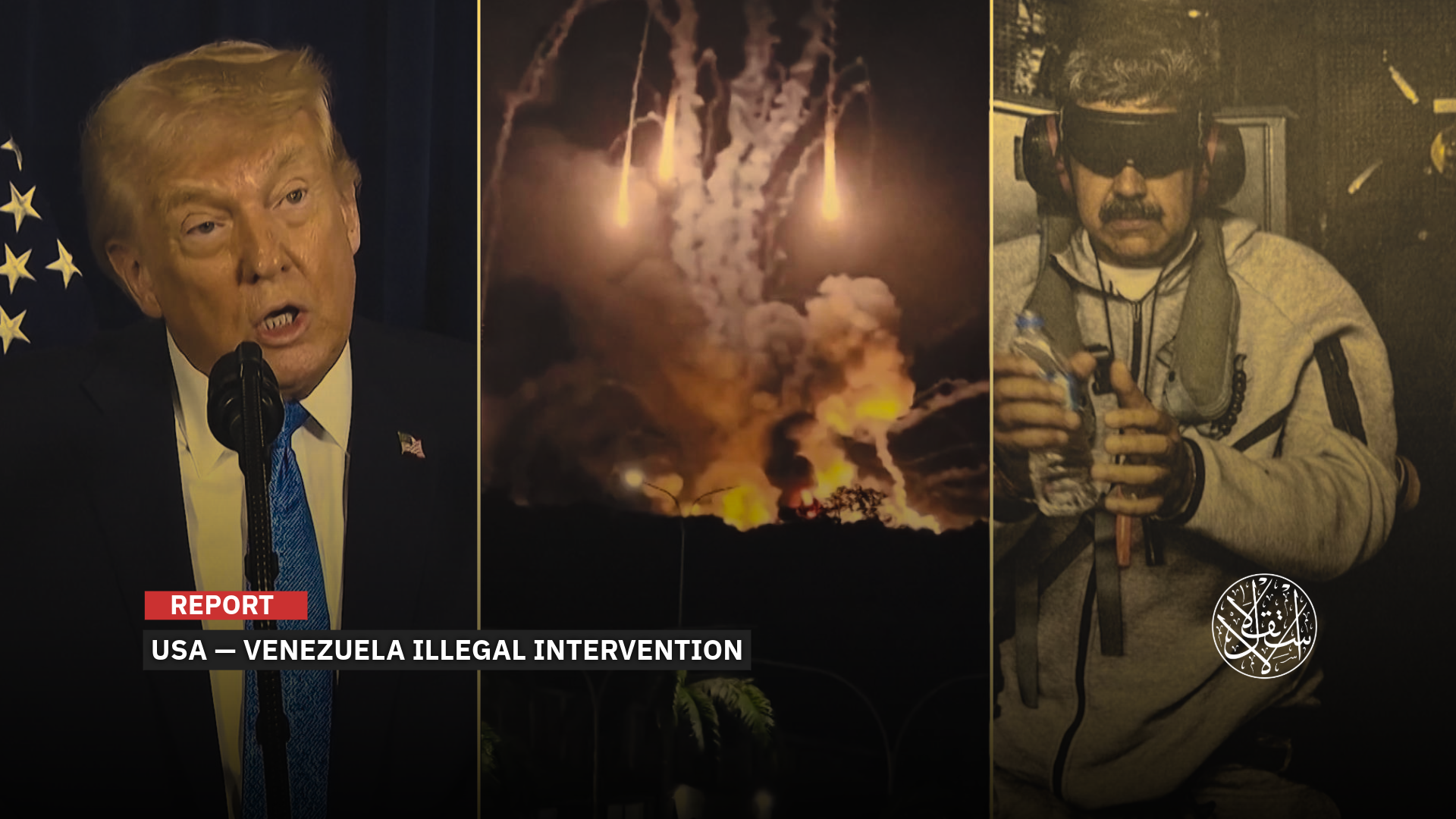
U.S. President Donald Trump has launched what he described as one of the largest acts of coercion and seizure in recent history, ordering a sweeping air assault on the Venezuelan capital, Caracas, that resulted in the abduction of President Nicolas Maduro and his wife and their transfer to the United States.
In the early hours of January 4, 2026, the U.S. military struck military bases, ammunition depots, airports, and a port in Caracas, in an operation aimed at toppling the government and installing a U.S.‑aligned administration, in what appears to be the first practical application of what has been described as a “new Monroe doctrine”.
The doctrine is portrayed as a new governing principle of U.S. policy in the western hemisphere, one based on enforcing influence through military power.
According to Trump’s own claims, the assault was intended to force Venezuela to return land, resources, and oil that he said had been “stolen” from the United States, declaring, “The socialist regime stole it from us during those previous administrations, and they stole it through force.”
The Monroe Doctrine
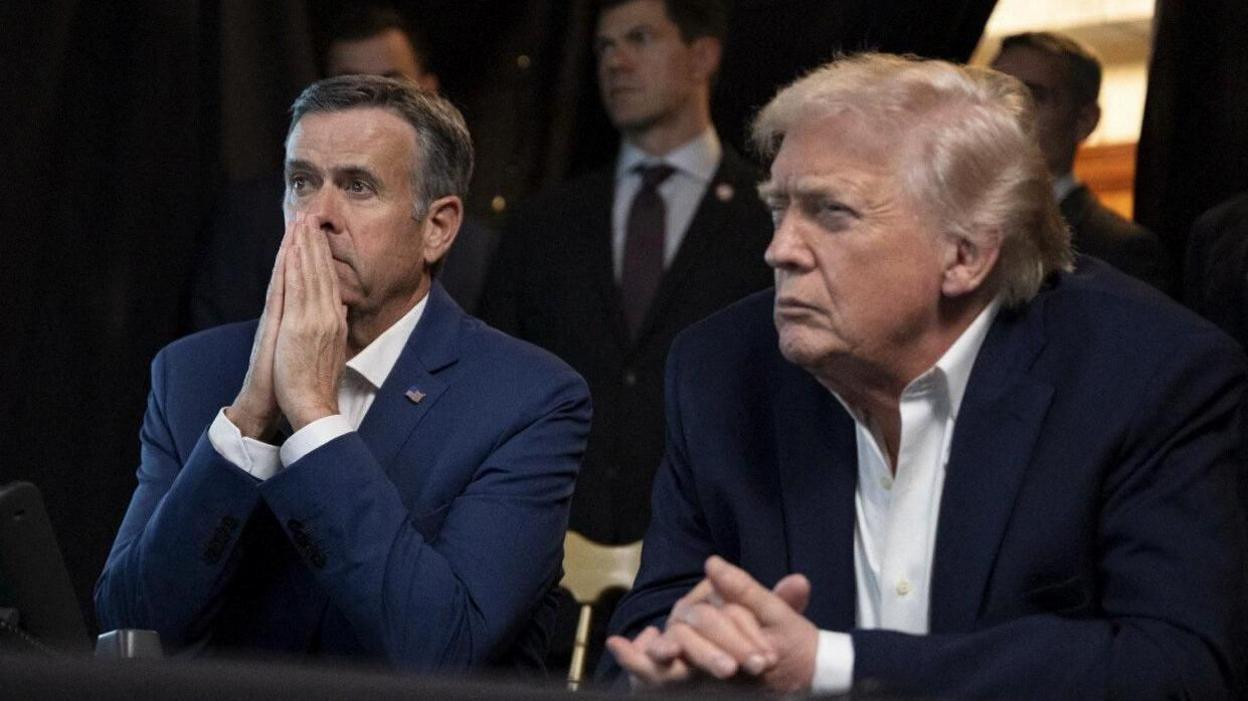
By invading Venezuela and capturing its elected president, a doctrine first proclaimed in 1823 to block European interference in the affairs of the Americas has, in its contemporary Trumpian form, effectively been transformed into a political cover for intervention and domination.
The Monroe Doctrine originally opposed European colonialism in the western hemisphere, asserting that any foreign interference in the political affairs of the Americas would be regarded as a potentially hostile act against the United States.
An early analysis by Fox News, published on December 5, 2025, pointed to this shift, arguing that the timing of the release of the US national security document, alongside an escalation of intervention in South America, was linked to Donald Trump’s pledge to “reassert the Monroe doctrine to restore American power”.
The doctrine is no longer presented as a purely “defensive” argument or a warning to external powers, but has instead become an explicit justification for aggression and for reshaping the world, particularly Washington’s perceived backyard in South America, whenever U.S. interests or national security calculations are deemed to require it.
The operation unfolded in parallel with Trump’s announcement of major changes to U.S. military doctrine, ranging from the revival of battleships to a reconfiguration of how overseas wars are financed.
Trump approved a plan to rebuild massive warships, a move he described as necessary to re‑establish American deterrence.
What makes the episode particularly dangerous is not only the threat it poses to the principle of state sovereignty, or the deep historical anxieties it is likely to revive across the global south, but also the flimsy justifications offered, most notably the claim that the attack on Venezuela amounted to an act of “self‑defense”.
Experts speaking to The Guardian on January 3 agreed that the United States had violated the provisions of the United Nations charter, signed in October 1945 to prevent the outbreak of another conflict on the scale of the Second World War.
One of the charter’s core principles requires states to refrain from the use of military force against other states and to respect their sovereignty.
Geoffrey Robertson, the prominent lawyer and former president of the UN special court for Sierra Leone, said the attack on Venezuela breached article 2(4) of the UN charter.
“The reality is that America is in breach of the United Nations charter,” Robertson added. “It has committed the crime of aggression, which the court at Nuremberg described as the supreme crime, it’s the worst crime of all.”
Elvira Dominguez Redondo, professor of international law at Kingston University, described the assault as “a crime of aggression and an unlawful use of force against another state”.
Susan Breau, professor of international law at the Institute of Advanced Legal Studies, also rejected the notion that the attack could be lawful unless authorized by a UN Security Council resolution or justified by self‑defense, noting that there was no evidence to support either condition.
For many experts, what has unfolded in Venezuela may extend far beyond the country itself, amounting to a practical declaration of the United States’ return to an overt guardianship role over the western hemisphere, using the Monroe Doctrine not as a historical document but as a political instrument of the present moment.
What follows in the region will determine whether this approach proves to be a passing episode or the beginning of a prolonged phase of remapping power through force, particularly as Trump has also threatened Mexico, saying his actions were intended to send “signals” to other countries.
Sources familiar with the matter told CNN that the CIA had dispatched a small covert team to Venezuela to track the patterns, locations, and movements of Nicolas Maduro, helping to facilitate his capture by pinpointing his whereabouts and even where he slept.
A source briefed on the operation said the team included “an intelligence asset working inside the Venezuelan government” who assisted the United States in monitoring Maduro’s movements prior to his arrest.
In October 2025, the CIA was given the green light to launch covert operations inside Venezuela, including potential assassinations and influence campaigns aimed at weakening the government.
This points to the continued reliance of U.S. policy on complex intelligence tools to pursue long‑term geopolitical objectives, drawing on a long history of intervention in South America.
Historically, the CIA has played a prominent role in the assassination of political leaders around the world, including Patrice Lumumba in the Congo, Rafael Trujillo in the Dominican Republic, and Ngo Dinh Diem in Vietnam.
Its most consequential activities, however, took place in South America, where it supported fascist dictatorships against leftist movements and orchestrated coups as part of what became known as Operation Condor, within the broader context of the U.S. campaign against Soviet influence during the Cold War.
The abduction of Venezuela’s president marks a significant rupture, signalling that the United States has chosen to break one of the last remaining taboos in its relationship with South America by treating a sitting head of state as a legitimate target for direct removal.
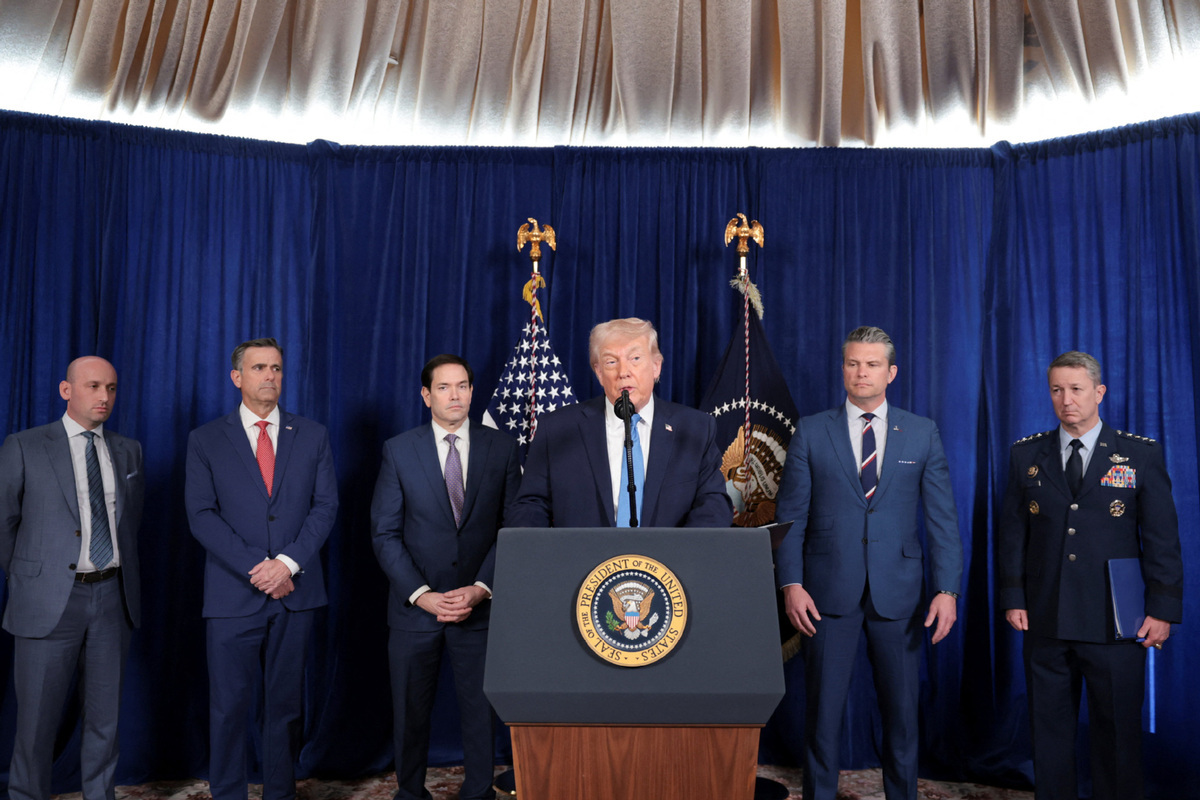
Why Is Venezuela the Target Now?
Alongside oil, Venezuela possesses vast mineral wealth that has made it one of South America’s most geopolitically sensitive countries in contemporary strategic calculations.
The country sits atop what is known as the Orinoco Mining Arc, a region covering about 111,000 square kilometers, roughly 12 percent of Venezuela’s territory, established by presidential decree in 2016 and rich in gold, diamonds, bauxite, iron, as well as rare minerals used in technological and military industries.
In recent years, Caracas has opened this sector to Russian, Chinese, and Turkish investment in an effort to offset the collapse in oil revenues, a move that has heightened concern in Washington over Venezuela’s potential transformation into a platform for extracting strategic resources beyond Western control at a time of intensifying global competition over critical minerals.
When Trump spoke after the abduction of Maduro, he pointed to Venezuela’s vast oil reserves, saying, “We will send the biggest American oil companies in the world to spend billions of dollars,” and spoke of his intention to “manage” Venezuela during a transitional phase.
Venezuela’s geographic location further amplifies the value of these resources, as it overlooks the Caribbean Sea, lies close to vital shipping routes, and sits at a relatively short distance from U.S. shores.
This proximity means that any economic or technological presence by rival powers in Venezuela’s energy or mining sectors is viewed through a U.S. national security lens, not merely as commercial competition.
Analysts argue that this combination makes Venezuela not just a resource-rich country, but a strategic zone where natural wealth, geography, and geopolitical utility converge within a broader struggle for influence.
This helps explain Washington’s determination to prevent its rivals from turning these resources into long-term leverage inside what it continues to regard as its vital sphere of influence, its so-called backyard.
To assert control over both resources and location, the assault was politically framed by linking the Venezuelan government to drug trafficking, organized crime, and irregular migration, portraying it as a direct threat to the US homeland and a justification for invasion.
Trump’s attack on Venezuela has been compared to the 1989 invasion of Panama, when Washington, under then-president George H.W. Bush, launched Operation Just Cause, deploying around 26,000 troops to arrest Manuel Noriega on charges of drug trafficking and money laundering.
The Panama operation resulted in the deaths of 23 U.S. soldiers and between 300 and 500 Panamanian civilians, as well as the displacement of some 14,000 people following the bombing of neighborhoods in Panama City, while the toll in Venezuela has so far included no reported U.S. military casualties.
Civilian casualties in Venezuela, however, remain unknown, despite explosions hitting populated areas of Caracas.
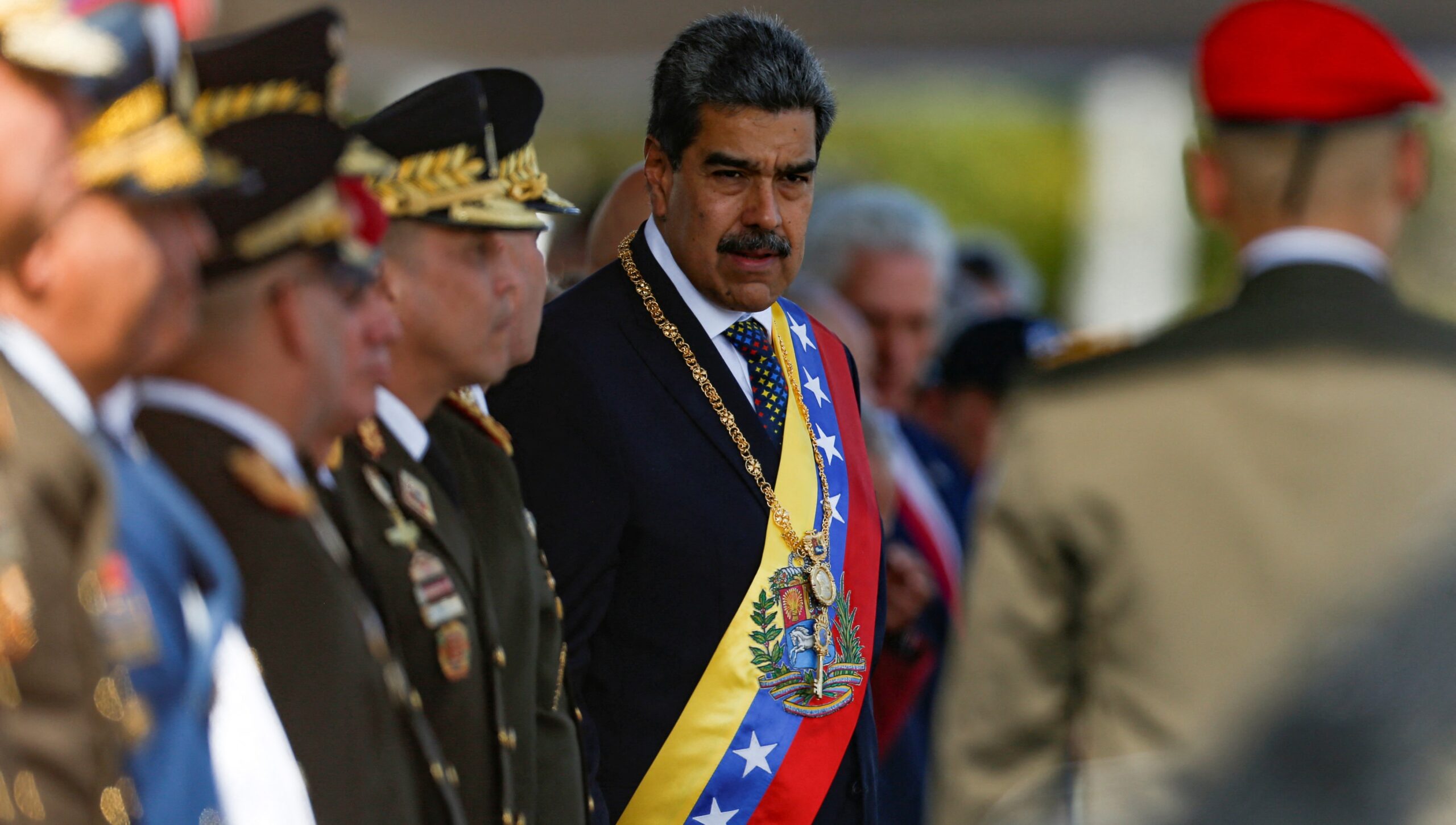
Implications and Outlook
If the United States succeeds in imposing control over Venezuela, and by extension over the world’s largest proven oil reserves, it would mark a profound shift in the global balance of power and could dismantle long‑standing taboos for other international actors to follow suit, western reports warn.
Venezuela would become a strategic precedent, proof that force can be used to reengineer sovereign states and reorder the global balance of power.
American analysts say such a move has little to do with restoring democracy or protecting human rights, and far more to do with reasserting strategic dominance over energy, trade routes, and regional alliances, and with imposing power by force.
In their view, this would encourage China and Russia to emulate Washington, pushing the world toward what they describe as a geopolitical jungle.
They argue it would amount to an open invitation for China to invade Taiwan and detain its president, for Russia to abduct Ukraine’s leader while escalating its bombardment, and for regional powers elsewhere to use force to dominate smaller neighbors, all justified by the precedent set by Washington under what they call flimsy pretexts.
The analysts add that Donald Trump’s appetite is unlikely to stop at Venezuela, with Iran expected to move to the top of Washington’s strategic priorities, especially after what they describe as implicit signals in Trump’s recent speeches.
In an interview with Fox News, Trump said the attack on Venezuela was not intended as a warning to Mexico’s president, Claudia Sheinbaum, but he pointed to the control of criminal gangs in Mexico, adding that “something will have to be done” about the country.
Speaking to Fox News, Trump also hinted at Iran or other targets, saying, “There are signals,” and that the United States could carry out another similar operation.
The Democratic congressman Ro Khanna condemned the strikes on Venezuela, arguing that Trump had betrayed his Maga base by launching an unnecessary war aimed at regime change in Caracas.
“What happens if Xi Jinping decides to arrest Taiwan’s president, Lai Ching‑te, or if Vladimir Putin tries to arrest Volodymyr Zelensky in Ukraine?” Khanna asked on X.
In an analysis published on October 16, 2025, Responsible Statecraft warned that overthrowing Nicolas Maduro through a military invasion would entail significant costs and risks that U.S. policymakers would need to weigh carefully against any potential gains.
The report noted that the real dangers would emerge after the invasion, pointing out that toppling Maduro is one thing, while occupying the country is another, a lesson the United States, it said, learned painfully in the Middle East.
It described drug cartels operating in the region as “the greatest danger,” noting that they run trafficking networks through Venezuela into the United States and elsewhere, and that a U.S. invasion would likely erode the law enforcement authority that currently constrains their activities.
An American invasion, the report argued, would shatter the military, law enforcement, and intelligence institutions, allowing cartels to vastly expand their influence, particularly in rural areas, the Amazon region, and along the Colombian border.
Worse still, an invasion could allow criminal gangs to rebrand themselves as anti‑imperialist resistance movements, drawing in supporters of Maduro inside the country, support that is often already mobilized through patronage and corruption networks.
An escalation of Venezuela’s drug war, Responsible Statecraft warned, could also drive a new surge in irregular Venezuelan migration.
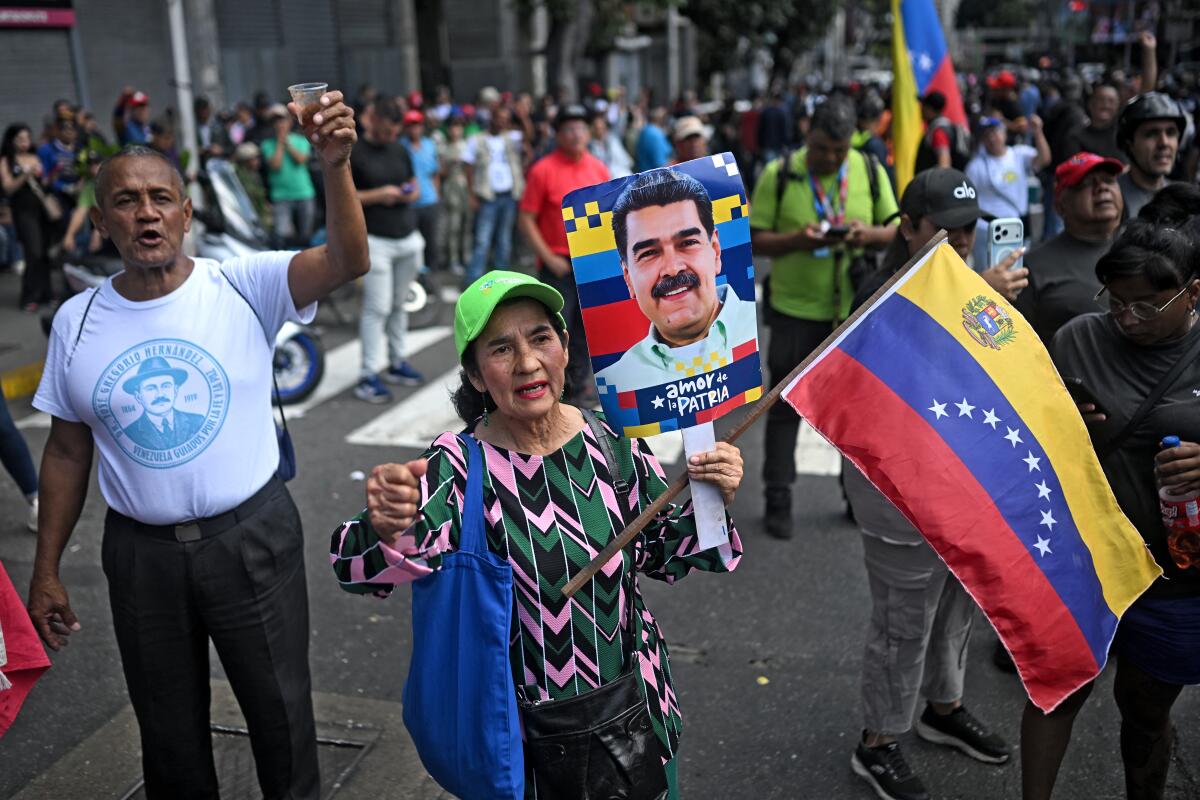
Venezuela After Maduro
In an echo of the way he proposed administering Gaza through a “global council”, Donald Trump announced that the United States would take charge of governing Venezuela for a period of time, until what he described as a “peaceful and fair transfer of power” could be arranged, a clear reference to installing figures loyal to Washington, even though how such a process would unfold remains unclear.
Venezuela’s opposition leader, Maria Corina Machado, said in a statement posted on X that the opposition was ready to assume power, adding that her fellow opposition figure Edmundo Gonzalez, whom both the opposition and the United States say won the 2024 election, “should take over the presidency”.
Her attempt to present herself, or Gonzalez, as the country’s legitimate leader was widely seen as an effort to confer a veneer of legality on an act of aggression, turning the statement from a mere political position into a tool for laundering a violation of state sovereignty and recasting it as a supposed democratic achievement.
Machado, who is known for her “pro‑Israel” stance, in contrast to Nicolas Maduro, was awarded the Nobel Peace Prize in what analysts described as a preparatory step to polish the image of a “soft alternative” Washington hoped to install in Maduro’s place.
Yet Trump appeared to undercut Machado, who had initially called on him to invade Venezuela, saying he did not believe she was capable of leading the country and describing her as someone who “is not respected inside Venezuela”.
According to analyses published by outlets such as Fortune and the Associated Press, despite Maduro’s arrest, the core structure of power inside Venezuela has not yet fully collapsed, raising pressing questions about who would fill any political vacuum and how an escalation into internal chaos might be avoided.
Those reports warned that forces and parties loyal to Maduro could resist a U.S. occupation or attempt to regroup, a scenario that could drag the country into prolonged and destabilizing conflicts.
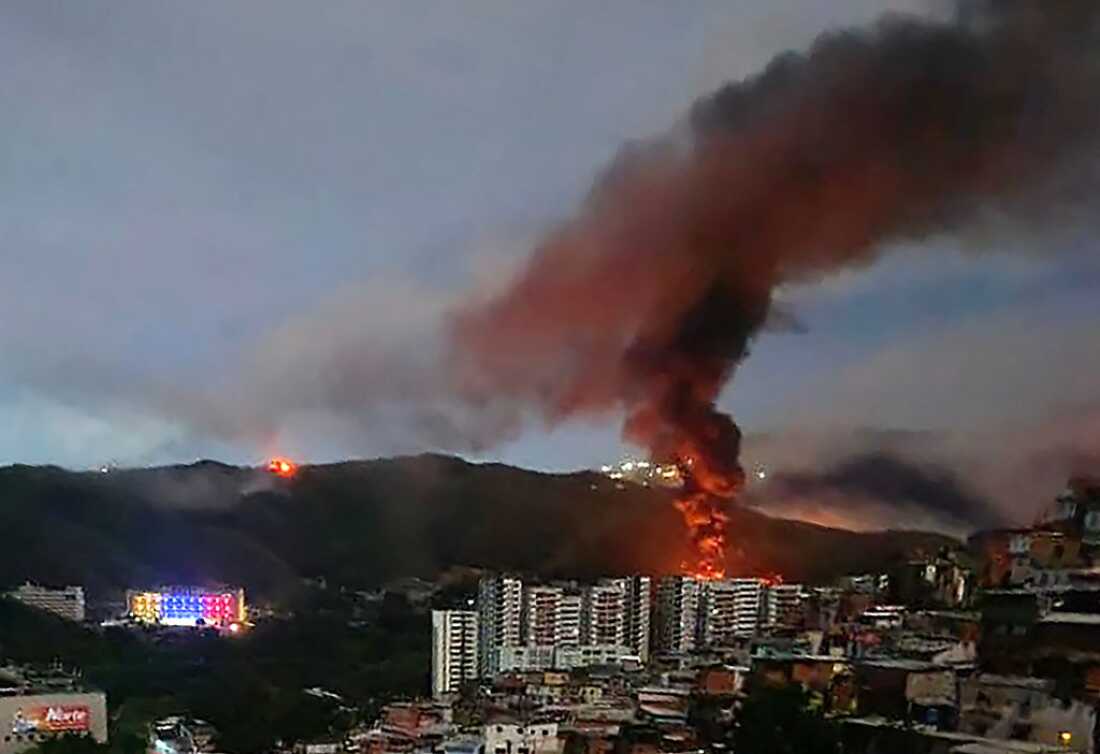
Did Trump Violate the Constitution?
Democratic lawmakers and several experts criticized the operation as unlawful, carried out without congressional authorization, a violation of constitutional principles, and a possible diversion from pressing domestic issues such as the economy and public health, according to The Guardian.
Under US law, the president is required to notify Congress within 48 hours of the outbreak of hostilities. In the case of Venezuela, however, aides close to Trump told American newspapers that the operation concluded in less than 48 hours, meaning, in their view, that no notification was required.
Congressional authorization was similarly ambiguous in the case of the abduction and arrest of Venezuela’s president and the aerial bombardment of the country, much as it had been during the removal of Manuel Noriega from power in Panama.
At the time, George H W Bush justified the intervention on grounds of self‑defense following the killing of a U.S. soldier. Trump, by contrast, sidestepped questions about whether he had consulted Congress, responding, “We’ll talk about that,” and promising further details at a later press conference.
Representative Melanie Stansbury wrote that “these strikes are illegal,” adding, “The president does not have the authority to declare war or undertake large‑scale military operations without Congress. Congress must act to rein him in. Immediately.”
Democratic congressman Jim McGovern also said that Trump’s actions were carried out without congressional authorization and in the face of opposition from the overwhelming majority of Americans to military action.
He said Trump had launched an unjustified and unlawful strike on Venezuela, mocking the administration’s priorities by questioning the spending on war, asking, “He says we don’t have enough money for healthcare for Americans—but somehow we have unlimited funds for war??”
Sources
- US captures Venezuela’s leader and his wife in a stunning operation and plans to prosecute them
- US captures Venezuela’s leader and his wife in a stunning operation and plans to prosecute them
- Donald Trump says US is ‘going to run’ Venezuela after overnight strikes
- What happens next in Venezuela? The regime’s foundation remains in place even after U.S. capture of Maduro, analyst says
- Is there any legal justification for the US attack on Venezuela?
- It sends a horrible signal’: US politicians react to capture of Nicolás Maduro
- It sends a horrible signal’: US politicians react to capture of Nicolás Maduro
- After Maduro