Its Army Is Two Million: Why Does Russia Employ Security Companies to Carry Out Special Operations?
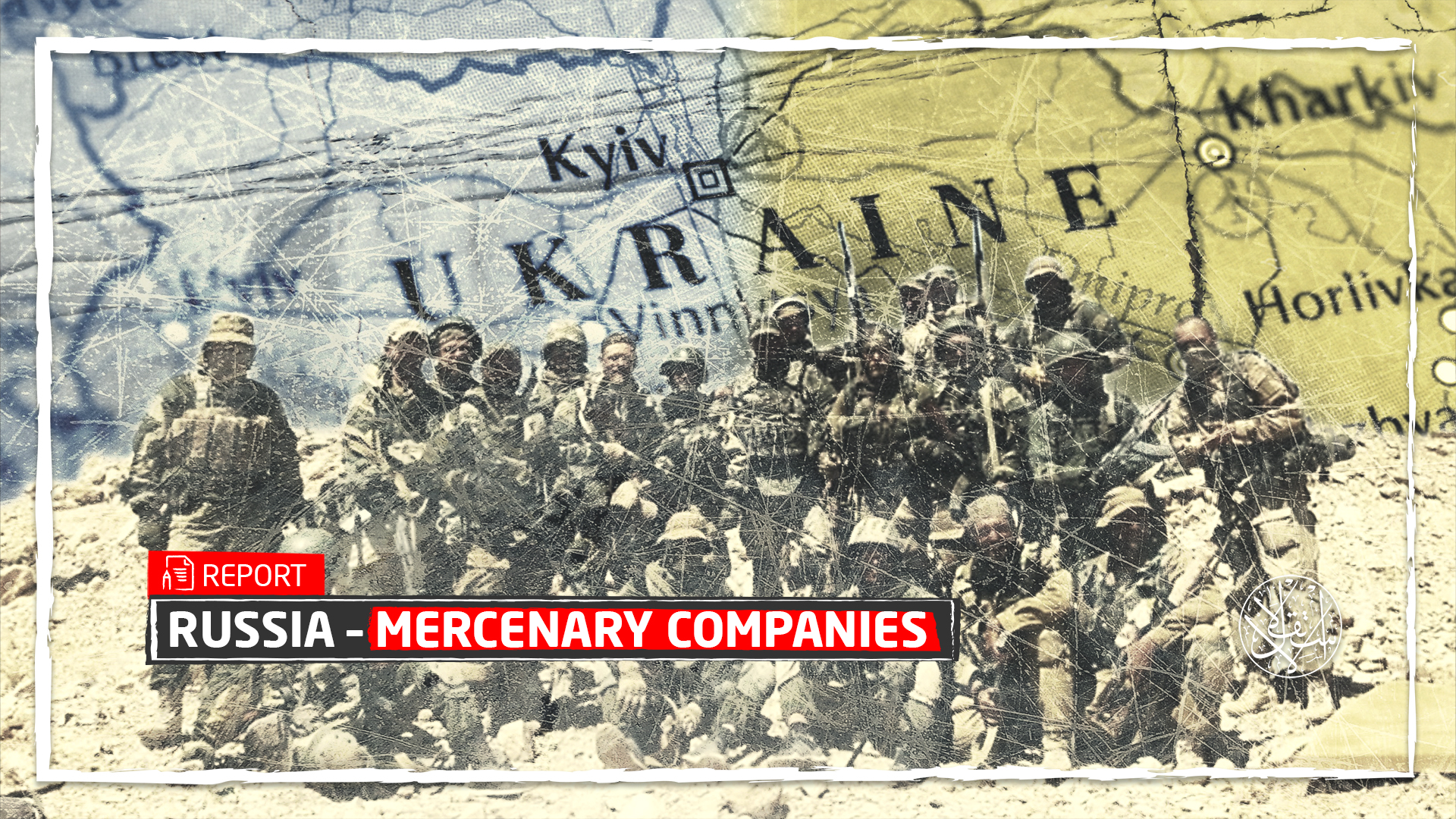
Private security companies, as entities parallel to government military institutions, have proven their ability to achieve geopolitical and military goals, and their contribution to increasing the influence of the state they work for, without any legal prosecutions that may be inflicted on the state as a result of the violations practiced by these companies.
Russia was one of the most important countries that contracted with private security companies to implement their agendas and goals, and this has become clear since the Syrian crisis in 2011, then the political crisis in the Crimea in early 2014, and the subsequent events in Libya and a number of countries in the African continent.
According to the latest statistics, the number of soldiers in the regular Russian army is about 3 million, including about one million soldiers in the reserve forces, despite this, there are many private companies that the Kremlin relies on to implement its goals.
The most famous of these companies are Wagner and Patriot, in addition to the Chechen company Spetsnaz, which is supervised by retired Russian officer Daniil Martynov, it is also under the supervision of Chechen President Ramzan Kadyrov, Putin's close friend.
Unlike government military institutions, which state laws prohibit the inclusion of elements who may have a criminal record or a criminal history, or bureaucracy prevents them from affiliating with government military institutions, the private security companies include people or mercenaries, some of whom have been known to be criminals or have precedents.
These people, with their criminal history, usually prove their competence in carrying out some security and military goals, or in carrying out protection tasks for important personalities, and this efficiency is reflected in the quality and accuracy of the implementation of tasks and objectives.
“These mercenaries are often associated with criminal activity or violations of the rules of armed conflict, the Wagner Group in particular has a track record of war crimes,” According to a report in the American newspaper Business Insider.
Moreover, these private security companies represent a parallel line to government military institutions, as an entity that is contracted with, it is not bound by the ethical controls that the government institution is committed to, nor are its officials usually prosecuted or subject to accountability and trial, or to punishment and stripping of positions and titles.

Geopolitical Ploy
Moscow was not the first to practice this behavior, although it was recently famous for it. It benefited from the experience of the Americans and the British in hiring private security companies to implement military and geopolitical goals.
According to Dr. Maria Nebolsina, a Researcher for the Center of Euro-Atlantic Security of the International Studies Institute in Moscow, “the United Kingdom was the first to engage in private military and security activity in the early 1960s, through the British company Watchguard International.”
Dr. Maria explains in her study published on June 30, 2019 that “the founder of the United Kingdom's Special Air Force, David Stirling, suggested that retired officers of the Special Air Force should be employed exclusively as trainers to train the King's supporters in the operation of weapons and communications and provide them with medical assistance.”
“The events of 1967 in Yemen led to the emergence of Watchguard International, the first private military and security company, the process in the Middle East thus marked the beginning of a new form of political confrontation between world powers,” she added.
This ploy allowed it to achieve its geopolitical interests without involving the official armed forces and to avoid overt interference in the internal affairs of other countries, and this also paved the way for new directions in the military-security field, such as education, preparation and training of personnel of the armed forces.
The proposal to establish a private security company came after London had refused to recognize the new authority in Aden (which was subject to British colonialism) in 1962, while both the United States and the Soviet Union recognized the new power, which prompted the United Kingdom to consider a plan to restore its former authority with the help of mercenaries without the involvement of the British armed forces.
Inspiration
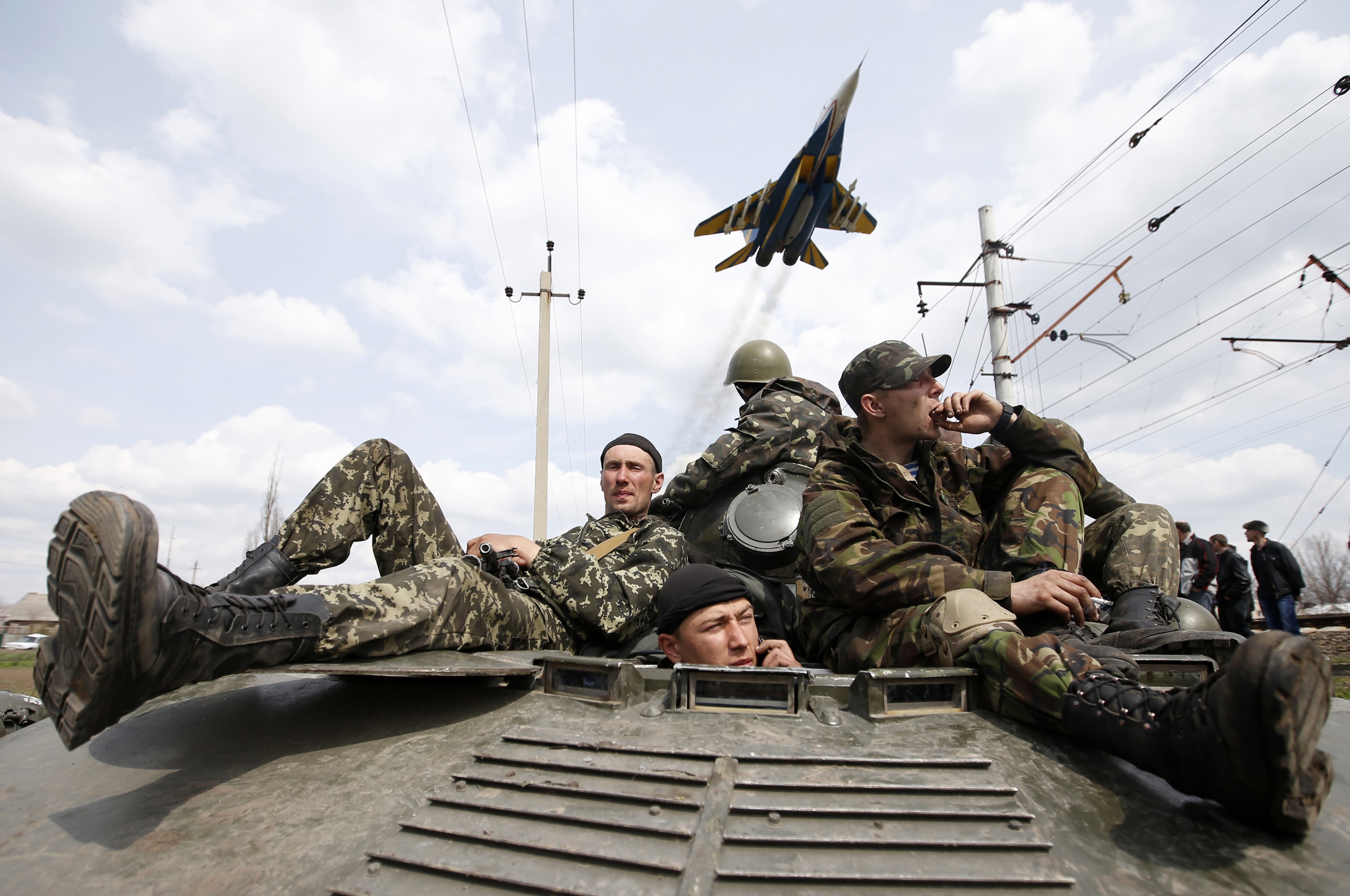
As for the source of inspiration for the use of private companies, it returns to the United States, according to what the Norwegian Christian Michelsen Institute for Research revealed in the study it published in March 2018 entitled “How does Russia's use of PMCs affect Russia's use of force? What are the implications for European and Norwegian security?”
“The United States' extensive use of private military and security companies in military operations in Iraq and Afghanistan has been cited as an inspiration to many other countries interested in expanding their war-fighting munitions and defense industries,” the study confirmed.
“Over the past two decades, private military and security companies have become effective in modern war, as these Western companies have so far dominated this trend, thus the bulk of academic and media attention has been directed to this part of the industry,” it indicated.
“Other types of providers of special forces are also thriving in Russia, including the private militias of (Chechen president) Ramzan Kadyrov, and Russian private military and security companies,” the study added.
Indeed, a number of Middle Eastern countries have benefited from this experience, the UAE has hired Spear Operations Group, owned by the Israeli Hungarian, Abraham Golan, to implement a program of liquidation and assassination targeting a list of Islah party leaders in Yemen, this is according to an investigation conducted by BuzzFeed News in October 2018.
Deliberate Blurring
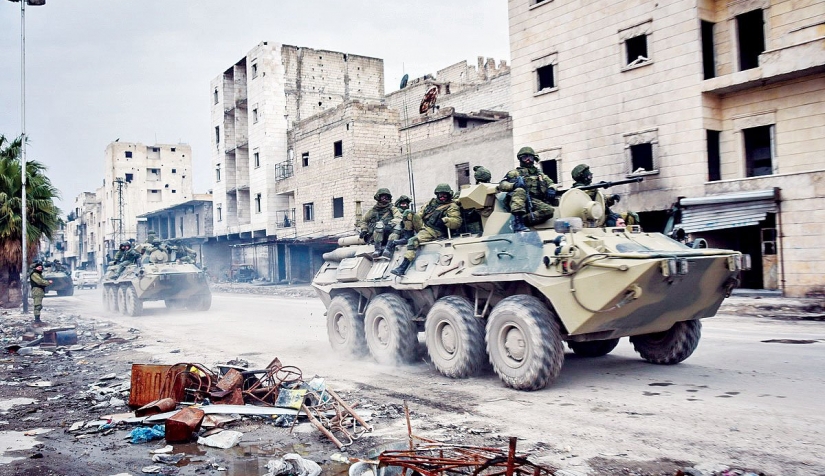
According to Ahmed Hassan, CEO of Gray Dynamics, an intelligence consultancy, “the second wave of the scramble for Africa, this time is for international resources and influence.”
“As an extension of its foreign and military ambitions to provide services to authoritarian regimes, Moscow has deployed Wagner Group fighters in Africa,” Hassan told Business Insider.
“This group is seen by Moscow as a convenient and flexible foreign policy tool in line with its preference for low-vision operations. The Kremlin maintains deniability when it deploys Wagner forces, given that there is no official record of the company in Russia,” he continued.
Indeed, the deliberate blurring surrounding the Wagner Group and its operations enables President Vladimir Putin to claim that any Russian fighting in Libya is not receiving salaries or subsidies from his government.
Wagner mercenaries have been found in Libya since at least 2018, at a time when the US State Department indicates that there are about 2,500 of them fighting with Haftar's forces, according to the newspaper.

Secret Missions
Although private companies are illegal in Russia, Putin speaks positively of them, and that is what happened in 2012 when he talked about a project to develop private military and security companies.
During the past few years there was a project to pass legislation to grant these legal firms and develop them through the State Duma, but it failed.
According to Dr. Maria Nebolsina, “Although Wagner and Patriot soldiers are known to move from one conflict to another (Ukraine, Libya, Syria, Central African Republic, Venezuela), the opacity of their jobs, including mercenaries, renders them to be illegal.”
Although private security companies have proliferated as a phenomenon in Moscow, as businesses set up by retired Russian officers, the most famous of them is the Wagner Group, which is an example of private companies and a pride for the Russian militia industry, and then comes a number of emerging companies.
“The Wagner Group is a private Russian military company with close ties to the Moscow government, the rise of the group, founded by a former KGB officer, on the international stage dates back to 2014 in Ukraine,” according to Business Insider.
The Wagner Group was composed of ex-military personnel, and provided combat advice, internal and foreign defense, local force training, and direct action services. They often work jointly with Russian intelligence services and special operations units.
Putin's friend and Russian businessman Yevgeny Prigozhin is the one who finances the Russian Wagner mercenaries, as the United States has previously accused him of interfering in the 2016 presidential election
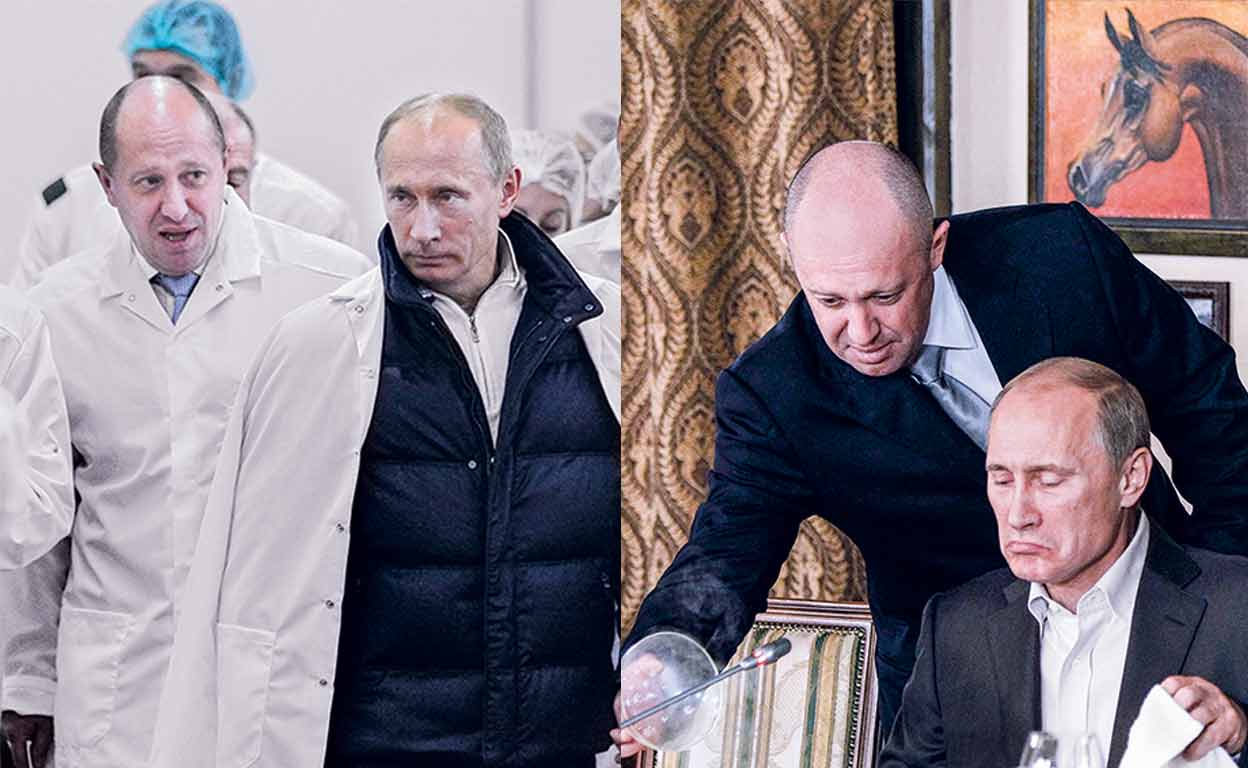
On its part, Russia denies its involvement in any kind of mercenary activities abroad and the victims of Russian citizens participating in these groups.
Wagner and Patriot's (soldiers of fortune) can be compared to the foreign mercenaries who once worked in the Congo crisis of the 1960s and many of the African coups in the 1980s and 1990s.
Because they are illegal, their missions are usually secret and ambiguous, according to Business Insider, Russian President Vladimir Putin uses the Wagner Group in covert operations to support his ambitions in Africa.
“This comes at a time when Russia seeks to increase its influence in Africa and access to its resources, Wagner's mercenaries are an essential part of this plan, as these forces support Russia's goals across the continent,” the newspaper added.
While the Moscow-backed Green Men group led the invasion of Crimea and eastern Ukraine in 2014, mercenaries from the Wagner Group are now carrying out Russia's foreign policy in Ukraine again, Africa and the Middle East.
Sources
- How Putin's favorite mercenaries are using secretive operations to tip the balance in Africa
- Private Military and Security Companies (PMSC)
- Russian Use of Private Military and Security Companies-the implications for European and Norwegian Security
- Elite Security Holding Company - Russia
- Not So Private Military and Security Companies
- Russian Use of Private Military and Security Companies - the implications for European and Norwegian Security