With the PKK Disarming, Will Turkiye Begin Withdrawing Its Forces from Iraq?
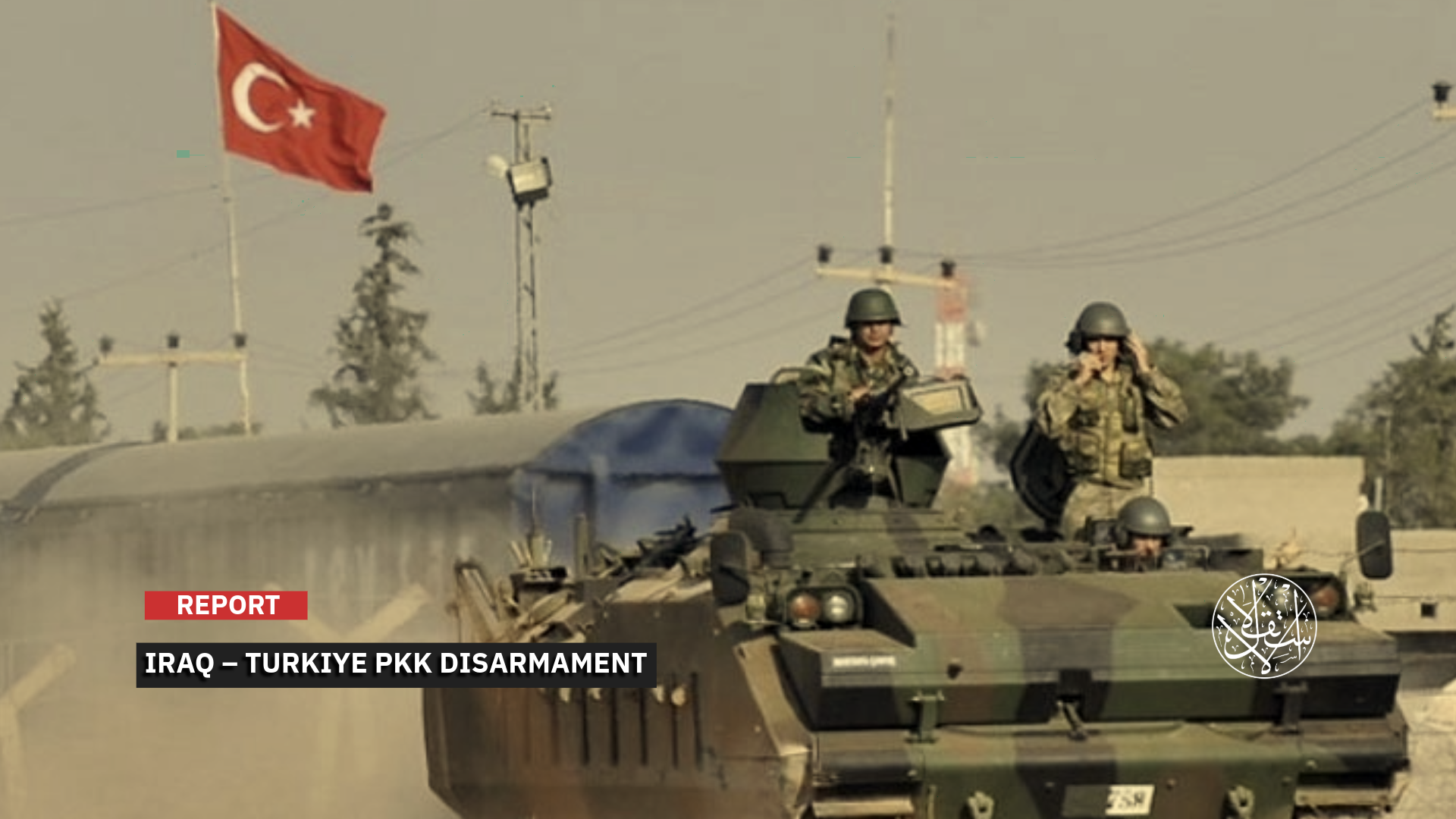
The Iraqi government is coordinating with Ankara to resolve the issue and withdraw Turkish forces.
The issue of Turkiye’s military presence in northern Iraq has resurfaced, coinciding with the accelerating process of the Kurdistan Workers’ Party (PKK) disarming, developments related to the integration of the Syrian Democratic Forces (SDF) into the Syrian army, and conditions set by Iraqi militias for laying down their arms.
These developments come as Baghdad and Ankara move toward opening negotiations on the future of Turkish forces stationed on Iraqi territory, amid Iraqi calls to end the presence of foreign military forces, including those of the international coalition as well as Turkish troops.
Qasim al-Araji, the prime minister’s security adviser, said that the presence of Turkish forces is primarily linked to the presence of the Kurdistan Workers’ Party, which he described as “illegal and illegitimate.” He stressed that his government is coordinating with Ankara to resolve the issue and withdraw Turkish forces from Iraq completely.
In a televised interview on August 29, 2026, al-Araji explained that the circumstances that prompted the deployment of some Turkish units “will come to an end with the resolution of the PKK issue.”
Turkiye’s Guarantees
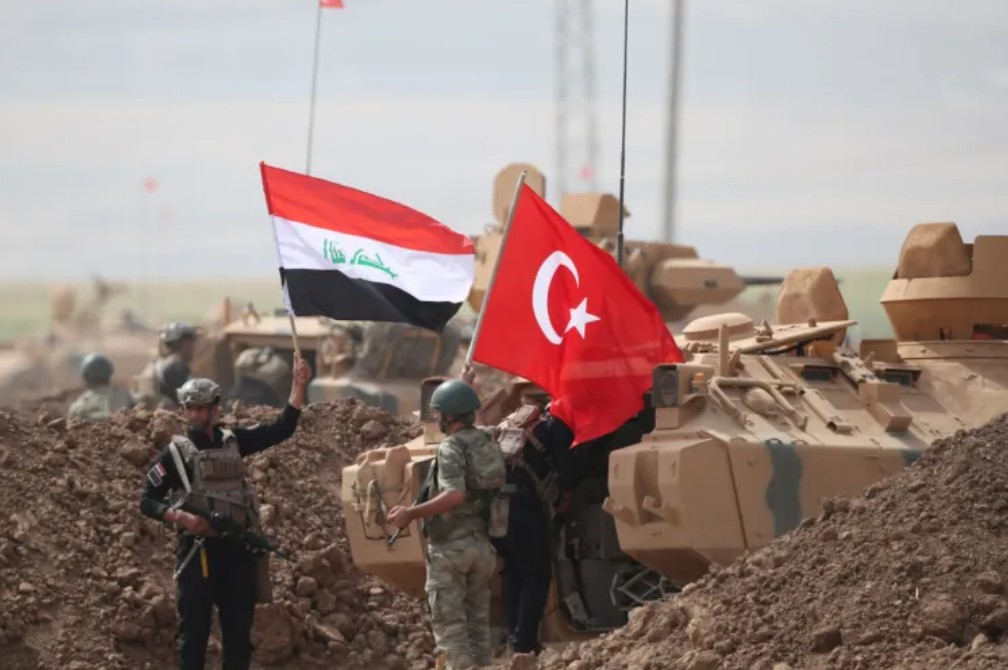
It does not appear that ending Turkiye’s military presence is dependent on a unilateral Iraqi decision, given Turkiye’s continuing concerns that the Kurdistan Workers’ Party (PKK) could reorganize after Turkish forces withdraw.
Iraqi political affairs researcher Hamid al-Obaidi told Al-Estiklal that Turkish forces could withdraw following the end of the PKK threat in northern Iraq, but he stressed that this “will not happen at the present time, for several reasons.”
Al-Obaidi explained that one of the main reasons is that Turkiye may demand guarantees from Iraq that the security vacuum will not be filled by militias or the Popular Mobilization Forces (PMF), as they also pose a threat to Turkiye.
The Iraqi researcher added that “Turkiye may demand that Iraqi army forces be deployed to secure the area, rather than militias or partisan groups being stationed on its border and replacing the PKK.”
According to al-Obaidi, this is linked to the nature of the arrangements that would follow any Turkish withdrawal, as Ankara does not want the departure of its forces to result in control of the border areas passing to groups it considers a threat to its security.
The presence of PKK groups in Sinjar Mountain is particularly relevant here, especially given the continued presence of Yazidi members of the group within forces in the area affiliated with the Popular Mobilization Forces.
The PKK’s presence in the Sinjar Mountains and other parts of northern Iraq was one of the issues used to justify Turkiye’s military presence. Therefore, ending that presence remains linked to what happens to the group after it hands over its weapons and ends its armed activities.
Al-Obaidi also pointed out that Turkiye may use its presence in northern Iraq to pressure the Iraqi side to resolve issues concerning Nineveh province, which he said is controlled by militias and the Popular Mobilization Forces and also poses a threat to Turkiye’s economic and political influence.
Thus, according to al-Obaidi, the guarantees Ankara may seek are not limited to ending the PKK’s activities, but also concern which side will fill any security vacuum that emerges after Turkish forces withdraw from their bases and positions.
Security Arrangements
In the same context, Turkish political affairs researcher Cevat Gok said that Ankara views the latest developments positively and is showing a willingness to withdraw from Iraq, but he ruled out such a move in the near term, according to the Iraqi newspaper Al Mada on August 29, 2026.
Gok explained that the withdrawal would require technical arrangements and intelligence coordination with the Iraqi side, predicting that the issue of withdrawing the forces and evacuating the bases would be raised during the first military meeting between the two countries.
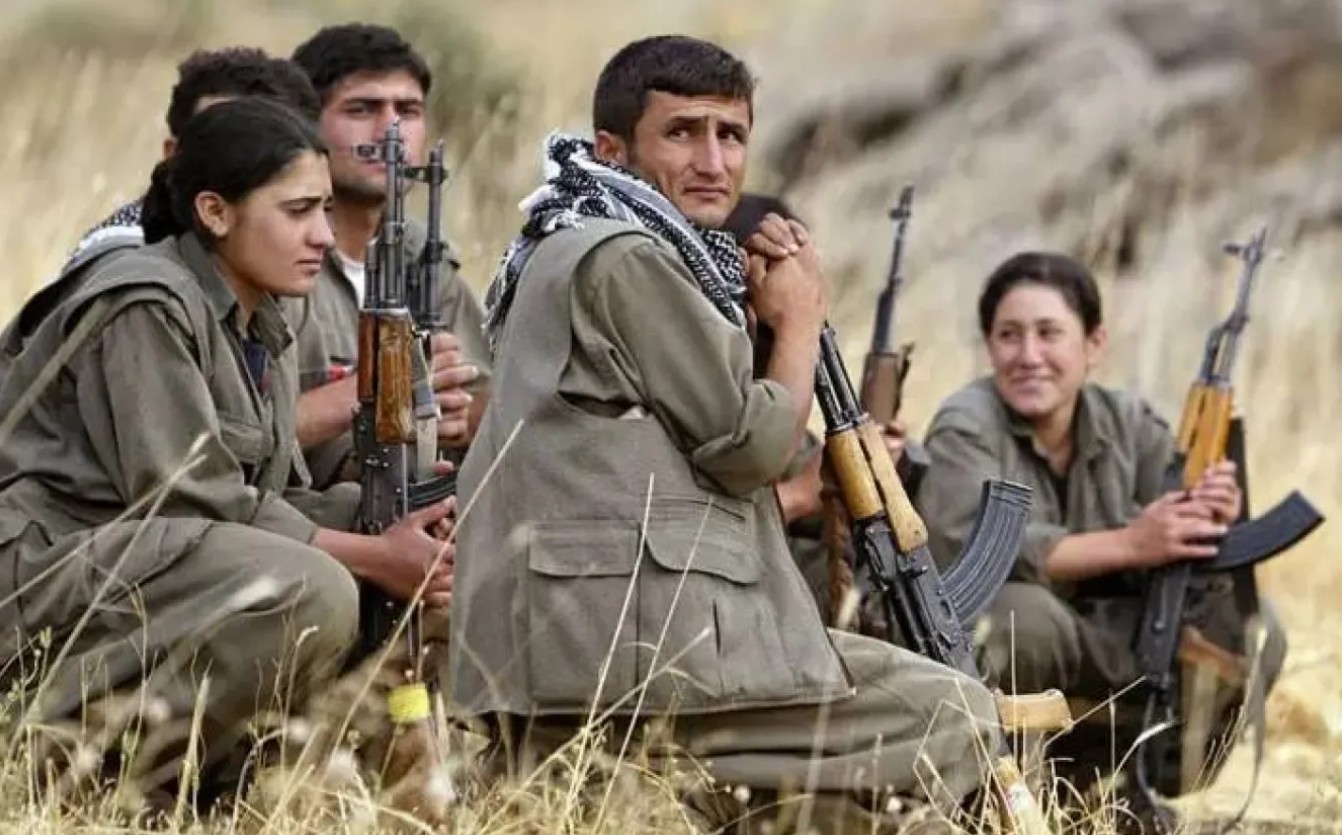
The researcher added that forces from Turkiye could withdraw in stages after arrangements for the Kurdistan Workers’ Party (PKK) to hand over its weapons are completed. In his assessment, he stressed that Ankara has no intention of maintaining its forces in the Kurdistan Region after the reasons for their presence have come to an end.
This assessment suggests that, if it takes place, the withdrawal of Turkiye’s forces would not necessarily be a sudden or comprehensive decision. Rather, it could take place gradually and in parallel with developments in the PKK file, particularly the issue of handing over its weapons.
Dilshad Shaban, a member of the Kurdistan Democratic Party in Iraq’s Kurdistan Region, said that the presence of forces from Turkiye would not continue for long and that the withdrawal of forces from the region and the bases where they are deployed has become more likely as the peace agreement between Ankara and the PKK advances.
Shaban noted that the PKK’s presence in areas of the Kurdistan Region, Sinjar, and Makhmur provided Turkiye with justification for establishing military bases and carrying out operations inside Iraq. He estimated that this justification would come to an end once the weapons handover process is completed.
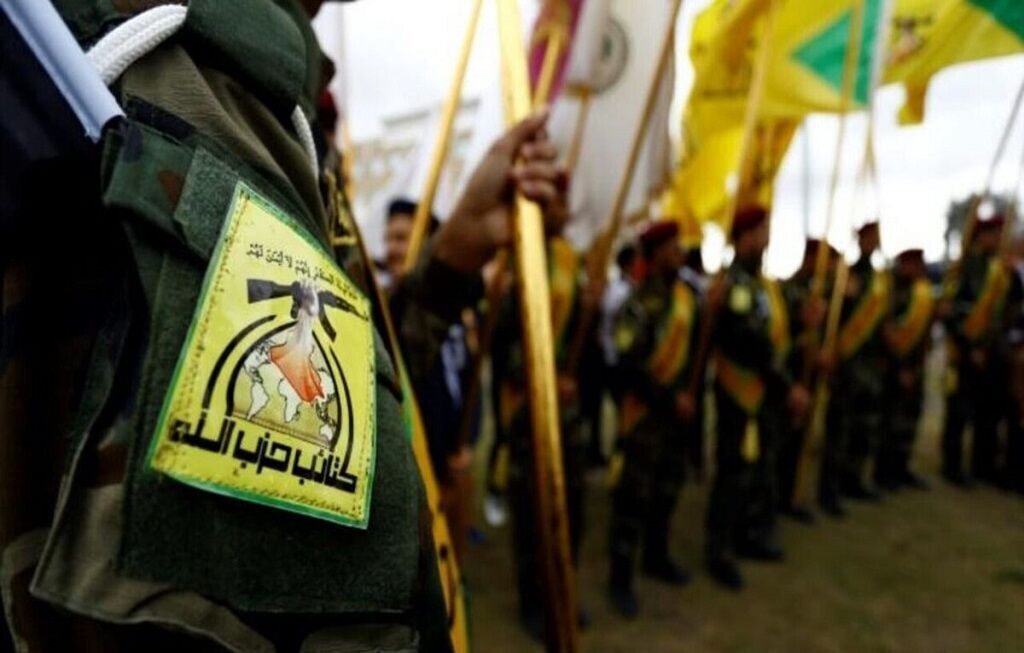
Meanwhile, Iranian-aligned Iraqi armed militias have linked, as one of their conditions, the disarmament of their forces to ending the presence of Turkiye’s military forces on Iraqi territory, describing them as “occupying forces,” much like the U.S. presence in Iraq.
At the forefront of these militias are Iraq’s Hezbollah Brigades and Sayyid al-Shuhada Brigades, both of which have demanded the withdrawal of Turkiye’s forces from northern Iraq as a fundamental and primary condition for any government understanding or approach regarding the issue of placing weapons under state control following the U.S. withdrawal from the country on September 30.
Gradual Withdrawal
This comes amid statements by Karim Alaiwi al-Muhammadawi, a member of the parliamentary Security and Defense Committee, who spoke of upcoming security talks between Baghdad and Ankara, stressing the need to end the presence of foreign forces on Iraqi soil.
In remarks to the Iraqi newspaper Al-Alam Al-Jadeed on August 29, 2026, the Iraqi lawmaker said that the withdrawal of Turkiye’s forces would be part of upcoming security talks between Iraq and Turkiye.
He stressed that there should be no foreign forces inside Iraqi territory, adding that just as the U.S. presence is due to end on September 30, the “military presence of Turkiye must also end, as the justifications for this presence have disappeared.”
Available estimates and security reports indicate that Turkiye has more than 20 military bases, outposts, and deployment sites in northern Iraq, while other estimates put the number at around 50 sites, both permanent and mobile, most of them concentrated in the provinces of Duhok and Erbil.
The proposal to end Turkiye’s presence comes amid developments concerning the Kurdistan Workers’ Party (PKK), particularly following a call by its leader, Abdullah Ocalan, who has been imprisoned in Turkiye since 1999, on February 27, 2025, for the group to decide to dissolve itself and end its armed struggle.
At the end of July 2025, a symbolic ceremony to destroy and hand over weapons was held in the Dukan area of Sulaymaniyah province, in a move announced as part of the implementation of the group’s decision to end its armed activities.
The PKK also evacuated dozens of camps located along the Turkiye-Iraq border, in a new step aimed at accelerating efforts to introduce the “framework law” for the peace process, which Ankara calls the “Terror-Free Turkiye” process and which is primarily based on dissolving the group and disarming it.
In a further step, the group withdrew its fighters from 81 camps at the “zero point” of the border, while forces from Turkiye carried out a full sweep and inspection of the area. The evacuation was confirmed through satellite imagery.
Among the camps evacuated was a strategic camp considered a symbol of the group in the Metina Valley, opposite the Huda Tepe area in the town of Cukurca in Hakkari province, southeastern Turkiye, at an elevation ranging from 1,740 to 1,754 meters.
Twelve soldiers from Turkiye were killed in this area in a PKK attack in 2007. The group’s fighters also withdrew from two separate caves in the Avashin area that had been used as a regional headquarters.