From Taiz to Bab al-Mandeb: Where Is the Escalation in Yemen Headed?
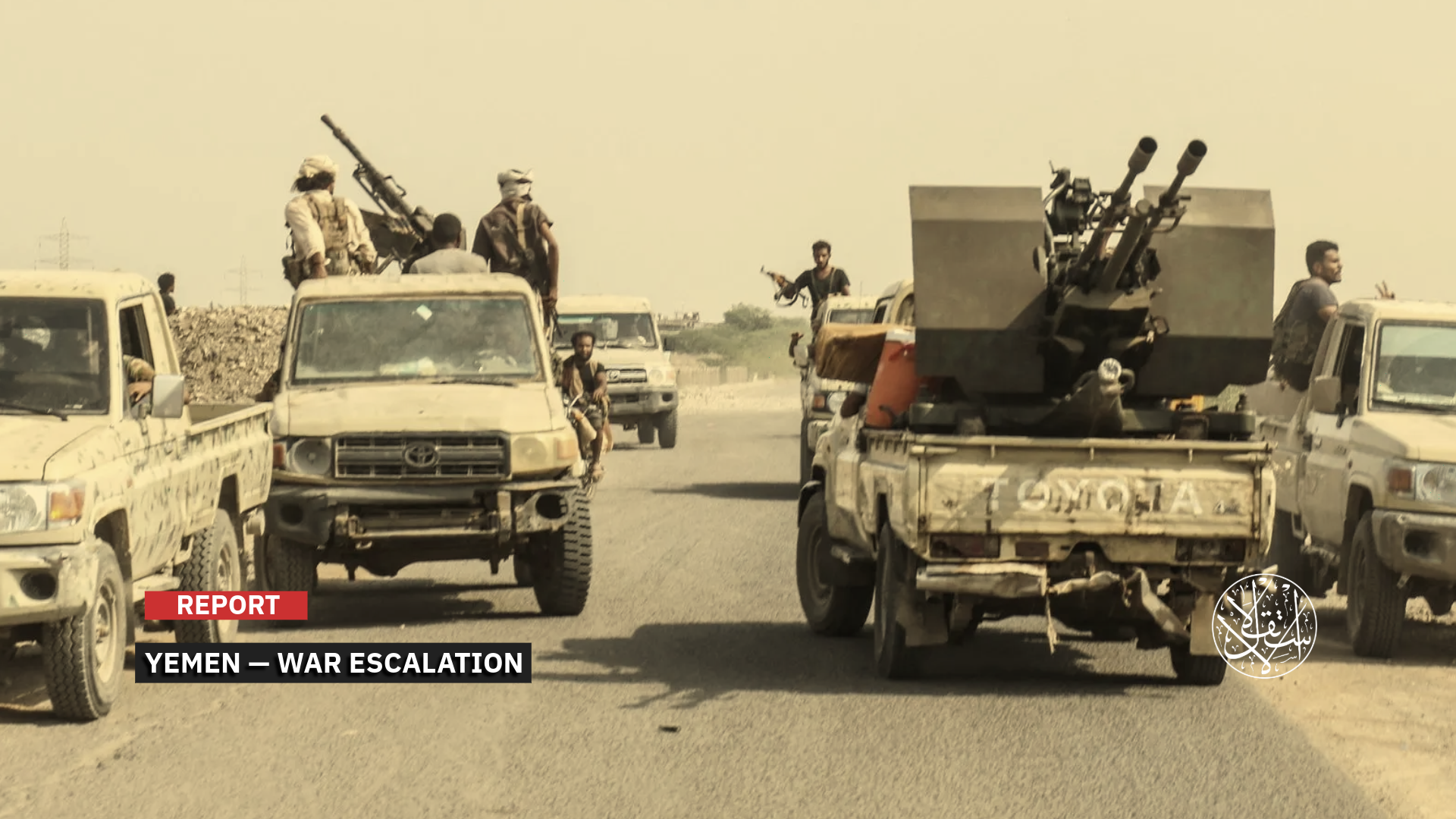
Government forces announced that they had retaken Hays from Houthi control.
Fighting is rapidly escalating across western Yemen, where clashes between government forces and the Houthi militia are intensifying, particularly in the provinces of Taiz and al-Hodaydah, amid signs that sporadic tensions are giving way to broader confrontations across multiple fronts.
The heaviest fighting is centered on the al-Kadha sector west of Taiz. Meanwhile, on September 5, 2026, government forces announced that they had regained full control of the Hays district in southern al-Hodaydah after driving Houthi fighters from rural areas that had remained under their control.
The military developments raise a larger question: have Yemen’s internationally recognized government forces regained the initiative on the battlefield, or does the latest fighting represent little more than another round of escalation in a long-running war?
Movement on the Ground
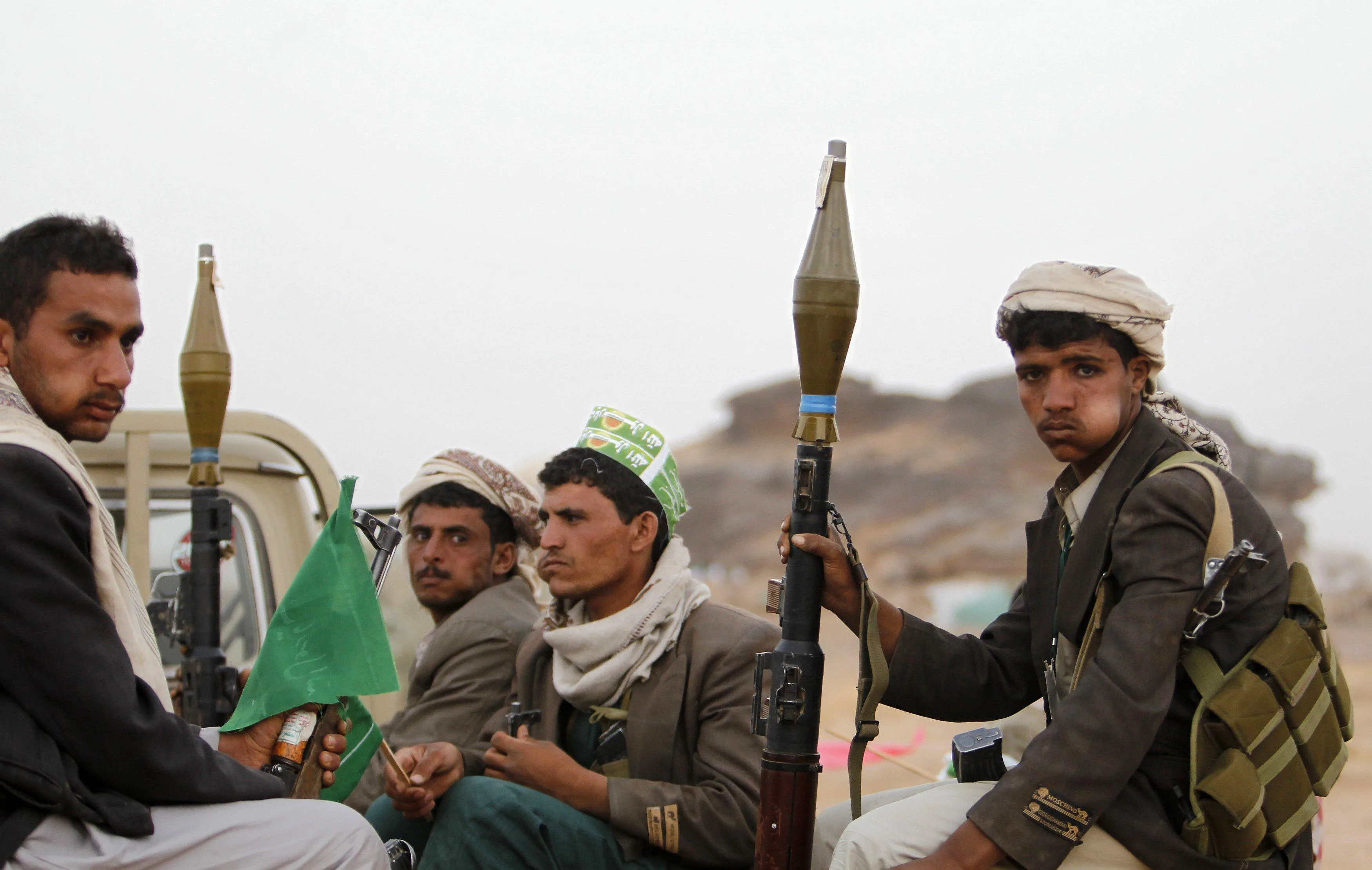
In al-Kadha, government forces are engaged in fierce clashes with the Houthi militia, while military media said government formations had inflicted heavy losses on the Iran-backed group in both personnel and equipment and thwarted its attempts to advance in the sector.
The fighting coincided with reports of government advances around the al-Barah junction west of Taiz, where forces pushed toward Houthi positions amid reports of the group’s fighters retreating and fleeing. Dozens were reported killed or wounded, while dozens more were captured during the fighting.
The clashes have not been confined to al-Kadha and al-Barah. Fighting has erupted across several fronts in Taiz province, including the Hayfan front in the southeast and Maqbanah in the west, as government forces continued consolidating their positions in areas they said they had recaptured.
On the western coast, government forces announced that they had recaptured and secured all rural areas of Hays district, effectively ending, according to a military source cited by the Saba Net Yemen News Agency on September 5, the Houthis’ presence in the district.
Hays carries particular military significance because of its location within the wider theater of operations along Yemen’s western coast and its geographical links to the provinces of al-Hodaydah, Taiz, and Ibb. The wider coastal front also includes strategic positions that have seen years of back-and-forth fighting, including Jabal Dabbas, Shulayf, and al-Masajid.
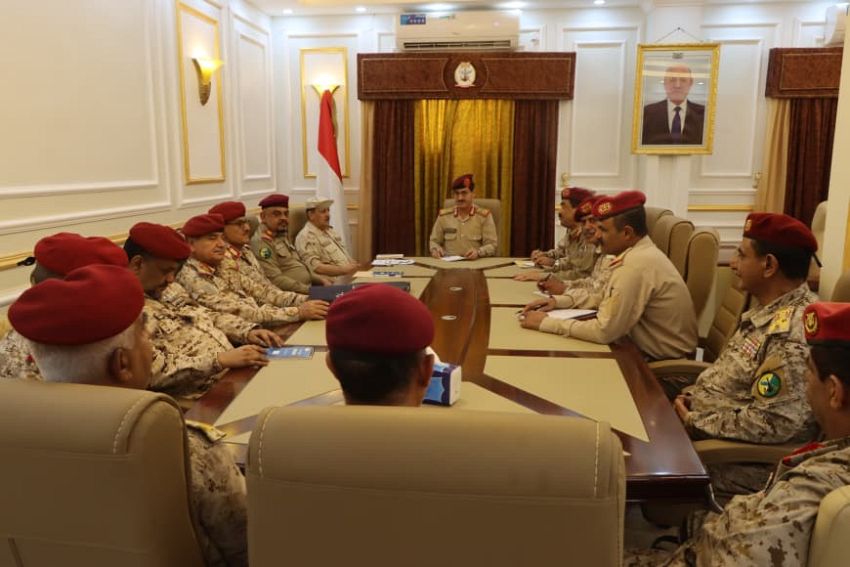
On September 6, Yemen’s defense minister, Lt. Gen. Taher al Aqili, ordered forces across all fronts to raise their combat readiness. He held a meeting with his deputies, the deputy inspector general, heads of military bodies, and department directors.
Al-Aqili stressed the need to remain at the highest levels of readiness and preparedness, calling for greater discipline and vigilance and closer coordination among the various military units and formations amid what he described as continued Houthi escalation.
The minister also praised what he described as growing coordination among military formations and a unified front against the threats, hailing what he said were successes and victories achieved by government forces across several battlefields.
The Calculus of the Coast
Hays matters for more than the control of a single district. Its location links parts of the western coastal theater with the fronts bordering western Taiz, placing it within a broader contest over territorial influence, military mobility, and supply lines.
In an assessment for Al-Estiklal, the former Yemeni military officer and analyst Brig. Gen. Mohammed al-Kumaim argued that the significance of Houthi escalation along the western coast lies, in his view, in the strategic value of the area to Iran.
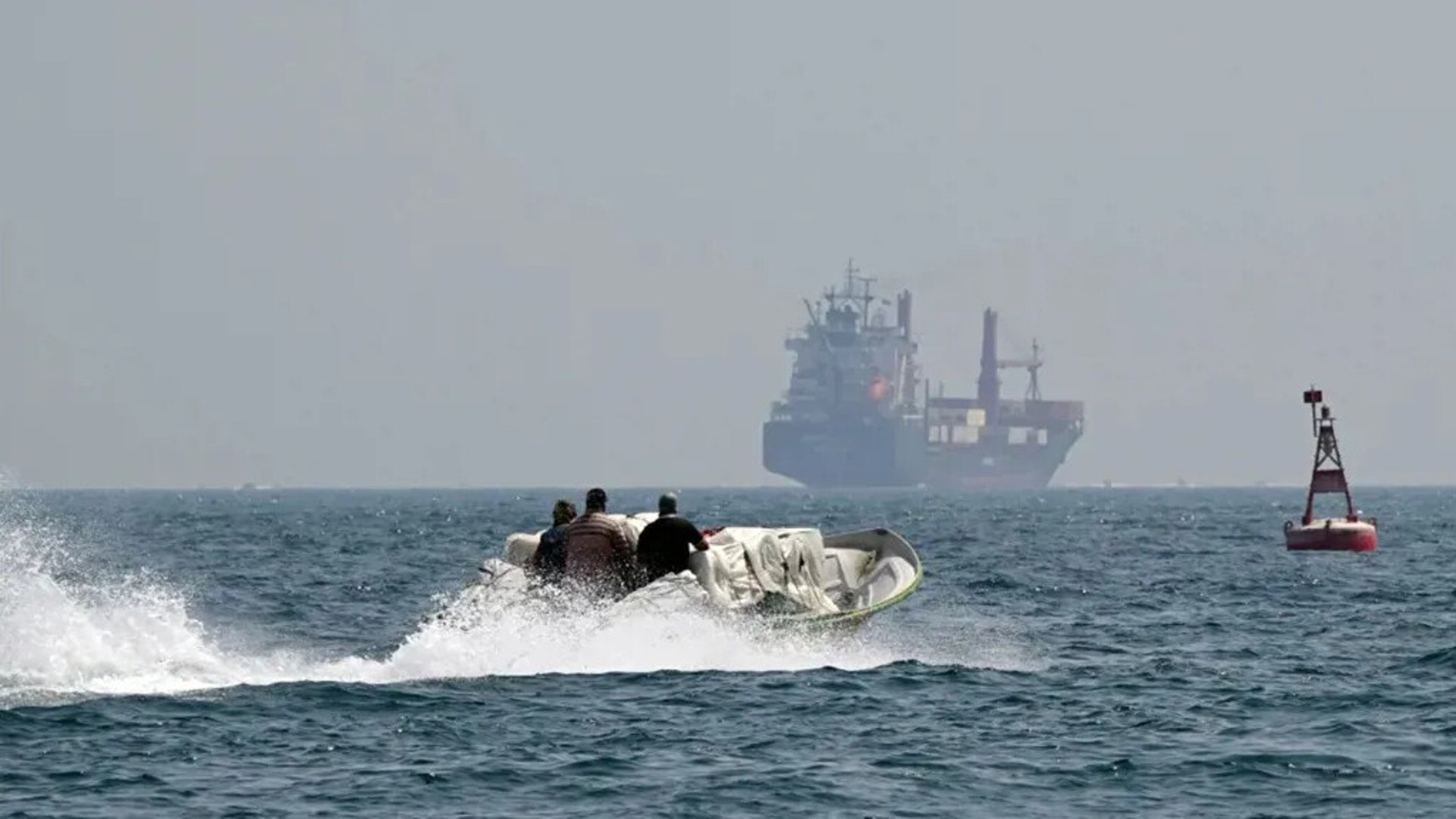
According to al-Kumaim, the Houthis are operating on this front under Iranian direction, with the aim of extending control along the western coast and eventually reaching the Bab al-Mandeb Strait. Such a development, he argued, could give the group greater leverage over maritime security and turn one of the world's most strategic waterways into a pressure card for Tehran.
“Iran, facing mounting pressure in its confrontation with the United States, is seeking additional leverage for the negotiating table,” al-Kumaim said, arguing that the ability to threaten vital shipping routes would represent a particularly powerful strategic asset.
The Houthi escalation had unfolded on several levels, from military provocations to intensified media and battlefield activity. This, he noted, coincided with the arrival of an Iranian Mahan Air aircraft in Sanaa, before tensions on the ground and in public rhetoric began to escalate further.
On July 13, Yemen’s Defense Ministry announced that it had targeted the runway at Sanaa International Airport to prevent an Iranian aircraft from landing. Iran’s Fars News Agency reported that a Mahan Air plane carrying a Houthi delegation returning from Iran had instead headed to al-Hodaydah Airport on Yemen’s western coast following the attack on Sanaa airport.
For al-Kumaim, Hays derives much of its importance from its position among the districts of Yemen’s western coast. Overlooking the coast, it forms a strategic point in the wider course of the conflict, alongside al-Khokha and Mokha, while also connecting to the fronts of southern al-Hodaydah and western Taiz.
He said the Houthis had sought to seize the dominant high ground in the area, particularly Jabal Dabbas, arguing that control of such positions would have given the group an advanced foothold from which it could direct fire and move toward the Red Sea.
Al-Kumaim linked those highlands to the fronts of al-Kadha, Maqbanah, and al-Barah, which he described as key points in the broader struggle to control movement and supply routes between Taiz and the western coast.
Control of the highlands around Maqbanah and al-Kadha, he argued, could give the Houthis access to the corridor separating Taiz from Mokha, potentially allowing them to isolate Taiz from its surroundings and reimpose a siege on the city, as happened during earlier stages of the war.
Open Fronts
Al-Kumaim stressed that the battle in western Yemen cannot be separated from the broader goal of controlling the western coast and moving closer to the Bab al-Mandeb Strait. In his assessment, the fighting in al-Kadha, Maqbanah, al-Barah, and Hays is not a series of isolated clashes but part of a wider struggle over supply routes, high ground, and positions overlooking the coast.
Control of these areas could allow the Houthis to put pressure on Mokha and threaten its supply lines. If the group manages to expand its offensive, al-Kumaim warned, it could tighten its grip around the western coast.
For government forces, meanwhile, the recapture of Hays and its surrounding rural areas, alongside developments in al-Kadha, al-Barah, and Maqbanah, amounts to a reshaping of deployment lines along the western coastal front, particularly as the government says it has consolidated its positions in the areas it has retaken.
Former Yemeni ambassador Abdul Wahab Tawwaf said the Houthis had advanced in several areas of western Taiz in recent days, seeking to overrun positions held by government forces around Mokha. But he said 95 percent of those areas have been retaken so far.
In a September 5 post on X, Tawwaf argued that the battle serves several Houthi objectives, including an attempt to claim a victory and stem what he described as growing popular opposition, reopen a “smuggling artery” supplying the group with weapons, money, and drugs, as well as seize Mokha and move closer to the Bab al-Mandeb Strait.
Tawwaf linked that last objective to Iran’s negotiations, arguing that moving closer to the Bab al-Mandeb would, in his assessment, serve the Iranian negotiator.
The developments in Taiz could also offer an opportunity to reorganize forces, strengthen coordination, and bring the various fronts closer together. Al-Kumaim described the fighting as part of a broader war of attrition, adding to pressure on other fronts through drones and precision artillery strikes in preparation for what he called a second phase.
Al-Kumaim said the next phase could see new fronts opened to redistribute military pressure and ease the burden on existing battle lines. An expansion of the fighting, he suggested, could mark a shift from containing the conflict and limited escalation toward a broader offensive.
On September 5, Rashad al-Alimi, chairman of Yemen’s Presidential Leadership Council (PLC) and supreme commander of the armed forces, said Taiz would not become a “safe passage” for projects and agendas supporting the Houthis. He said government forces had succeeded in repelling Houthi attacks and regaining the initiative on the ground.
The current escalation between government forces and the Houthis is the most serious since the ceasefire that took effect in April 2022, following years of war that erupted after the Iran-backed group seized power in 2014 and took control of Sanaa and other Yemeni cities.
Sources
- Breaking: Defense Minister Orders Higher Combat Readiness Across All Fronts to Counter Houthi Escalation, Meets With Senior Army Commanders [Arabic]
- Yemen forces take Hays, report advances as Houthis fire missiles at Taiz
- Military Forces Make Gains in Saqm and al-Jarrahi as Drones Are Downed and Houthi Shelling Hits Government Facility in Hays [Arabic]
- Yemen Live: Fierce Fighting in al-Jawf and Taiz as Airstrikes Hit Houthi Positions [Arabic]
- Yemen Developments Accelerate as Government Forces Announce Control of Hays District [Arabic]