Israeli Threads in the French Elections: What Is the Story of the Company BlackCore?
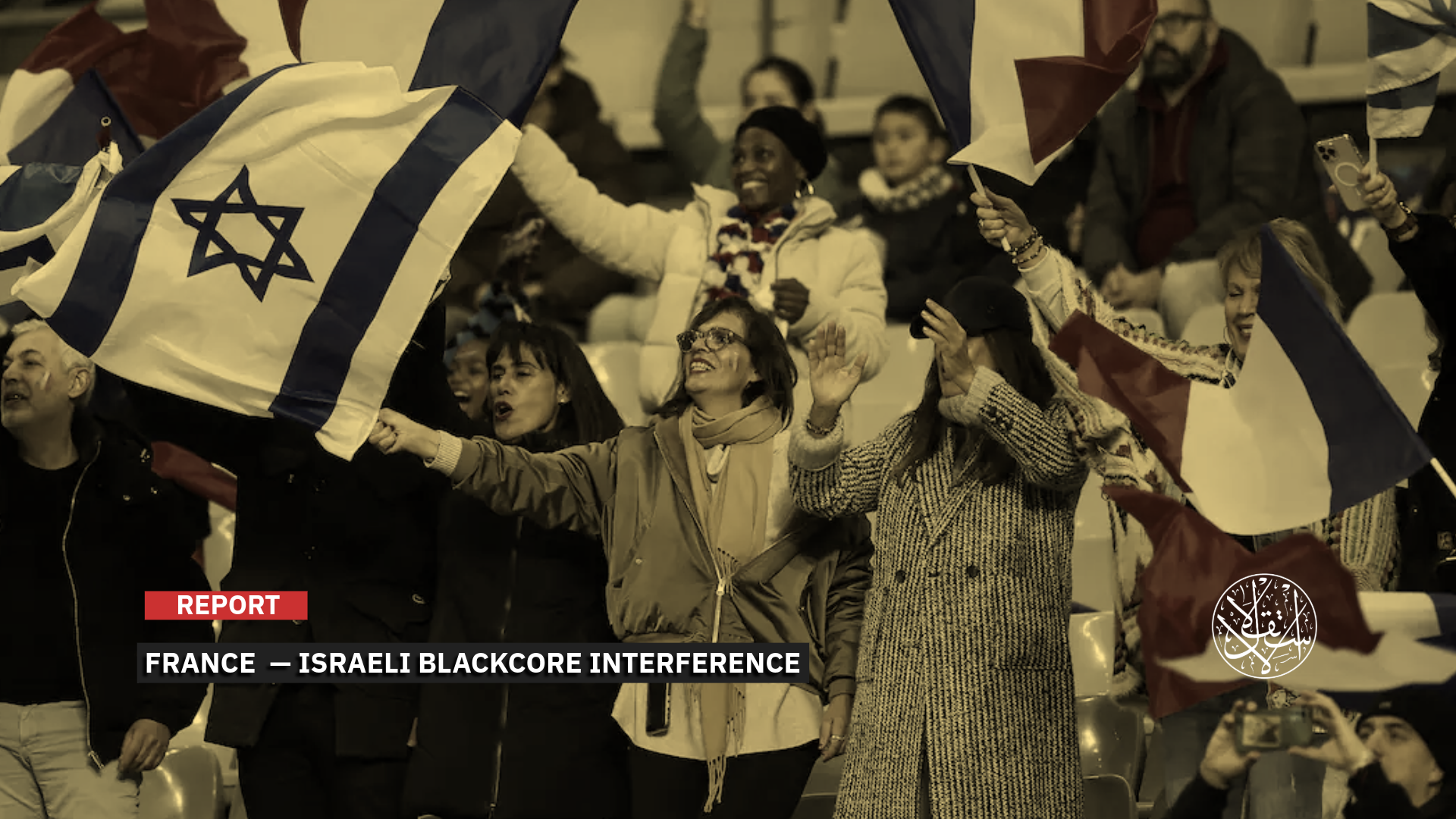
Despite being the subject of a security investigation in France, BlackCore remains a highly opaque company.
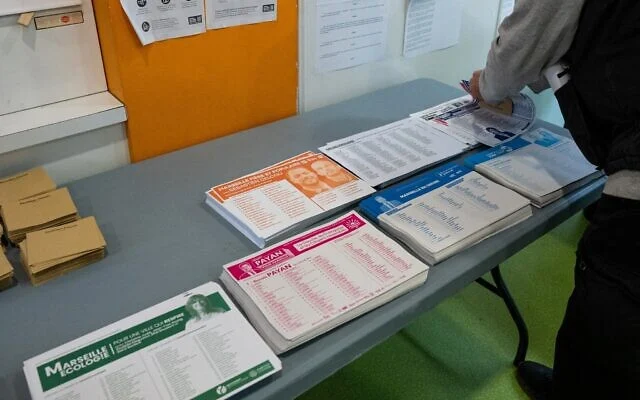
When millions of French voters went to the polls in the municipal elections in March 2026, the contest appeared, on the surface, to be a routine political competition between parties and candidates.
But behind the electoral banners and mass speeches, another silent battle was unfolding in the digital space, where tools of defamation, disinformation, and character assassination were used to influence voters’ choices and shape the course of the election.
In the weeks leading up to the vote, candidates from the left-wing “La France Insoumise” party were targeted by a wave of allegations related to corruption, extremism, and misconduct, spread through anonymous websites and digital accounts that appeared suddenly and disappeared just as quickly.
The campaign was not limited to the virtual world; it also extended into public spaces, where QR codes distributed in cities such as Marseille, Toulouse, and Roubaix directed citizens to platforms designed to defame the targeted candidates.
At first, these practices were seen as part of the occasional “dirty tricks” of modern democratic elections. However, the course of the investigations that followed the election revealed a far more complex and serious network, leading French authorities to an organized, highly professional operation using digital influence and information warfare techniques to shape public opinion and manipulate the political landscape.
As investigators traced funding and operational links, the name of a shadowy Israeli company called BlackCore emerged, turning the case from a simple smear campaign into a broader file raising major questions about foreign interference, the privatization of cyber warfare, and the future of democracy in the age of digital manipulation.
What Happened?
Shortly after the end of the French municipal elections, signs began to emerge of one of the most controversial cases of digital influence in Europe in recent years.
On May 15, 2026, Reuters revealed that French intelligence services had opened an investigation into the possible involvement of an Israeli company named BlackCore in running a digital influence campaign targeting candidates from the left-wing “La France Insoumise” party during municipal elections held weeks earlier.
The significance of the case quickly extended beyond suspicions of foreign interference in a French electoral process. It evolved into a broader issue concerning the rise of private firms specializing in information warfare and digital political influence, capable of running cross-border disinformation campaigns, targeting parties and candidates, and shaping political narratives in public opinion.
Although French authorities have not yet disclosed who is suspected of commissioning the operation, the case has moved beyond its domestic dimension to become part of a wider European debate about the vulnerability of Western democracies to organized disinformation campaigns, and the role of private intelligence firms in reshaping political space through the digital sphere, especially as preparations intensify for the French presidential elections scheduled for April 2027.
The first traces of the case emerged during the election campaign itself, when the French foreign interference monitoring agency VIGINUM detected coordinated online activity targeting candidates from “La France Insoumise” across several French cities.
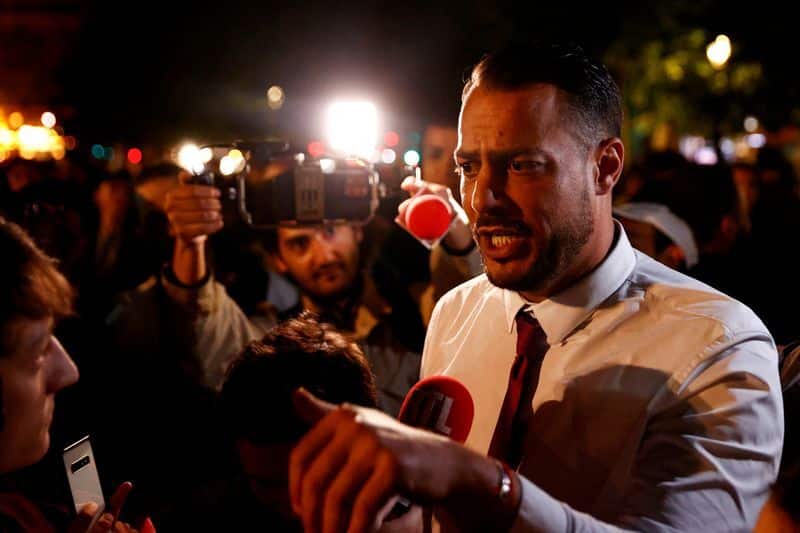
On March 20, 2026, Le Monde reported the existence of a digital influence operation linked to Israeli entities targeting a French political party, before the identities of the targeted individuals became clearer: Sebastien Delogu in Marseille, Francois Piquemal in Toulouse, and David Guiraud in Roubaix.
According to data gathered by French authorities, the campaign relied on an integrated system of digital influence tools, including the creation of misleading websites, coordinated social media accounts, the dissemination of defamatory content and targeted advertisements, as well as the use of AI-generated images and content to lend credibility to the narratives being circulated and amplify their reach among voters.
In Marseille, a website called Sophie’s Blog appeared, publishing a series of allegations against candidate Sebastien Delogu. QR codes were also distributed across the city, directing users to the site in an effort to expand the reach of the content. After the election, Delogu filed a defamation lawsuit in connection with the campaign.
In Toulouse, candidate Francois Piquemal, who lost the election by a narrow margin, said he was targeted by a coordinated campaign involving anonymous websites, fake accounts, and offensive advertisements aimed at damaging his political image.
He added that the targeting may have been linked to his pro-Gaza stance and criticism of Israeli policies, as well as his political profile and competitiveness in France’s third-largest city.
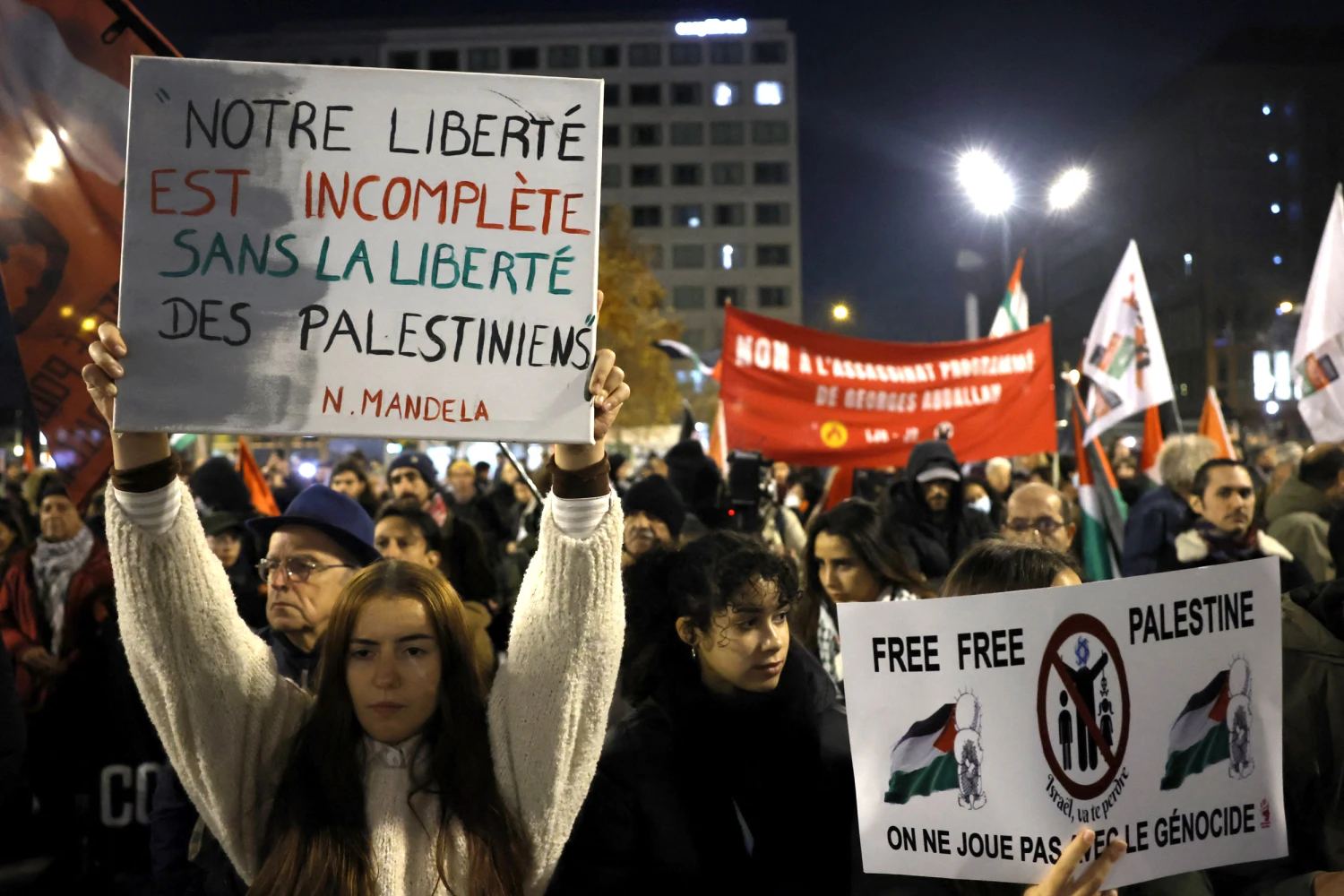
These allegations carry additional political weight given that “La France Insoumise,” led by Jean-Luc Melenchon, is one of the most openly pro-Palestinian and critical-of- “Israel” parties in Europe since the outbreak of the war on Gaza, placing it in ongoing confrontation with both political opponents and “pro-Israel” lobbying groups in France.
How Was the Operation Uncovered?
The exposure of the operation did not come through confessions or direct leaks, but rather through a gradual tracing of the digital footprints left by the campaign online. This process led investigators, technology companies, and media outlets to build a clearer picture of the network behind it.
As the investigation expanded, new findings emerged from major technology companies that had detected online activity linked to the campaign. Meta, the parent company of Facebook and Instagram, told Reuters that it had removed a network of accounts and pages due to what it described as “coordinated inauthentic behavior,” confirming that the activity originated in Israel and was primarily targeting France.
In the same context, TikTok announced that it had deleted several accounts used to promote websites linked to the campaign, stating that they violated the platform’s policies against misleading behavior and coordinated content manipulation.
Reuters also reported, citing informed sources, that Google had identified signals connected to the operation during its routine security monitoring of its services and digital platforms, providing additional leads that supported the ongoing investigation.
These findings strengthen the hypothesis of an organized digital influence operation that goes beyond individual activity or isolated political initiatives, especially since the investigation revealed the use of an integrated system of digital tools and platforms operating in a coordinated manner.
This pattern is characteristic of modern information influence operations, which rely on multi-platform strategies and synchronized messaging to amplify content, expand its reach, and enhance its perceived credibility.
French media played a central role in tracing the case and uncovering its details. After the initial report published by Le Monde on suspicious digital activity linked to Israeli entities, Le Canard Enchaine indicated that French authorities suspected the involvement of an Israeli company specializing in political influence operations, without naming it at the time.
As the investigation progressed and additional information emerged about the digital networks and methods used, overlapping media reports began linking the operation to the company BlackCore. The case thus gradually evolved from allegations of an electoral smear campaign into a broader file shedding light on the world of private intelligence firms and transnational cyber warfare, and their capacity to influence political trajectories within Western democracies.
What is BlackCore?
Despite becoming the focus of a sensitive security investigation in France, BlackCore remains one of the most opaque entities in the case. According to Reuters, journalists were unable to find a clear corporate registration for the company in “Israel”, nor were they able to verify its physical headquarters or identify the individuals behind its management and financing.
This ambiguity deepened after investigations and media inquiries began; the company’s website disappeared from the internet, and its LinkedIn page was also removed, moves that observers interpreted as an attempt to reduce its digital footprint amid growing international scrutiny.
Nevertheless, Reuters accessed promotional materials and internal documents that provided a rare glimpse into the company’s self-described activities.
BlackCore presented itself as “an elite company specializing in influence, cyberspace, and technology, created for the modern era of information warfare,” stating that it provides governments and political campaigns with “advanced strategies, sophisticated tools, and robust systems to shape narratives.”
This description suggests that the company does not operate in traditional cybersecurity or standard tech services, but rather in the expanding field of “information influence”, a sector that combines digital campaigning, psychological operations, big data analysis, content production, and the shaping of public opinion through online platforms.
In recent years, this type of activity has become one of the most prominent tools in global political and intelligence competition, as battles over information and perception have become no less significant than conventional military confrontations.
The BlackCore case gains further significance due to documents obtained by Reuters, which indicate that the company was not merely offering theoretical services but had actively participated in carrying out digital influence operations outside “Israel”.
According to those documents, the company acknowledged responsibility for managing a social media campaign on behalf of an unnamed African government.
The operation reportedly began in January 2026 and lasted approximately fourteen weeks, marking the first known evidence of BlackCore’s involvement in real-world political influence operations beyond “Israel’s” borders.
The case became even more complex when Reuters presented these documents to Meta, the parent company of Facebook and Instagram. According to the agency, Meta assessed that the digital network linked to the so-called “African operation” shared operational similarities with the network that targeted the French municipal elections.
This connection suggests the possibility of a single operational structure behind both campaigns, giving the investigation an international dimension that extends beyond France and raising broader questions about the activities of private political influence firms and their ability to conduct cross-border operations targeting elections and public opinion in different countries using the same digital tools.
If these findings are confirmed, the BlackCore case could shift from a local electoral interference investigation into a new model of private information warfare, where political influence operations are no longer the exclusive domain of state intelligence agencies, but a service provided by specialized firms operating in the shadows across countries, elections, and political arenas.
The Israeli Model
The BlackCore case has once again drawn attention to a broad sector of private security and intelligence companies that has emerged in Israel over the past two decades, specializing in information influence, digital warfare, and covert online campaign management.
French media outlets, including Le Monde and Intelligence Online, have pointed to similarities between BlackCore’s methods and those of other Israeli firms internationally known for intelligence gathering and political influence operations, most notably Black Cube.
Although there is no evidence directly linking the two companies, the comparisons are based on similarities in operational patterns, particularly the use of fake accounts, shell companies, deceptive websites, and coordinated influence campaigns across multiple digital platforms.
Black Cube is one of the most internationally recognized Israeli private intelligence firms. It was founded in 2010 by Dan Zorella and Avi Yanus, both former officers in Israel’s security establishment.
Over time, the company has included prominent figures from Israeli security institutions, including Efraim Halevy and Meir Dagan.
In recent years, the firm’s name has been associated with several controversial cases, including the Harvey Weinstein affair, as well as attempts to gather information on former U.S. officials involved in defending the Iran nuclear deal, in addition to European investigations into similar activities in multiple countries.
The French case has also brought back attention to Israeli figures previously mentioned in European investigations related to political influence operations, including Giora Eiland.
According to a report published by Monte Carlo Doualiya (MCD) on May 28, 2026, the significance of these companies lies not only in the nature of the operations they conduct, but in what they represent as a growing model of the privatization of intelligence expertise. In this model, former officers and officials from security agencies move into the private sector to provide political, media, and commercial services across borders, leveraging digital influence tools and the rapid evolution of communication and information technologies.
What Does France Fear?
The BlackCore case is no longer seen by French authorities as merely a suspected instance of interference in a local municipal election. Instead, it has evolved into an early warning sign of what the country may face ahead of major national contests, most notably the presidential election scheduled for April 2027.
These concerns are particularly significant given polling indicators showing that the left-wing “La France Insoumise” party maintains a meaningful electoral presence. Surveys place it among the forces capable of competing strongly in the presidential race, with a support base ranging between 10% and 15%, a level that could potentially allow it to reach the second round of the election.
At the same time, most polls suggest that the far-right “National Rally” party, known for its “pro-Israel” positions, will be one of the main contenders for the presidency, raising the likelihood of deeper political polarization and increasing the importance of media and digital battles in shaping voter behavior.
Within this context, French officials and experts fear that the campaign targeting “La France Insoumise” candidates during the municipal elections may represent only a preliminary model of broader and more sophisticated operations that could target the upcoming presidential vote, especially amid the growing capabilities of cross-border information influence firms and their ability to use artificial intelligence, fake accounts, and digital platforms to shape public opinion.
These concerns are heightened by the difficulty of tracing the financiers or operators behind such activities, making foreign interference more capable of operating in the shadows and influencing political outcomes without leaving clear or direct evidence.
For this reason, Jean-Luc Melenchon, the leader of “La France Insoumise,” has called on the French government to strengthen legislation against foreign interference and to better protect the digital space, stressing that the issue is not about a specific party or political camp, but about the integrity of the electoral process and the future of French democracy as a whole.
While investigations are still ongoing and the identity of those behind the operation and their ultimate objectives remain unconfirmed, the case has sparked a broader debate in France and across Europe about the ability of Western democracies to protect their elections from organized digital influence campaigns, in an era where information warfare has become as impactful as traditional instruments of power.