Houthis’ Delay in Backing Iran: Calculated Hesitation or Strategic Positioning?
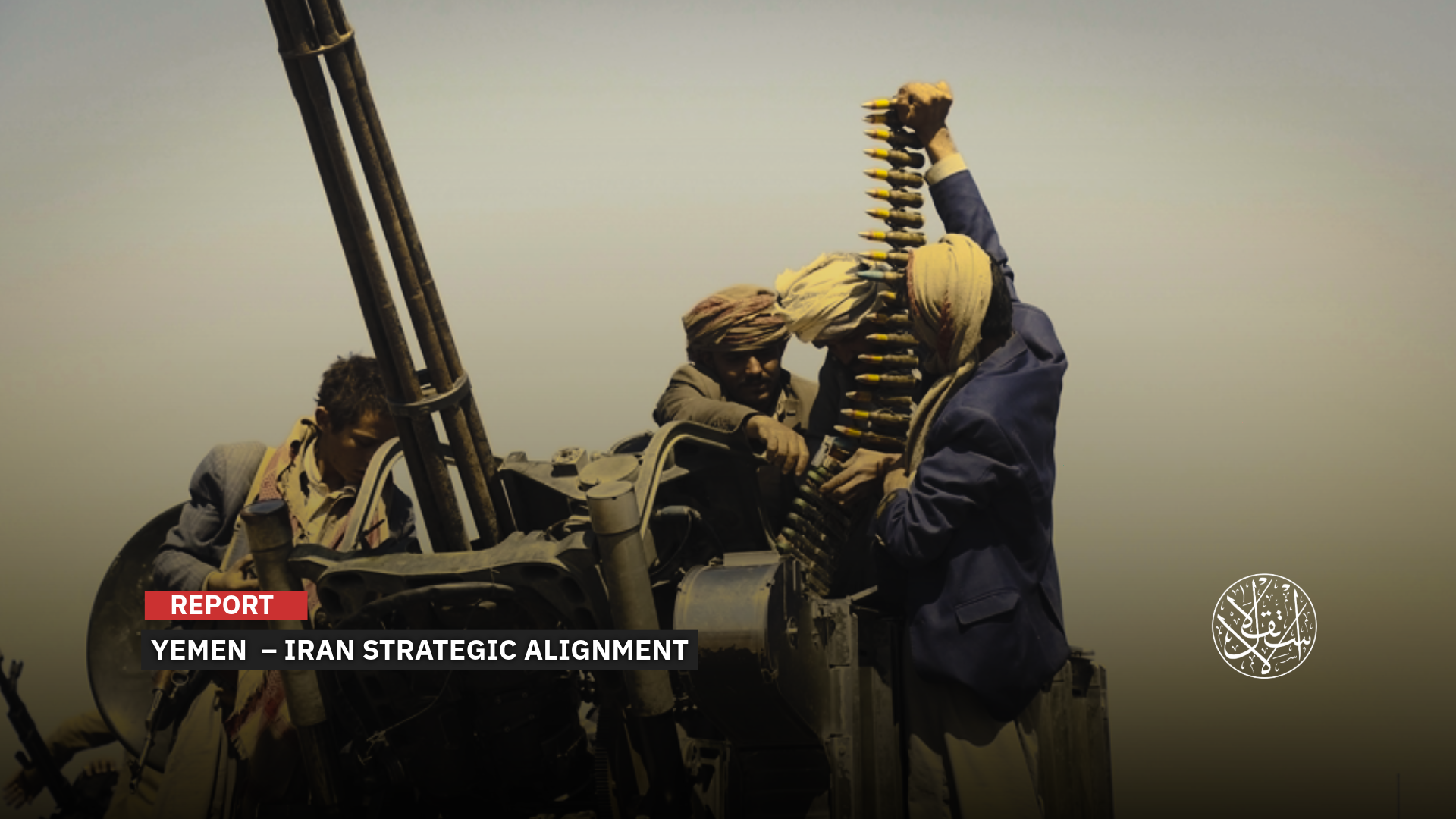
The Houthis relocated missiles and drones from earlier storage sites to more heavily fortified storage facilities.
The Houthis’ position regarding the American-Israeli war on Iran has shown a noticeable degree of hesitation, which has caused confusion among observers and those interested in Yemeni affairs, and has opened the door to differing, and at times even contradictory, interpretations.
Despite the group’s repeated declarations of its political alignment with Tehran, this stance has not yet translated into concrete field actions that reflect direct involvement in the course of the confrontation.
At a time when other regional fronts, particularly in Lebanon and Iraq, had entered a phase of escalation by the end of the first week of U.S. military operations, the Houthi group appeared to be in a state closer to “strategic anticipation.”
It has maintained a high level of rhetorical and popular mobilization, without accompanying that with broad or direct military engagement.
This hesitation reflects a complex dilemma facing the group, pulled on one hand by its ideological commitments within what is known as the “Axis of Resistance,” and the requirements of support that this entails, and on the other hand by calculations of its own political and military survival.
Entering into an open confrontation could expose it to high-intensity American-Israeli strikes targeting its leadership structure and strategic capabilities, which could ultimately lead to the fundamental undermining of its existence.
Between Rhetoric and Readiness
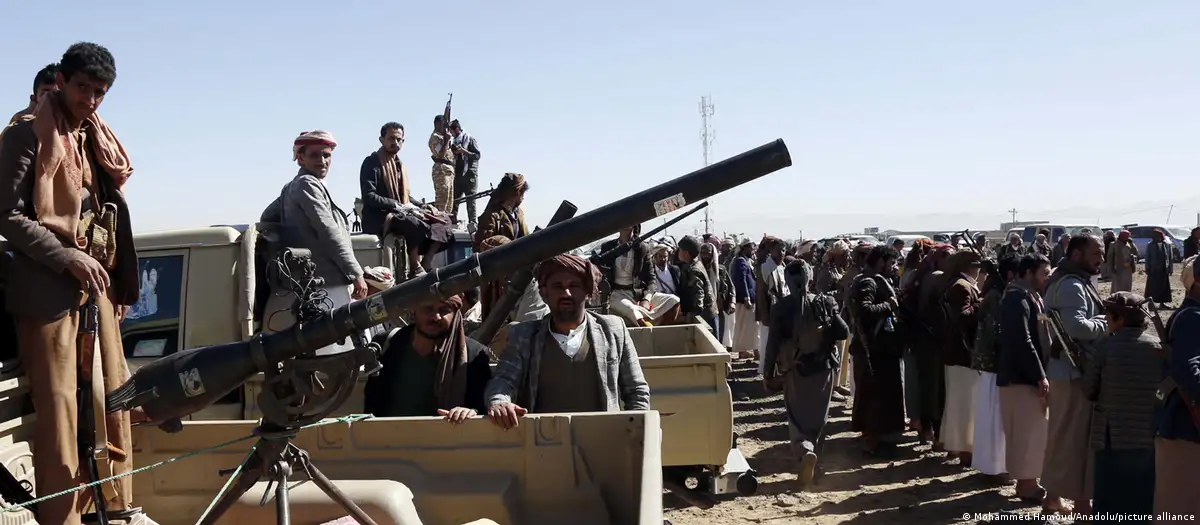
According to the Abaad Studies and Research Center, the Houthis had begun early field preparations with the U.S. buildup in the region in February, where all recruits were called up to military units, and missile launch platforms were moved to fortified mountain hideouts.
The Houthis relocated missiles and drones from previous storage sites to more heavily fortified storage facilities, and also moved launch platforms to locations they had not used before for launch operations, especially over the past two years.
They also activated emergency committees, placing hospitals in northern Yemen on maximum alert, conducting numerous drills for civil defense forces to deal with large fires and rescue operations, and directing people to government facilities as emergency shelters.
According to a statement by Ali al-Emad, a member of the political bureau of the Ansar Allah group (the Houthis), Houthi leaders showed a division between two main currents: the “hawks,” who view the current moment as critical and requiring direct intervention in the war regardless of cost, arguing that Sanaa is the next target of the American-Israeli military campaign.
And the “pragmatists,” who believe the movement will become a “scapegoat” and that haste could cause the group to lose all the gains it has achieved since taking control of the capital in September 2014.
This tension led to the adoption of a “gray zone” stance, or the declaration of a state of “declared war” while postponing the timing and location of retaliation to the leadership.
On the rhetorical level, the Houthi leader, in his speech on the occasion of the so-called “National Day of Steadfastness” (March 26), affirmed the group’s readiness to engage militarily whenever developments require it.
This was previously reinforced by his announcement on March 13 of raising combat readiness, describing the group as a direct partner in the battle.
Mahdi al-Mashat also declared the group’s full support for Iran in a speech that reflects an attempt to consolidate the strategic relationship with Tehran, while maintaining room for maneuver regarding the timing of military action.
Meanwhile, the speeches of the group’s leader, Abdul-Malik al-Houthi, reflected a state of “strategic anticipation.”
Despite his declaration of full solidarity with Tehran and the slogan of “readiness for any developments,” he notably refrained from announcing immediate military involvement or making promises of direct strikes.
This indicator reflects an attempt to absorb the shock and assess the new balance of power before full engagement.
In a new and notable development, the Houthi group issued a statement on the evening of Friday, March 27, in the name of the armed forces, affirming the necessity of an immediate response from the American and Israeli adversaries to international diplomatic efforts to halt the aggression against Iran and the countries of the axis, describing it as unjustified aggression that harms global and regional stability and security, and damages the global economy.
The statement emphasized the urgent need to stop the aggression against Muslim countries in Palestine, Lebanon, Iran, and Iraq, to lift the unjust blockade on Yemen, to implement the Gaza agreement, and to fulfill the obligations it contains regarding humanitarian requirements and the legitimate rights of the Palestinian people.
The statement added, “We affirm that our hands are on the trigger for direct military intervention in the event that any additional coalitions join the United States and Israel against the Islamic Republic of Iran and the axis of jihad and resistance, or if the Red Sea is used to carry out hostile operations by the United States and Israel against the Islamic Republic of Iran or any Muslim country. We will not allow this, nor will we allow continued escalation against the Islamic Republic and the axis of jihad and resistance, as required by the theater of military operations.”
The statement reflects a clear model of a “conditional deterrence” discourse adopted by the Houthi group at this stage, combining high verbal escalation with deferred military engagement.
The statement does not present itself as a local Yemeni response, but rather as part of a broader regional battle, linking multiple arenas (Iran, Palestine, Lebanon, Iraq, and Yemen) within a single framework.
This reflects the group’s desire to consolidate its position as an actor within the “Axis of Resistance,” rather than merely a marginal party.
Expanding the definition of aggression to include security, stability, and the global economy also aims to give an international dimension to its stance and justify any future moves.
Domestically, the statement seeks to reassure its popular base that the group is in a position of initiative and readiness, while maintaining its image as a “defender of the nation.” Externally, it sends calibrated deterrent messages to the United States and “Israel”, implying that widening the war would lead to the opening of additional fronts, without actually committing to initiating that expansion.
Overall, the statement does not represent a shift toward direct military engagement, but rather confirms that the Houthis continue to occupy a position of “strategic reserve” while raising the level of conditional threat.
It is a political and military pressure tool at the same time, aimed at improving the group’s position within the regional equation, without bearing the risks of full escalation at this stage.
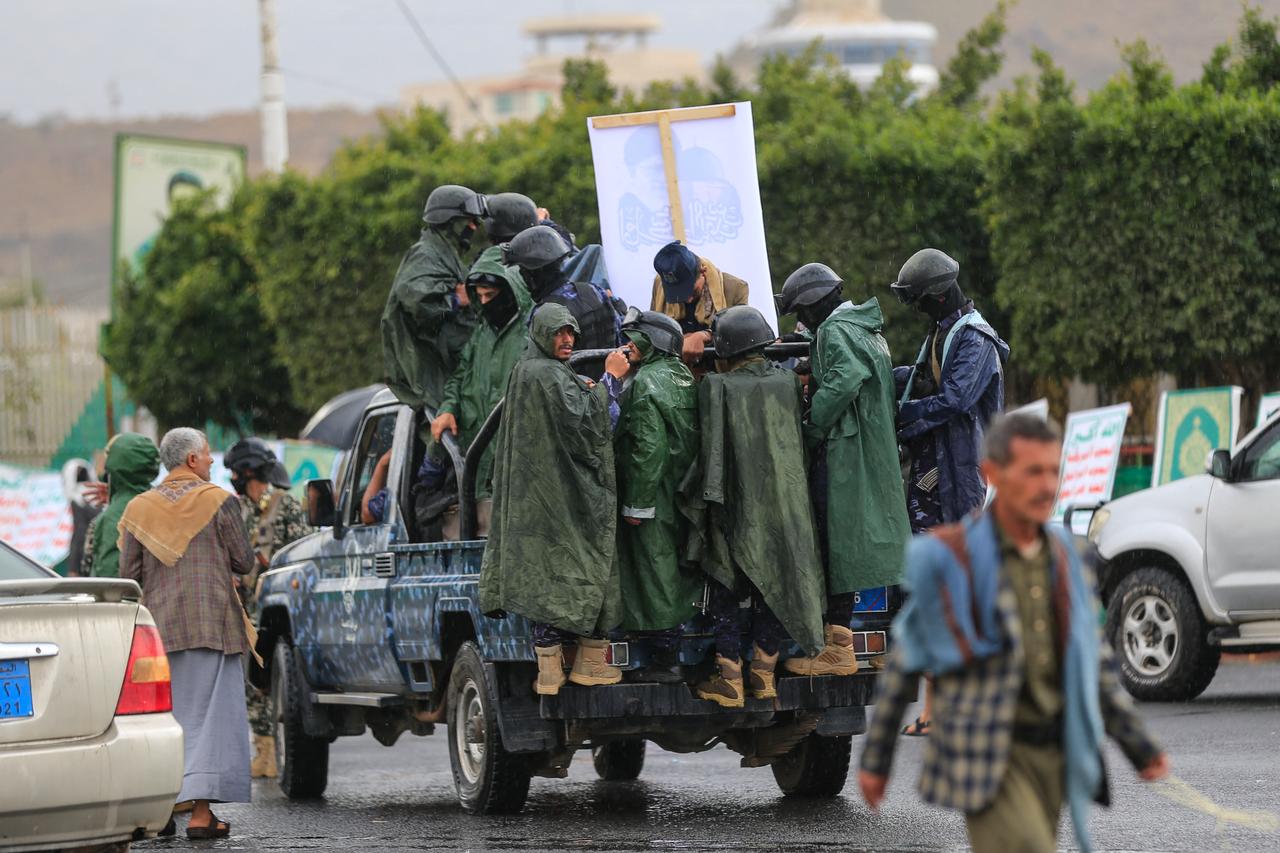
Is Iran Reserving the Houthis for a Decisive War?
In an analysis published by the French website Orient, Yemen was described as a “strategic reserve card” in Iran’s hands, one that can be activated at a decisive moment to expand the scope of regional confrontation amid the accelerating escalation in the Middle East.
The analysis indicates that Tehran’s reluctance to fully use this card so far does not reflect hesitation, but rather careful management of strategic tools, based on retaining latent capabilities that can be employed later to strengthen its negotiating position or impose new military equations.
This reflects an Iranian pattern based on “graduated escalation” and the utilization of regional proxies within calculations aimed at controlling the tempo, avoiding a slide into an uncalculated full-scale confrontation.
In the same context, the Israeli Broadcasting Authority (KAN), citing security officials, reported that Iran and Hezbollah are exerting increasing pressure on the Houthis to engage in the war against the United States and “Israel”, with expectations that the group may enter the conflict after Eid al-Fitr.
This suggests a possible transition from a phase of “strategic anticipation” to the “activation of proxies,” which would test the cohesion of the “Axis of Resistance” as a multi-front system.
At the same time, Iran’s Tasnim News Agency quoted an informed source as saying that the Ansar Allah group has been on maximum alert since the beginning of what was referred to as the “Ramadan War,” and that it is prepared to enter the confrontation when needed, particularly if the option of controlling the Bab al-Mandab Strait emerges as a means of pressure.
This highlights the geostrategic dimension of the strait as a vital chokepoint for global trade, making it a high-cost leverage point within what could be described as a “war of maritime corridors.”
Abdul Salam Mohammed, head of the Abaad Studies and Research Center, revealed a secret meeting that brought together Houthi political and military leaders with advisors from Iran’s Islamic Revolutionary Guard Corps, during which participation in the war between the so-called “Axis of Resistance” and the “American-Israeli alliance” was discussed, along with an emergency plan for the timing of actual engagement.
According to these data, the current phase focuses on redeploying missiles and drones while awaiting the official announcement to begin operations.
It was also indicated that strikes on Iranian oil facilities could be met with a Houthi response targeting American bases and sensitive installations in the Gulf, particularly in the United Arab Emirates, as part of expanding the theater of operations and increasing the cost of confrontation for adversaries.
In contrast, observers believe that Iran may not need direct Houthi involvement at the present stage, given its own capabilities and geographic position.
However, the Houthis’ role becomes more likely in two scenarios: first, if Tehran moves to expand the conflict toward the Red Sea or disrupt navigation in Bab al-Mandab; and second, if regional confrontation escalates, especially with the possibility of direct Saudi intervention, where the Houthis’ geographic position and missile capabilities would enable them to carry out effective strikes deep inside Saudi territory and possibly cross-border operations.
This underscores that the group’s role within Iran’s strategy remains “functional” and conditional on the escalation context.
On another note, the Associated Press reported Houthi leaders affirming that the decision to join the war is an independent Yemeni decision, in an attempt to highlight the independence of political and military decision-making, despite growing doubts about the nature of the relationship with Tehran.
This rhetoric is read as an effort to maintain a delicate balance between preserving the image of an independent local actor and the practical alignment with a regional axis led by Iran.
Overall, these indicators suggest that the Houthis remain within Iran’s “strategic reserve” framework, with readiness to shift into military action when specific conditions are met.
This reflects an Iranian approach based on phased escalation and selective use of regional proxies, aimed at maximizing leverage while minimizing risks in a highly complex regional environment.
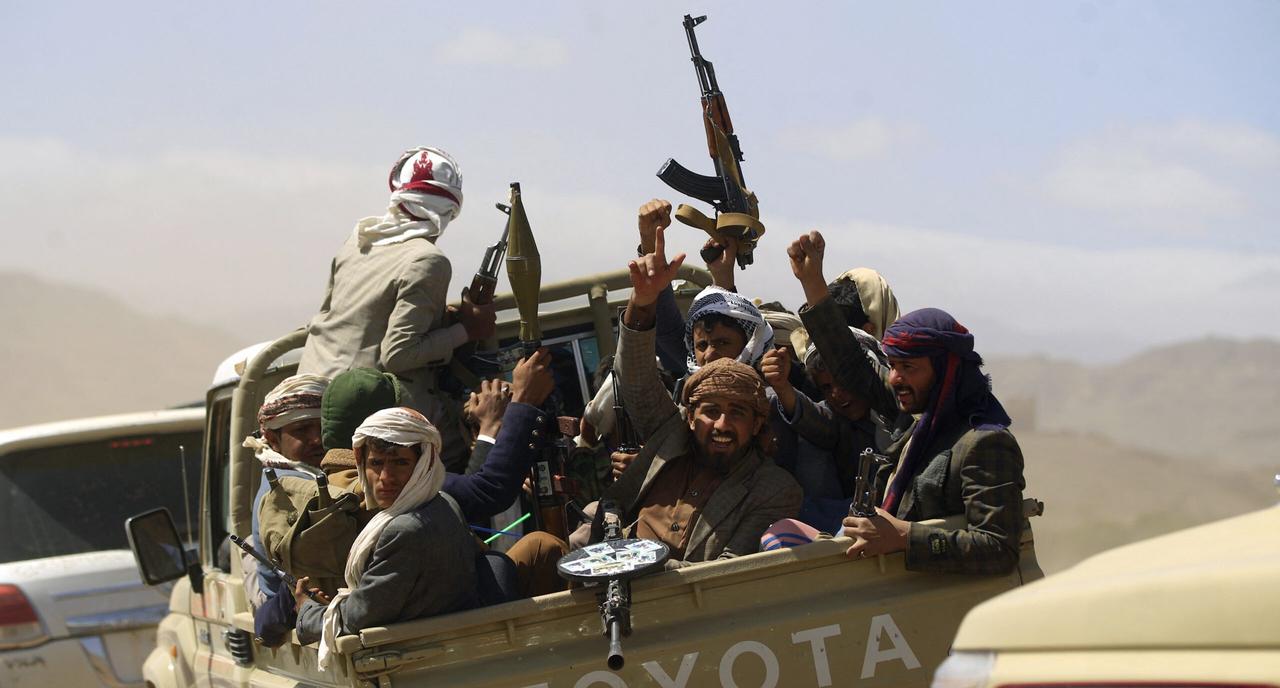
Motivations for Participation and Constraints
The Houthis seek to strike a balance between publicly demonstrating loyalty to their Iranian allies and the risks of becoming involved in a conflict that yields them limited gains.
Accordingly, the Houthis operate within a complex equation through which they attempt to balance the requirements of alignment with Iran against the risks of engaging in a high-cost, low-direct-return conflict.
On the one hand, ideological and political considerations compel it to present itself as an active part of the “Axis of Resistance,” through escalatory rhetoric and field preparations that reflect readiness to participate.
On the other hand, this momentum is constrained by pragmatic calculations related to the cost of involvement, the likelihood of attrition, and the risk of being exposed to precision strikes that could undermine its leadership structure and strategic capabilities.
As a result, the group operates in a “middle zone” between pressure to engage and reasons for caution, in a way that preserves its position without sliding into an uncontrollable confrontation.
The motivations for engagement are based on a set of considerations, most notably what can be described as a doctrine of “existential linkage” with Iran; the group believes that any decisive targeting of Tehran falls within a broader process of reshaping the region, with Sanaa likely to be among its subsequent targets.
This linkage is also reframed within a religious-revolutionary dimension, where support for Iran is presented as an “obligation” that goes beyond conventional political calculations.
In addition, potential involvement serves as a tool for “exporting internal crises,” by redirecting popular pressures related to salaries and services toward an external enemy, and reinforcing a state of mobilization that limits internal challenges.
Active participation could also enhance the group’s status as a regional actor capable of imposing deterrence equations, thereby granting it greater leverage in any future settlement.
On the other hand, the group faces a set of constraints that limit the option of full escalation. Foremost among them are the risks of opening internal fronts, as direct engagement with the United States could expose its military structure to devastating strikes and create opportunities for local adversaries to regain strategic positions.
Escalation would also undermine the de-escalation track with Saudi Arabia and prompt a more intense U.S. military response than the 2024–2025 rounds, which would also threaten the group’s economic ambitions, particularly the issue of salaries tied to oil revenues.
In addition, strikes that targeted prominent Houthi leaders during 2025 contributed to a deeper awareness of the extent of intelligence penetration by adversaries, and the existential threat it poses in the event of full-scale engagement.
This awareness is further reinforced by an internal economic factor, as the group recognizes that any large-scale war could lead to further deterioration in the service sector, potentially turning public discontent into an uncontrollable state of unrest.
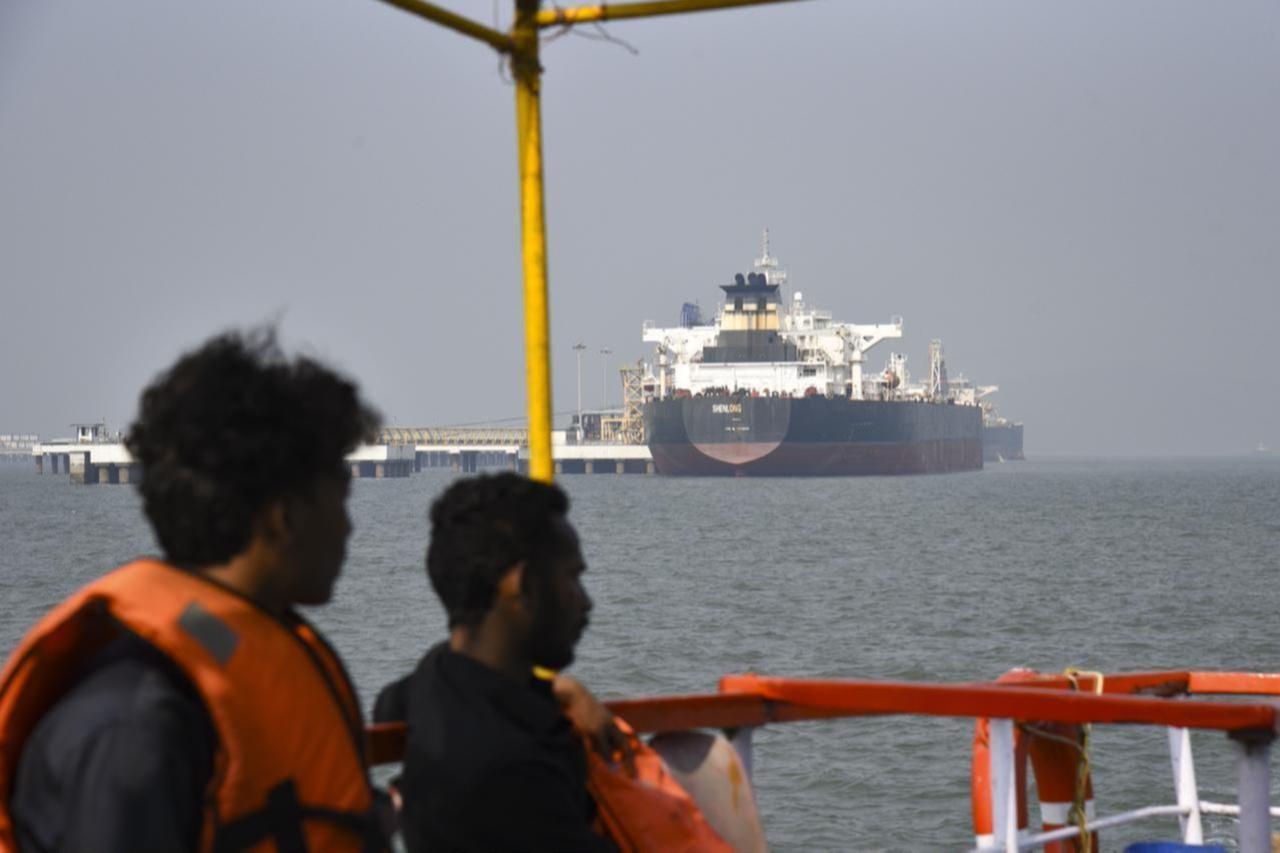
Scenario of Participation
In this context, the group’s behavior tends toward strategic maneuvering: raising readiness levels, retaining leverage tools such as threats to maritime navigation and the use of advanced weapons, while postponing a decisive move pending clarity on the trajectory of regional balances, especially within Iran itself.
Accordingly, the decision to participate is determined by three main factors: the degree of consensus within the group’s leadership, the level of military and logistical readiness, and the scale of risks that could threaten its gains and its political and military survival. This is framed within two scenarios:
This scenario assumes that the Houthis will refrain from direct involvement, out of a desire to avoid the costs of a confrontation that could threaten their existence.
It is based on several factors, most notably: the shock of targeting Iranian leaders, the repercussions of previous strikes, weak popular support, intensive U.S. mobilization, in addition to internal variables (the reorganization of opposing forces and efforts to unify them) and regional neutralization possibilities. Within this framework, the group is more likely to preserve its gains and avoid opening a high-risk front.
This scenario is based on a calibrated involvement without full escalation, through limited operations (sporadic attacks, selective targeting of maritime navigation, and media escalation). It aims to demonstrate commitment to the Iranian axis while avoiding a broad military response.
Its indicators include gradual rhetorical escalation, limited maritime attacks, and raising readiness without full mobilization.
The Houthis are aware that the Iranian umbrella has been significantly weakened, and that miscalculated responses could cost them leadership and loss of power.
Therefore, their current position tends toward maneuvering and waiting to see how the new Iranian leadership takes shape and how resilient it proves to be, before committing their military weight to this open regional confrontation.
Finally, field indicators suggest that the group’s movements are focused more on fortifying the internal front and enhancing security readiness than on preparing for engagement in an open regional war.
In other words, this reflects a defensive approach aimed at containing the potential consequences of escalation rather than initiating it.
However, the issue is not limited to the Houthis’ own decision. It also extends to the behavior of other actors. Even if they avoid war, the possibility of them becoming a target remains, not because of their current role, but due to their position within the regional conflict equation, especially in the post-major confrontation phase, where active powers may move to settle pending issues.
Accordingly, the risk of escalation is not only tied to the group’s will, but also to external decisions that could expand the scope of confrontation or reshape regional balances, potentially placing the Houthis in a position of being targeted, whether they choose war or it is imposed upon them.
Sources
- Between The Axis Doctrine And The Survival Instinct: Will The Houthis Enter Iran’s War? [Arabic]
- Houthi Leader: We Are In A State Of War – Yemen Monitor [Arabic]
- Yemen, A Potential Asset For Iran – Orient French Website [Arabic]
- The Armed Forces Affirm The Immediate Need To Halt The Aggression Against Muslim Countries And Lift The Blockade On Yemen [Arabic]
- Israeli Report: The Houthis Are Preparing To Join The War After Eid Al-Fitr [Arabic]
- An Informed Source To Tasnim: Ansar Allah In Yemen Is Ready To Enter The Field And Control The Bab Al-Mandab Strait [Arabic]
- A Secret Joint Meeting Between The Houthi Leadership (Political And Military) And Iranian Advisors [Arabic]
- The Leader Of The Revolution Calls On The Saudi Regime To Reconsider Its Calculations And Stop Its Hostility [Arabic]
- Toward The Yemeni People [Arabic]
- President Al-Mashat: I Assure Our People That We Will Fully Secure All Their Rights Without Any Reduction [Arabic]
- Why Have The Houthis Not Supported Iran So Far? – Sana’a Center For Strategic Studies [Arabic]
- Leaders Within Houthi Groups: We Are Connected To Iran, But The Decision For War Will Be Yemeni [Arabic]
- The Houthis’ Dilemma Between Loyalty To Iran And Maintaining Power – Al-Mokha Center For Strategic Studies Ahmed Al-Shalfi – Have The Houthis Shifted From An Actor To A Recipient? [Arabic]