Hebron Repeats in Jericho: ‘Israel’s’ Plan to Bring Settlements Into the Heart of Palestinian Cities
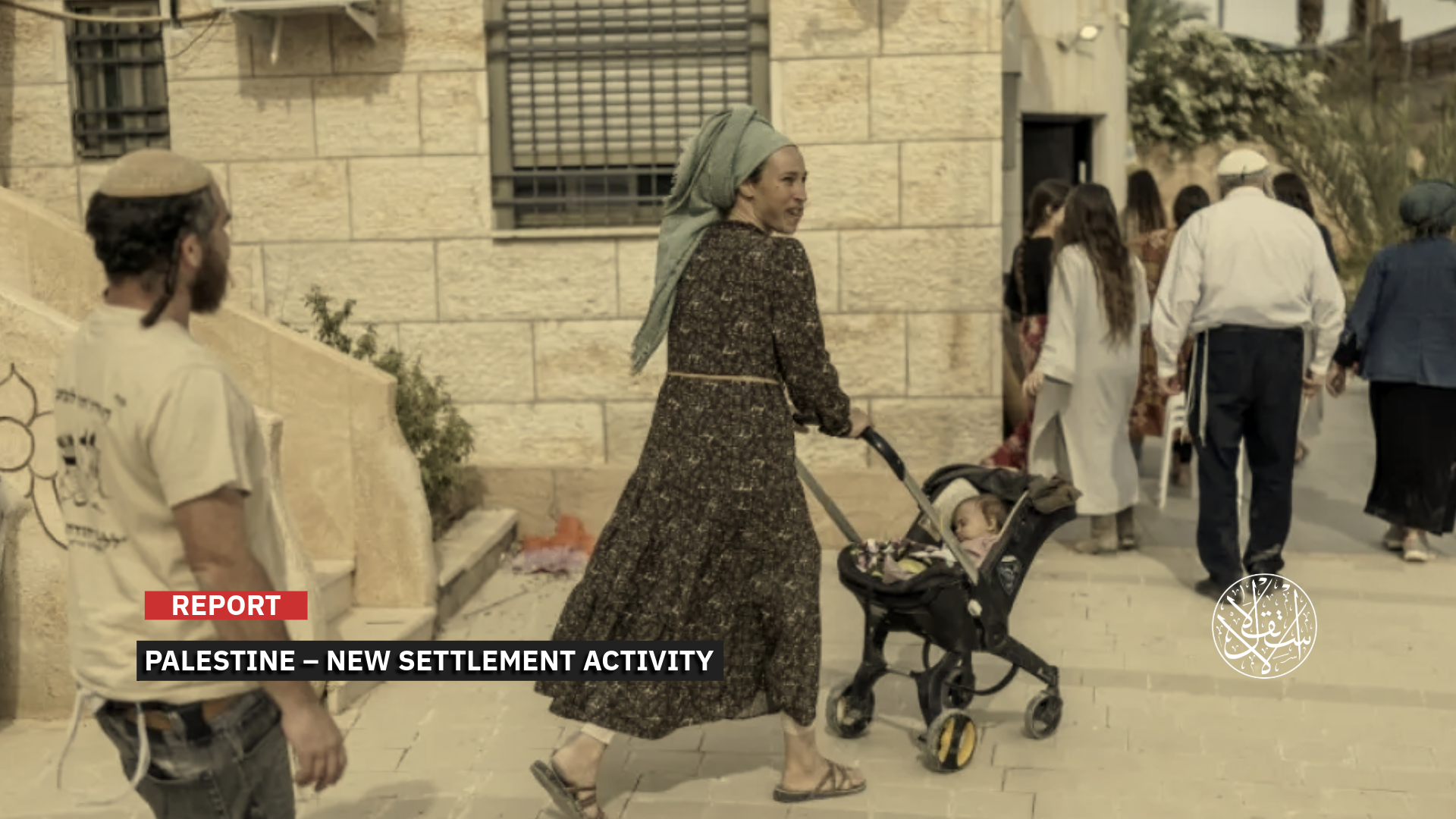
Settler groups have begun establishing a foothold within the urban boundaries of Jericho.
Israeli settlement expansion in the occupied West Bank is entering a more dangerous phase, with settler outposts moving beyond the hills and farmland surrounding Palestinian communities and into their residential neighborhoods.
The shift threatens to bring cities that have so far been spared direct settlement activity into daily confrontations with settlers and the Israeli Occupation Forces. Hebron, in the southern West Bank, offers a stark example of what this could mean, having endured decades of checkpoints, closures, and settlement expansion deep inside its neighborhoods.
Jericho, in the eastern West Bank’s Jordan Valley, is now emerging as the latest target of this strategy. Settler groups have begun establishing a presence within the city’s urban boundaries, backed by influential organizations and Israeli Occupation officials.
What Is Happening in Jericho?
On November 4, 2026, Israeli settlers seized eight buildings in the Ein al-Duyuk al-Tahta neighborhood of Jericho. The area lies in Zone C, which is under full Israeli control, along the edge of Zone A, where most of the city’s built-up area is located.
Settler families took part in the operation alongside armed men, following preparations carried out behind the scenes. These included setting up living quarters, arranging security, and fencing off parts of the surrounding land with gates.
The takeover followed months of pressure on the area, which began after the establishment of the Armonot Farm settlement outpost on the western hills in the summer of 2024, under the direction of settler Hanan Herbst.
From this elevated position overlooking nearby neighborhoods, attacks on residents became increasingly frequent. Settlers drove livestock onto cultivated land, damaged property, and prevented homeowners from reaching their own properties.
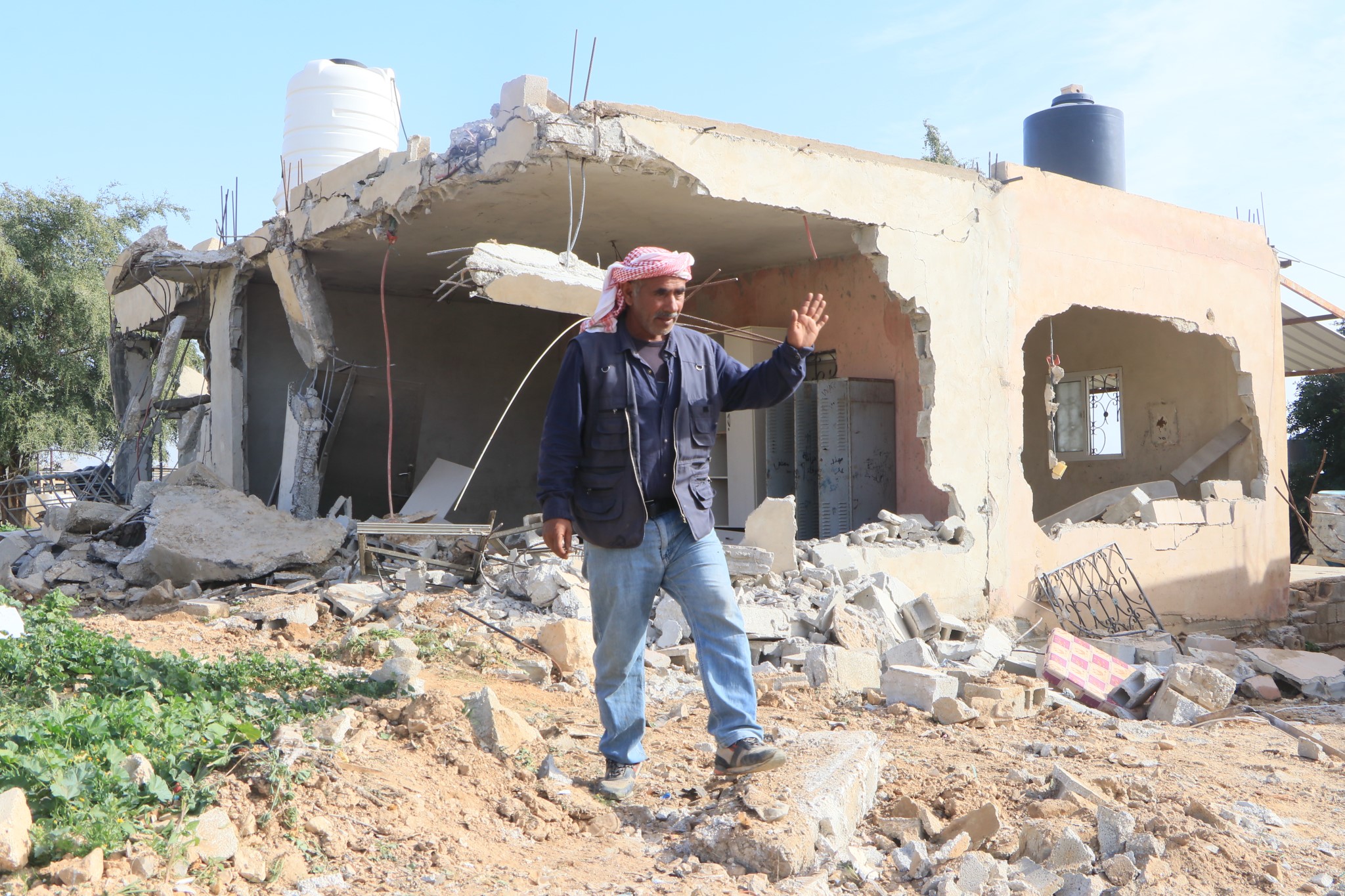
The first major escalation came on February 10, 2026, when dozens of settlers attacked a Palestinian community in the area. Using a bulldozer, they demolished 13 homes over roughly eight hours, according to a joint investigation by Israeli human rights organizations.
The attack took place despite temporary court orders halting the demolition of some buildings. The so-called Civil Administration, an Israeli Occupation body, claimed it had not authorized the operations.
That same day, Israeli Heritage Minister Amichai Eliyahu raided the nearby archaeological site of the Hasmonean palaces and called for the removal of structures he described as an attack on “Jewish heritage.”
Attempts to consolidate control continued in the following months. Shortly before the November takeover, settlers began fencing off around 40 dunams of land and installed a gate blocking access to one of the streets.
Work to connect and prepare the targeted buildings was also underway. The takeover was accompanied by gunfire, stone throwing, and assaults on residents and activists who tried to protect them.
The UN Office for the Coordination of Humanitarian Affairs (OCHA) documented the displacement of at least 15 Palestinian families, comprising more than 80 people, from the Satiha community in Ein al-Duyuk al-Tahta following the November 4 settler attack.
Some families were forced to set up makeshift shelters just hundreds of meters from their homes, as returning became increasingly dangerous. The immediate consequences of the takeover are reflected in testimonies from residents published by Yedioth Ahronoth.
Khalil Badran, a Palestinian from the occupied Jerusalem neighborhood of Silwan who has owned a home in the area for nearly 10 years, said a military checkpoint now prevents him from reaching his property. An Israeli Occupation officer told him he needed permission from the head of the neighboring outpost to enter.
In another account, the Fheidat family said settlers had barred them from accessing 30 dunams of agricultural land, beaten them and sprayed them with pepper spray. They also destroyed crops and greenhouses, depriving the family of its livelihood.
The Israeli military initially said the settlers had entered the area without prior coordination or approval. It then deployed three military companies to secure their presence, including troops previously assigned to counter-smuggling operations along the border with Jordan.
A week later, Channel 12 reported that the Israeli Occupation military had decided to postpone their evacuation. The force stationed near the site was also increased from a small military unit to a full company, even as authorities continued reviewing the buildings’ legal status and demolition orders remained in place.

Who Is Behind the Settlement Project?
The operation is being spearheaded by Nachala, a far-right settler movement led by radical activist Daniella Weiss. The organization works to establish new Israeli settlements in the occupied West Bank in cooperation with the Binyamin Regional Council, which oversees settlements in the central part of the occupied territory.
In a statement released on the day of the takeover, the council said the families had moved into the eight buildings after they were purchased through a covert process. It said Nachala had arranged their accommodation and security, but did not publish the contracts or identify the parties who had transferred ownership.
Statements by those behind the move reveal goals that go beyond the acquisition of specific properties, as Weiss linked the project to the approach of Rabbi Moshe Levinger, one of the most prominent founders of the settlement movement in Hebron, who led efforts to establish an Israeli presence inside the Palestinian city starting in 1968.
Israel Gantz, head of the Binyamin Regional Council and chairman of the Yesha Council, which represents Israeli Occupation settlements, described the move as the beginning of an effort to dismantle the Oslo Accords on the ground by gradually moving settlers into Palestinian homes.
The organizational ties between the two cities are even clearer in the role of Rabbi Uziyahu Sharabaf, a member of Nachala’s leadership and head of the Harhivi association, which is active in acquiring properties in Hebron.
In February 2026, the association announced that it had taken over five homes in the Jabal Jalis neighborhood, east of the Ibrahimi Mosque, claiming they had been purchased from Palestinians.
But the purchase claims have faced serious Palestinian objections. On November 5, 2026, the Palestinian Land Authority said the seized buildings were located in Basin No. 6, on plots 14 and 24. Plot 14 is registered as Palestinian state property, while plot 24 has been registered to its original owners since before 1967.
The authority said no ownership transfer had been recorded at the land registry. It added that it did not have access to the complete registry files and that claims involving sales and powers of attorney were under investigation.
The uncertainty surrounding ownership takes on added significance in light of decisions made by “Israel’s” security cabinet on February 8, 2026, to make it easier for settlers to purchase land in the West Bank. The measures included allowing direct purchases and seeking to eliminate the requirement for prior authorization to complete transactions.
Peace Now, an Israeli anti-settlement organization, warned that weakening oversight could open the door to forgery and property disputes, while giving private groups greater power to impose political and security realities on the ground.
The outpost’s prospects of becoming permanent have also been strengthened by political support. Settlement Affairs and National Missions Minister Orit Strock visited the families after they moved into the area. Eliyahu also visited the site and called for expanding settlements inside the city.
Meanwhile, Haaretz reported, citing security sources, that Maj. Gen. Avi Bluth, head of the Israeli military’s Central Command, had known about the operation in advance, despite the military’s claim that it had been caught off guard.
The case illustrates how a settler organization’s claims of property purchases have translated into a military presence protecting settlers, even before ownership has been resolved or an official decision has been made to establish a new settlement.
A Permanent System of Control?
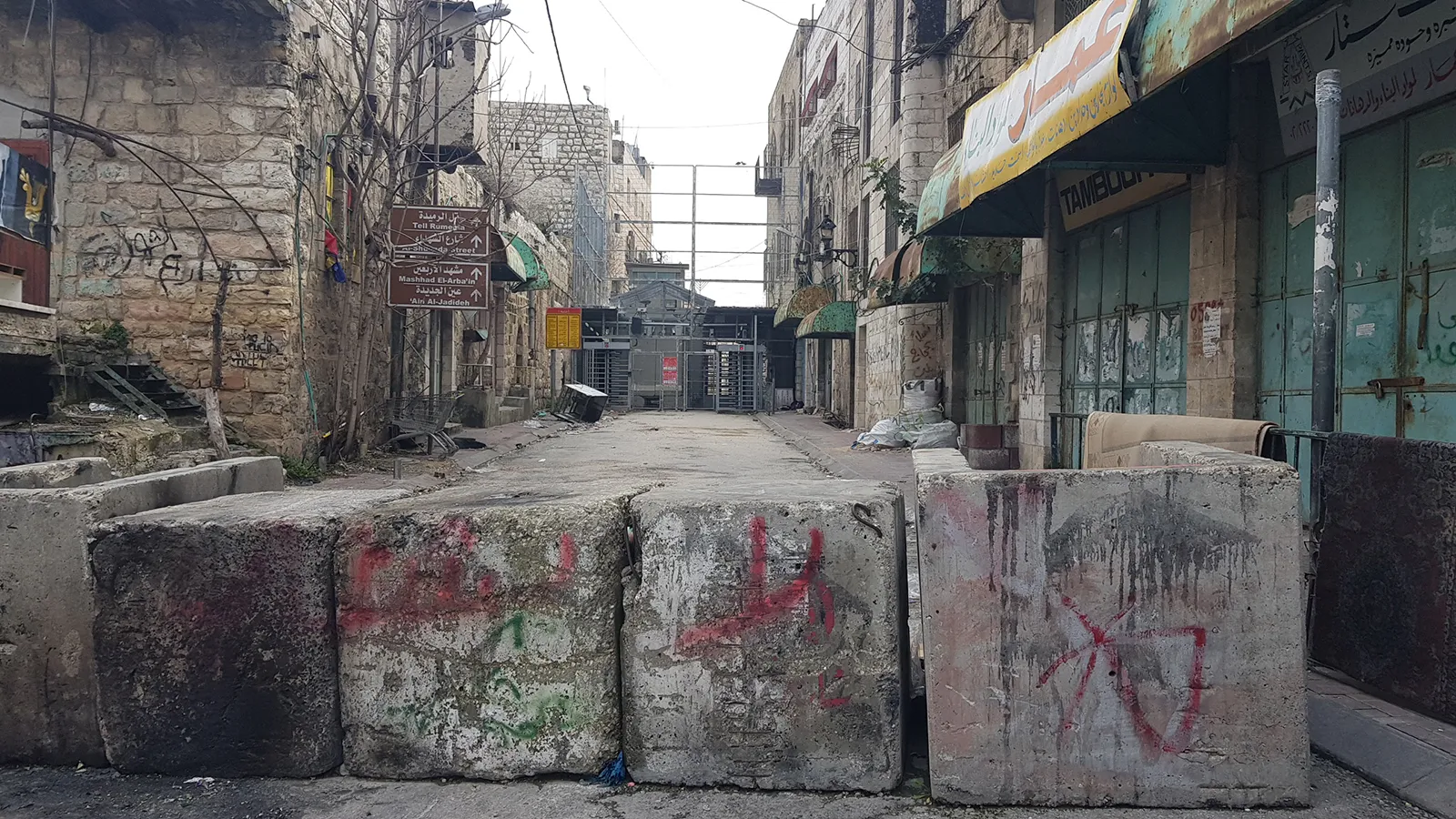
The latest developments in Jericho echo what happened in Hebron, in the southern West Bank, where the presence of small groups of settlers inside Palestinian neighborhoods gradually evolved into an extensive system of military protection, checkpoints and movement restrictions.
Following the 1997 redeployment agreement, the city was divided into two areas, H1 and H2. The Israeli Occupation retained security control over H2, which includes the Old City and the area around the Ibrahimi Mosque. This allowed settlement outposts to expand and become entrenched, alongside measures that segregate residents based on their identity.
According to the UN Office for the Coordination of Humanitarian Affairs (OCHA), H2 had around 34 permanently staffed military checkpoints and 67 other movement barriers as of April 2026. Around 7,000 Palestinians living in its most heavily restricted areas face measures limiting their ability to enter and leave.
Since October 2023, passage through three main checkpoints has generally been restricted to between 7 a.m. and 8 p.m., with access limited to registered residents. Over the years, settlement expansion in Hebron has extended beyond taking over buildings to reshaping civil administration itself.
In June 2026, the Israeli Civil Administration’s Higher Planning Council decided to transfer planning and construction powers over settler-owned properties and several religious sites from the Palestinian Hebron Municipality to Israeli Occupation authorities.
The decision expanded Israeli institutions’ ability to approve settlement projects inside the city, after decades of arrangements that had kept local civil administration under the Palestinian municipality.
There is an important difference between the two cases. The new outpost in Ein al-Duyuk al-Tahta lies in Zone C, near the boundary with Zone A, while settlement activity in Hebron developed under special arrangements imposed by “Israel” on the city.
But the shared danger lies in the burden of protecting settlers being imposed on the Palestinians living around them, through checkpoints, street closures and the expansion of buffer zones. Badran’s case, in which he now needs permission from a settlement official to reach his own home, offers an early indication of how this system could take shape.
The seizure of properties was preceded by Israeli efforts to expand control around the archaeological site of the Hasmonean Palaces west of Jericho. In July 2023, the Israeli Occupation government allocated around 20 million shekels to develop the site as a tourist attraction, as part of broader efforts to use historical sites to strengthen the settlement presence.
On March 25, 2026, the Israeli government approved the legalization of the nearby Maskanot Farm outpost under the name Daia, as part of a package covering dozens of new settlement sites.
Five days later, the Israeli Occupation military issued an order to seize a strip of privately owned Palestinian land to build a road connecting to the Hasmonean Palaces via a route that bypasses Zone A.
The project would give settlers an independent access route, away from roads under the Palestinian Authority’s administration.
In a related development, Yedioth Ahronoth revealed in a field investigation published on November 13, 2026, that another existing road had been reopened. The route begins at the Mitzpe Jericho settlement west of the city and passes through St. George’s Monastery in Wadi Qelt. Settlers control gates along the road to secure access to the new settlement site.
Alon Arad, executive director of the Israeli organization Emek Shaveh, which monitors the use of archaeology in the conflict, said turning the Hasmonean Palaces into a tourist attraction requires roads, facilities and visitor infrastructure. These, in turn, provide the foundations for a permanent settlement presence.
The policy is part of a broader trend documented by Peace Now in August 2026, when the organization reported the establishment of 26 settlement outposts in Zone B.
The group also said Palestinians had been denied access to more than 100,000 dunams of land in Zones A and B because of settler attacks and threats. It further reported the displacement of 19 Palestinian communities in Zone B.
The future of the outpost will depend on Israeli Occupation government decisions concerning the properties, military protection, and surrounding roads. But its impact is already being felt by Palestinians, some of whom have been displaced while others have lost access to their homes and land.
As settlers remain in place, Jericho is moving toward a reality the Israeli Occupation has already imposed in Hebron, where protecting settlement outposts has become a permanent means of controlling the lives of the people who own the land.