Germany: The Vacancy Rate Has Risen to an Unprecedented Level

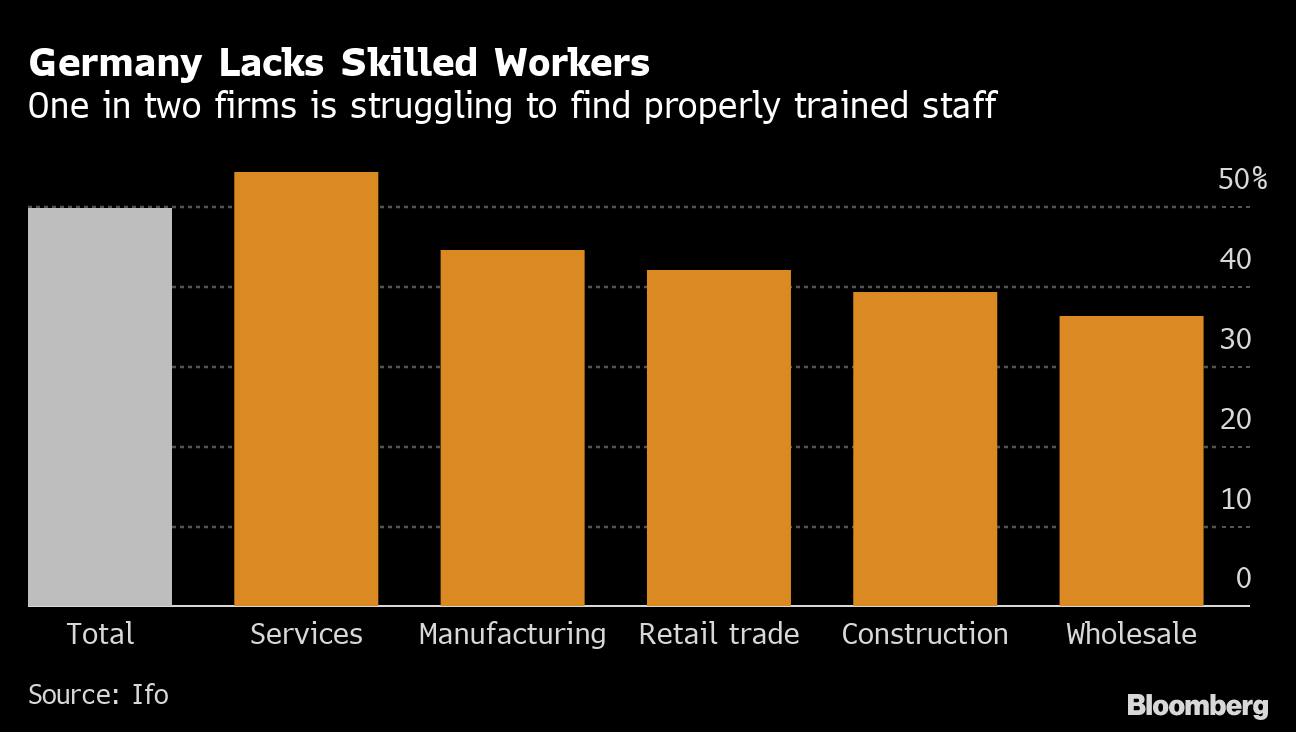
A survey conducted by the German Institute for Economic Research (DIW) showed that Germany's shortage of skilled workers has reached a new high level as half of firms are struggling with insufficient numbers of workers.
The institute said last week that the shortages in Cologne are particularly significant in the sectors of social work, education, care, crafts, and information technology.
The shortage of skilled labor amounted to about 540 thousand skilled workers in all sectors between July 2021 and July 2022. The largest gap was in social work, as there are no unemployed people qualified to occupy nearly 20 600 vacancies, according to the survey.
Grappling With Labor Shortage
Germany, the largest market in Europe, is currently suffering from a high level of labor shortage, threatening half of the companies across the economy, according to a company survey published by the Munich-based ifo Institute.
Ifo labor market expert Stefan Sauer said that "more and more companies are having to cut back on business because they simply can't find enough staff."
"In the medium and long term, this problem is likely to become more severe."
According to ifo, the most affected by this shortage were the service providers, where two in three companies registered staff shortages.
The unprecedented labor shortage reached the entire hospitality sector also, including restaurants, but it was not due to recent layoffs or switching jobs; it was rather the result of "a failure to hire," the survey found.
The German Institute for Economic Research (DIW) said that the number of vacancies reached 1.93 million in the second quarter of this year, pointing out that this number increased by 11% compared to what it was in the first quarter of this year.
When comparing the number to the same time period last year, the number of vacancies in Germany will have increased by 66%.
It is noteworthy that DIW periodically asks companies about their vacancies to complete such monitoring every year.
The institute received responses from about 7,500 employers from all economic circles in the second quarter of this year.
Alexander Kubis, a German expert at DIW, said the number of vacancies rose strongly and reached an unusually high level despite the high risk of recession.
What Lies Behind?
The pandemic seems to have turned the entire labor market upside down as many workers had to work from home and others reduced their working hours.
People started questioning their work-life balance more than ever, and this was the point for many to start looking for other jobs. The shift caused a massive fluctuation in the labor market.
Chairman of the German Federal Employment Agency Detlef Scheele said
in October 2021: "We're currently searching for 1.2 million workers, two-thirds of which are skilled professionals."
Aging also is lying behind the deterioration of the skilled labor sector; according to The Canadian, the working-age population (people between 20 and under 65) will fall by 3.9 million to 45.9 million in 2030, and in 2060, "there will already be 10.2 million fewer people of working age."
The lack of skilled professionals and workers means a lack of innovation and competitiveness, and therefore, prosperity and quality of life.
According to the Prognos research center, there could be a lack of nearly three million skilled workers, researchers, technicians, and medical professionals by 2030.
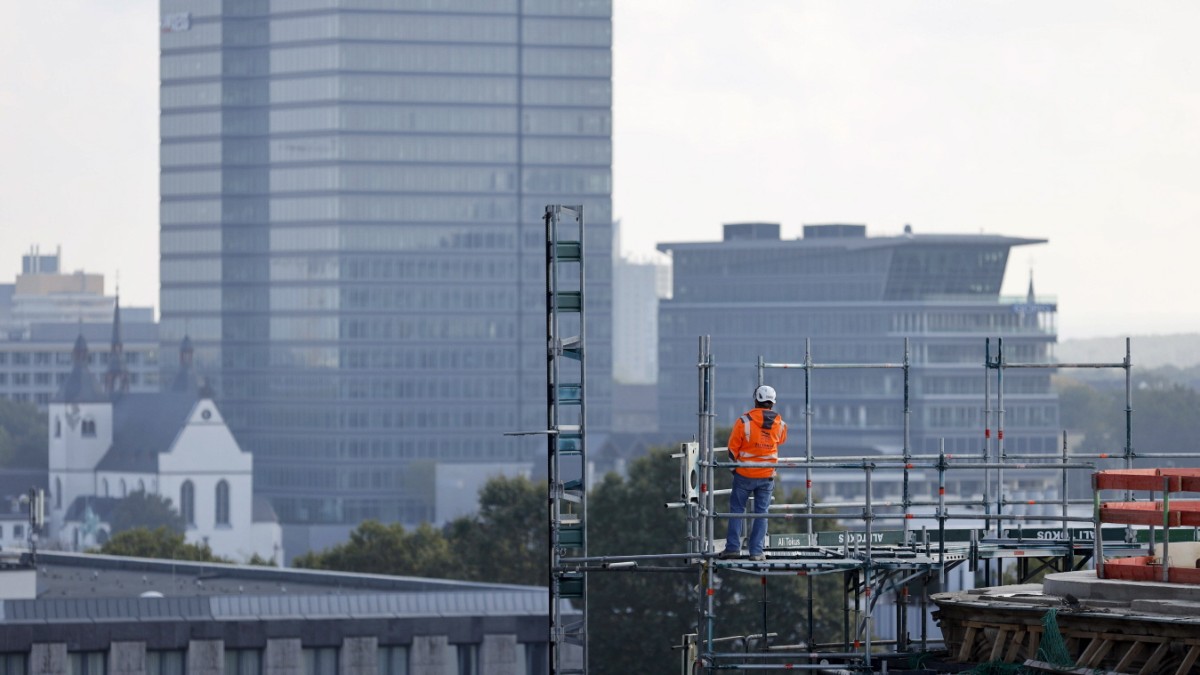
The Federal Ministry of Labor also warns of "a shortfall of qualified professionals," according to the Institute's recent reports.
This shortage will mostly affect "academic professionals in medicine, mechanical and automotive engineering, electrical engineering, IT and software development and programming."
It could also have negative impacts on "electrical installation and assembly, machining technology, plastics processing, pipeline construction, welding technology, mechanical engineering, healthcare, sick and elderly care." The Canadian revealed.
To Fill These Gaps
Because of demographic development, protecting the need for skilled employers in Germany is one of the greater challenges of the near future for all actors within politics, science, and business.
The industry association DEHOGA said it is important to simplify immigration rules so that the refugees could be better integrated into the labor market. DEHOGA President, Guido Zoellick, said: "We now need fast and pragmatic measures to recruit employees."
Minister of Labor Hubertus Heil and Minister of the Interior Nancy Faeser are suggesting lowering the recent graduates' income who apply for a blue card allowing them to work in the country, and therefore to make it easier for well-educated young people to start their careers in Germany.
The future of the economy in Germany strongly depends on how well the skilled labor base can be protected and developed.
This is why the federal government has presented an approach to secure skilled workers to grow constantly.
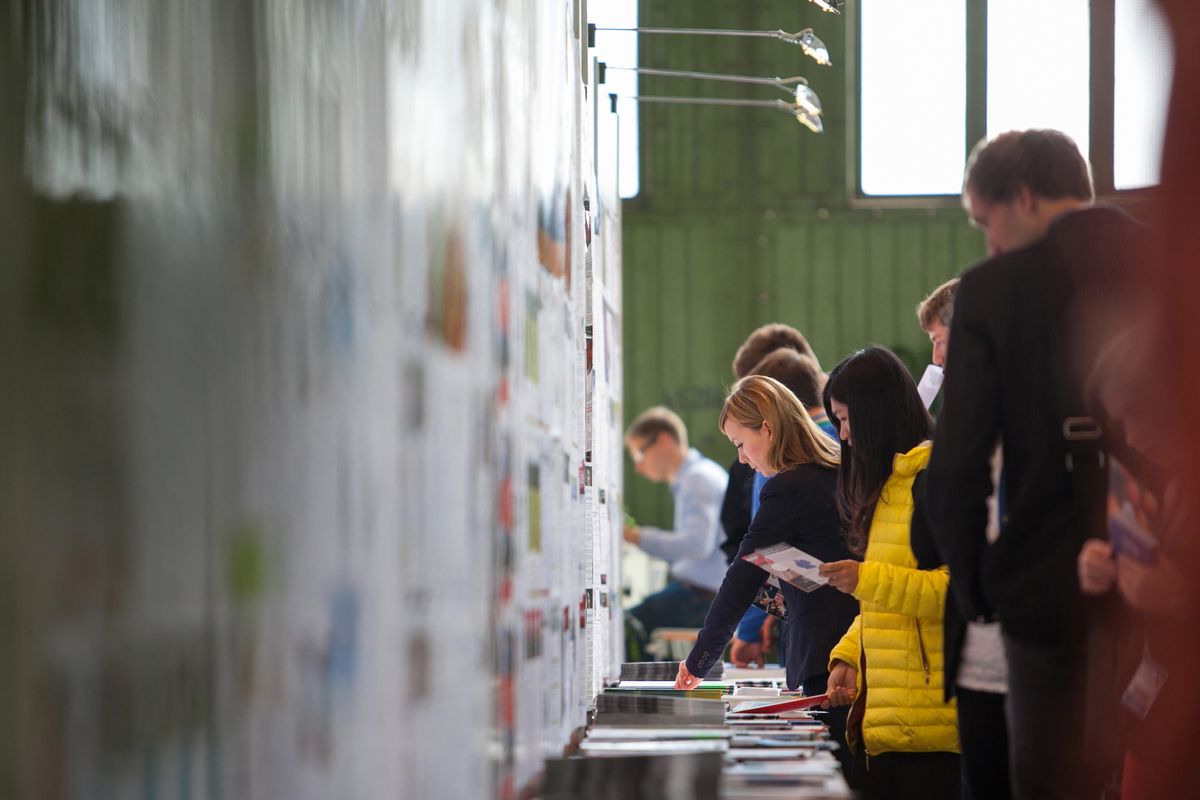
Hamza Guenouni, a researcher at Kent University, said to Al-Estiklal that "Although there is a massive shortage of laborers, the number of temporary workers coming from countries outside the European Union registered in Germany has more than tripled over the past decade; Germany is still thirsty for labor and hiring qualified professionals from abroad is an essential aspect of securing enough skilled workers."
"Now, it is easier to access the German labor market after the Skilled Immigration Act was passed in 2020; non-EU citizens with professional qualifications can easily enter the German market," he added.
Doors are open now to any profession, no matter whether the job is in high demand or not, according to the researcher.