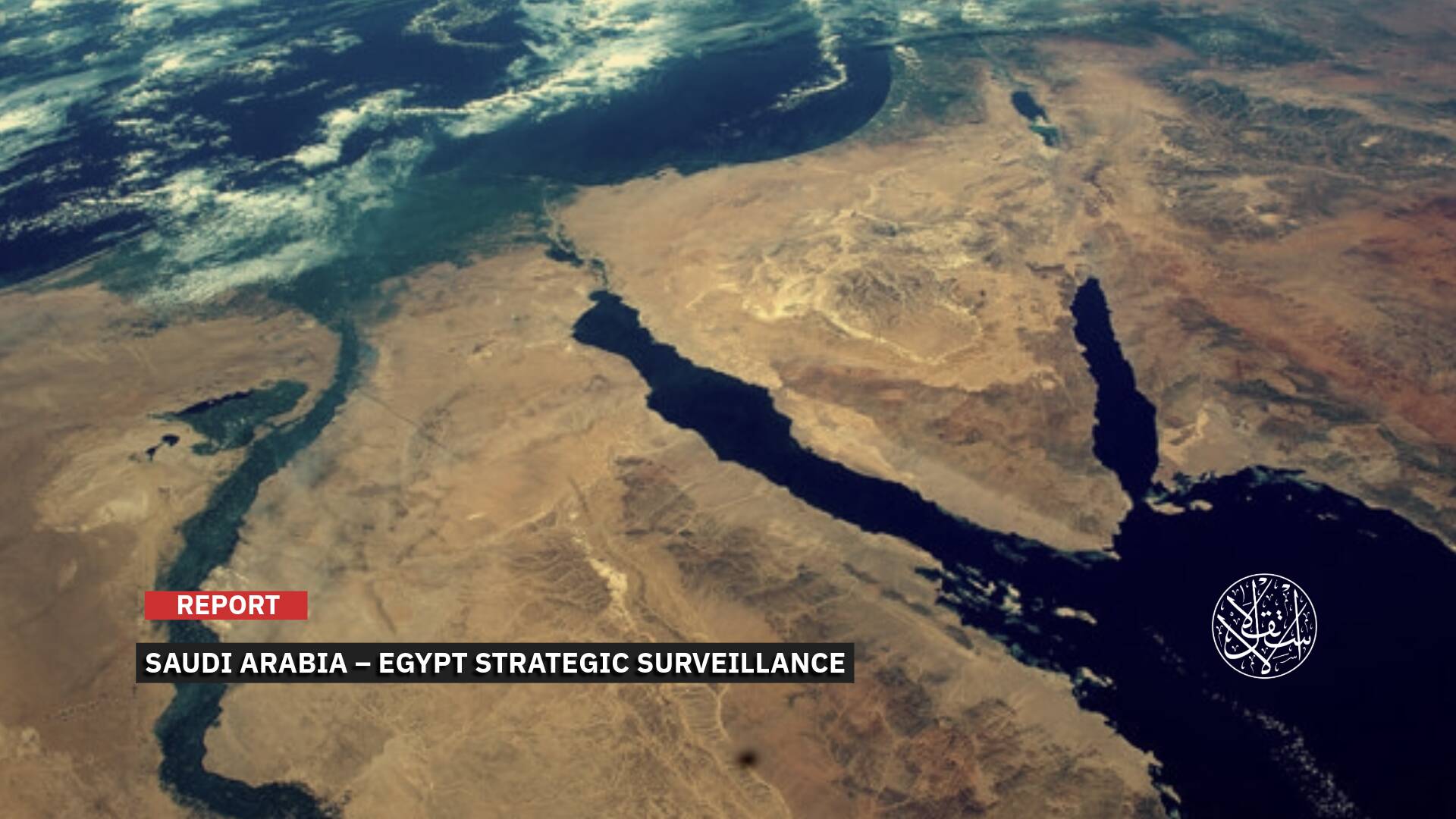
Between Security Normalization and a Preemptive Strike: Why Is ‘Israel’ Clinging to Syrian Jabal el Sheikh?
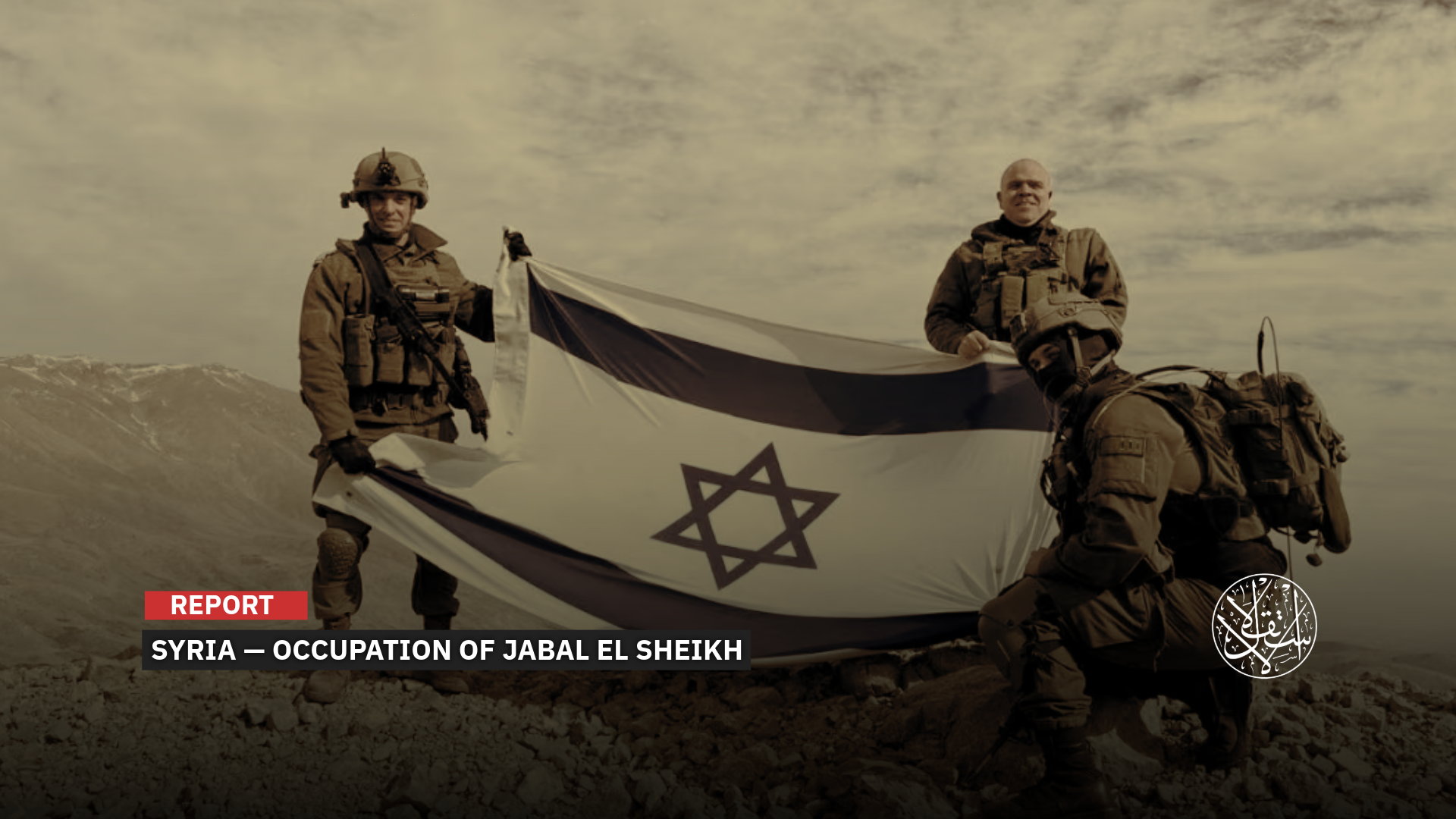
“Israel” is trying to push Damascus to speed up the security arrangements.
Amid rapidly shifting regional dynamics and Washington’s efforts to redraw influence maps in the Middle East, “Israel” now appears increasingly uneasy about the nature of the new rapprochement between a “new Syria” and the United States.
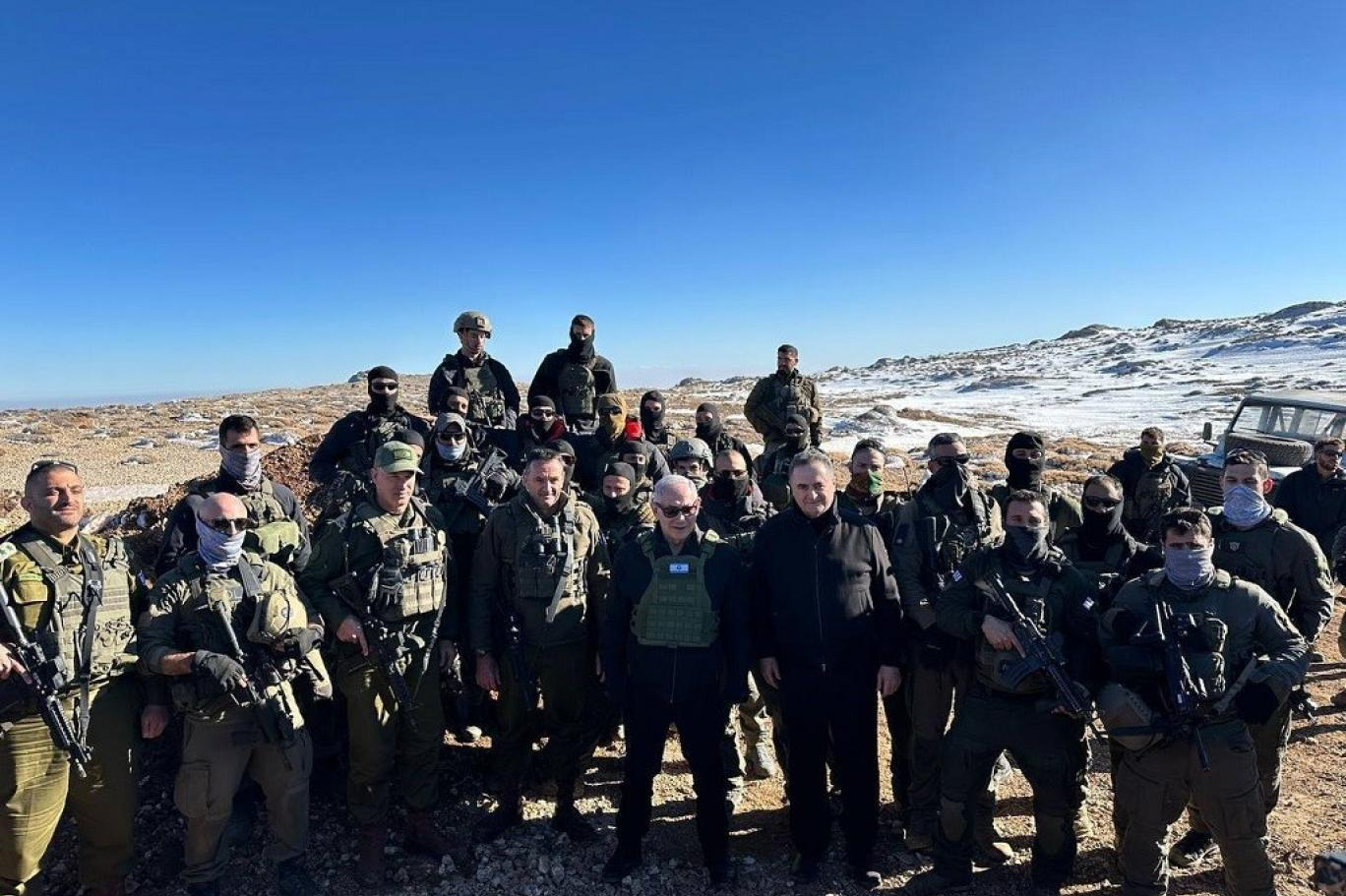
This anxiety was reflected in statements by the defense minister of the occupation government, Israel Katz, who insisted that Israeli forces would not withdraw from the summit of Syrian Jabal el Sheikh and would remain in the “security zone” in southern Syria.
The Occupation of Syrian Jabal el Sheikh
Katz added in a post on the platform X on November 16, 2025, that “Israel’s policy is clear, based on preventing the establishment of a Palestinian state, and the army will remain stationed on the summit of Syrian Jabal el Sheikh and in the security zone.”
Relations between "Syria" and "Israel" had long been governed by the disengagement agreement signed with Hafez al-Assad’s regime in 1974, until "Tel Aviv" announced, immediately after the fall of Bashar al-Assad’s government on December 8, 2024, that it would no longer recognize the pact.
Following the annulment of the disengagement agreement, "Israel" occupied Syrian Jabal el Sheikh and several villages extending more than 25 kilometers into Syrian territory, adding these areas to the Golan Heights, which have been under "Israeli" control since 1967.
Jabal el Sheikh, holds considerable geographical significance. It sits on the border between "Syria" and Lebanon, overlooks the occupied Golan, and is also visible from Jordanian territory.
The recent statements by "Israeli" Defense Minister Israel Katz, asserting "Tel Aviv’s" determination to remain on the summit of Syrian Jabal el Sheikh, appear to go beyond mere security concerns.
They reflect deep political anxieties that the U.S. opening towards "Syria’s" new leadership, following the ousting of Bashar al-Assad, could reshape the southern Syrian landscape in ways that threaten "Israel’s" strategic privileges in the Golan and its surroundings.
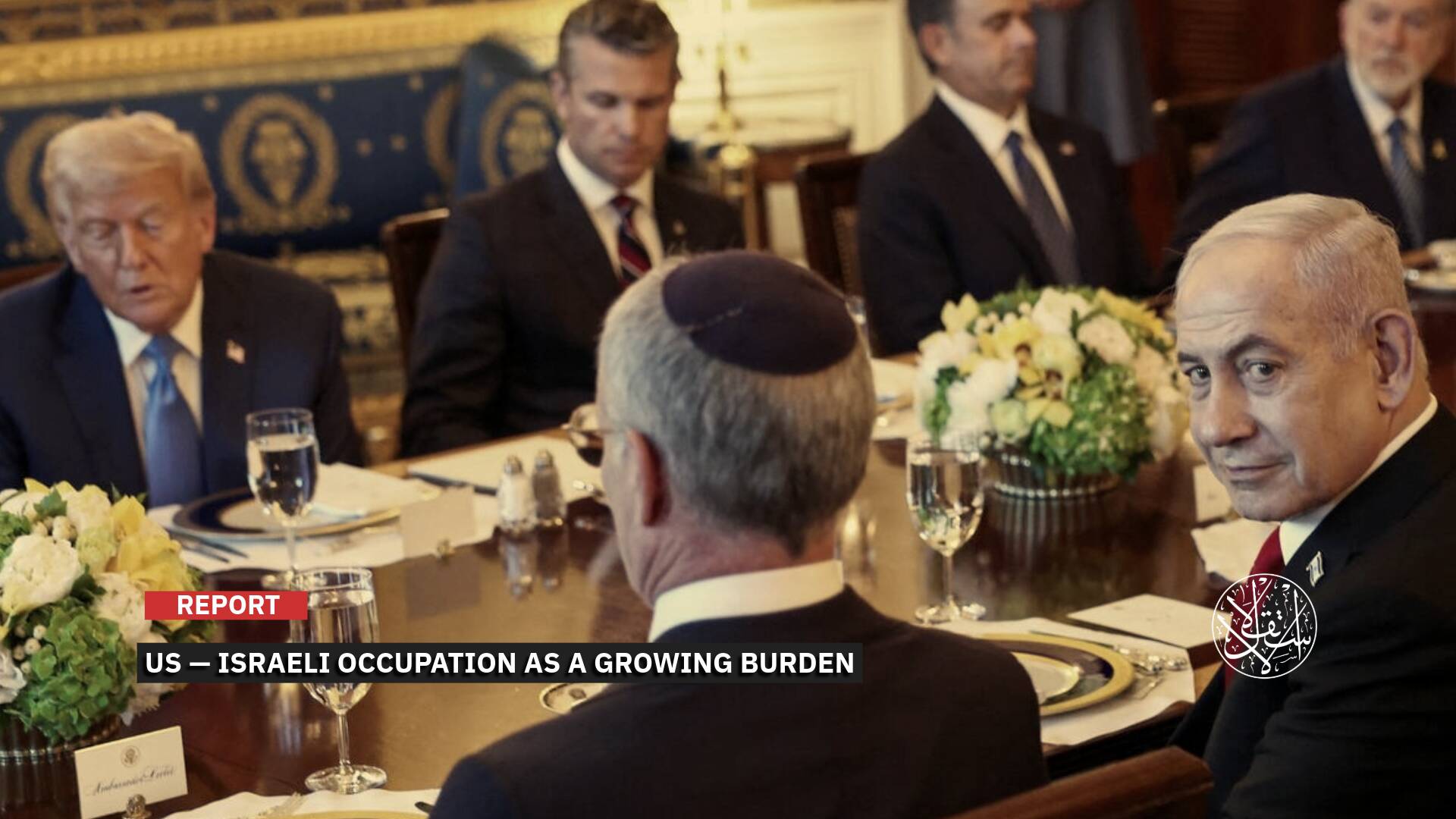
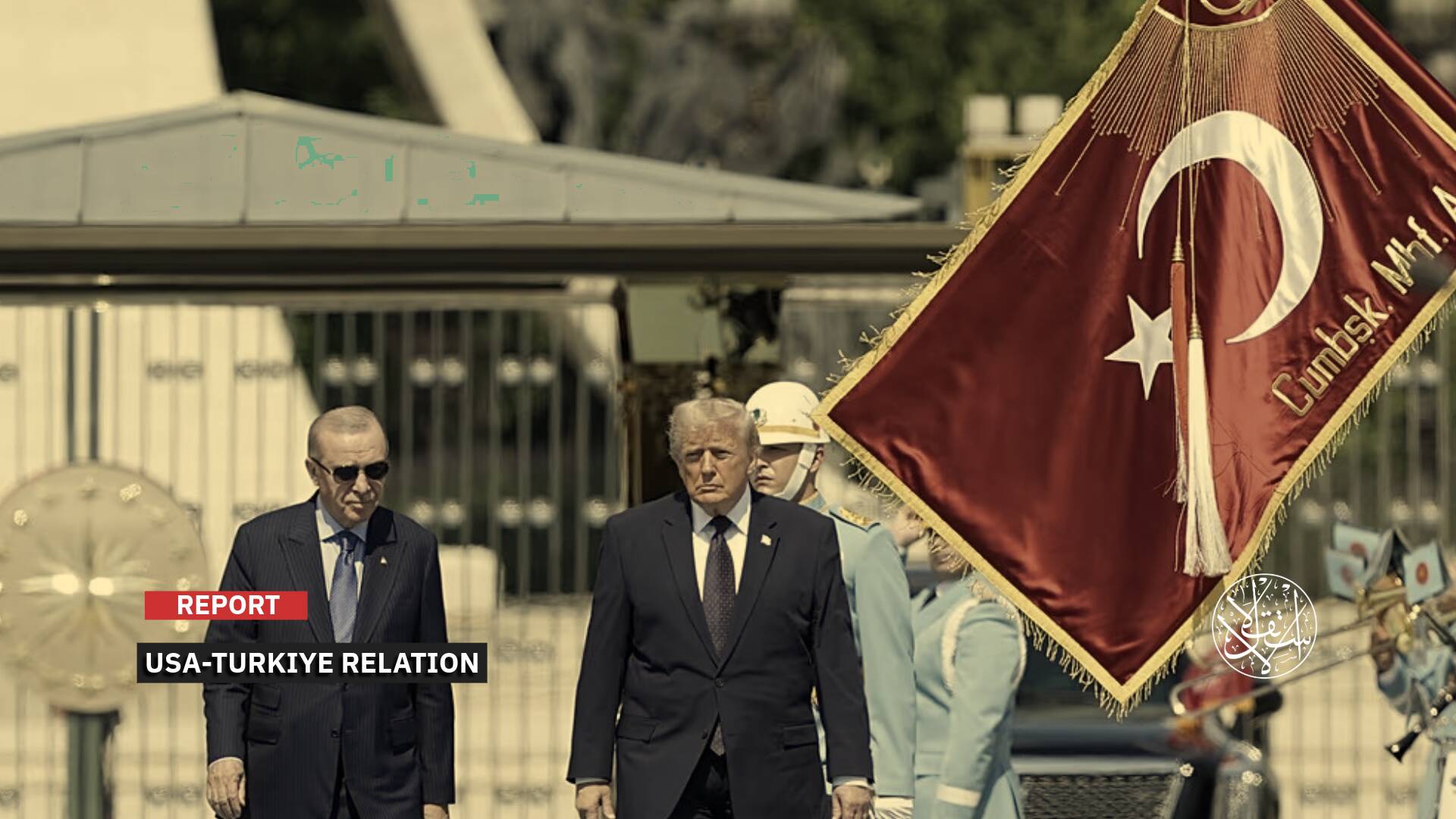
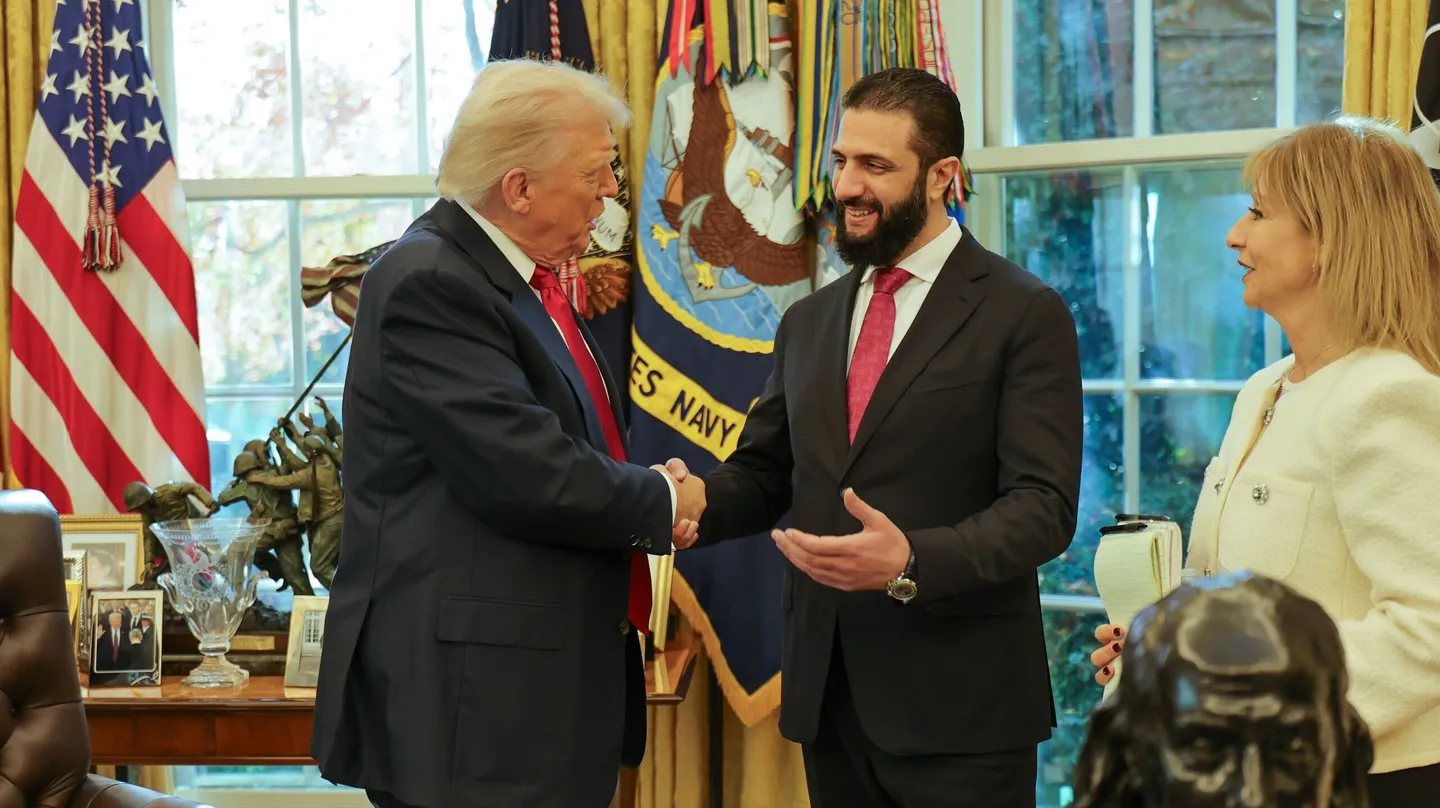
U.S.-Syrian relations have improved notably, culminating in President Donald Trump hosting transitional Syrian President Ahmed al-Sharaa at the White House on November 10, 2025.
The meeting resulted in "Syria" officially joining the U.S.-led international coalition against the Islamic State on November 13, 2025, becoming its 90th member in a strategic shift that redraws regional and international alliance maps.
Katz’s insistence that "Israel" remain on Syrian Jabal el Sheikh raises questions about the motives behind this stance at a time when diplomacy between Washington and Damascus is accelerating.
Meanwhile, "Israel’s" continued occupation of one of the Middle East’s most sensitive strategic points is seen by analysts as a potential threat to the stability of “New Syria.”
"Israeli" media, including Yedioth Ahronoth, reported that "Tel Aviv" fears possible pressure from Trump to withdraw from the southern Syrian Jabal el Sheikh area, which it seized after al-Assad’s fall.
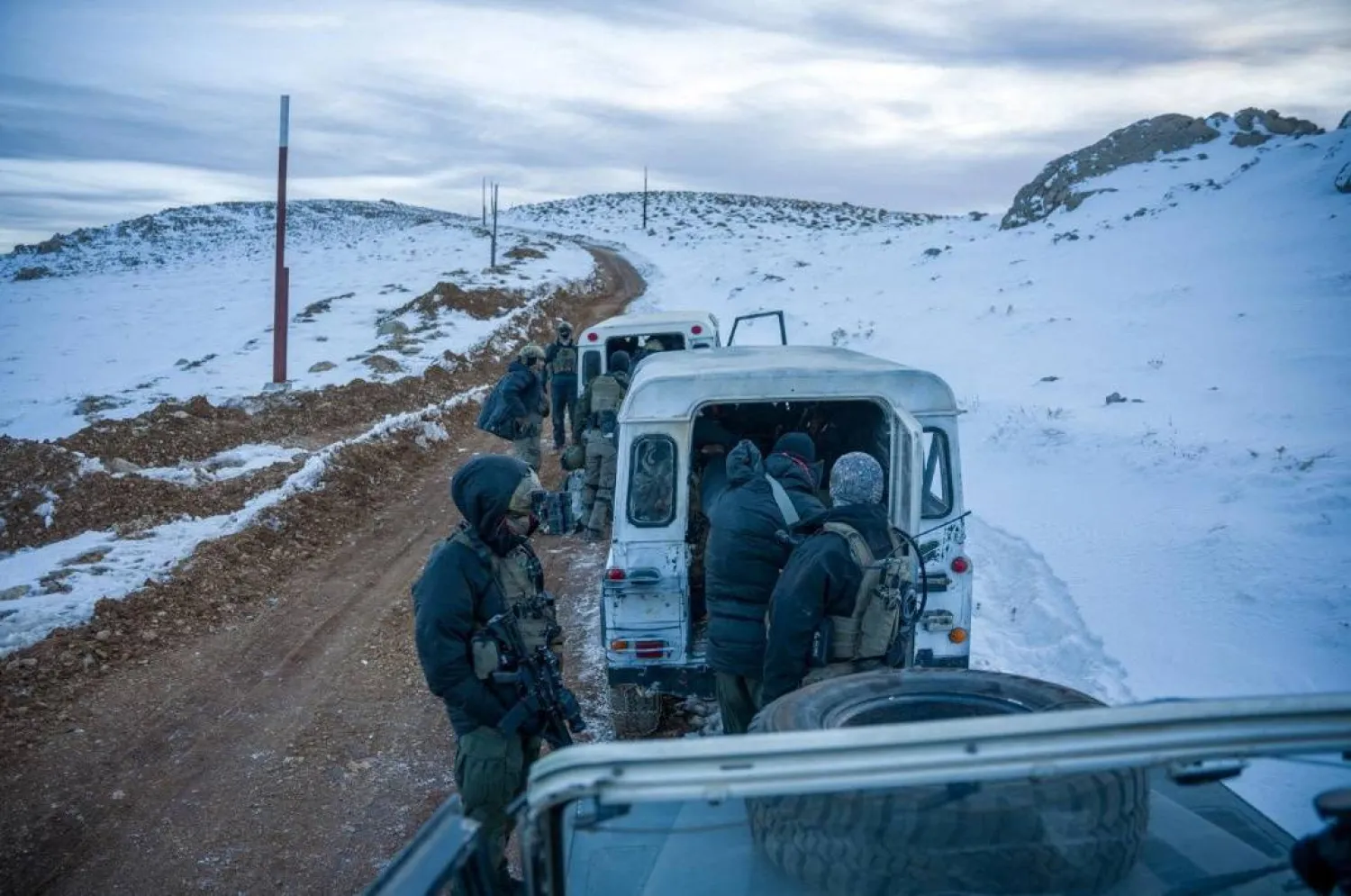
On November 15, 2025, the newspaper documented Israeli bulldozers advancing on the road to the summit at 2,800 meters to repair two military sites, signaling that the current winter would not be the last for the Israeli Occupation Forces in the area.
The report added, “In Washington and Damascus, the view may differ, especially following the historic reception of Syrian President Ahmed al-Sharaa at the White House.”
It also noted that recent contacts between Damascus and "Tel Aviv" have so far yielded no results, referring to meetings between Syrian Foreign Minister Asaad al-Shaibani and former "Israeli" strategic affairs chief Ron Dermer in Paris and London.
According to the newspaper, these discussions aim to negotiate a new agreement to replace the 1974 "Israel"-Syria separation-of-forces pact, which "Tel Aviv" unilaterally declared void after the fall of al-Assad’s regime.
Preemptive Strike
Notably, the Israeli Broadcasting Corporation reported on November 17, 2025, that negotiations with "Syria" had reached a deadlock, despite efforts by international mediators to broker a security agreement between "Israel" and the new Syrian government based on the 1974 pact.
The broadcaster added that "negotiations with Syria froze after a disagreement over withdrawal from southern Syria," the areas into which Israeli Occupation Forces advanced after December 8, 2024, following the fall of Bashar al-Assad’s regime.
It noted that "Israel does not wish to sign a security agreement, but a peace agreement with Syria," clarifying that the government in "Tel Aviv" had offered to withdraw only in the event of a comprehensive peace deal with Damascus.
The broadcaster also confirmed that "Israel rejects al-Sharaa’’s request to withdraw from the areas it occupied after al-Assad’s fall."
According to Yedioth Ahronoth, the Israeli security establishment urged Netanyahu not to pull back from Syrian Jabal el Sheikh, as it provides "broad surveillance of the occupied Golan and the smuggling routes of weapons from Syria into Lebanon," the newspaper reported.
From the summit, rising approximately 2,800 meters, Israeli troops are consolidating positions in a display that, according to observers, sends a dual message to both Damascus and Washington: this is a red line that is non-negotiable.
The central question remains: why has Syrian Jabal el Sheikh become a new strategic pivot in U.S.-Syrian-"Israeli" relations?
Israeli circles suggest that U.S.-Syrian rapprochement could open the door to new security arrangements that restore some sovereignty to Damascus, while "Israel" seeks to entrench its military presence under the pretext of "guaranteeing the security of the Golan" and monitoring Hezbollah movements along the Lebanese border.
Meanwhile, Damascus describes the mountain as "sovereign territory that cannot be conceded," and insists it is willing to return to the 1974 disengagement agreement on "enhanced conditions" that ensure broader U.S. oversight in enforcing the ceasefire.
In this context, Brigadier General (ret.) Abdullah al-Assad, head of the Syrian Rasd Centre for Strategic Studies, told Al-Estiklal that "statements by Israeli Defense Minister Katz clearly reflect a desire to preemptively strike against the successful and ongoing U.S.-Syrian communications."
Al-Assad added that "Israel is seeking to pressure Damascus to expedite security arrangements that serve only its own interests, arrangements being negotiated through mediators between Syria and Israel to reduce tensions and curb escalating Israeli violations."
He observed that "Israel does not wish to withdraw from the Syrian Jabal el Sheikh observation post, as it has established a new security operations area beyond the border separation zone, and does not want Syrian forces inside it, regarding it as a potential staging ground for operations just beyond the buffer zone."
Al-Assad noted that there is clearly "an extreme sensitivity within the Israeli security establishment toward any Syrian-American rapprochement that could result in arrangements diminishing Israel’s security influence in the south."
For this reason, he said, "New Syria is relying at this stage on patience in negotiations, avoiding provocation, and aiming for a limited security agreement that halts unilateral Israeli attacks."
Search for a Formula
Amid shifting regional dynamics and internal instability in "Israel," Syrian Jabal el Sheikh in Syria has become more than just a strategic high point.
According to experts, it now serves as a benchmark for how willing "Tel Aviv" is to adapt to a new regional order, driven by cautious U.S. engagement with Damascus, while rejecting any territorial concessions that could be interpreted as backing down from its "red lines."
Yohanan Tzoreff, senior researcher at the Israeli Institute for National Security Studies, told television audiences that "if there is progress in U.S.-Syrian relations, Israel wants to be reassured that the situation inside Syria is stable and that the new regime in Damascus does not pose a threat to Israel."
"The problem in Syria is not the regime itself, but its capacity and instability. There are other actors that could threaten the ruling authority, and so far it has not proven capable of overcoming these challenges. This justifies Israel’s presence on Syrian Jabal el Sheikh and in other areas."
"I do not believe Israel intends to remain on the summit of Syrian Jabal el Sheikh for a long period; it wants to return to the 1974 disengagement agreement to maintain security between the parties. What is happening now is an Israeli effort to navigate the political changes in Syria to ensure stability. The aim is to reach an equation that provides reassurance before withdrawing to the 1974 lines," Tzoreff said.
In an interview with Fox News on November 10, 2025, Syrian President Ahmed al-Sharaa said he would not enter direct negotiations with "Israel" at present.
He emphasized that Syria’s situation is entirely different from that of the countries that joined the "Abraham Accords," pointing out that "Israel" continues to occupy Syrian territory since 1967.
Al-Sharaa added, "Perhaps the United States could play a mediating role through the Abraham Accords framework in the future, but this is not currently on the table."
Earlier, the U.S. envoy to Syria, Tom Barrack, denied reports that security talks between Syria and "Israel" had collapsed, stating, "It is not true that the security agreement fell apart at the last moment."
"Israeli" forces entered Syrian territory after the fall of al-Assad’s regime on December 8, 2024, and continue to carry out near-daily violations along the Syrian border, including incursions that at times involve arrests and killings of Syrian civilians.
Sources
- Defense Minister in the occupation government: the army will remain on Mount Hermon and in the security zone. [Arabic]
- Israeli Broadcasting Authority: negotiations with Syria have reached a deadlock. [Arabic]
- "Israel" orders its army to remain on Mount Hermon overlooking Damascus during the winter. [Arabic]
- Al-Sharaa meets Trump at the White House to discuss bilateral relations and ways to develop them. [Arabic]