Algeria Cuts Its Diplomatic Relations with the UAE: What Is Happening?
“The UAE plays a destructive role in the Arab Maghreb and Mashreq, and beyond.”
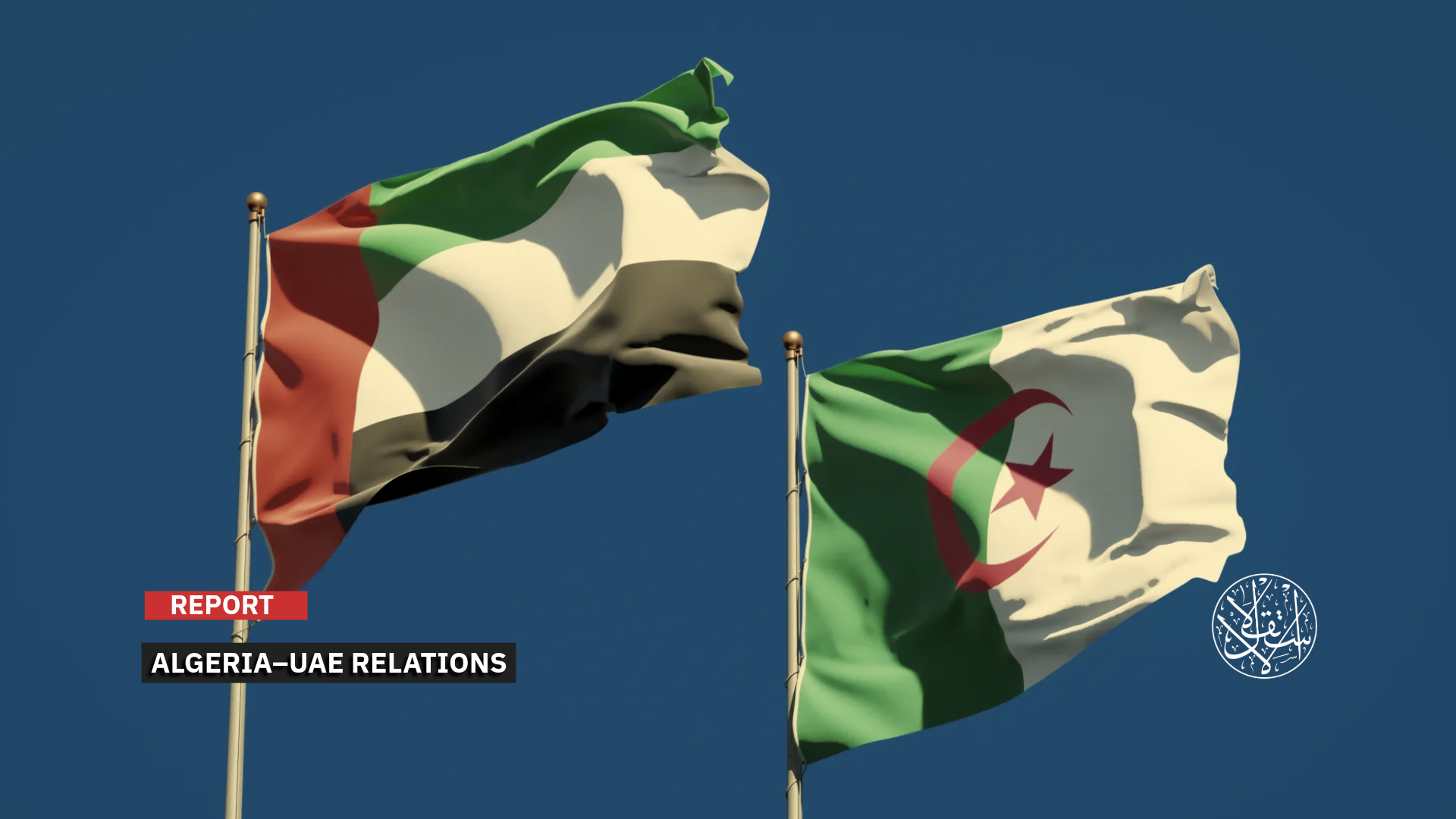
Capping a series of crises, tensions, and heated statements, Algeria has announced the severance of diplomatic relations with the United Arab Emirates (UAE).
A statement issued by the Algerian Ministry of Foreign Affairs on September 10, 2026, indicated that the move followed what it described as the exhaustion of all means to preserve bilateral relations, alongside mounting provocative or hostile actions by the UAE.
Strained Context
The statement noted that "Algeria has exercised great restraint and a high sense of responsibility. Guided by a spirit of full respect for the principles governing relations between states, it spared no effort to draw the UAE's attention to—and warn it of—the dire consequences that could stem from its regrettable and unjustified conduct."
It continued: "Despite these numerous warnings, the UAE persisted in these actions, reaching a point where they could no longer be considered acceptable or tolerable within the framework of relations between two sovereign states, nor could they go unanswered."
The statement added that having exhausted all avenues to maintain bilateral relations, the Algerian government has decided, as of today, to sever diplomatic relations with the UAE.
The Algerian Foreign Ministry explained that "the UAE ambassador was received at the Ministry of Foreign Affairs headquarters, where he was officially notified of the decision and given a 48-hour deadline to comply."
This rupture follows months of clearly deteriorating relations between the two countries, evidenced by various measures and political statements.
In January 2026, reports emerged regarding the possibility of Algeria severing ties with the UAE, linking this to Algerian accusations that Abu Dhabi was playing a destabilizing role in neighboring countries, including Libya, Mali, and Sudan.
In February 2026, Algeria initiated procedures to terminate the air transport services agreement signed with the UAE in 2013.
While Algerian authorities did not officially disclose the reasons for this move at the time, it occurred amidst escalating tensions between the two nations.
That same month, Algerian President Abdelmadjid Tebboune criticized the interference of what he described as a mini-state in Algeria's affairs, as well as its attempts to destabilize the country and meddle in electoral processes.
Tebboune stated, "Do not make us regret the day we met you," without explicitly naming the UAE; however, Algerian media widely interpreted these remarks as being directed at Abu Dhabi.
Emirati Response
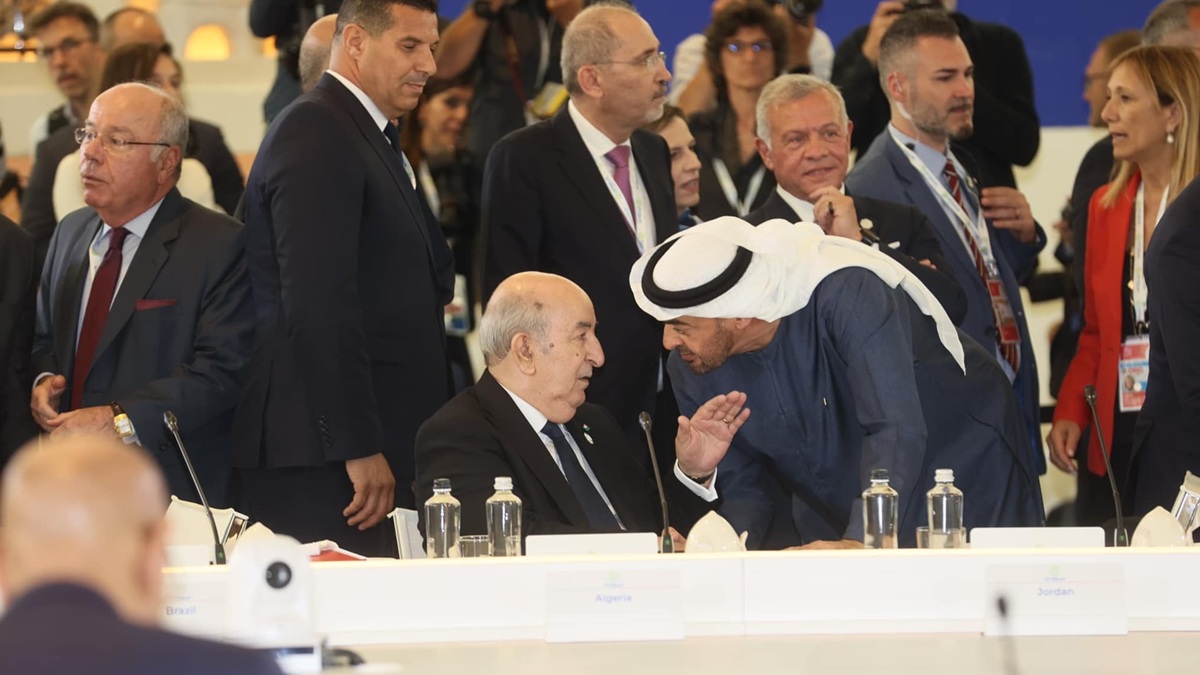
The first Emirati response to the Algerian move came from Anwar Gargash, the diplomatic advisor to the UAE President.
He asserted that "diplomatic relations are managed through reason, communication, and clarity of interests—not through riddles and signals that require decoding."
In a post on X, Gargash emphasized that "relations between the two countries cannot be held hostage to internal tensions or an inability to articulate interests and define priorities."
The Emirati diplomat continued: "Ambiguity is not a policy, and noise cannot compensate for a lack of vision; successful diplomacy is grounded in clear positions and the effective management of interests and differences. Anything else is merely an expression of a lack of vision and poor management."
At the official level, the UAE Ministry of Foreign Affairs expressed its appreciation for its relations with all nations and its commitment to strengthening them, voicing hope that this decision would prove temporary so as to preserve the fraternal ties between the two brotherly peoples.
In a statement issued on September 10, the UAE Foreign Ministry emphasized its constant commitment to developing and strengthening these relations in a way that serves mutual interests and fosters understanding, cooperation, and prosperity.
It also affirmed the UAE’s appreciation for the brotherly Algerian people and its pride in the bonds uniting the two peoples—particularly regarding the Algerian community residing in the country and visitors—as well as its commitment to maintaining and bolstering these ties and shared interests.

Interconnected Factors
Algerian media outlets, including the Ultra Algeria website, have asserted that the trajectory of Algerian-UAE relations must be understood through a combination of accumulated factors rather than a single cause.
In an analysis published on September 10, the website explained that a primary factor is the divergence of views regarding the UAE’s regional role—specifically in Libya and the Sahel—two issues Algeria considers directly linked to its national security.
It continued: "Disagreements have also emerged regarding regional alliances, including the UAE’s relationship with Israel and its stance on various crises in the region."
Furthermore, the same source noted: "In recent years, political and media accusations have surfaced in Algeria alleging attempts to influence internal affairs—accusations that must be treated as political stances or allegations unless substantiated by evidence or judicial rulings."
The website notes that the most sensitive factor for Algeria is the issue of national security, sovereignty, and non-interference in internal affairs—principles that lie at the heart of Algerian foreign policy.
Politically, the decision signifies an end to formal diplomatic relations between Algeria and Abu Dhabi, as well as the associated channels of representation and direct communication between the two governments.
Economically, the analysis suggests that attention will focus on the future of existing Emirati investments and partnerships in Algeria, and the extent to which they might be affected by measures the authorities could take subsequently.
It emphasized that the decision raises questions regarding the status of consular matters, the movement of citizens, economic cooperation, air transport, and other areas previously governed by bilateral frameworks and agreements.
The site concluded that, at the regional level, this rift occurs amidst intensifying competition for influence across North Africa and the Sahel, lending the Algerian decision dimensions that extend beyond the bilateral relationship between the two nations.

Mixed Reactions
Meanwhile, former Tunisian Foreign Minister Rafik Abdessalem reacted to the Algerian decision, stating: "The UAE plays a destructive role in the Arab Maghreb and Mashreq, and even beyond that."
In a post on his Facebook account on September 10, Abdessalem added: "It is the source of the woes plaguing Arab revolutions and regional stability. Therefore, regardless of our reservations regarding Algeria’s unconditional support for Kais Saied, we cannot—under any circumstances—side with Abu Dhabi."
He continued: "We are not the type to play both sides—placing one foot in Algeria and the other in Abu Dhabi—in the manner of the occupant of Carthage."
For his part, former Algerian diplomat Mohamed Larbi Zitout expressed his support for the move to sever ties with the UAE.
Zitout, an opposition figure currently residing in London, stated in a Facebook post on September 10: "General Said Chengriha’s regime has finally moved to sever relations with the Bin Zayed regime."
He described the move as a step in the right direction, albeit very late.
Zitout added: "We had called for severing these ties since the popular movement more than seven years ago—specifically in 2019," noting that the movement adopted this call and echoed it across Algeria.
He further remarked that "the UAE has become a poisoned dagger in the heart of Muslim nations and their peoples; the crimes committed by the sons of Zayed in Yemen and Sudan bear witness to this, and Libya is a prime example."
In his assessment of the move, Algerian activist and political analyst Anwar Malek emphasized his personal opposition to the policy of severing diplomatic relations between Arab states, particularly when conditions exist for containing crises.
Malik explained to Al-Estiklal that "any Arab announcement severing diplomatic relations with another Arab party is painful, regardless of the parties involved in the dispute or disagreement."
He highlighted the strategic importance of unity, accord, and cooperation among Arab and Islamic nations, asserting that disputes—no matter how severe—should be managed through dialogue and diplomatic means in a way that preserves mutual interests and respects the security and sovereignty of all parties.
In this context, Malik pointed to the events involving Algeria and Morocco, where the decision to sever ties originated with Algeria, as well as the current situation between Algeria and the UAE, where the decision to cut relations has—thus far—also come from the Algerian side.
He described these developments as unfortunate, noting that they serve no party's interests and yield no true victory; instead, they foster further division, deepen rifts, and weaken joint Arab action.
Malik concluded by observing that "the world around us is forming blocs, building partnerships, and overcoming differences through shared interests and dialogue; Arabs, therefore, ought to manage their disputes with wisdom and open the doors to understanding, rather than burning bridges."