After Casinos and Gambling Halls, Why Did the UAE Legalize Betting?

“Casinos and the large amounts of cash they generate raise the danger of money laundering.”
There is a striking contradiction at play. While the United States tightly restricts gambling and betting platforms and sharply limits their advertising, the United Arab Emirates is moving in the opposite direction, racing to legalize gambling, sports betting, and related digital platforms.
The latest step came on December 12, 2025, when Abu Dhabi launched a licensed website for sports betting and online gaming, openly promoting activities long prohibited under Islamic law. This followed an earlier revelation by Bloomberg in October 2024 that Wynn Resorts had secured the UAE’s first license to operate a commercial casino, a move that directly contradicts Abu Dhabi’s repeated claims that Islamic law remains the foundation of its legal system.
At the heart of this shift is a clear economic formula. The UAE is pursuing an open-ended model designed to attract all forms of capital, no matter the source, while maintaining a conservative moral discourse that functions largely as a political and legal shield. In practice, that moral language is selectively enforced, used less to regulate markets than to discipline dissent at home, even as casinos, betting platforms, and vast flows of cash become an increasingly central part of the country’s economic strategy.
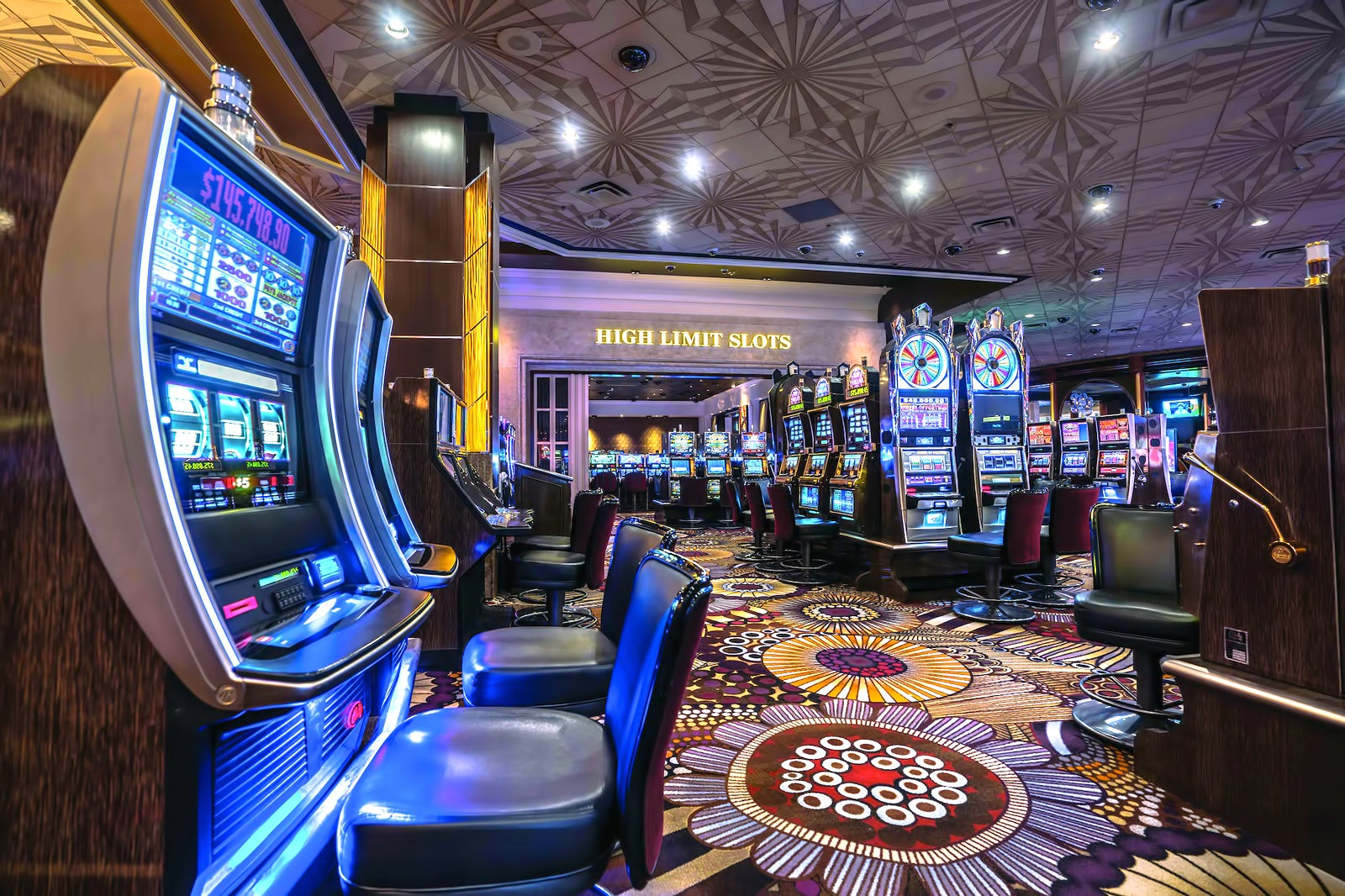
Why Legalize Betting?
Sports and financial analysts say one of the main drivers behind the UAE’s decision to legalize gambling and sports betting is simple: opening the floodgates to money of every kind, licit or illicit, including proceeds linked to drugs and money laundering.
Even in Western countries that place little weight on religious or moral restrictions, gambling is not a free-for-all. In the United States, for example, betting remains tightly regulated, banned outright in many states, and only cautiously expanded after years of political and legal resistance.
The UAE, by contrast, is racing in the opposite direction. It is rewriting its laws to formally permit gambling and sports betting, positioning itself as a magnet for betting companies and capital from around the world.
An Egyptian economist describes this shift as rooted in the UAE’s core economic philosophy. The country, he says, sees itself less as a state and more as a giant marketplace. Without a constant flow of money, the doors close. From this perspective, Abu Dhabi treats the hunt for capital as an opportunity to keep its economic engine running and to outcompete regional rivals, especially by tapping into the vast revenues generated by betting, casinos, and financial gray zones.
That appetite for foreign money has gone hand in hand with transforming the UAE into an entertainment hub, promoting what could be called an economy of pleasure and leisure, one that systematically strips away social and religious restrictions to make the country more appealing to global capital.
Foreign reports suggest that this turn is also driven by a desire to diversify the economy and boost revenues beyond oil. New sectors are being cultivated, including tourism, entertainment, sports, e-sports, digital platforms, and online payments, with sports betting now folded into that broader strategy. The Emirates Times reported on December 15, 2025, that betting is seen as a fresh revenue stream within this diversification push.
From a strategic standpoint, the goal is to attract investment and capital inflows. A regulated betting market lowers barriers for investors and encourages major global gaming companies to establish operations in Abu Dhabi.
The global gambling consultancy SCCG wrote on November 28, 2025, that the UAE’s move into betting, following the licensing of casinos, signals a new era in which old rules no longer apply. In that sense, the country is openly positioning itself to compete with established gambling hubs such as Singapore, Monaco, and Malta.
SCCG predicted that the UAE could become one of the most fiercely competitive licensing arenas in the world, turning into an exceptionally attractive market for global gaming giants. According to the firm, major operators from Las Vegas to London are now watching the Emirates with a mix of fascination and urgency.
Still, even industry insiders caution that cultural and trust barriers remain. Legal frameworks may change quickly, but decades of social resistance to gambling, they warn, will not disappear overnight.

America Restricts, UAE Legalizes
For decades, U.S. federal law treated sports betting as a social harm that needed to be tightly contained. Until recently, wagering was broadly illegal under federal regulations, most notably the Professional and Amateur Sports Protection Act of 1992 (PASPA), which effectively blocked states from legalizing or taxing sports betting, even though it could have generated billions in revenue.
Only after years of debate, court battles, and public concern over addiction did Washington loosen its grip, allowing individual states to decide for themselves. Even then, legalization came with guardrails. Today, sports betting is permitted in 37 U.S. states, while it remains illegal in 12 others, and every state that allows it imposes restrictions. New York lawmakers, for example, require betting advertisements to carry warnings about gambling addiction and its social costs.
The contrast with the United Arab Emirates could not be sharper. In December 2025, the UAE’s General Commercial Gaming Regulatory Authority granted its first official license to an online sports betting and gaming platform, Play971. Operated by Coin Technology Projects LLC and based in Abu Dhabi, the platform became the country’s first legally sanctioned provider of online sports wagering and digital gaming services under a new regulatory framework.
Play971 is now listed as a licensed operator in both online gaming and sports betting, making it part of a rapidly expanding ecosystem overseen by a federal authority established in September 2023. Since then, the regulator has issued nearly 20 licenses, including approvals for lottery operators and for Wynn Resorts, the Las Vegas–based casino giant, to develop a luxury gambling resort on al-Marjan Island in Ras al-Khaimah.
This marks a dramatic reversal. Until 2024, all forms of betting in the UAE were criminalized under federal penal law, including online gambling platforms, even when hosted abroad. New legislation has since swept those prohibitions aside, replacing them with a licensing regime that openly welcomes global gambling firms.
Bloomberg first revealed in October 2024 that Wynn Resorts had secured the UAE’s first commercial casino license, a move that openly contradicts official claims that Islamic law remains the primary source of legislation. Since then, Abu Dhabi has gone further, licensing digital betting platforms and approving projects that effectively turn entire districts into gambling hubs.
In a striking move that blends spectacle with secrecy, the UAE has begun issuing licenses to global casino operators and even building entire gambling hubs under the guise of attracting tourists and investment, but the true agenda involves money laundering and drawing in mafia wealth.
The country’s sole federally licensed authority, the General Commercial Gaming Regulatory Authority, has also rolled out two online betting platforms—“True Win” and “Dream Island”—offering everything from football, tennis, cricket, and basketball wagers to live dealer games, poker, roulette, and slots.
Khaleej Times said these licenses signal the UAE’s push to regulate sensitive activities rather than leaving them in the legal gray zone, while the creation of a federal oversight body reflects a wholesale legal reengineering of the sector.
Yet, according to a recent ruling from Egypt’s Dar al-Ifta, all forms of gambling—including sports betting—remain strictly prohibited under Islamic law, condemned for the widespread financial ruin and crimes, from theft to embezzlement, that they so often produce.

Gambling Hubs
Before rolling out its first licensed sports betting platforms, Abu Dhabi had already laid the groundwork with a quiet but far-reaching expansion of casinos, signaling a deliberate strategy to attract global wealth with little regard for Islamic law or the country’s social traditions.
The first step came on October 4, 2024, when Wynn Resorts (WYNN.O), the hotel and casino operator, announced the opening of its first and largest casino, marking the start of a series of moves aimed at erasing the UAE’s Islamic identity.
The permit was issued by the newly created General Commercial Gaming Regulatory Authority, an institution set up specifically to legalize and oversee gambling in the country. Bloomberg Intelligence reported that Wynn would build a $3.9 billion integrated casino resort in Ras al-Khaimah, scheduled to open in 2027, effectively designating part of the emirate as a legalized gambling zone.
Within days, Wynn raised the project’s budget to $5.1 billion, underscoring the scale of Abu Dhabi’s ambitions. Bloomberg estimates that gambling could generate revenues equivalent to 1.3 percent of the UAE’s GDP, roughly $6.6 billion, surpassing even Singapore’s casino sector, which the Emirates openly seeks to outdo. Annual cash flows from the resort alone are projected to reach between $450 million and $600 million.
Ras al-Khaimah is not expected to be the last stop. Industry websites have reported plans for additional casino licenses, including a future project near Jumeirah Beach in Dubai. This followed the UAE’s first-ever lottery license in July 2024, widely seen as a stepping stone toward full legalization of casinos and related gambling activities.
The General Authority for Regulating Commercial Gaming announced that a company called The Game LLC would operate under the umbrella of Emirates Lottery.
According to reports from Alarabiya English, the firm describes itself as a commercial gaming operator specializing in the development of games, lottery operations, and related content.
Dubai has already tested the waters. The refurbished Queen Elizabeth 2 hotel still houses slot machines, and the Caesars brand opened a hotel presence in the city in 2018. Several other casino-linked projects are now under construction across the country.
Casinos are rarely just about entertainment. Globally, they have long been associated with money laundering, corruption, prostitution, and illicit cash flows. The UAE’s rapid embrace of casinos and betting platforms has therefore raised questions about its true objectives, particularly as international watchdogs have repeatedly flagged the country as a major hub for financial secrecy and illicit finance.
In 2022, Maira Martini, an expert on corrupt money flows at Transparency International, warned that casinos often turn a blind eye to the sources of their patrons’ funds, a practice that carries significant risks for the shadow economy.
She explained how money is laundered through gambling and betting: a customer enters a casino carrying “dirty” money—proceeds from illegal activities such as drug or human trafficking—and no questions are asked. Once the player begins to wager and win or lose, those funds are effectively “cleaned,” as the casino provides an official record of their source.
On September 4, 2023, the Associated Press (AP) reported that the UAE’s push to legalize gambling stems from a long-standing practice of using casinos and lotteries to attract capital, particularly to bolster Dubai’s tourism sector.
Both AP and Bloomberg agree that the UAE’s casinos, along with the large cash flows they generate, have intensified money-laundering activities.
Sources
- Wynn Resorts says it gets Wynn Resorts says it gets UAE's first gambling licensefirst gambling license
- UAE’s $7 Billion Gaming Jackpot Draws Closer With Wynn License
- UAE grants firm lottery license for first time in potential move towards casinos
- UAE creates federal authority for ‘commercial gaming’ as casino giants flock to Gulf Arab nation
- UAE: Uae: First Licensed Online Sports Betting and Gaming Site [Arabic]
- Casinos: A Haven for Dirty Money Laundering [Arabic]