A Rift on the Horizon: What Lies Ahead for UAE-Backed Separatist STC After the Riyadh Conference?
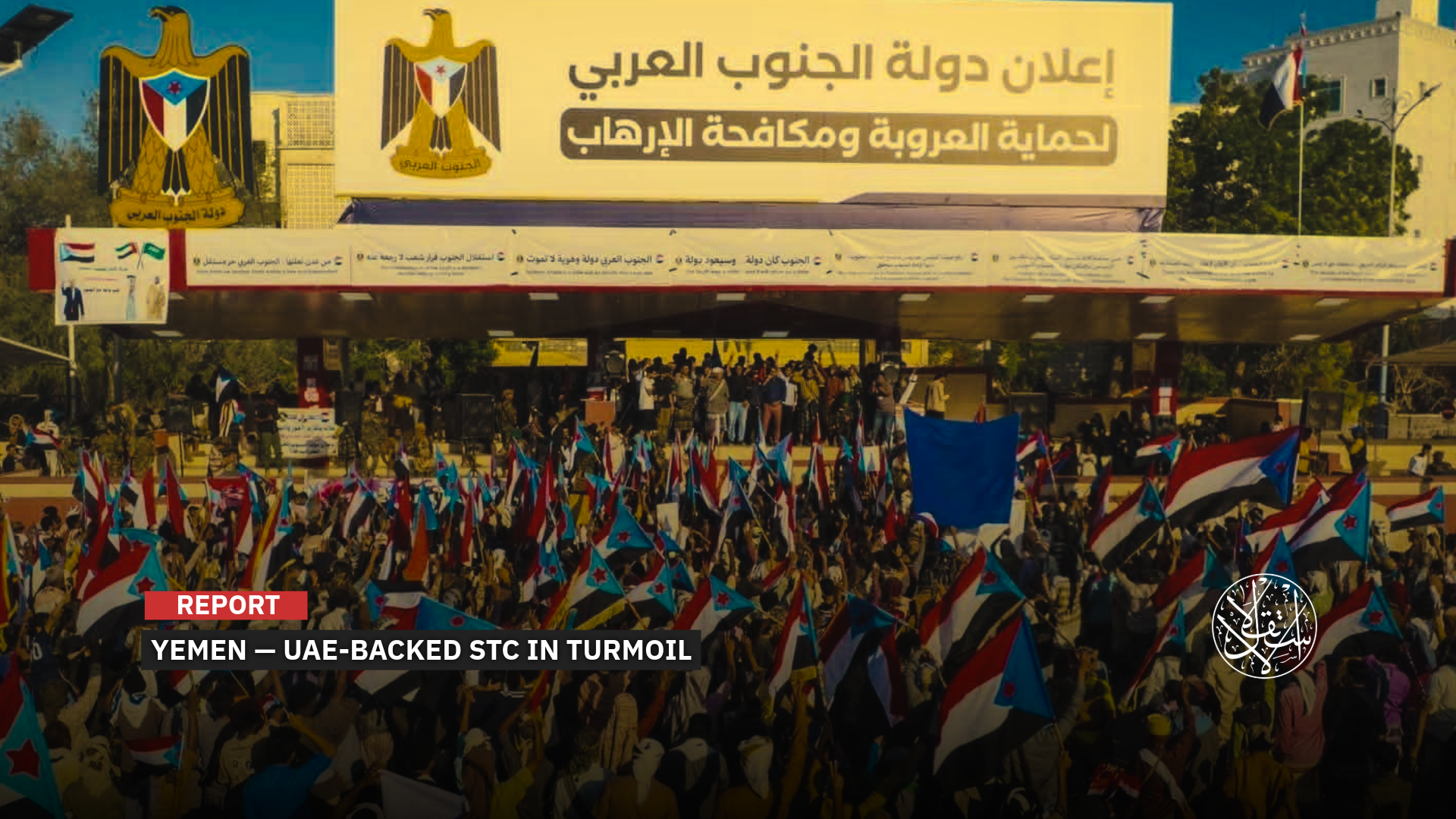
“If agreements are reached, confrontation can be avoided.”
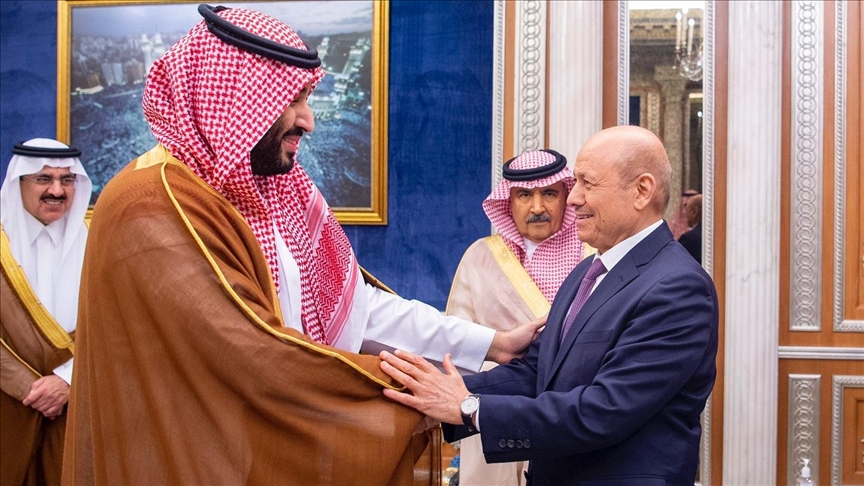
Against the backdrop of escalating unrest in southern Yemeni cities, Rashad al-Alimi, head of Yemen’s Presidential Leadership Council (PLC), called for a conference in the Saudi capital, Riyadh, to defuse the crisis. The invitation was extended to all southern forces and figures without exception, including the UAE-backed, rebellious Southern Transitional Council (STC).
On the same day, January 3, 2026, Saudi Arabia’s foreign ministry announced its support for al-Alimi’s call, welcoming a comprehensive conference in Riyadh that would bring together all southern factions to discuss what it described as fair solutions to the southern question, in line with the legitimate aspirations of southerners, according to an official statement.
Yemen’s internationally recognized government subsequently regained control of Hadramout and al-Mahra after the UAE-backed separatist STC militia had expanded into both regions, before Saudi Arabia intervened on December 29, 2025, striking vessels carrying Emirati military shipments and demanding that the UAE immediately withdraw from Yemeni territory.
Accepted, But!
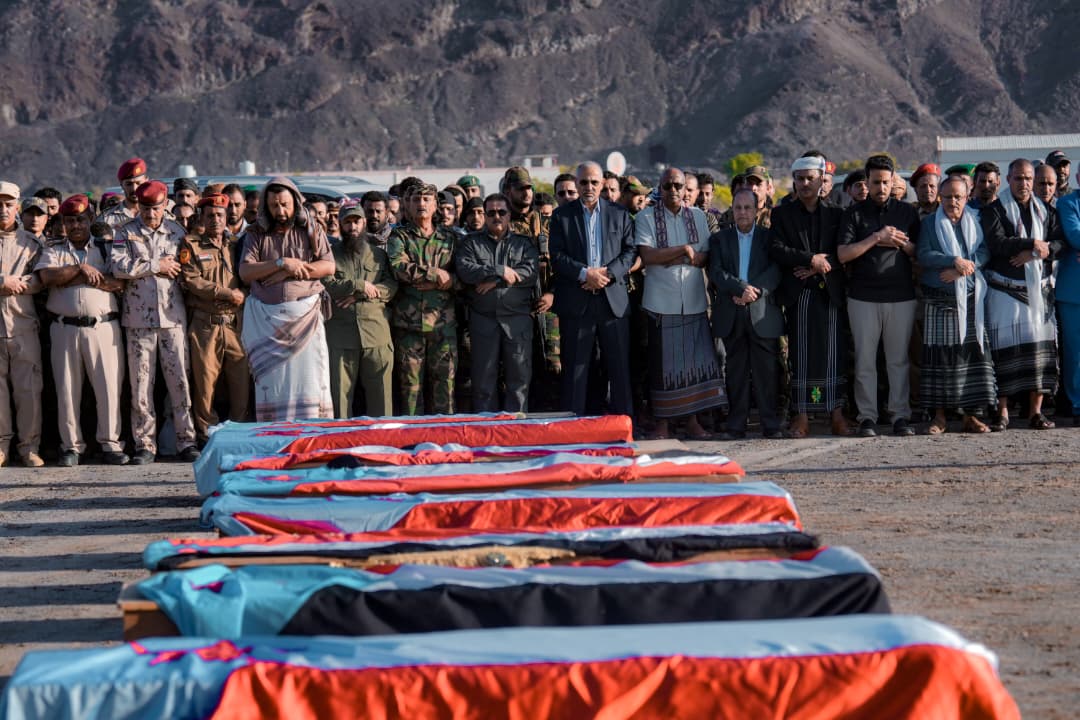
As southern factions in Yemen moved to respond to calls for a comprehensive southern conference in Riyadh, following a formal request by Rashad al-Alimi, the UAE-backed separatist STC said it welcomed the Saudi invitation, describing it as consistent with its stated commitment to dialogue.
That welcome, however, was accompanied by political conditions. Chief among them was an insistence on recognizing what the council called the will of the southern people, along with demands for international guarantees, a clear timetable, and a popular referendum as the final arbiter.
In a statement issued on January 4, the council pointed to its participation in all major dialogue tracks sponsored by Saudi Arabia and the Gulf Cooperation Council, from the 2019 Riyadh Agreement and the 2022 Riyadh consultations to the inclusive southern dialogue that produced the Southern National Charter in 2023.
The statement stressed that any serious dialogue must begin with recognition of the southern people’s will, proceed within a defined timeframe, and be backed by full international guarantees, adding that a popular referendum would be decisive for any future political arrangements.
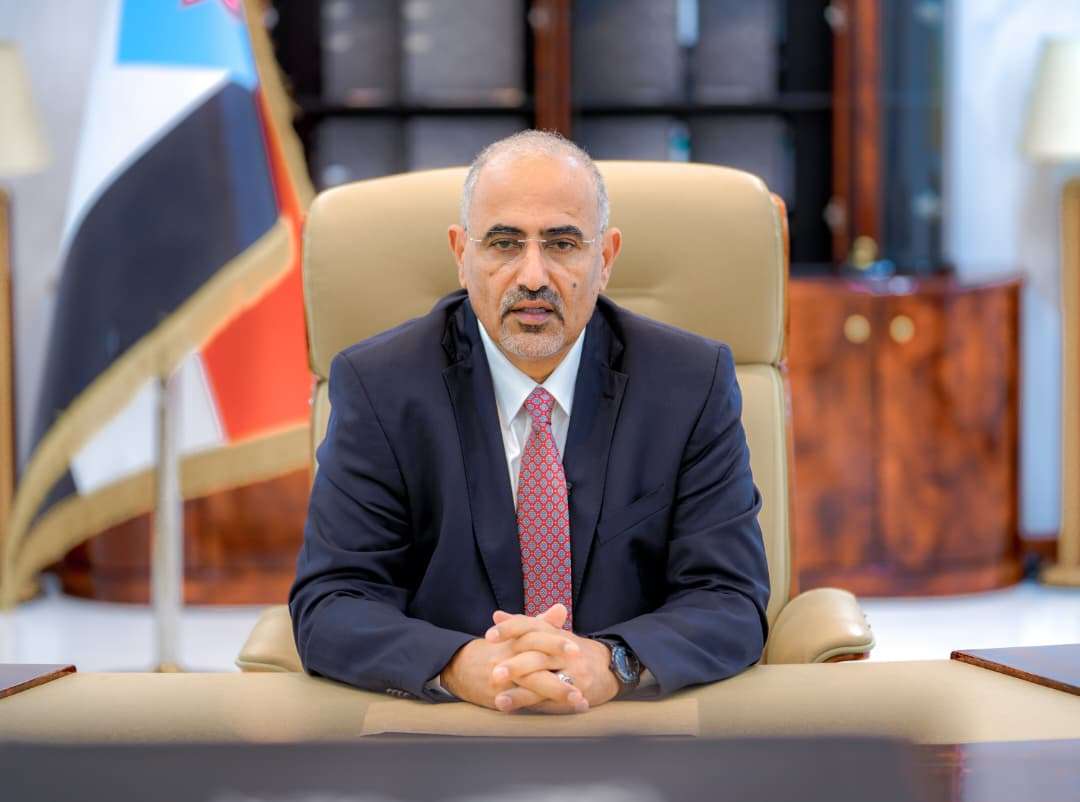
The announcement came a day after the council’s leader, Aidarus al-Zubaidi, declared the start of a two-year transitional phase as a step toward separation from northern Yemen, hours after the Yemeni government launched a military operation to retake Hadramout from the Southern Transitional Council’s forces.
Al-Zubaidi’s declaration coincided with what he described as a constitutional declaration announcing a so-called “State of South Arabia,” to be followed by a referendum on self-determination, raising questions about the credibility of the move and its prospects on the ground.
In a televised address, al-Zubaidi said that based on the will of the southern people, a transitional phase would begin, during which a popular referendum on self-determination would be held. He called for the process to remain peaceful and urged internationally sponsored dialogue between the south and the north.
He said the council had assumed responsibility for governing southern areas as a step toward restoring statehood, arguing that this should proceed through a gradual path that protects southern rights while avoiding renewed conflict.
Al-Zubaidi warned that the constitutional declaration would take immediate effect if calls for dialogue were ignored or if the south came under military attack.
Breaking the Monopoly
On whether the Southern Transitional Council will attend the Riyadh conference and comply with its outcomes, Yemeni writer and political analyst Abdulbaqi Shamsan said the issue goes beyond simple participation. He argued that a series of recent decisions has already altered the political and economic balance.
Shamsan said the demand for the United Arab Emirates to withdraw from Yemeni territory was a turning point that deeply unsettled the council, stripping it of its main financial, military, and intelligence backer. He noted that Emirati military commanders had been present in southern Yemen.
“The council initially refused to withdraw from Hadramout and appeared intent on declaring separation after securing broad military control, a move that triggered swift Saudi intervention,” he told Al-Estiklal.
“The defeat and withdrawal of council forces was followed by outreach from local officials in southern cities to Saudi Arabia and the internationally recognized government to avoid further damage. Some council members responded to these calls, exposing sharp internal divisions.”
“The hardline faction within the Transitional Council is unyielding, blocking movement between Aden and other governorates. I expect the council to split; some will heed the legitimate government’s call, while others, like Aidarus al-Zubaidi, will step aside and be replaced,” the Yemeni analyst added.
Shamsan predicted that all council-affiliated forces would eventually be absorbed into the Ministry of Defense and legitimate security institutions, leaving the movement without armed power, as stipulated but never implemented under the Riyadh Agreement.
He said the Riyadh conference also aims to end the council’s attempt to monopolize southern representation, particularly after the intimidation of other southern groups.
Shamsan argued that the political arena will be limited to civilian actors without military or militia wings, allowing new political figures to emerge representing southern Yemen, even as part of the Transitional Council continues to resist the legitimate authorities.
“If agreements are reached, confrontation can be avoided, though a faction will withdraw from the political scene.”
“The Transitional Council’s agenda was closely tied to the UAE’s project to control key maritime routes and trade corridors stretching from India through Somaliland, across international waterways, and into Saudi Arabia, Jordan, Israel, and Europe,” the political analyst said.
“In effect, this amounted to dividing states and fragmenting the Arab region for a plan that serves neither Arab nor Islamic interests.”
Possible Scenarios
The Abaad Studies and Research Center said recent developments in eastern Yemen have created a new reality that goes beyond what the Southern Transitional Council hoped to preserve and build on in its push toward southern secession.
In an article published on January 4, the center noted that the handover of military camps and the restoration of control in eastern Yemen—including the removal of forces loyal to the Transitional Council with the backing of the coalition supporting the legitimate government—has pushed the council further from its previous partnership with the authorities.
This was after the council issued a political statement on January 2nd, announcing the start of a two-year transitional phase, to be followed by a referendum on the independence of southern Yemen, and calling on Yemeni parties to participate in a dialogue that would manage the transition and prepare for the vote.
The center expects the Yemeni scene to unfold across several scenarios, depending on the council’s statement and the upcoming southern dialogue called for by the presidency and Saudi Arabia, against the backdrop of developments in eastern Yemen, where winds of change appear to run counter to the council’s wishes.
The first scenario envisages the council continuing its push toward secession, assuming that Yemeni parties in the north and south do not respond to its call for dialogue. Regarding the Saudi-sponsored southern dialogue conference, the council may seek to avoid it, as it will not be the sole player and will occupy only one seat among several southern factions, a position it is unaccustomed to and unlikely to accept, according to the center.
At the same time, the center notes that arrangements for the dialogue continue with the participation of many southern components, figures, and leaders. The council, it says, may interpret this as ignoring its call, providing justification, in its view, to escalate further into the unknown—a response it sees as the only way to recover from the setback in eastern provinces, a setback that is unlikely to remain limited to the outskirts of Shabwa and the al-Abr desert but could spread deeper into its main areas of control, including Aden and surrounding governorates.
The second scenario sees the possibility of Saudi Arabia containing the council, despite reaching a deadlock, due to the council’s rigidity and refusal to withdraw voluntarily from the Hadramout Valley, particularly if Riyadh succeeds in attracting some council leaders who feel they have lost gains from past years under al-Zubaidi’s decisions, potentially including his removal.
This scenario would involve the council participating in the upcoming dialogue on southern affairs, implying a return to partnership with the legitimate government and a suspension of its political statement and announcement on southern secession. Its position, however, would remain ambiguous and unconvincing, at least to its supporters who have gathered for over a month awaiting its “Statement No. 1,” which declared southern independence and the creation of a new state.
The third scenario hinges on the ability of the legitimate government and Saudi Arabia to penetrate the council’s ranks, particularly among influential leaders, and draw them away from al-Zubaidi’s circle, which has recently appeared as a proxy executing Emirati orders without thought for consequences, according to the Yemeni center.
Sources
- Yemen: Southern Factions Unite Ahead of Riyadh Conference [Arabic]
- After Retaking the City, Hadramawt Governor Issues Stark Warning to the Transitional Council: "Know Your Place" [Arabic]
- Crisis Escalates in Yemen: Saudi Jets Strike Two UAE Arms Ships at Mukalla Port [Arabic]
- Southern Transitional Council Welcomes Saudi Invitation to Dialogue on Yemen’s Southern Crisis [Arabic]
- Saudi Arabia to UAE: Yemen’s National Security Is a Red Line [Arabic]
- From Military Defeat to Losing the Southern Cause: Why Did the Transitional Council Flee to a Political Declaration? [Arabic]