Will Berlin Own a Nuclear Deterrent Soon?

The National Interest published an article by Stefan Szabo, assistant professor at the BMW Center for European and German Studies.
In his article, he says one of the main results of Germany’s strategic reorientation is reinvigorating the debate on nuclear deterrent development.
Szabo says no one in Germany wants to discuss the issue because of Germany’s history and aversion to nuclear power. Nevertheless, the nuclear question will become inevitable for German policymakers in the medium term.
Putin’s reckless war in Ukraine, and his constant threat to use nuclear weapons, have made it clear that nuclear deterrence has become at the forefront and center of European security policy.
Russian Threat
Szabo explained that the Russian invasion of Ukraine marked the end of post-Cold War security arrangements with the unification of Germany in 1990.
According to him, all the assumptions and policies formed around that settlement have now been buried, including Germany’s commitment not to produce or possess weapons of mass destruction.
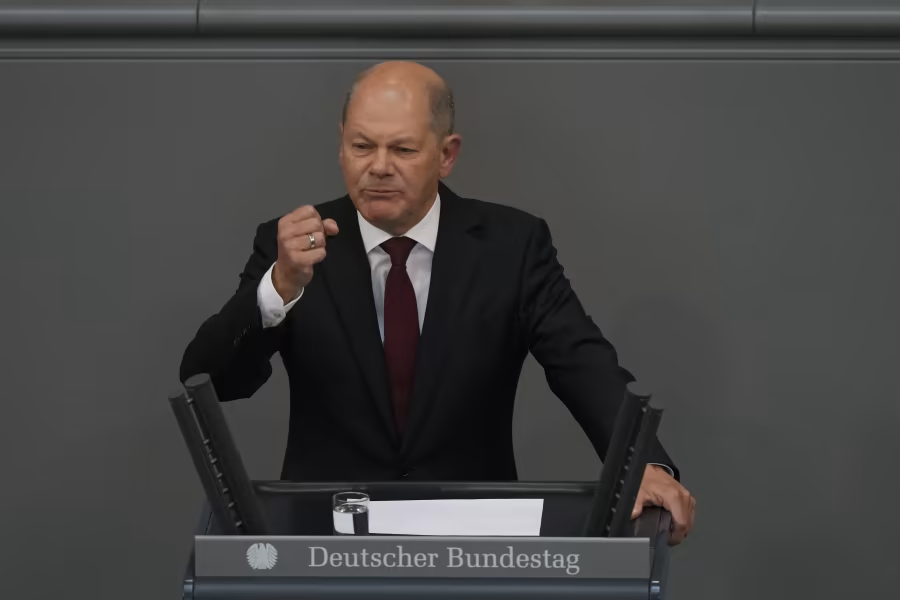
A recent speech by German President Frank-Walter Steinmeier, who was an advocate of close ties with Moscow, makes clear that Berlin now views Russia as a threat to the foreseeable future.
Accordingly, this reopens Berlin’s commitment to the Treaty on the Non-Proliferation of Nuclear Weapons (NPT) and its reliance on the US nuclear deterrent as the cornerstone of its security policy.
The main factors preventing the development of German nuclear power are now much weaker. Factors include arms control agreements, the reliability of US nuclear deterrence, Germany’s retreat from its civilian nuclear power program, domestic resistance to nuclear power, and the fear that a nuclear-armed Germany will revive the “German question” with its European partners.
Szabo points out that at the strategic level, there was a clear reversal of the role of the Cold War when NATO was concerned about the traditional superiority of the Soviet Union.
Today, according to Szabo, it is abundantly clear that the main threat to the security of Germany and Europe comes not from Russian conventional power but from nuclear blackmail and hybrid warfare.
The failure of the Russian military in the conventional sphere has pushed Moscow to rely on nuclear blackmail in Ukraine. However, this is not a new development, as Russia announced years ago its first-use policy on the grounds that nuclear weapons would prevent the escalation of conventional conflict.
This basis for the deployment of intermediate nuclear forces on German soil in the eighties was seen as a way to prevent Russia from using nuclear blackmail.
The fallout from these developments has already been evident in Washington and Paris, with the 2022 Nuclear Posture Review allowing for the possibility of nuclear use for the first time in US doctrine, and French President Emmanuel Macron recently clarifying that French deterrence exists to protect and defend French territory, and does not extend to European partners.
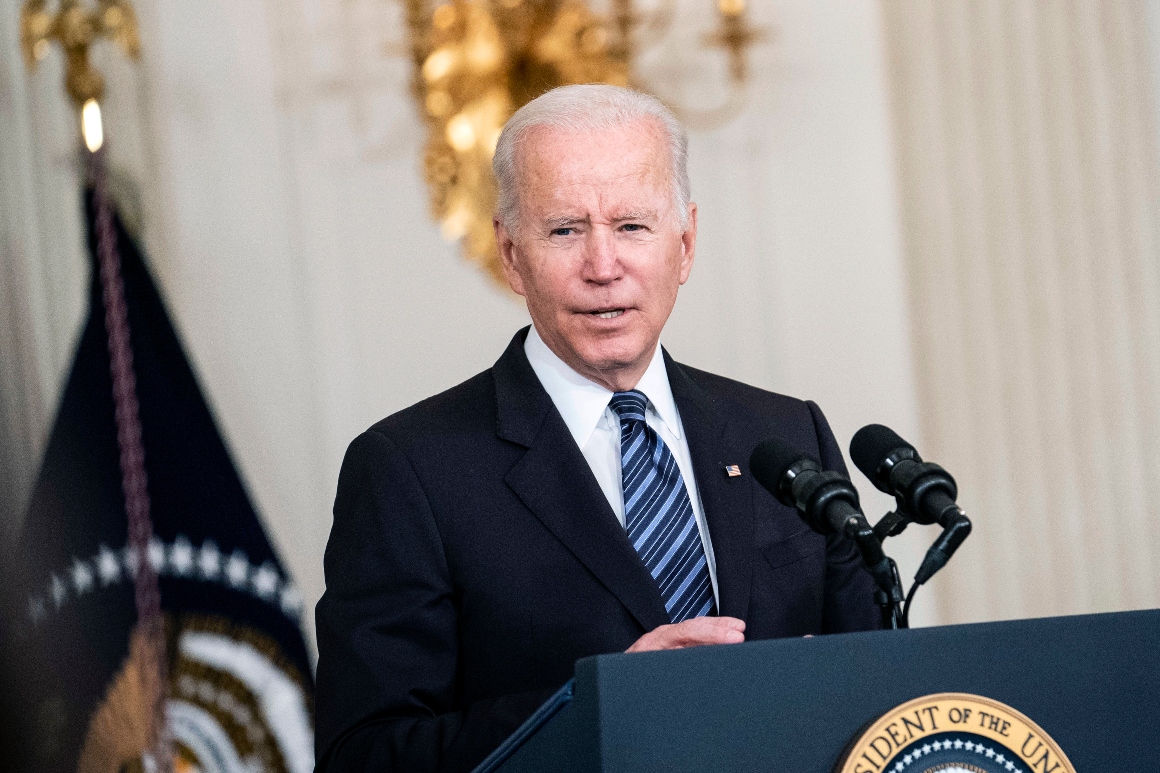
Moreover, Germany can no longer count on the US as a stable partner given the crisis in American democracy, growing isolationist trends within the Republican Party, and the strategic shift in US policy toward China.
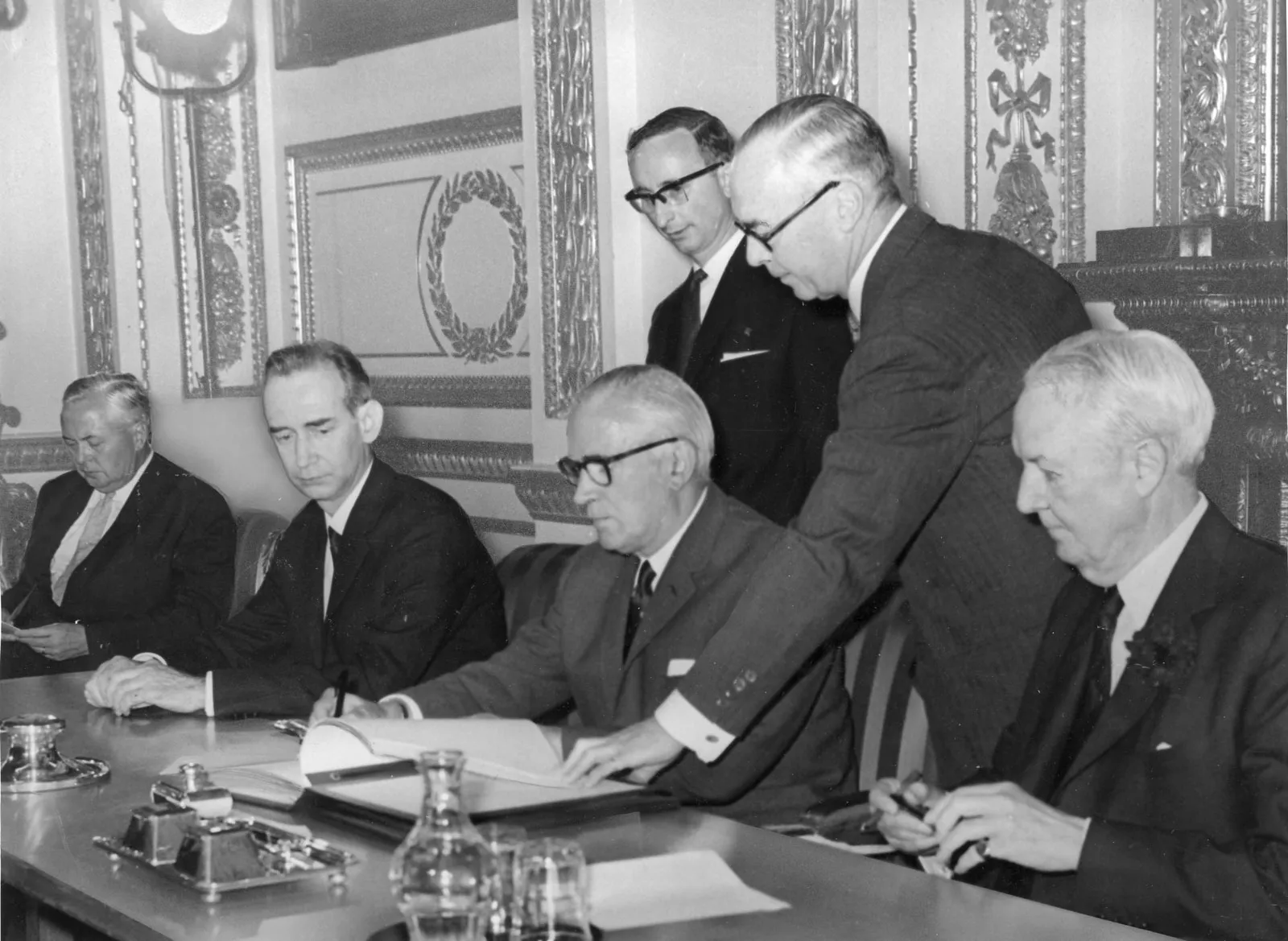
Szabo reveals that discussions took place in Germany in the late sixties about whether it should have a nuclear force, something advocated by Defense Minister Franz Josef Strauss.
The idea was discarded by the proposal of the so-called Multilateral Force (MLF), which NATO proposed as an alternative to an independent German nuclear power. However, the proposal never came true, and Germany was given a role in the NATO nuclear planning group as compensation. It agreed to sign the Treaty on the Non-Proliferation of Nuclear Weapons and renounced the production of atomic, biological, and chemical weapons.
US Abandonment
Szabo elaborates that this debate was reignited during Donald Trump’s presidency due to the loss of confidence in US politics.
In 2018, the distinguished political scientist Christian Hacke published an article in Welt am Sonntag arguing that “Germany’s new role as enemy number one of the American President forces Germany to a radical rethinking of its security policy.”
“For the first time since 1949, Germany is without the nuclear umbrella of the United States. Berlin is powerless in the event of a severe crisis.” Roderich Kiesewetter, a leading defense expert for the Christian Democrats in the Bundestag, also made the case.
Alexander Graf Lambsdorff, deputy chairman of the Free Democrats and a leading foreign policy expert, agreed that German policymakers should discuss the issue publicly, stating: “The end of the Cold War did in no way end the era of atomic weapons—one can lament this, but that is the reality.”
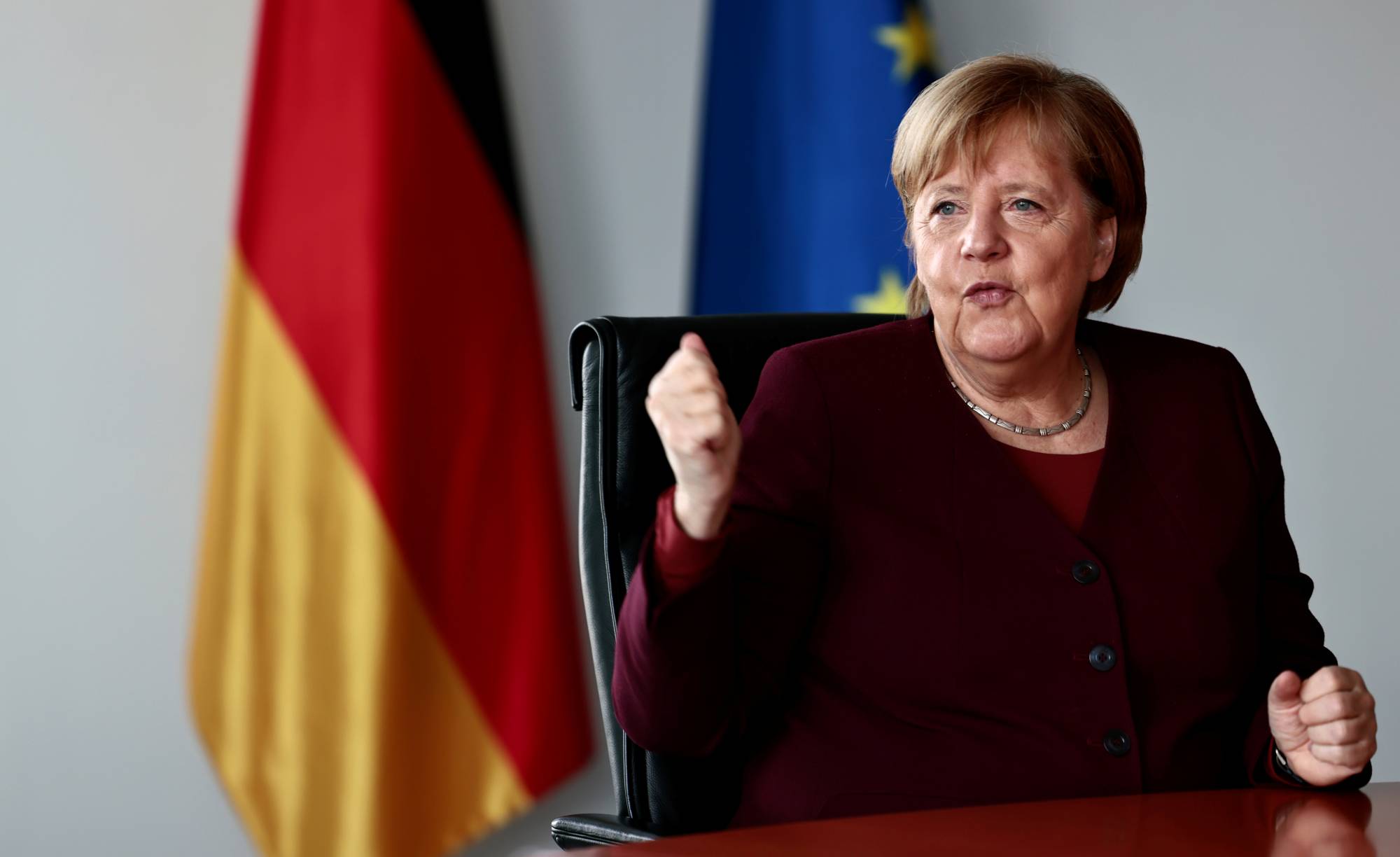
Another major factor limiting Germany’s nuclear options is the closure of its civilian nuclear facilities, which Chancellor Angela Merkel first announced in 2011 and is due to be completed this year.
As Ulrich Kuehne, Tristan Volpe, and Bert Thompson have argued, the planned phase-out of nuclear power makes it more difficult and costly to start a military nuclear program
While Japan and Iran could become nuclear very quickly, this will not be the case for Germany. However, Putin’s war in Ukraine and the resulting power outages delayed Berlin’s decision to shut down nuclear power plants. Therefore, Germany will soon have the ability to use its civilian nuclear expertise for military purposes within a short period of time.
Szabo says that this idea will be difficult to promote in Germany, not only because of the heavily attended Green Party that has been anti-nuclear since its founding but there is also strong peaceful pressure from the left, particularly in the Social Democrats (SPD) and the Greens.
But Germany is forced to reconsider its nuclear posture given the geostrategic environment. The Green Party and the Social Democrats have already had to adjust their views on military and climate policy. Further deterioration of the European geostrategic environment will lead to further changes in future governing coalitions.
Szabo concludes that there is concern that nuclear power will reopen the German question and spur the organization of corresponding European alliances.
However, the Ukraine crisis has made it clear that Europe is more concerned about the lack of German leadership in defense than bolstering its deterrence.
As Steinmeier noted, Germany now faces some very difficult choices. North Korea is nuclear, Iran has a nuclear curiosity, and the prospect of Japan and South Korea becoming nuclear powers raises the question: Why should Germany lag behind, given its power and centrality to European security?
The Russian military is so degraded that there is no reason why Europe and Germany cannot provide an alternative to conventional and nuclear deterrents. Putin may have been surprised by the reactions in Finland and Sweden to his invasion, but he may be even more surprised by the long-term reaction in Germany to his brutal policies.