Why Won't the USA Drag Russia into the List of State Sponsors of Terrorism?
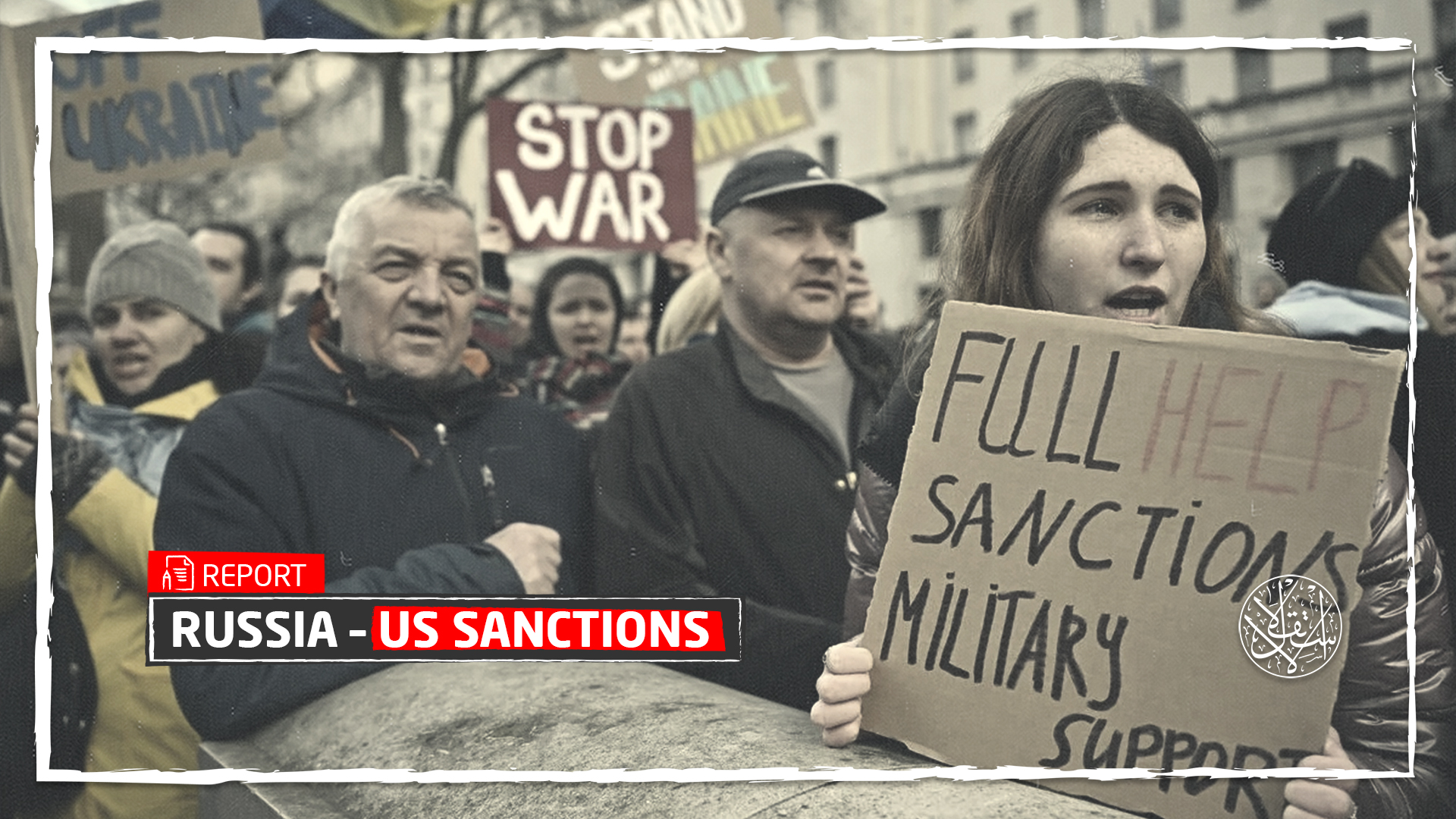
U.S. President Joe Biden said that Russia should not be classified as a state sponsor of terrorism, a designation that Ukraine sought in the midst of the ongoing Russian invasion, while Moscow warned that such a designation would lead to the collapse of US-Russian relations.
Asked if Russia should be designated a state sponsor of terrorism, Biden told reporters at the White House, "No."
Two U.S. senators seeking to pass a law designating Russia as a state sponsoring terrorism visited Kyiv in July to discuss the bill with Ukrainian President Volodymyr Zelenskyy.
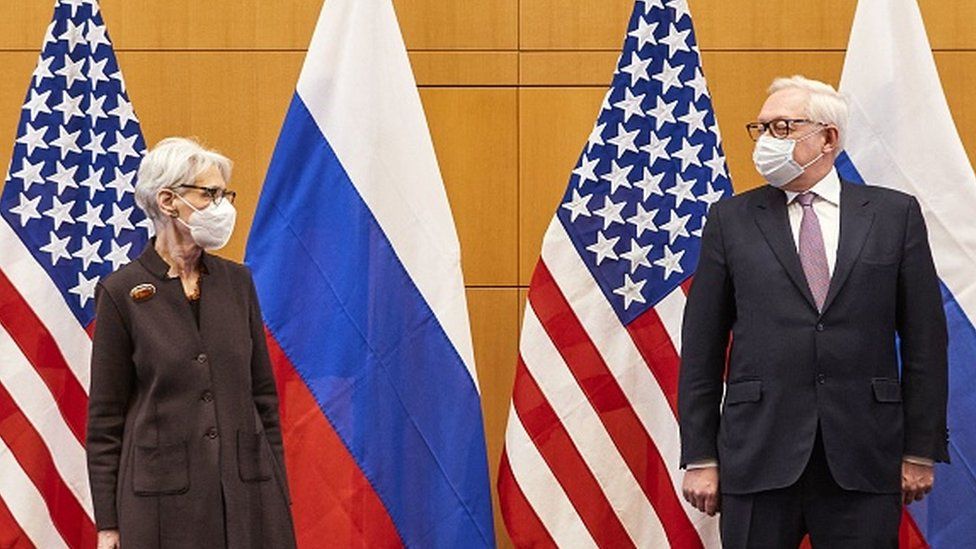
A senior Russian official said last month that Moscow had told the United States that bilateral diplomatic relations would be badly damaged and could be severed if Russia was declared a state sponsor of terrorism.
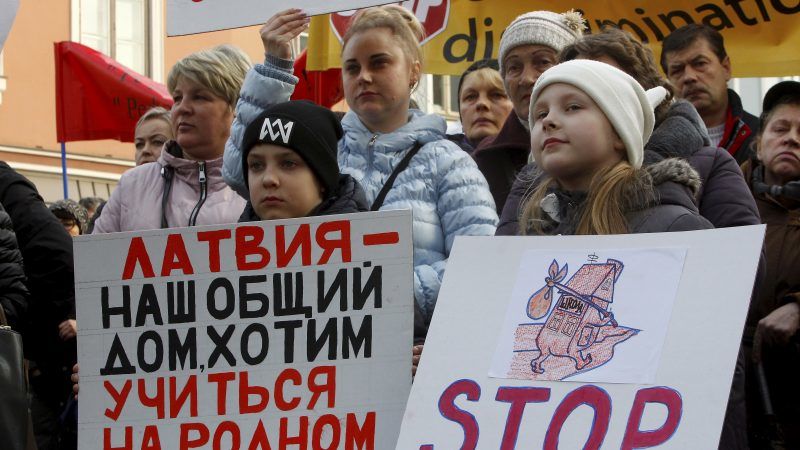
Despite the United State's disapproval, Latvia's parliament in August designated Russia a state sponsor of terrorism over the war in Ukraine and called on Western allies to impose more comprehensive sanctions on Moscow.
U.S. Hesitation
The Biden administration is reluctant to designate Russia as a state sponsor of terrorism for a variety of reasons.
These include concerns that the designation will harm U.S. allies and partners who still have large business interests in Russia.
While this is going on, Secretary of State Antony Blinken has minimized the problem by claiming that many of the sanctions related to the designation would be redundant with other policies.
Additionally, critics point out that designating Russia as a state supporter of terrorism would significantly limit the potential for future diplomatic interactions with Moscow.
Kremlin officials have echoed these concerns. Speaking in early August, Russian Foreign Ministry North American Department director Alexander Darchiev commented, "If this legislative initiative is passed, it would mean that Washington would cross the point of no return, with the most serious collateral damage to bilateral diplomatic relations, up to their lowering or even breaking off entirely. The U.S. side has been warned."
The U.S. State Department is in charge of designating nations as state sponsors of terrorism, and this decision is made based on whether the nation's activities comply with U.S. definitions of international terrorism.
Cuba, North Korea, Iran, and Syria are the only four nations currently listed by the United States as state sponsors of terrorism. With designation come a number of new sanctions measures, such as export bans on dual-use goods and the weapons industry, as well as various financial and other limitations.
Costs
Ingrid Brunk Wuerth, chair of the Helen Strong Curry international law at Vanderbilt Law School, wrote an article explaining the reasons why the U.S. would not possibly classify Russia as one of the states sponsoring terrorism.
According to Wuerth, a state sponsor of terrorism designation implicates two areas of law sanctions and sovereign immunity.
In addition to prohibiting U.S. arms sales and foreign assistance, it also sets off export controls for dual-use goods, which are materials with both civilian and military use. It also limits access to debt relief and international funding.
Additionally, it results in additional restrictions that aren't explicitly stated in the statutes but have been, in other instances, timed to increasingly harsh fines that end up affecting the entire people and economy of the listed country.
Other unrelated sanctions laws that punish organizations and people participating in particular forms of trade with the sanctioned state may be applied as a result of the designation.
This designation applies at the level of the state, in contrast to the more prevalent foreign terrorist organization and specifically designated global terrorist designations, which concentrate on individuals and groups.
A state's right to immunity under American law is also restricted by classification as a state sponsor of terrorism.
While the Foreign Sovereign Immunities Act generally protects foreign states from lawsuits in American courts, it also allows U.S. citizens (as well as U.S. government employees, contractors, and service members) to bring legal action against particular designated nations for listed offenses like torture, extrajudicial killing, and hostage-taking.
If they win, they can collect money from the assets that the targeted state has barred. A court ordered Iran to pay about $9 billion to victims of the bombing of a U.S. Marine barracks in Lebanon, for example.
Previous awards have been significant, although they have, for the most part, not been disbursed to victims.
Real Effect?
The International Crisis Group published an article by Senior U.S. Foreign Policy analyst Delaney Simon and U.S. program director Michael Wahid Hanna titled "Why the U.S. Should Not Designate Russia as a State Sponsor of Terrorism."
In their article, the two authors say that there is little to suggest that designating Russia a state sponsor of terrorism will dissuade Moscow from its current course in Ukraine or anywhere else.
While the West will probably be loath to lift all of the sanctions it has imposed on Russia since the initial invasion of Ukraine in 2014, some of them will almost surely need to be lifted, and Crisis Group has advised Ukraine's allies to be ready to take some cautious steps.
Even without the state sponsor classification, it will be challenging to match sanctions release with the parameters of a potential peace agreement.
A designation might also make it more difficult for parties to quickly reach agreements, such as the recent grain export agreement backed by the U.N. inked by Ukraine and Russia.
It might also make it more difficult to implement this and other similar agreements if businesses and aid organizations fear that carrying or distributing Russian-sourced commodities exposes them to legal, political, and reputational risks
The Ukraine war may suffer if cases brought against Russia are allowed in U.S. courts.
If it has any legal standing to do so, Russia is likely to demand the unfreezing of some, if not all, of its assets as a condition of any future peace agreement. If those assets were involved in verdicts or continuing litigation, the process would be significantly more complex and possibly impossible.
The designation would be meant to convey a stern message of censure to Moscow, but it might also send out more worrying signals.
Because it sees itself as a leader in the fight against terrorism, Moscow will initially find the designation highly offensive.
Therefore, if such a decision is made, the Russian foreign ministry has vowed to sever diplomatic ties with the United States.
The possibility that President Putin may see this action as an overt call for a change in Russia's government is even more concerning, especially considering that one of the two legal avenues for rescission calls for a change in the designated country's leadership. U.S. President Joe Biden has stated unequivocally that Washington is not attempting to coerce Putin from power.
Yet this designation would give Putin something concrete to point to in disputing that claim, feeding his sense of grievance against the West and the related risk of confrontation.