Three Controversial Bills Put to the Test: Can Morocco’s 2026 Elections Undo the Damage of 2021?
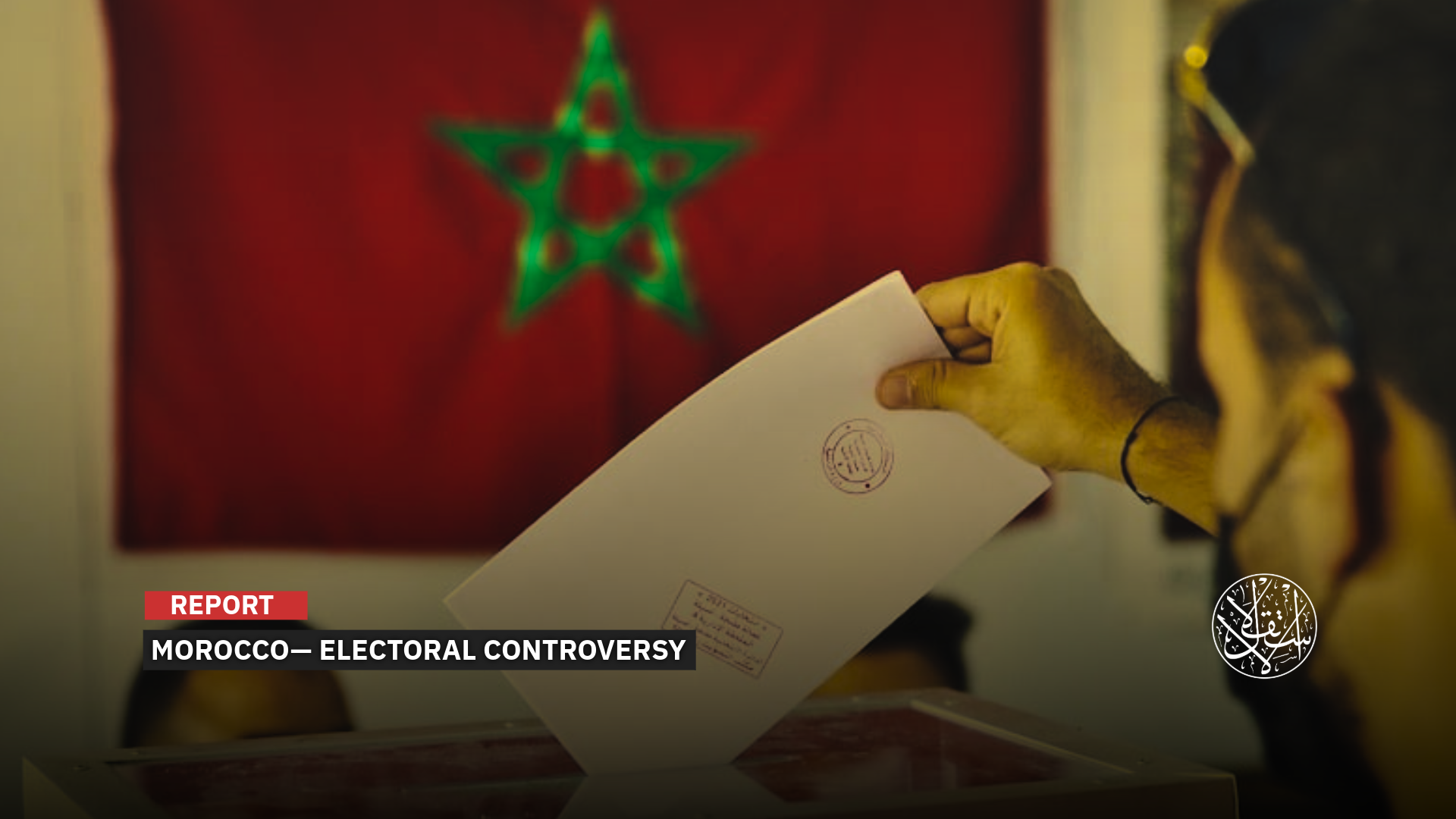
There are no guarantees the new laws won’t be used by authorities to bar people from running for office.
Controversial legal provisions reshaping Morocco’s electoral framework have sparked wide debate across the country, splitting opinion between those who see them as a tool to bar “corrupt” candidates from office and those who warn they may breach several constitutional principles.
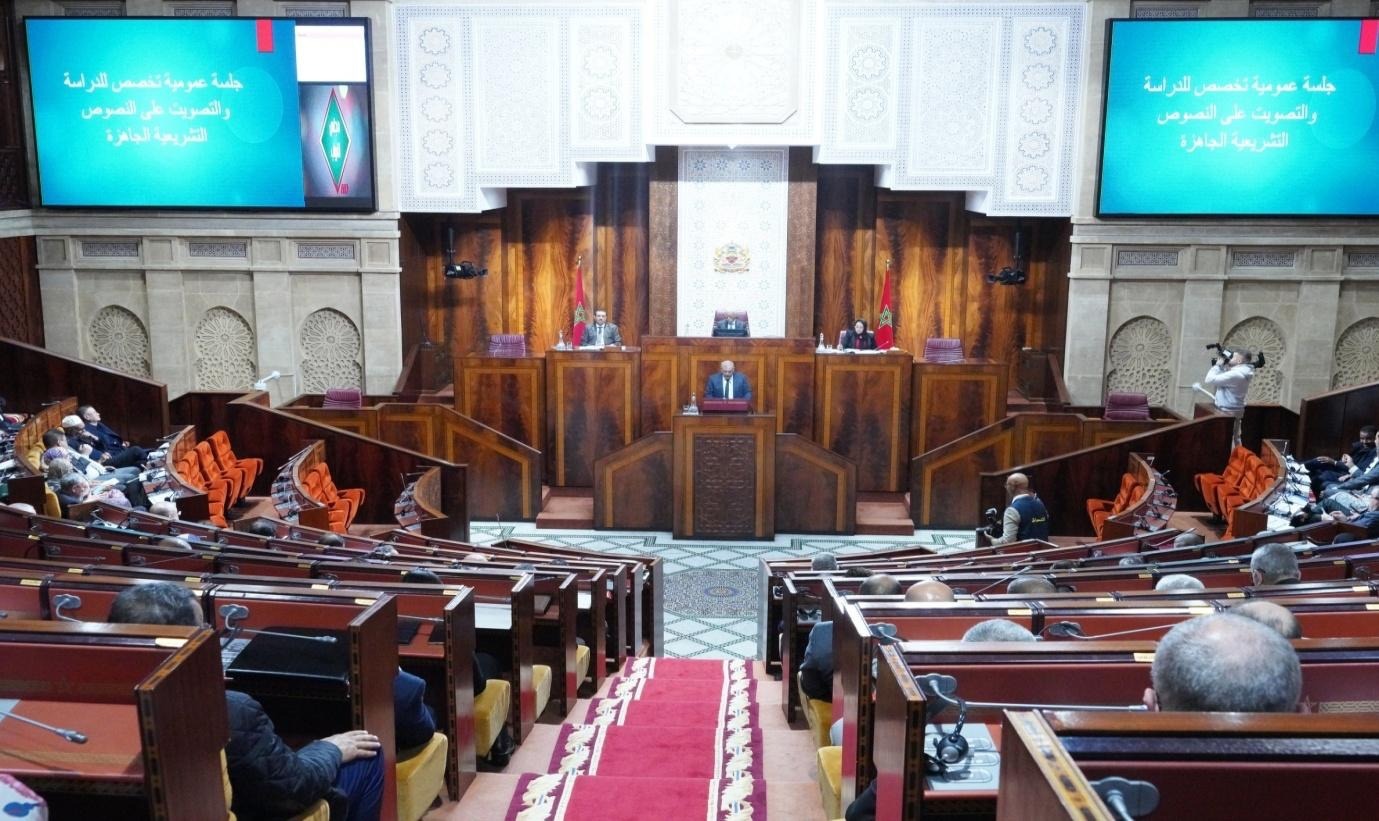
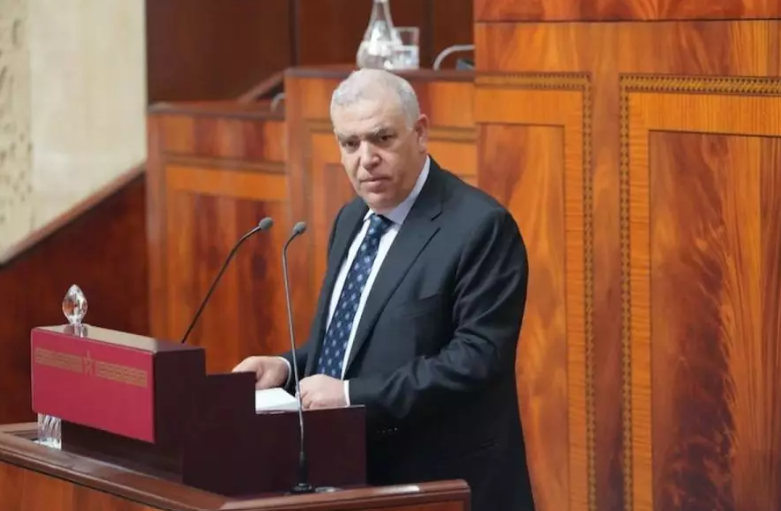
In early December 2025, the House of Representatives approved, by a broad majority, three draft laws concerning the lower chamber, political parties, and electoral procedures, in a session attended by Interior Minister Abdelouafi Laftit.
The legislation bars individuals under criminal prosecution, those convicted by final court rulings, as well as those removed from elected office, from running for seats in the House of Representatives.
The bill forms part of a broader institutional reform package adopted by the Council of Ministers at its meeting on October 19, 2025, chaired by King Mohammed VI.
According to a statement from the Royal Cabinet at the time, the draft law aims to safeguard access to the legislature by excluding anyone whose judicial record strips them of electoral eligibility, and by barring candidates caught red-handed committing offenses that threaten the integrity of the electoral process.
The text states that its core objective is to consolidate and strengthen the rules needed to ensure ethical conduct in parliamentary life, improve electoral management, and enhance the transparency of voting.
In this context, the Interior Minister told the House of Councillors, the parliament’s upper chamber, that preparations for the upcoming legislative elections are guided by a strong sense of responsibility, in order to reaffirm the robustness of the Moroccan electoral model.
Speaking at the December 2, 2025 session, the minister stressed that ensuring the success of the next electoral cycle requires safeguarding the integrity of the vote and promoting ethical political practices.
He described the provision preventing judicially prosecuted individuals from running as “the heart of the bill,” arguing that its primary purpose is “to protect the parliament and the electoral process.”
He added that the state must move toward tightening these rules, insisting that the amendments should have gone even further.
The ministry, he said, will act to prevent the use of illicit money and to bar candidates who are convicted or under serious suspicion.
Legitimate Concerns
The minister’s remarks came in response to concerns voiced by the opposition in the House of Representatives over whether the new provisions comply with constitutional norms.
In this regard, Abdellah Bouanou, head of the Justice and Development Party’s parliamentary group, affirmed his party’s support for the stated aims of the upcoming elections, including higher turnout, greater integrity, and distancing the process from corrupt actors.
Bouanou noted that the previous parliamentary elections, held on September 8, 2021, had tarnished Morocco’s image internationally, as dozens of elected officials who were either under prosecution or stripped of their parliamentary status ended up in prison on corruption charges.
He continued, saying that it was only natural for the country to react to such a situation, and that the current response being proposed involves barring from candidacy anyone caught in flagrante delicto, anyone handed an initial court ruling, or anyone under judicial prosecution.
Bouanou added that while the desire to promote ethical political life is understandable, such an effort must be comprehensive. It cannot be limited to eligibility criteria alone, he said, but must also encompass campaign financing, the public media’s role in voter education, the neutrality of the election administration, and the ethical conduct of candidates themselves.
The parliamentary group leader stressed that his party’s references on these matters are clear, namely the King’s speeches and the Constitution, noting that constitutional principles such as freedom to stand for election and the presumption of innocence must be respected, as well as Constitutional Court decisions in this area.
He went on to argue that instead of resorting to a legal prohibition on candidates under prosecution, which he described as unconstitutional, political actors could move toward an enforceable ethical charter that parties would sign, pledging not to nominate corrupt individuals or those facing initial criminal convictions.
Rachid Hammouni, head of the Party of Progress and Socialism’s parliamentary group, argued that “the main problem affecting the integrity of elections does not primarily lie in legal texts but in practices.”
Speaking on behalf of his party in the same parliamentary session, Hammouni added that “corrupt actors are always looking for some way to circumvent the law.”
He expressed hope that the relevant authorities would play a constructive role in cleaning up the electoral and institutional landscape, while underscoring the responsibility of political parties to choose their candidates wisely, and emphasizing the vital contributions of responsible and independent media, civil society, and, above all, citizens through broad and informed participation.
He stressed that the current context demands elections that genuinely reflect the free will of the people, breaking decisively with methods that undermine democracy and damage Morocco’s image and standing.
Restoring Trust
In assessing these political reactions, Rachid Lazrak, professor of political science and constitutional law, argues that “the tougher line expressed by the Interior Minister signals a shift by state institutions toward an approach aimed at rebuilding electoral trust as a sovereign requirement before being a technical measure.”
Lazrak told Al Estiklal that “this orientation reflects an understanding that fragile voter participation or conflicting trajectories within the electoral process weaken the foundation of representative legitimacy.”
“It also affects Morocco’s ability to present a democratic model that remains consistent with its international commitments, especially at a time when the kingdom is relying on institutional diplomacy to strengthen the autonomy initiative as a solution to the Sahara dispute, which was supported by the UN Security Council in a recent resolution,” he continued.
The academic added that “this strict approach should not be read as a security hardening, but rather as a re-engineering of institutional neutrality by regulating campaign financing, scrutinizing voter rolls, and safeguarding campaigns from undue influence. This, in turn, transforms the electoral process itself into a form of state soft power.”
In the same vein, political analyst and professor of public law Rachid Labker argued that “barring corrupt figures from running for office means opening the way for patriotic and clean-handed candidates to undertake the true responsibility of representation.”
Speaking to the local newspaper Assahifa, the political analyst said integrity must always come first, even before competence. He maintained that this new legal measure cleanses the electoral process of distortions that may affect citizens’ choices, thereby ensuring that the most ethical and capable candidates emerge.
The political analyst noted that some parties rely on wealthy and influential figures surrounded by suspicion to secure parliamentary seats, and that if such individuals were prevented from running, the real weakness of these parties in persuading voters would be exposed.
He emphasized that selecting the most suitable candidates is among the essential foundations of the reform needed to ensure the integrity sought by Moroccans, so that the upcoming elections meet the expectations of all, especially young people.
Analyzing the potential impact of excluding “corrupt actors” on the future political landscape, he argued that “their absence will undoubtedly have an effect, both in terms of producing genuine representation that reflects an accurate political map, and in distinguishing credible parties from those that are not.”
He added that this direction will open space for upright and committed figures to assume their responsibility in representing the public interest, restoring credibility to political practice and strengthening trust between citizens and elected institutions.
Regarding indicators of integrity in the upcoming elections, Labker said it remains difficult to make definitive judgments at this stage, “but there are signs that encourage us to say they will be better than previous ones.”
He pointed, in this respect, to the national dialogue launched by the Interior Ministry, on the instruction of King Mohammed VI, with all political parties in order to ensure the best possible conditions for the next elections.
Legal Issues
Morocco’s electoral system has earned a distinctive standing, observers say, as the central mechanism for renewing representative elites and ensuring democratic alternation of power.
In this context, political scientist and constitutional law scholar Hatem Eouzi argues that this significance explains why lawmakers have insisted on embedding safeguards for public ethics and measures to combat electoral corruption within the legal framework governing elections.
Writing in an opinion piece published by the local outlet al3omk on November 26, 2025, Eouzi warned that “this vigilance may sometimes slide into privileging punitive logic over the logic of guarantees.”
He continued, noting that this tendency raises serious questions about the extent to which the draft law respects the presumption of innocence, the constitutional right to stand for election, and the principle of proportionality when restricting fundamental rights.
The academic argued that the article at the heart of the debate reflects a troubling new conception of the state’s relationship with suspects, those under prosecution, or the convicted, describing it as a clear retreat from the human rights and constitutional trajectory initiated by the 2011 Constitution.
He explained that depriving individuals of their right to run for office merely because they are under investigation, or based on initial court rulings that have not yet acquired the force of res judicata, effectively places the accused in the same category as those convicted by final verdicts. It turns suspicion or a non-final judgment into a political sanction that strips individuals of constitutional rights before the judiciary has issued its definitive ruling.
Eouzi noted that the Moroccan Constitution, in paragraph four of Article 23, clearly states that the presumption of innocence and the right to a fair trial are guaranteed, and that every individual is considered innocent until proven guilty by a final judicial decision.
He added that the issue goes beyond the presumption of innocence. It touches on two other fundamental principles. The first concerns proportionality, meaning that punishments must align with the stated purpose, as established in comparative constitutional jurisprudence. The second relates to equality and non-discrimination in exercising political rights.
He warned that individuals affected by this provision may ultimately be acquitted or have their cases dismissed, or their convictions reduced or reclassified during appeal or cassation, stripping their actions of criminal characterization, while the “electoral penalty” would already have taken effect by preventing them from running for one or two electoral cycles.
Accordingly, Eouzi argued, the country faces a premature political sanction that is practically irreversible, contradicting the philosophy of modern criminal justice, which sees punishment as a means of reintegration, not a mechanism for lasting political stigmatization and exclusion.
From another angle, Abdelali Hamieddine, professor of political science and constitutional law at Mohammed V University in Rabat, contends that the provision in question offers no guarantees against its possible misuse by authorities to bar certain individuals from standing for election.
Speaking at a Justice and Development Party press conference on November 26, 2025, Hamieddine warned that a local official could accuse someone of an offense categorized as a felony, leading to their arrest and referral to the judiciary, and consequently depriving them of candidacy.
The academic stressed that such concerns are precisely why constitutional scholars insist on adhering to several core principles in any legal matter, foremost among them the presumption of innocence and the principle of proportionality between offense and sanction, which means that no citizen may be deprived of the right to run for office unless a final judgment has been issued against them.
Hamieddine argued that preventing corrupt candidates from being elected requires ensuring the full and positive neutrality of the Interior Ministry, and breaking with any form of influence or pressure exerted on candidates or voters, given its responsibility for the overall integrity of the electoral process.
He also called for expanding the role of the judiciary throughout all stages of the elections through oversight and enforcement mechanisms, equipping judges with logistical tools, and enabling direct reporting channels for complaints related to illicit money and electoral violations.
Hamieddine urged raising the vigilance of both the courts and the administration in monitoring the origins and scale of campaign financing, confronting suspicious funds and vote-buying practices, and criminalizing the acceptance of gifts or assistance in exchange for votes.
Sources
- House of Representatives Approves Draft Law on Electoral Registers [Arabic]
- Bouanou to the Interior Minister: We Want the Integrity of the Upcoming Elections to Be Comprehensive and Constitutionally Grounded [Arabic]
- Morocco Plans to Hold Its “Most Transparent” Elections in 2026 [Arabic]
- Article 6 of Organic Bill No. 53.25: A Critical Reading in Light of the Presumption of Innocence and the Constitutional Right to Run for Office [Arabic]