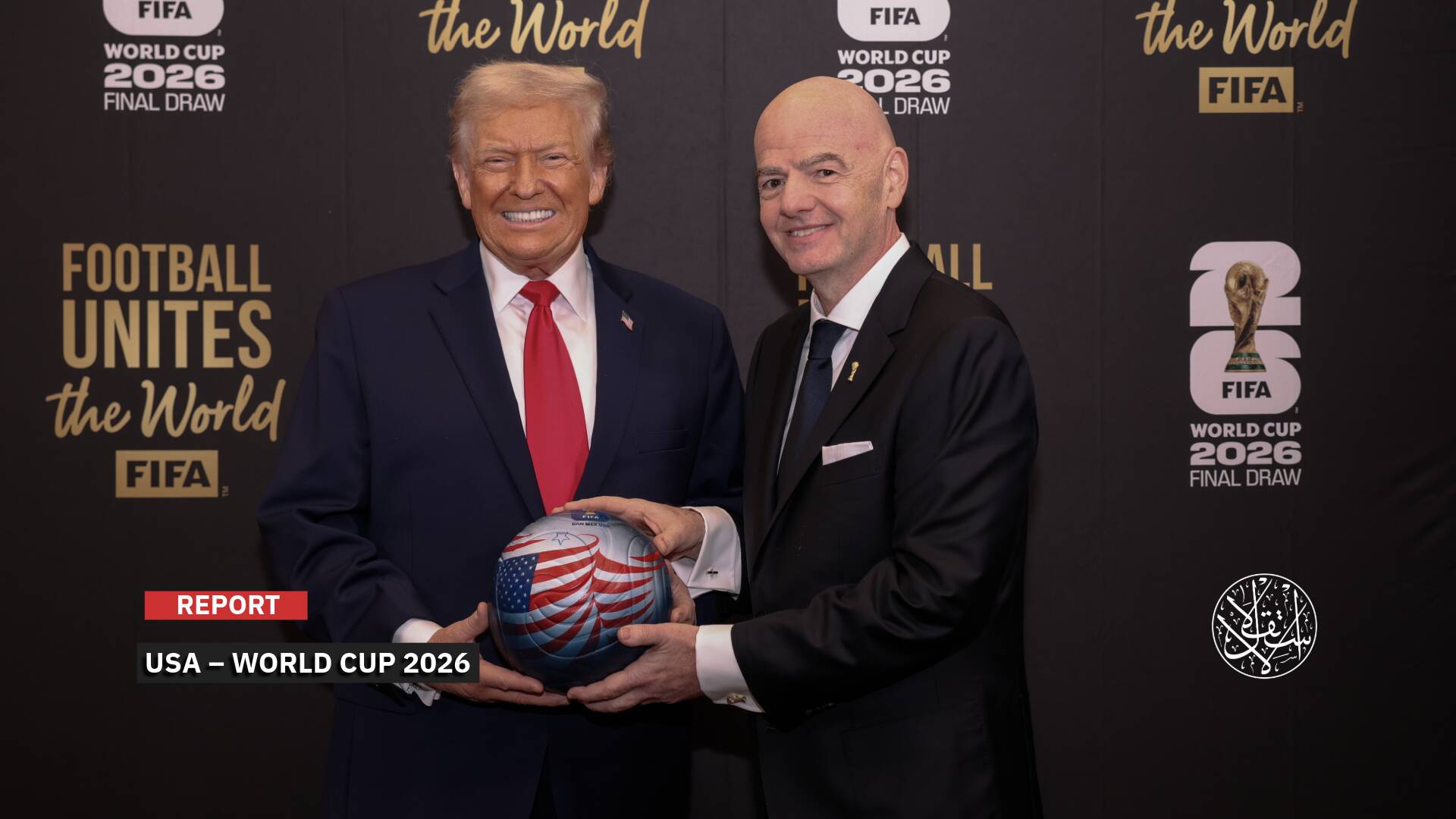
Michel Issa: Washington’s Ambassador to Lebanon, Tasked With Forging Difficult Compromises With Hezbollah
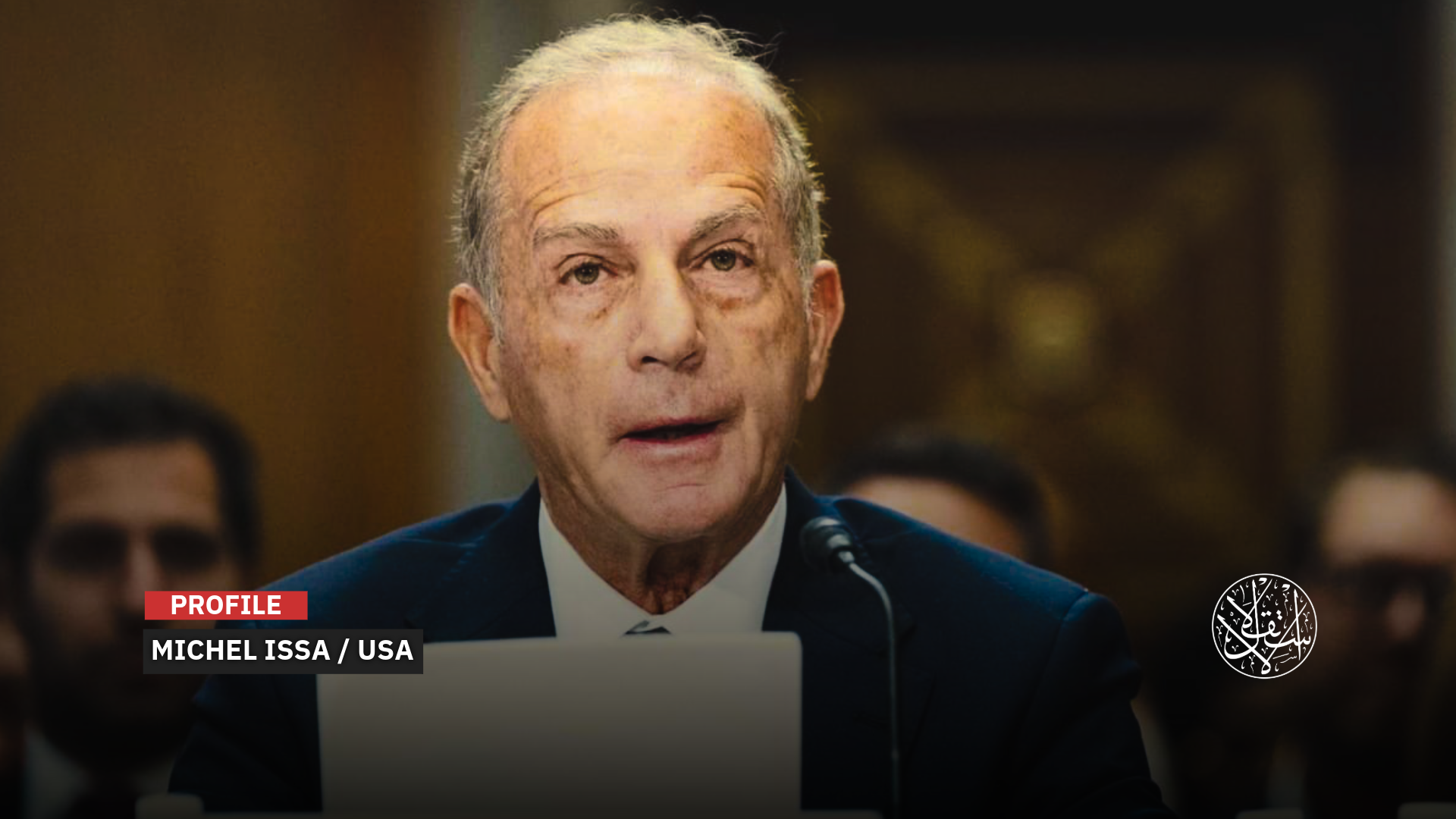
“Issa's appointment came by direct order of US President Trump.”
Michel Issa returns to Lebanon after a long absence, but this time as the new US ambassador to Beirut, succeeding Lisa Johnson.
Although he doesn't use Arabic in official settings, the 70-year-old speaks it fluently, in addition to his mastery of French, which enhances his ability to communicate with various Lebanese and European stakeholders.
On November 8, 2025, US President Donald Trump announced via Truth Social that he had signed a series of executive orders, including the appointment of a new US ambassador to Lebanon
He introduced Michel Issa as a prominent businessman, financial expert, and leader with a distinguished career in banking, entrepreneurship, and international trade.
Lebanese media reported that the new US ambassador arrived in Beirut on November 14 and was scheduled to meet with the President, the Prime Minister, and the Speaker of Parliament on November 17.
His Career
Michel Issa was born in the village of Bsous in 1950. He later moved to Paris to study economics, then to the U.S., where he built a long and successful career in banking and entrepreneurship.
He is married to a Lebanese woman and has two children. Today, he returns to his homeland at one of the most sensitive times in his life.
According to his LinkedIn profile, Issa, who currently resides in New York, studied economics at Paris Nanterre University.
He then worked at the Union of Arab and French Banks (UBAF), Chase Manhattan Bank, Indosuez, and Credit Agricole.
Issa is also a Certified Public Accountant and a bankruptcy trustee, and he has taught at several business schools.
Throughout his career, Issa held several prominent leadership positions, including CEO of Newton Investment Group (2011–present), Vice President and Deputy Treasurer at Credit Agricole Indosuez (1985–1997), and a foreign exchange and capital markets trader (1978–1982).
This experience earned him a strong reputation for crisis management and restructuring financial institutions.
In 1999, Issa ventured into the automotive sector, acquiring the Porsche, Audi, and Volkswagen dealerships in the U.S.
He subsequently became a leading expert in restructuring and managing multi-billion dollar debt.
His group generated approximately $35 million in annual sales before he divided the dealerships into three independent entities and sold them in 2010.
The new ambassador recently relinquished his Lebanese citizenship in compliance with U.S. diplomatic protocol, which requires an ambassador's complete loyalty to the sending state, and to avoid any potential conflict of interest.
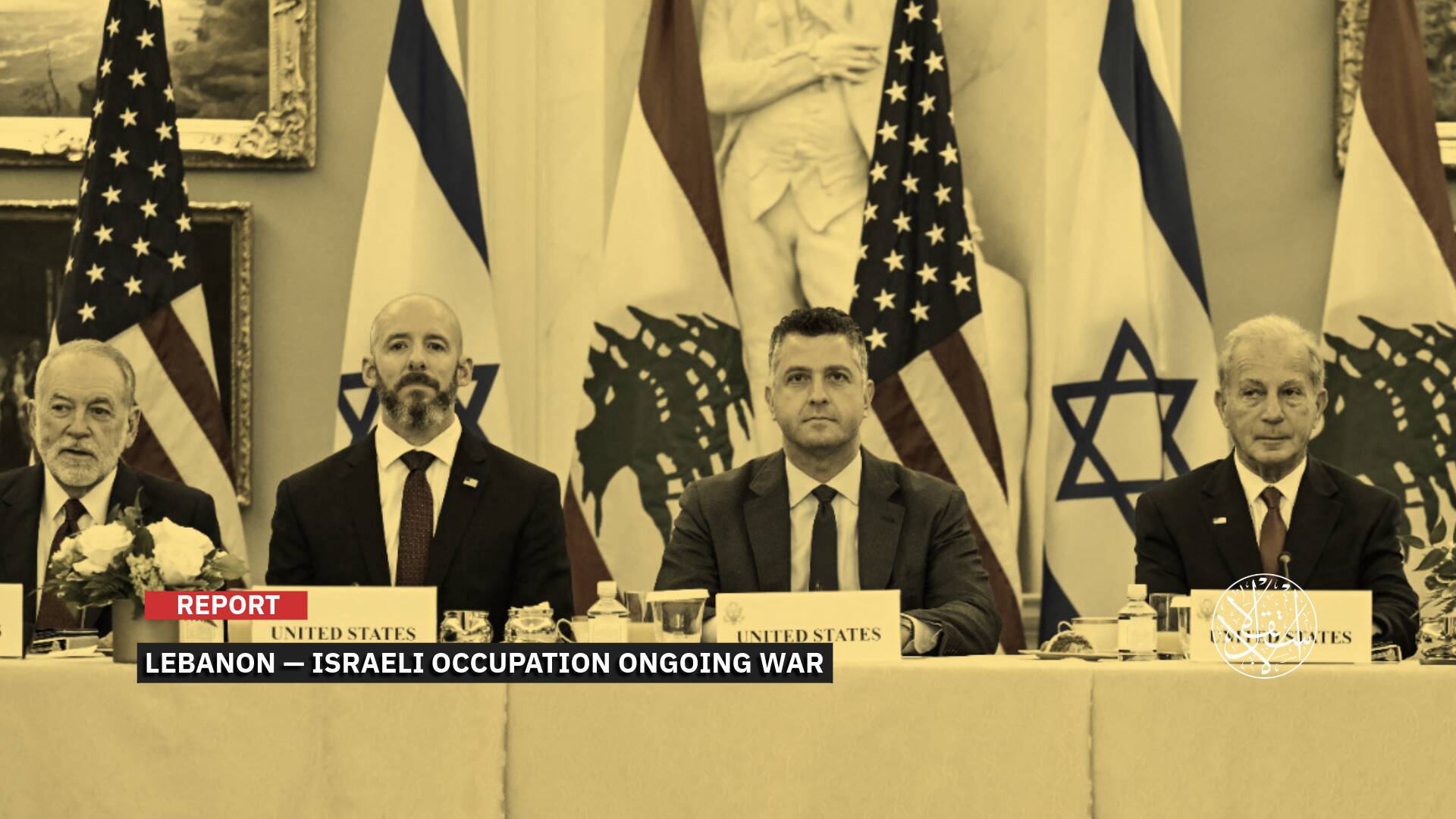
Today, Michel Issa returns from retirement to assume his post as Washington's ambassador to Beirut, at a delicate political juncture dominated by the issue of Hezbollah's weapons and the future of indirect negotiations with “Israel”.
Observers believe that Washington is banking on his financial expertise and his ability to manage the complex balances in Lebanon.
Political sources in Beirut indicate that Lebanese President Joseph Aoun is relying on Issa's role in international mediations, particularly those related to arrangements for the southern border and the security guarantees that Washington is discussing with “Israel” and Hezbollah.
With his entry into the Lebanese scene, the new ambassador is expected to reshuffle the cards both domestically and internationally, amid regional tensions and the intertwining of financial, political, and security issues that have long made Lebanon one of the most complex arenas for American diplomacy in the Middle East.
Trusted Diplomat
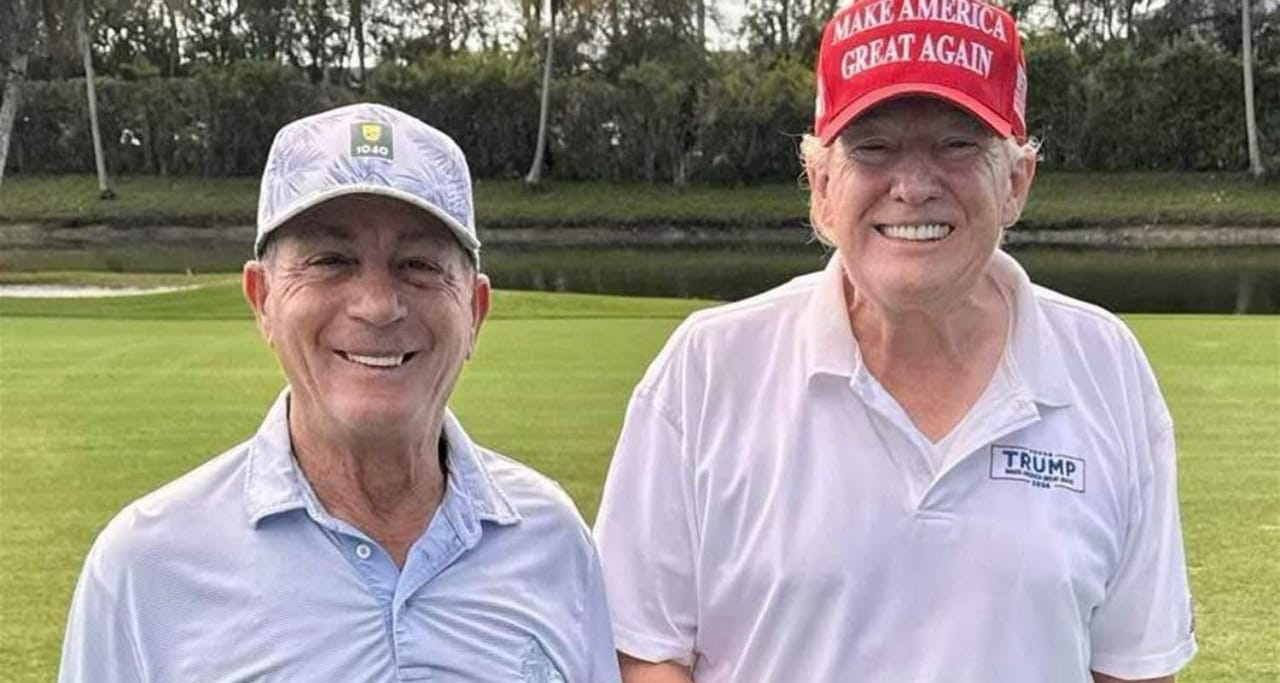
The appointment of Michel Issa as the US Ambassador to Lebanon was a direct decision by US President Donald Trump, who saw him as a successful leader, especially given their shared passion for golf and extensive professional and financial ties.
Issa gained the confidence of the US Senate after clear stances in which he asserted that disarming Hezbollah is a necessity, not an option, to protect stability in Lebanon—a position that aligns with the declared US policy toward Beirut in recent years.
In statements he made on October 16, the newly appointed US Ambassador said that assuming this post represents both a professional mission and a personal adventure, indicating that his return to his country of birth after a long absence comes at a time when Washington is working to formulate a new strategy for the region.
Diplomatic sources indicate that Issa personally requested to be appointed ambassador to Beirut from Trump during a meeting between the two at a golf tournament.
Despite Trump's warnings about the sensitivity of the situation and the complexities of the Lebanese issues, Issa insisted on undertaking what he later described as the most difficult challenge of my career.
According to other sources, the Lebanese file will be directly overseen by the new ambassador, with close coordination with the State Department and the White House, given the great confidence Trump places in Issa, who is known for his firm stance against Iranian influence in Lebanon.
Issa had previously met with a number of Lebanese officials at the Lebanese Embassy in Washington on the sidelines of the International Monetary Fund meetings on October 17.
He said at the time, “I know some of you, and I look forward to getting to know all of you,” indicating his desire to build a broad network of political relationships.
In a message to the Lebanese community in the U.S. on October 25, Issa stressed that Lebanon's future lies in recovery, independence, and unity.
He warned that the international community's patience is not unlimited, emphasizing the need to support the Lebanese army and official institutions.
Despite his lack of traditional political experience, observers expect the new ambassador to expand the scope of American diplomatic influence in Lebanon, thus ending the previous duplication of roles that emerged between the embassy and several American envoys, including Thomas Barrack and Morgan Ortagus.
Difficult Mission
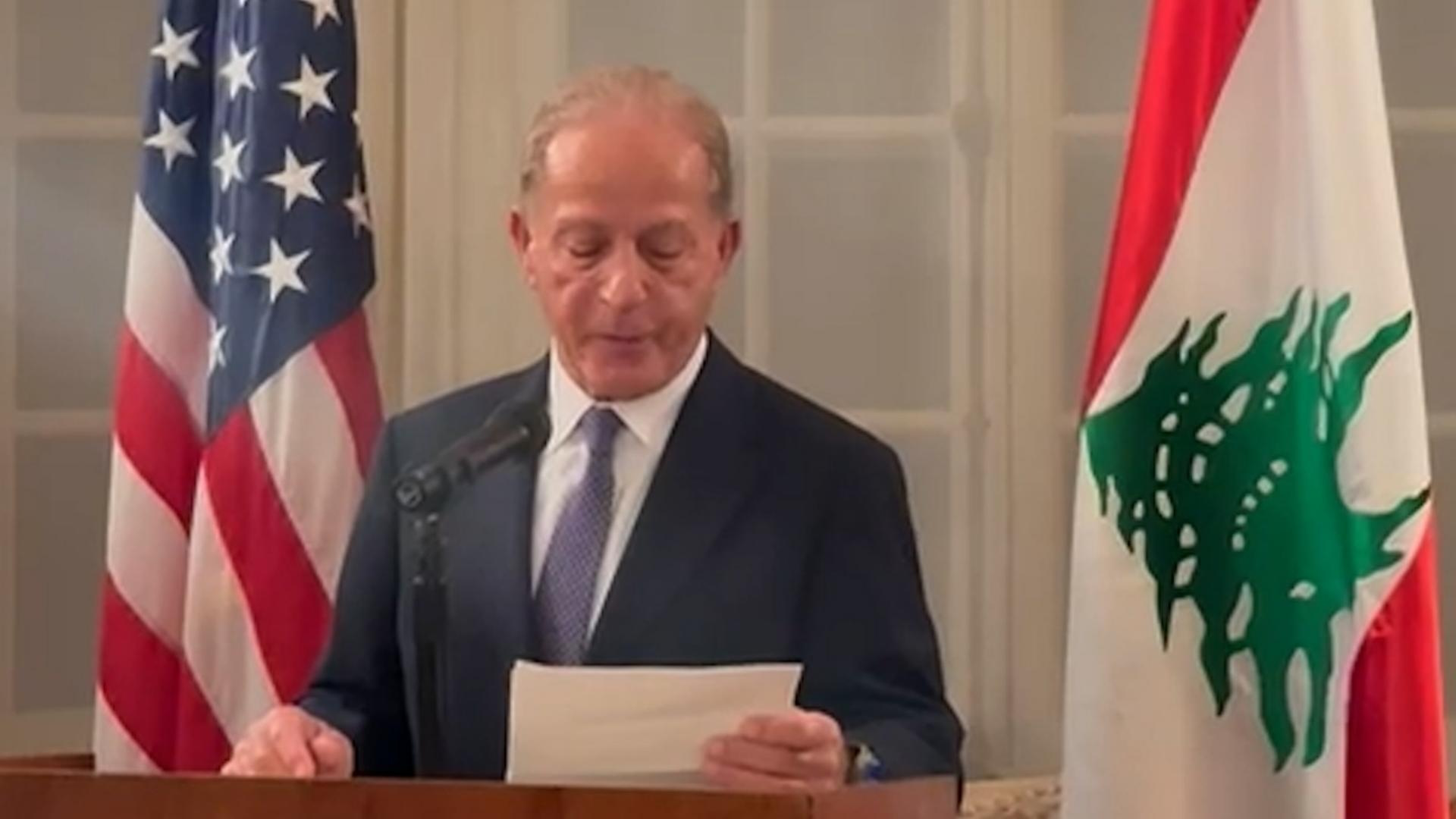
Michel Issa enters Beirut at one of the most complex political and economic junctures Lebanon has witnessed, particularly after the devastating war between “Israel” and Hezbollah, which left widespread destruction and further diminished the state's ability to manage challenges.
Washington entrusted him with a highly sensitive task, most notably Hezbollah’s weapons, which remain a central point of internal division.
This division stems from the Iranian-backed party's insistence on maintaining its weapons north of the Litani River until “Israel” withdraws from the occupied Lebanese territories in the south.
Diplomatic sources revealed that the new ambassador possesses the keys to several vital files, enabling him to handle them more effectively due to his financial expertise and international connections.
They added that Lebanon cannot be left to its fate, no matter how difficult the solutions may be, noting that any failure to complete the regional transformations—from Syria to Gaza—will have adverse repercussions on the Lebanese domestic scene.
Political analysis suggests that the recent influx of American delegations to Beirut reflects a more cautious approach, one based on political pressure without abandoning Lebanon, focusing on supporting official institutions, creating conditions for reconstruction, and facilitating the return of residents to affected areas.
Sources warned that merely issuing international warnings without providing tangible support to the government could weaken the Lebanese state, especially given the economic collapse and the social challenges resulting from the war. This necessitates a more pragmatic approach from international actors, particularly Washington.