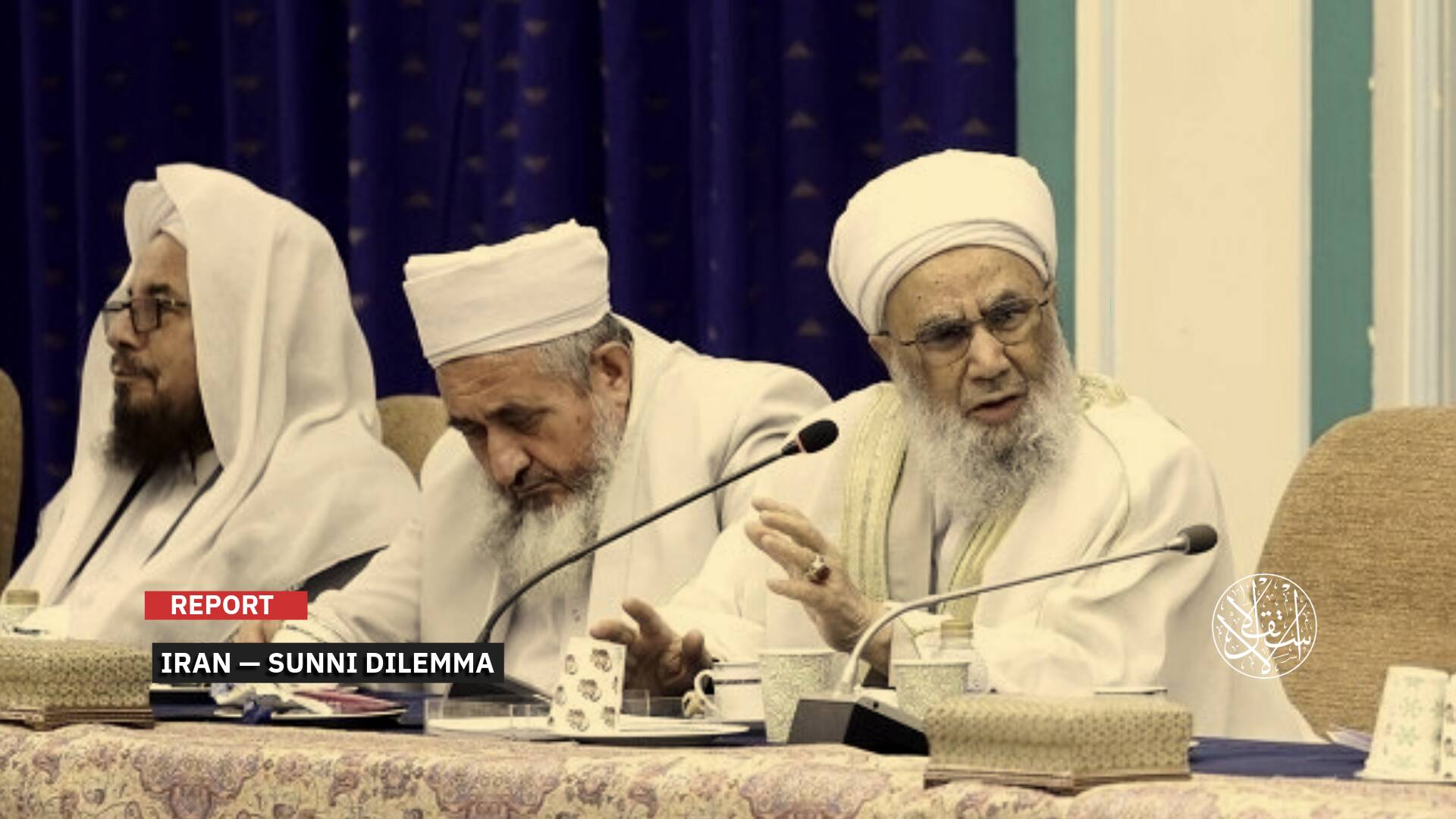
How Does Hamas Govern Gaza Amid Leadership Losses, Ongoing Genocide, and Famine?

“The Israeli Occupation cannot shatter public trust in Hamas or eliminate its existence.”
Israeli Prime Minister Benjamin Netanyahu frequently boasts about “eliminating” Hamas’s military wing, but the battlefield tells a different story. Despite his assertions, Israeli forces continue to suffer significant losses across Gaza.
During a visit to the Netzarim axis on November 19, 2024, Netanyahu declared that the Israeli army had made “excellent progress” toward the critical goal of ensuring Hamas no longer governs Gaza. However, despite claims of undermining Hamas’s military and administrative capacities, the movement remains central to managing daily life in the territory.
Hamas continues to oversee essential sectors, including healthcare, aid distribution, combating inflation, maintaining security, resolving disputes, managing religious affairs, and municipal operations.
Governance Under Fire
Despite relentless targeting of Gaza’s administrative and organizational efforts, “Israel” has failed to halt the government’s work to stabilize conditions and prevent chaos. The Israeli Occupation’s unspoken objective of spreading disorder in Gaza has become increasingly apparent.
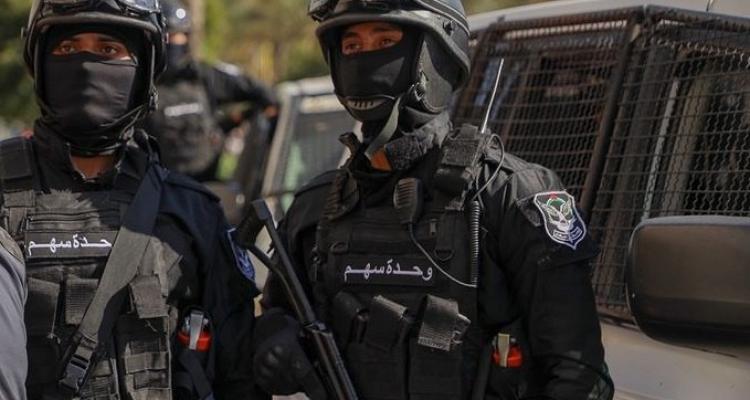
To achieve this, Israeli forces have consistently targeted police patrols and gatherings, killing hundreds of officers while on duty and attacking them in their homes, often wiping out entire families.
In response, Hamas has formed specialized units to counter these efforts. A prominent example is the Saham Unit, which has carried out operations against pro-Israeli gangs and highway robbers. On November 19, 2024, the unit neutralized over 20 individuals involved in hijacking aid trucks, using anti-personnel weaponry.
Despite Israel's war of attrition, Hamas continues to assert control and maintain stability in Gaza, defying attempts to sow chaos and undermine governance.
A New Way of Presence
The brutal policies of the Israeli Occupation forces against Gaza’s security personnel have forced the Ministry of Interior to adapt and continue operating under relentless fire using unconventional methods to evade detection.
In an exclusive interview with Al-Estiklal, a police officer from central Gaza—who requested anonymity to avoid being targeted—explained how security agencies are maintaining their duties despite the ongoing Israeli war and direct attacks on security personnel and their families.
The officer revealed that various units, including the police, internal security, general investigations, and anti-narcotics teams, remain active in the region, but have radically altered their operational methods.
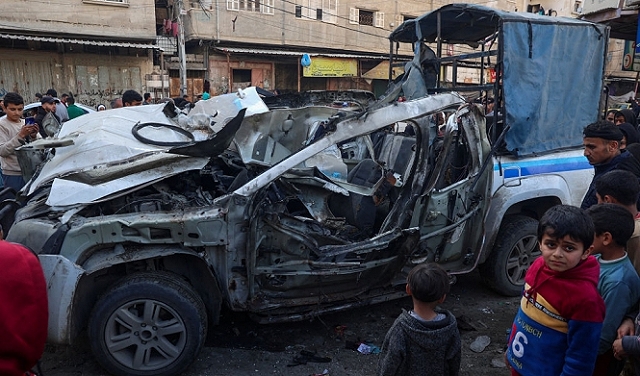
“Hundreds of our members have been martyred while performing their duties,” the officer said, describing how Israeli forces monitor and target gatherings of personnel, vehicles during security patrols, and even teams responding to armed family disputes or safeguarding aid deliveries.
The Israeli Occupation also targets officers at home, bombing them along with their families, leaving the police with no choice but to develop new strategies to fulfill their responsibilities while minimizing exposure to Israeli surveillance.
While specific measures were not disclosed for security reasons, the officer mentioned significant changes: abandoning official uniforms, avoiding the use of vehicles, and ceasing phone communication for operational planning.
“We’ve restructured our divisions and implemented a new system to secure each area,” he added. “Residents and displaced people now know how to reach us without exposing our movements to the occupation. We address every issue and track down suspects using our own methods.”
Although he acknowledged that operations are less efficient than before the war, he emphasized the dedication of security forces to their duties and noted the public’s satisfaction with their efforts.
Reform Committees
In addition to the Ministry of Interior’s efforts, Hamas’s reform committees—established during its years of governance in Gaza—play a crucial role in maintaining community security and resolving disputes.
The overcrowding of nearly two million Palestinians in limited areas, particularly in central Gaza and the Mawasi region northwest of Khan Younis, has heightened the potential for conflicts, necessitating active mediation efforts in displacement camps.
Abu Ayman Saradheh, a reform committee member in the northern governorate and a displaced resident in Mawasi, described their continuous work in resolving disputes among displaced families.
Speaking to Al-Estiklal, he noted, “We share in the grief of families who have lost loved ones, those missing, and those injured. We also assist families without shelters by mobilizing youth committees to set up tents for them.”
“People see us and Hamas as key authorities. They trust us and come to us when disputes or challenges arise. We resolve these issues by working with tribal leaders and community elders. Although we no longer have access to the Ministry of Interior as we did before the Israeli war, everyone continues to cooperate with us and follows our decisions.”
Abu Ayman emphasized that “the Israeli Occupation cannot shatter public trust in Hamas or eliminate its existence. On the contrary, its crimes have reinforced the necessity of resistance to hold it accountable for what it has committed.”
Government Work Continues
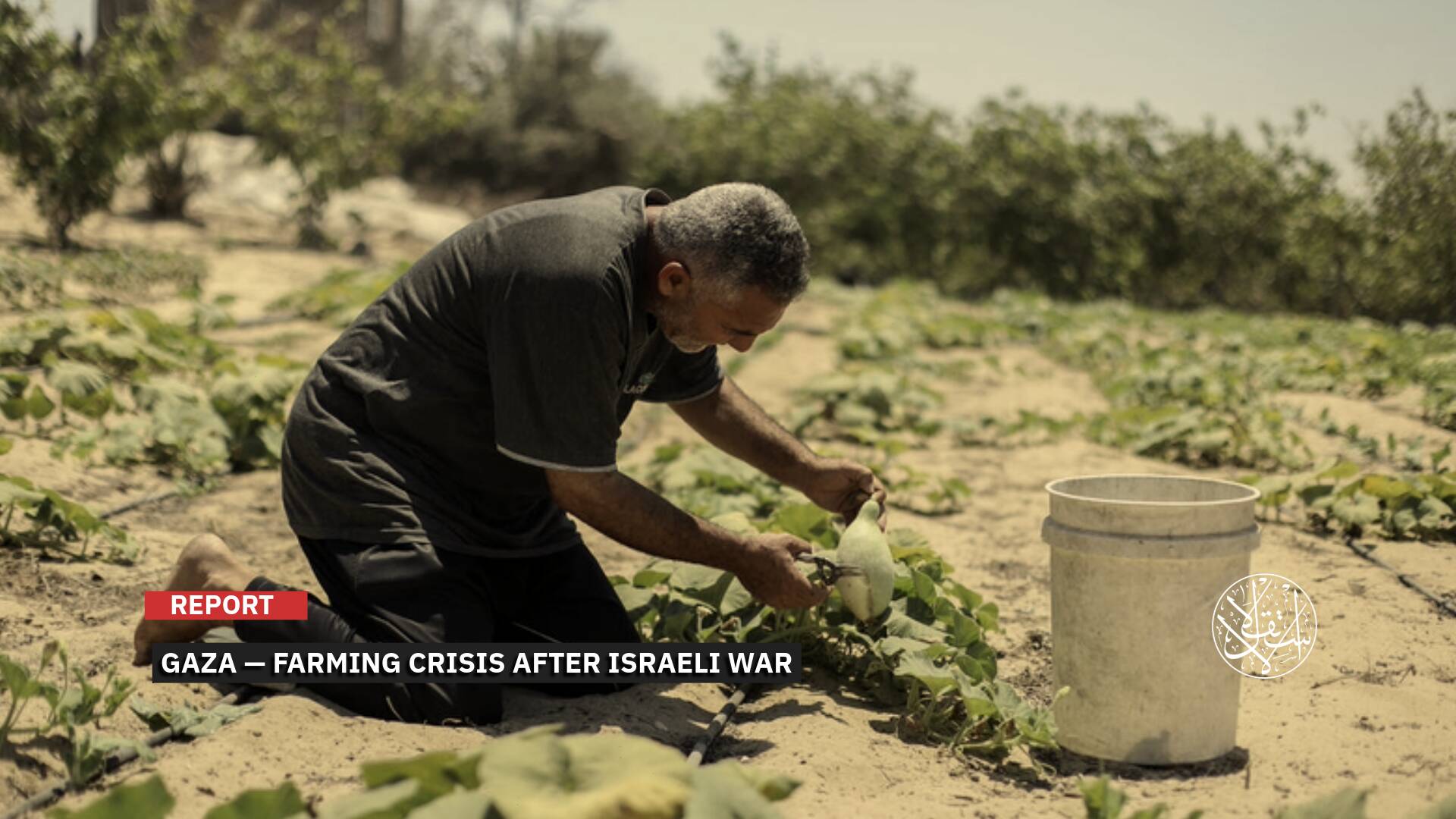
Efforts in Gaza go beyond securing residents' safety. After Israeli forces withdrew from areas they had invaded and left in ruins, local municipalities have taken on the daunting task of clearing rubble, repairing roads, and preparing neighborhoods for the return of displaced families. This work persists despite the complete lack of support and the Israeli targeted killings of municipal leaders, many of whom have lost their lives in recent months.
The Ministry of Economy in Gaza also plays a key role, actively regulating commodity prices to combat monopolies and enforce uniform pricing. Merchants found inflating prices excessively face bans from operating in the market. However, many ministry staff have been targeted by Israeli Occupation forces while performing their duties on the ground.
In response to the collapse of the government’s financial system, a new framework has been established to provide financial advances of 800 shekels (approximately $220) per cycle to government employees and retirees. While this amount falls short of meeting their needs, it offers some relief, particularly as the majority of employees remain displaced. The exact source of these funds is unclear, as previous revenue streams, such as taxes on goods entering through border crossings, have been disrupted.
Amid the severe famine gripping northern and southern Gaza, Hamas and its charitable wings are intensifying efforts to deliver aid to those in need. Youth teams are mobilized to distribute assistance.
Since the start of the war, “Israel” has escalated its attacks on Hamas’s charitable arm, which includes numerous associations, medical centers, and humanitarian organizations. In recent months, there has been a significant increase in targeting aid distribution centers and volunteers engaged in relief activities.
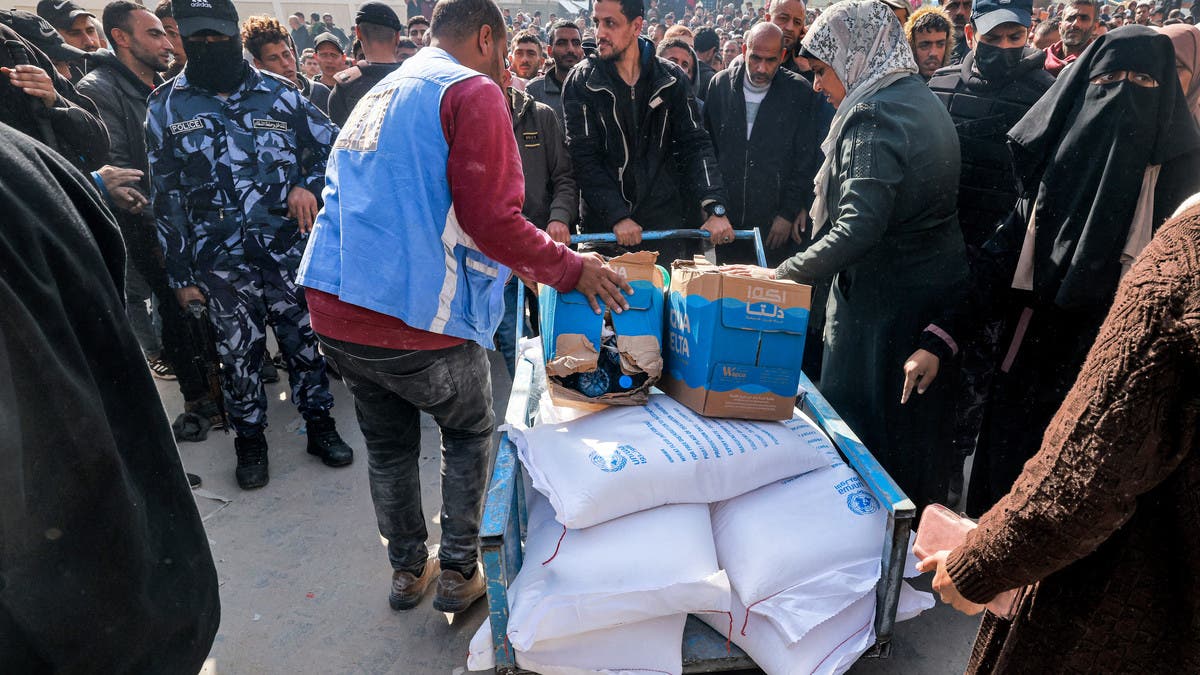
Mohammed Said, a volunteer in central Gaza, recounts how the Israeli Occupation army has destroyed all charitable centers and Islamic associations in the area. Despite this devastation, relief efforts continue—a persistence met with Israeli airstrikes targeting aid distribution points and water supply stations, resulting in numerous massacres.
“We stopped setting up aid distribution points after these massacres. Instead, we began delivering aid directly to displaced families. However, even this approach has made us targets. Two weeks ago, two of my fellow volunteers were killed when an Israeli drone struck the vehicle they were using to transport aid to those in need,” Said told Al-Estiklal.
The activist emphasized that the new method, which avoids gatherings, reduces risk for residents. “Israel” has shown no hesitation in attacking aid distribution sites, regardless of how crowded they are.
To compensate for the gaps in government services, grassroots committees composed of Palestinian factions, local families, and activists have stepped in. These organized efforts aim to support governmental roles and provide essential services to both residents and displaced people in the Strip.