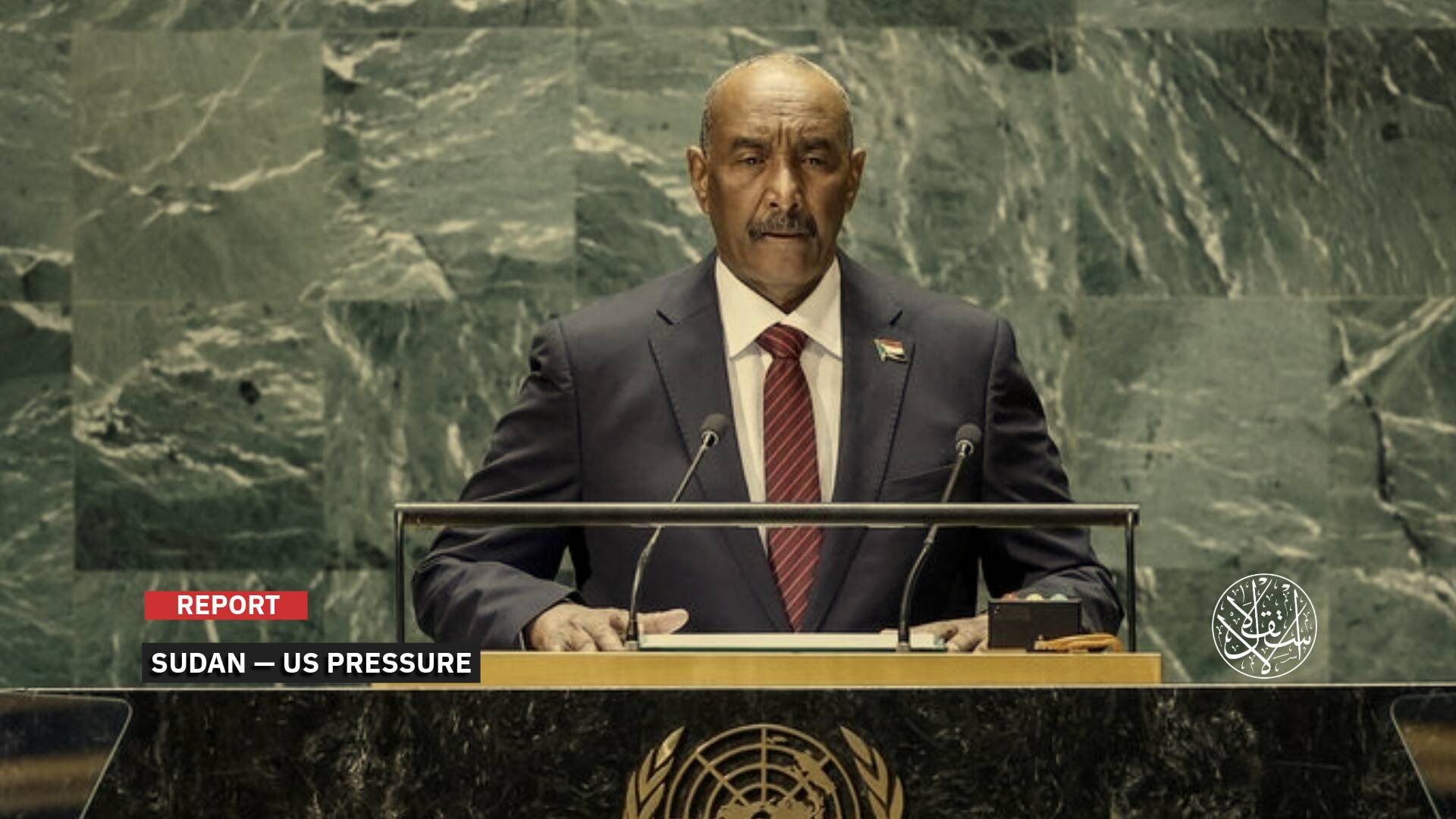
Gaza Plan Ahead of Israeli Elections: How Will Netanyahu’s Calculations Change the Course of the Withdrawal?
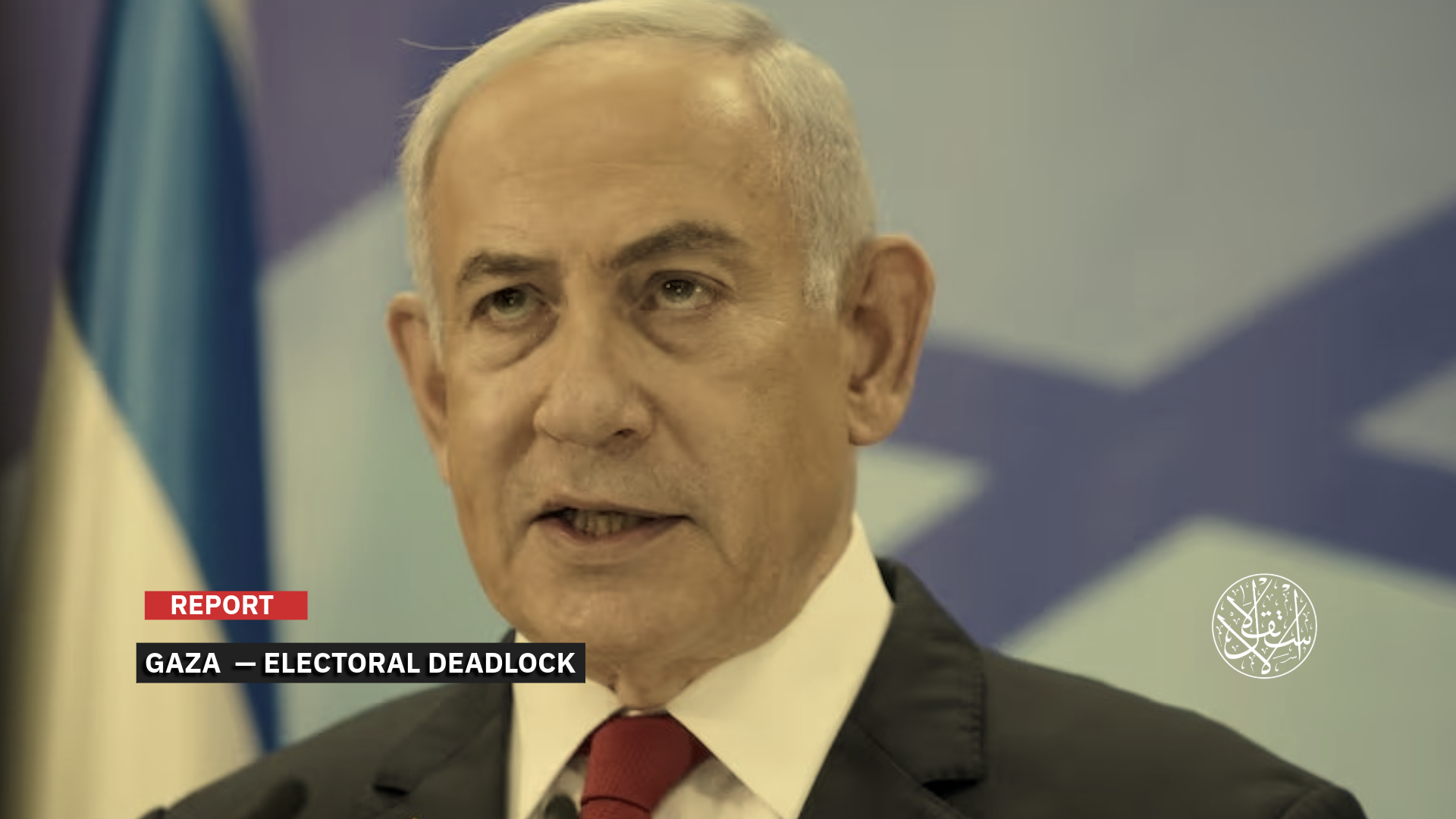
Gaza hangs in the balance ahead of the elections, caught between U.S. pressure to implement the plan and Israeli electoral calculations.
Gaza’s plan is entering a critical phase ahead of the Israeli parliamentary (Knesset) elections scheduled for October 27, 2026, as Prime Minister Benjamin Netanyahu seeks to manage an escalating “dispute” with the administration of U.S. President Donald Trump over the timing of the occupation forces’ withdrawal and the disarmament of the Palestinian resistance.
The standoff comes after nearly three years of war, during which Israeli Occupation Forces have killed more than 70,000 Palestinians and devastated large areas of the Gaza Strip.
Meanwhile, competition among “Israel’s” main political forces is centered on the terms for ending the military phase and on who has the ability to enforce the objectives that drove the war.
Gaza Plan and the Elections
The electoral positions reveal a broad area of overlap between Netanyahu’s right-wing Likud party and his main rivals over disarming Hamas and the Palestinian factions and ending their ability to govern.
The main dispute centers on the timing of the withdrawal, the criteria for determining when disarmament has been completed, who will decide whether those criteria have been met, and the extent of the “freedom of military action” “Israel” will retain after parts of the Gaza Strip are transferred to Palestinian administration and an international force.
This puts Netanyahu under electoral pressure from his far-right allies and from rivals such as Gadi Eisenkot, Naftali Bennett, and Avigdor Lieberman, each of whom could portray any withdrawal that precedes the tangible dismantling of Hamas as evidence that the government has failed to achieve the objectives it declared throughout the war.
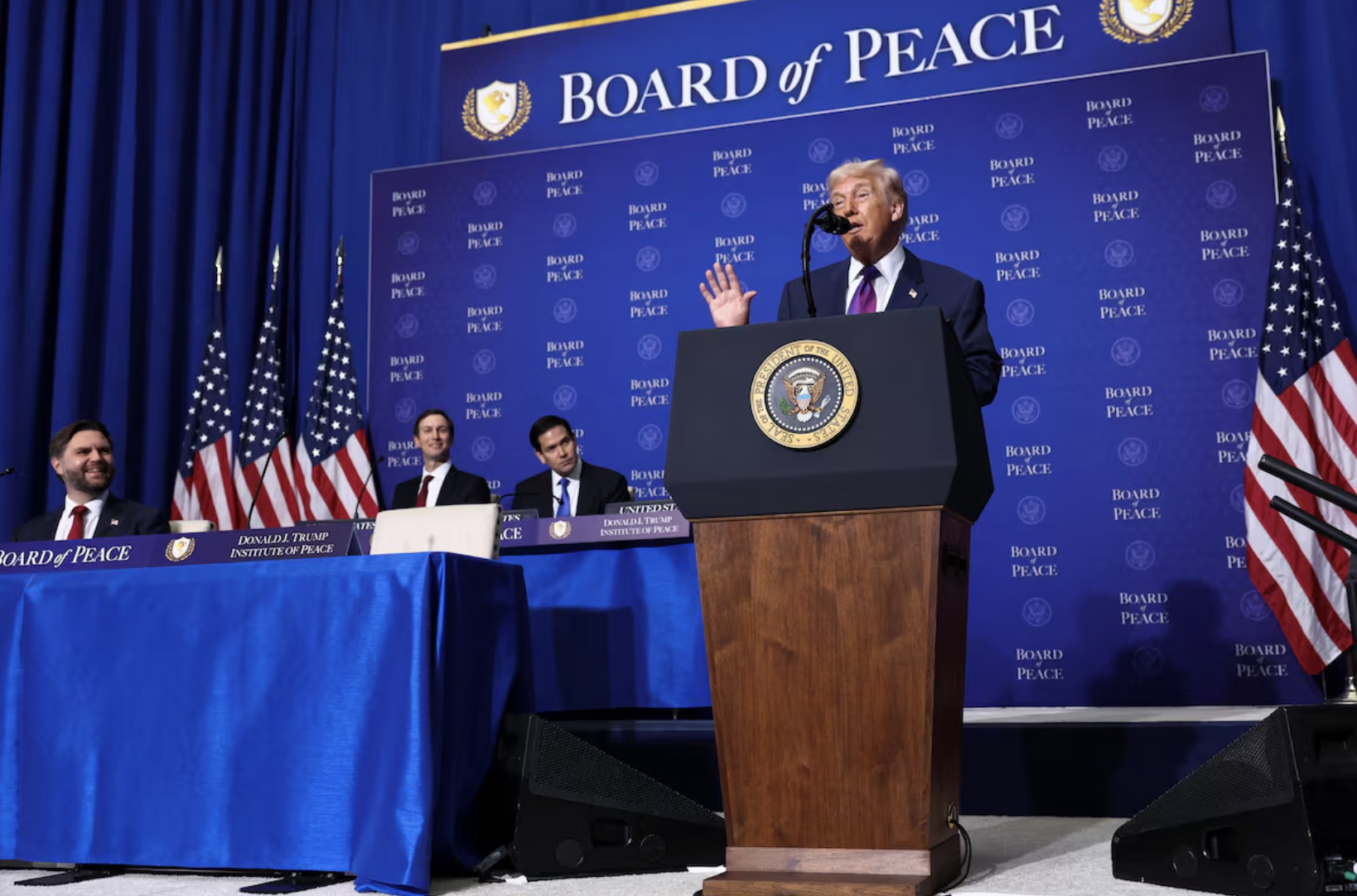
On July 30, 2026, the “Board of Peace” published a roadmap for completing the implementation of U.S. President Donald Trump’s plan for Gaza.
The document outlined a process culminating in a full Israeli withdrawal from the Gaza Strip, the transfer of governance to a Palestinian administration, and the launch of reconstruction.
The arrangements were linked to the earlier U.S. plan to end the war in Gaza. Implementation is based on a phased transition involving disarmament, verification, and the movement of Israeli Occupation Forces, with each advance in dismantlement linked to a corresponding step in the withdrawal.
The disarmament process covers heavy weapons, manufacturing facilities, weapons depots, and tunnels. It also gives the “National Committee for the Administration of Gaza” gradually expanding civil and security responsibilities, while the police undergo restructuring and personnel vetting.
The plan places personal weapons under a licensing system and Palestinian law, with the process ultimately resulting in a single Palestinian authority holding control over weapons in the Gaza Strip.
An “International Verification Committee” would monitor implementation of the commitments and certify the transition between phases, with the participation of representatives of the guarantors, the Board of Peace, and the international force.
Meanwhile, the “International Stabilization Force” would deploy between Israeli Occupation Forces and areas transferred to Palestinian administration, while also monitoring the ceasefire, training the police, and facilitating the movement of humanitarian aid.
Responsibility for internal security would then shift to the new Palestinian administration. This arrangement is intended to reduce the Israeli military’s ability to conduct incursions into areas from which it has withdrawn and make part of the security decision-making process subject to international and Palestinian mechanisms.
This is one of the main sticking points for the Israeli government, which insists on retaining an independent military capability to intervene inside the Gaza Strip, as well as a security buffer inside Gaza after the current phase ends.
The clearest disagreement between Netanyahu and the U.S. administration concerns the sequencing of the steps. The roadmap makes disarmament and withdrawal parallel processes that proceed in stages following verification that the required progress has been achieved.
On August 9, at the opening of a cabinet session, Netanyahu announced his rejection of the 15-point document in its current form, saying that the army would not carry out a withdrawal before Hamas’s weapons had been fully dismantled in all their forms.
The second sticking point concerns who determines whether disarmament has been completed. The document gives an international committee the authority to certify progress before the process moves to subsequent stages.
However, discussions in the Israeli security cabinet, or “Cabinet,” revealed objections to the identity of the committee’s participants and to the ability of international monitors to ensure that Hamas does not rebuild its capabilities.
Right-wing ministers also fear arrangements that would allow parts of the weapons to be stored under Palestinian authority rather than destroyed or removed from the Gaza Strip. This has become one of the main points of attack against the plan within the government.
The third sticking point concerns the form of control after the withdrawal. On July 5, Netanyahu said that reconstruction was contingent on disarmament and spoke of establishing what he called a “new envelope for Gaza inside the Strip.”
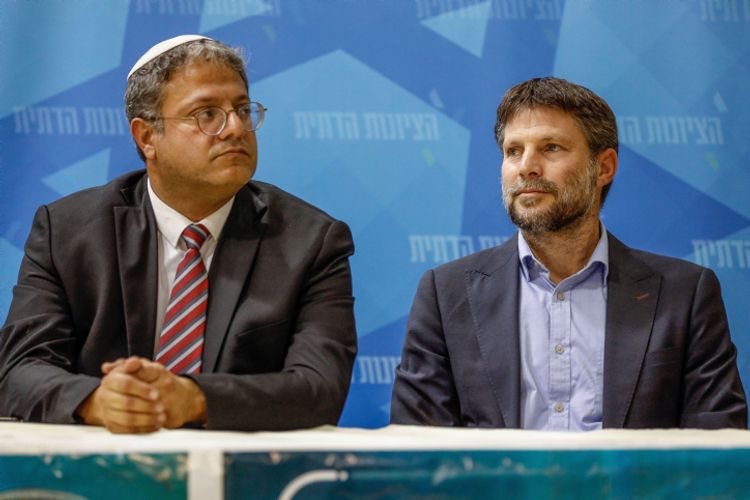
Bezalel Smotrich, Itamar Ben-Gvir, and Orit Strook have raised the conditions even further. Details of a Cabinet meeting published by Israel Hayom on August 7 showed objections to the implementation of the plan, particularly the role of the international force and any process linking the withdrawal to gradual progress in disarmament.
Smotrich called for changing the arrangement that allows parallel Israeli steps alongside the dismantling process, while Ben-Gvir pushed for the continuation of targeted killings and attacks inside Gaza.
Who Will Make Netanyahu Pay?
The Israeli elections are taking place as Netanyahu faces a close race with Zionist forces competing for the same security-minded and right-wing voters.
In a Channel 12 poll published on August 10, the “Yashar” party led by former Israeli Occupation Forces Chief of Staff Gadi Eisenkot won 24 seats, compared with 22 for Likud. A list led by Naftali Bennett won 15 seats, while Avigdor Lieberman’s Yisrael Beiteinu won 10.
Ben-Gvir’s Otzma Yehudit won 8 seats, while Smotrich’s Religious Zionism party won 5.
A poll by the Israeli public broadcaster Kan on August 9 showed Likud leading Eisenkot by roughly one seat, reflecting a highly competitive race in which limited shifts within the right and center-right could affect the prospects of forming the next government.
The first pressure comes from within the camp Netanyahu relies on to form a right-wing coalition. Ben-Gvir and Smotrich can use a broad withdrawal from Gaza to attack him from an even more hard-line position, particularly if areas are transferred to Palestinian administration and an international force while Hamas retains weapons or military infrastructure.
At the Cabinet meeting whose details were published by Israel Hayom, Ben-Gvir called for the continuation of targeted killings in Gaza, while Smotrich and Strock pushed for changes to the plan’s arrangements before implementation proceeds.
The two parties’ electoral strength gives this pressure real weight. Together, they won 13 seats in the Channel 12 poll, making them a bloc Netanyahu would need in any attempt to rebuild a right-wing coalition after the election.
On the other side, Netanyahu faces competition from Eisenkot, who uses his former military position to attack the results of the war. On July 31, he said that any agreement should be judged by whether it achieves the goal of dismantling Hamas’s military and governing capabilities, and that anything short of this should be considered a failure.
He also questioned the extent to which the Israeli government had participated in shaping the U.S. arrangements, and whether it had found itself facing an agreement formulated without the ability to impose its own conditions.
Naftali Bennett uses a hard-line security message aimed at right-wing voters dissatisfied with the government’s performance. He accused Netanyahu’s government of allowing Hamas to rebuild its capabilities and pledged that any government he leads would fully disarm the movement.
After the security establishment considered localized withdrawals, Bennett attacked the government for handing Gaza’s future over to external parties, with particular emphasis on Qatar’s role.
This message gives right-wing voters a way to punish Netanyahu outside the Ben-Gvir and Smotrich parties, through a candidate who presents himself as more capable of achieving the military and security objectives adopted by Israeli governments throughout the war.
Lieberman shares this approach from the perspective of relations with Washington. On August 12, during a tour of the area around Gaza, he accused Netanyahu of surrendering “Israel’s” independent security decision-making, saying that “Israel’s” actions increasingly require coordination with the Trump administration.
Opposition leader Yair Lapid, meanwhile, has focused his criticism on the absence of a clear Israeli plan for the next phase and on the expanded roles of Qatar, Turkiye, and the Palestinian Authority in the arrangements led by Washington.
These criticisms operate within a political space in which imposing security arrangements on Gaza that ensure “Israel’s” military superiority is a shared objective.
Their proponents, however, compete over whether to hold Netanyahu responsible for failing to achieve that objective or for losing the ability to control the course of the U.S. plan.
This competition makes any withdrawal that precedes a clear dismantling of Hamas vulnerable to electoral exploitation against Netanyahu, whether by the far right or by rivals competing with him for security-minded and center-right voters.
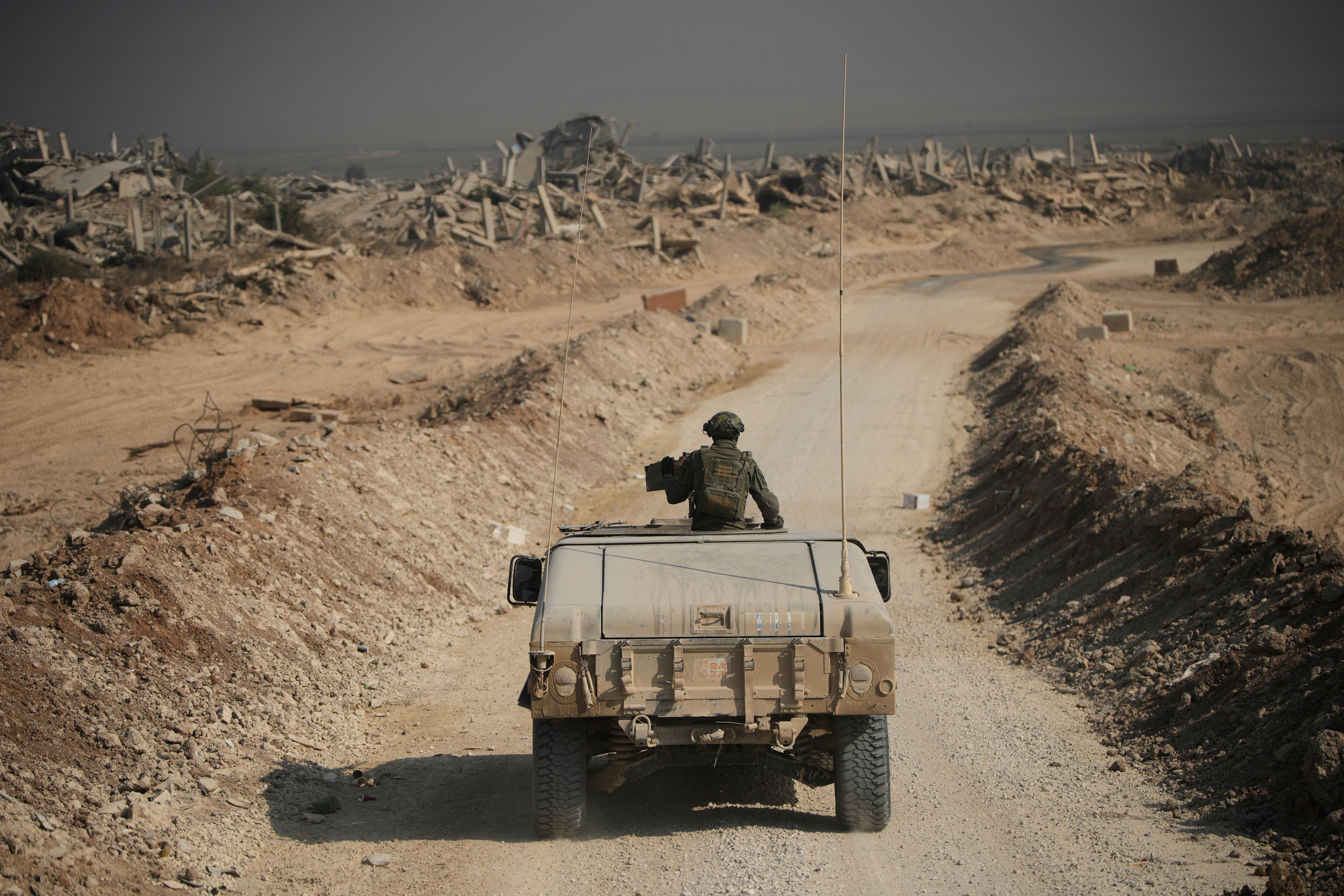
Race Against Time
The election date has entered Cabinet discussions directly. In a leak published by Israel Hayom about the August 6–7 meetings, David Zini, head of the Shin Bet, warned that Hamas could use the negotiations to buy time and prevent the resumption of large-scale military operations until the elections.
During the same discussion, Netanyahu spoke about the importance of the decisions that would be taken over the “next 90 days,” prompting Ben-Gvir to accuse the political leadership of changing its rhetoric as the vote approaches.
This discussion provides a clear indication that the electoral timetable is part of policymakers’ calculations, while withdrawal decisions also remain subject to genuine operational and security constraints.
One such constraint is the limited size of the international force compared with initial expectations. Channel 12 reported that the numbers under discussion include around 500 Moroccan soldiers, negotiations with Uganda over a similar contribution, and smaller contingents from other countries. Security officials estimated that deploying the force into Gaza could take a month and a half.
This timetable would place the actual deployment of the international force around the end of September, roughly one month before the elections, giving the Israeli government an additional argument for refusing to transfer large areas before testing the new force’s ability to operate on the ground.
The weeks preceding the vote allow for a series of limited steps that could keep the plan moving forward without transferring control over large areas all at once.
These steps include completing the verification committee, preparing facilities for the international force, training the police under the Palestinian administration, deploying personnel from the new administration to designated areas, reducing offensive operations, tightening the conditions for targeted killings, and implementing limited reconstruction projects.
The security establishment has also discussed localized withdrawals that could be presented domestically as redeployments tied to specific achievements in the disarmament process.
A broad withdrawal carries a higher electoral cost, particularly if large areas were transferred from military control to a Palestinian administration or an international force before a substantial and verifiable disarmament process is visible to the Israeli public.
Granting an international committee the authority to determine whether dismantlement has been completed also creates an additional problem for Netanyahu, as his rivals could portray such an arrangement as a concession of “Israel’s” freedom of military action and its independent ability to determine the level of threat inside Gaza.
This is why the most sensitive point in the next phase centers on the transition from preparations and partial measures to a broad and lasting change in the deployment of forces.
The Trump administration is pushing to keep the plan on track. On July 31, Trump announced that there was an understanding on disarmament.
Subsequently, the level of some Israeli military operations decreased, while arrangements related to the international force and implementation mechanisms began to take shape.
The Board of Peace gives Washington additional leverage through its oversight of the verification committee, the international force, the Palestinian administration, reconstruction, and financing, making progress on these issues largely dependent on coordination with the U.S. administration.
At the same time, there has so far been no publicly announced U.S. warning of punitive measures to compel the Israeli government to carry out the withdrawal according to a specific timetable.
Developments on the ground point to a process in which parts of the plan can continue to be implemented while a broad withdrawal remains subject to negotiation.
Israel Hayom reported on August 6 that the Israeli military had tightened restrictions on targeted-killing operations and that the Board of Peace had begun preparing facilities for the multinational force, amid U.S. pressure on “Tel Aviv” to take partial withdrawal steps before disarmament is complete.
Three days later, the newspaper quoted Israeli political sources as estimating that the dispute over the terms of the withdrawal could lead to a confrontation with the Trump administration, while Netanyahu publicly maintained his refusal to withdraw before Hamas is fully disarmed.
Thus, in the weeks leading up to the elections, Gaza remains caught between U.S. pressure to move toward practical implementation of the plan and Israeli electoral calculations that raise the political cost of a broad withdrawal before the disarmament issue is resolved, making the election date a significant factor in determining the pace of the withdrawal.