Can China’s Collectivist Cultural Model Compete With American Individualism?
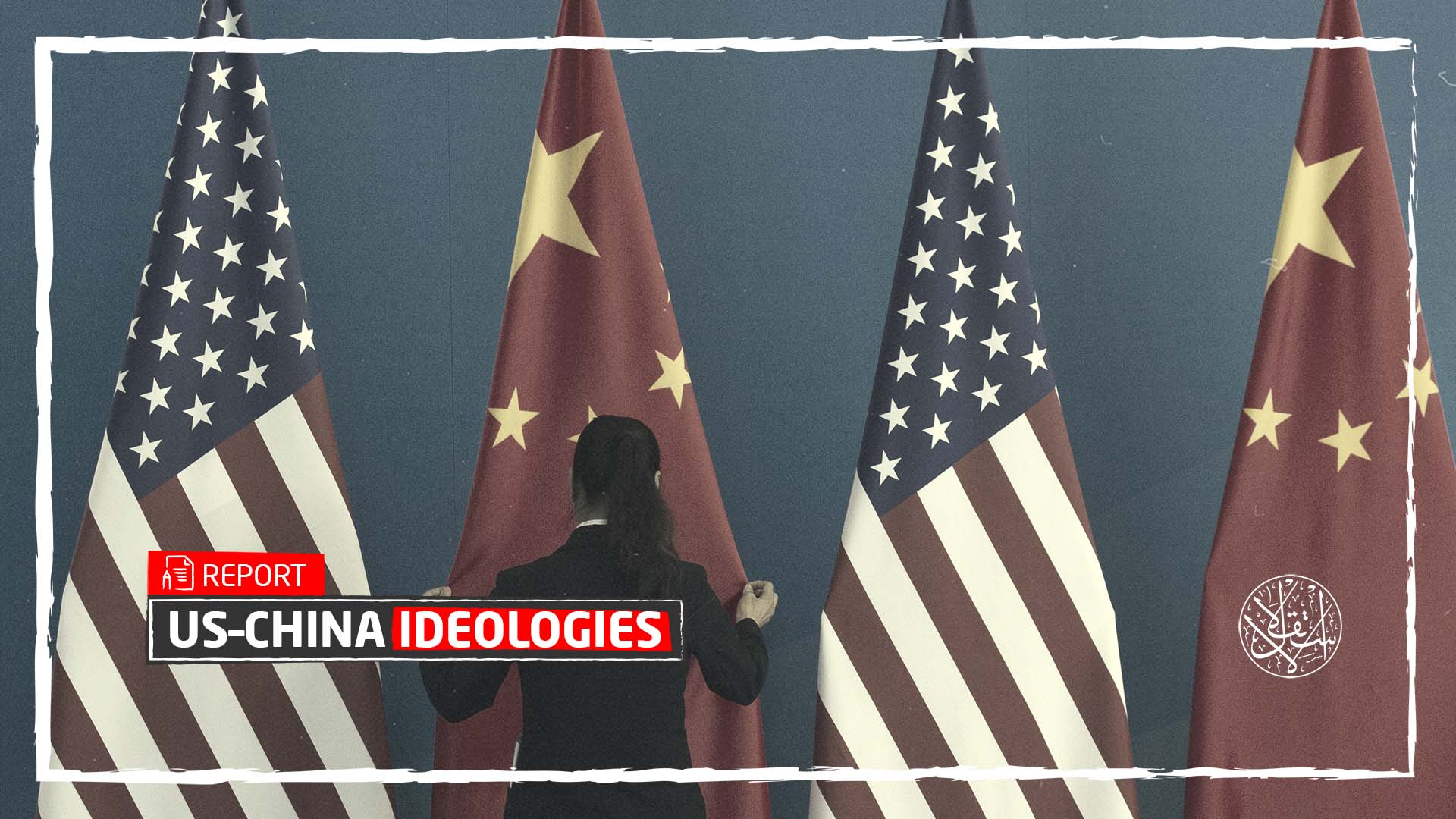
Individualism has long been at the center of Western culture, and recently it has increasingly become a global phenomenon. Yet, with the increasing global economic competition between the US and China, along with the regular forecasts about China to be the World’s future Superpower, questions arise about the chances of the Chinese collectivist cultural model to compete with the US individualistic one.
The American individualistic culture was promoted through arts, cinema, poetry, and media, directing public opinions, and shaping popular understanding and beliefs all over the world. The “American dream” became “People’s worldwide dream” as a belief that anyone, regardless of where they were born or how miserable their conditions are, should have the opportunity to reach prosperity and success through hard work. Challenging the pre-setted social structures and the social collective hierarchy, to ensure individual upward mobility, seemed inspiring.
Beverly Cage's critical presentation in Foreign Affairs of Louis Menand's new book, The Free World: Art and Thought in the Cold War, made it clear that American culture was part of the tools of the geopolitical struggle with the Soviet Union during the Cold War. So, to what extent will the US culture play the same role in its so-called Cold war with China? Could China’s cultural collectivist model be as influential as its economic system?

'Me' or 'Us'
The official website of University of Delaware explained that when Chinese people are adopting the collectivist mindset, they sacrifice their personal independence to create a supportive and protective society.
It emphasized: “The American mindset and society focuses more on freedom of choice, but does not seek to provide the level of interdependent support that exists in Chinese society.”
Kendra Cherry’s study about Individualistic Cultures and Behavior published in 2020 pointed out that: “The collectivist sense of self is defined more by who they are with other people, or by their membership in a group. Maintaining social harmony, getting along with others, and meeting social expectations are more important in collectivist cultures.”
This collectivist vs individualistic culture prevails not only in personal relations but also affects the work environment. In the US, individualism is highly-valued in work settings. For instance, employees can make decisions, be self-reliant, and be held accountable for their actions.
However in China, with their collectivist mindset, the business owners and organizations focus more on cooperation and teamwork. In brief, while the individualistic culture considers people as distinct, the collectivist one views people as a group.

Collectivism Incompatible with Capitalism
The Global Increases in Individualism study published in 2017 stressed that increasing socioeconomic development is a strong predictor of increasing individualistic beliefs, practices and values in a country over time.
Psychology researcher Henri C. Santos of the University of Waterloo said: “Much of the research on the manifestation of rising individualism—showing, for example, increasing narcissism and higher divorce rates—has focused on the United States. Our findings show that this pattern also applies to other countries that are not Western or industrialized.”
As an Alumni of the Sheffield University in the UK and former student of the South China University of Technology Noussayba Rahmouni revealed to Al-Estiklal her insights about the two cultural models and made a comparison between the individualistic culture in the US and the collectivist one in China.
Ms. Rahmouni a researcher in sociology at Kyoto University in Japan stated that: “The value system means how people perceive themselves and how they perceive the others around them and how this perception guides their actions. I can not see the collectivist value system competing with the individualistic culture because the Chinese value system is one of collective action, collective awareness that prioritizes the collective interest over the individual one.”
Ms. Rahouni explained that: “Individualism is not only present in western media, but it is also celebrated. I am sure you came across social media posts like: ‘Be you’ or ‘do not do something which does not work for you,’ or ‘Learn to say no to things that do not work for you.’ The Western media is promoting this inner ego, this inner individualist value. The western world and the capitalist system facilitate the existence of the individualistic lifestyle. It is completely understandable, the capitalist is only about what makes money and if you get two people spending individually, they will spend more than what they may spend if they live together. The collective awareness and action is not something I can see making its way cross-borders. This is sad because the collective system is similar to our system as Arabs. Since we cannot win against capitalism, the collectivist values cannot be globalized.”
She added: “Prioritizing the group interest over the individual one does not match with the capitalist consumerist value system that is spreading everywhere. In order for a value system to make its way cross-borders, it has to fit with capitalism and I don’t see the Chinese values doing that.”
Widespread Chinese Culture
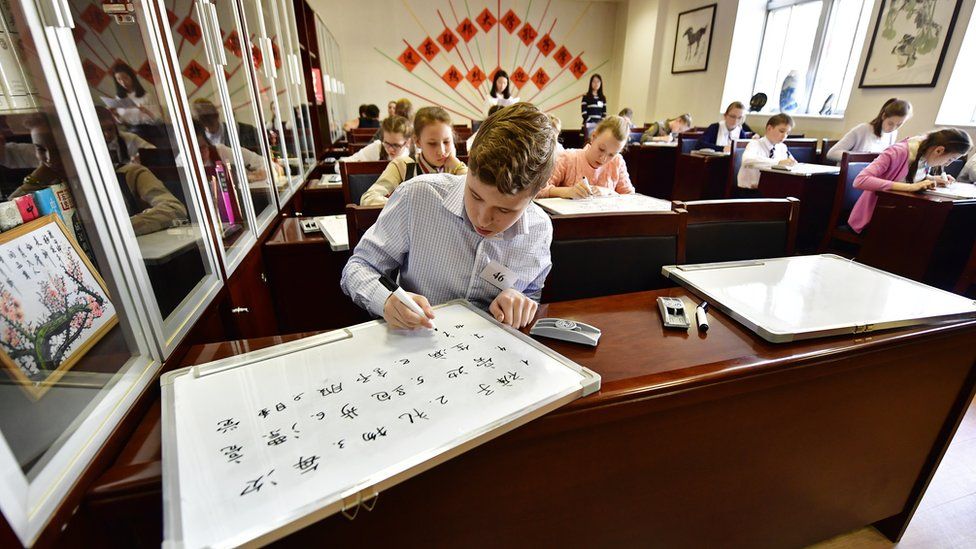
Noussayba Rahmouni told Al-Estiklal: “Chinese culture is already spreading everywhere. There is a Chinese town in every country in the world. There are Confucius institutes all over the world promoting Chinese culture and language."
She emphasized: “For me, Chinese culture is mesmerizing. It was a great experience to live in China and to experience the Chinese culture, everything was new, very different. There were many aspects of Chinese culture, architecture, art, poetry, and food. It was such a delight to experience Chinese culture. I am a fan of that culture.”