Will China Overtake the United States in the AI Arms Race?
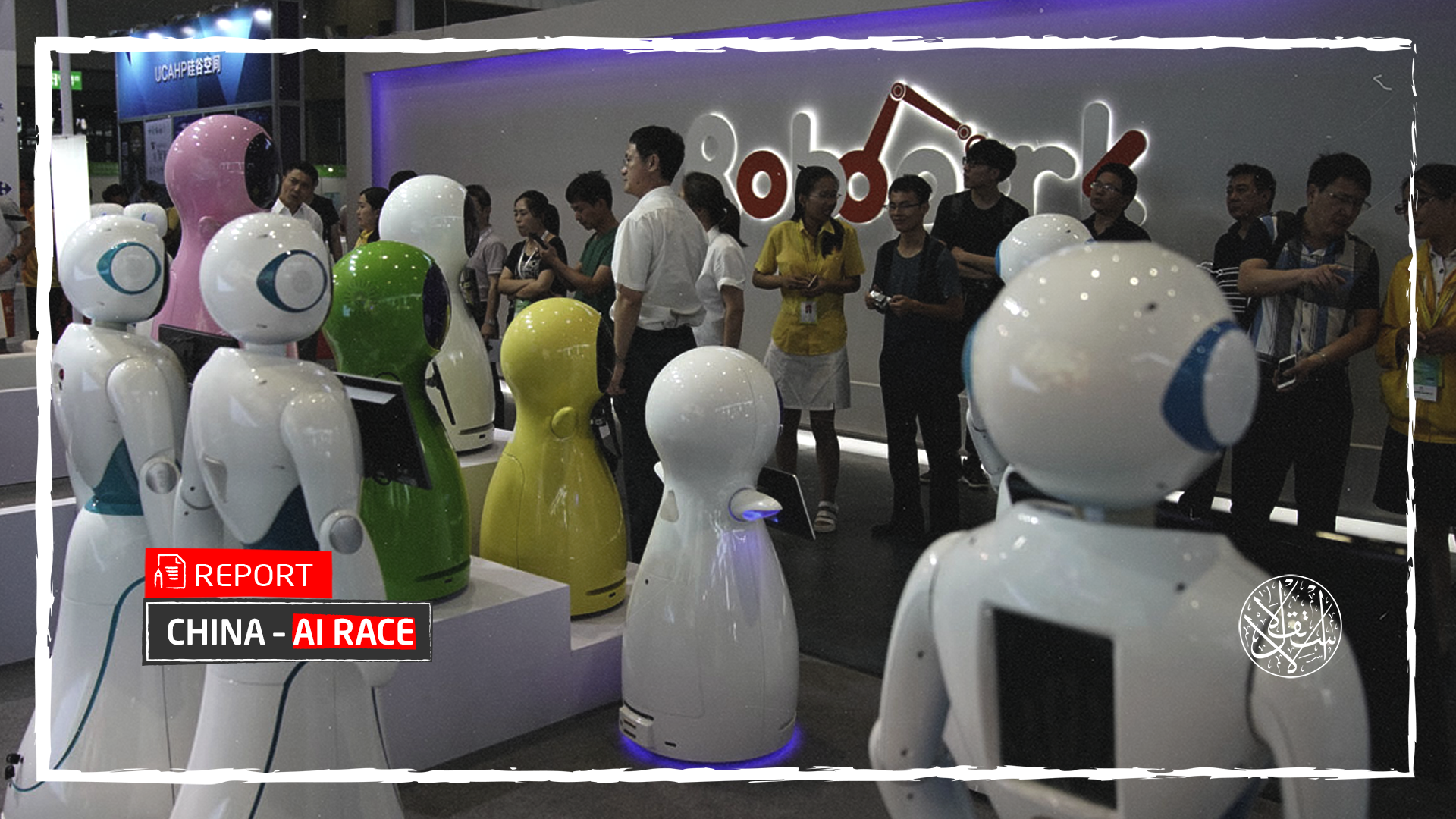
The rivalry between China and the United States over global influence has a new battleground: artificial intelligence.
The field of AI, which aims to create machines that can perform tasks that normally require human intelligence, has become a strategic priority for both powers.
Last October, the Biden administration imposed restrictions on the export of advanced semiconductor chips to China, a move that could hamper China’s AI development.
The decision signaled the start of fierce competition in the AI arena. The stakes were raised when ChatGPT, a Microsoft-backed chatbot that uses AI to generate realistic conversations, became a sensation with more than 100 million users in two months.
The success of ChatGPT, created by tech entrepreneur Elon Musk, prompted Chinese tech giants such as Tencent, Alibaba, and Baidu to announce their own plans to launch similar services in China.
The race comes as China pursues its ambitious 2017 plan, which seeks to make the country a “global hub for innovation” in artificial intelligence by 2030, according to Foreign Policy.
AI Robots
A report by Politics Today examined the rivalry between China and the United States in the field of artificial intelligence, a technology that has transformed various sectors, from health care to finance and entertainment.
The report cited several Chinese academics who expressed worries about the intense competition with the United States over AI applications and feared that it would eventually create a divide that would harm both countries.
The United States is the global leader in artificial intelligence, with many of the world’s top AI companies based in Silicon Valley.
But China is rapidly closing the gap, with huge investments in AI research and development and a growing number of AI start-ups.
China has announced plans to become a global leader in artificial intelligence by 2030.
One area where the rivalry between China and the United States is evident is the development and deployment of AI-powered chatbots that use natural language processing technologies.
One example is ChatGPT, a powerful AI chatbot that can engage in human-like conversations with users, based on a machine learning algorithm that uses natural language processing techniques to understand and respond to user input. Both countries have made massive investments in this sector.
According to a report published by Stanford University in 2022, the United States invests three times more than China in private funding to promote the development of artificial intelligence.
Chinese Competitiveness
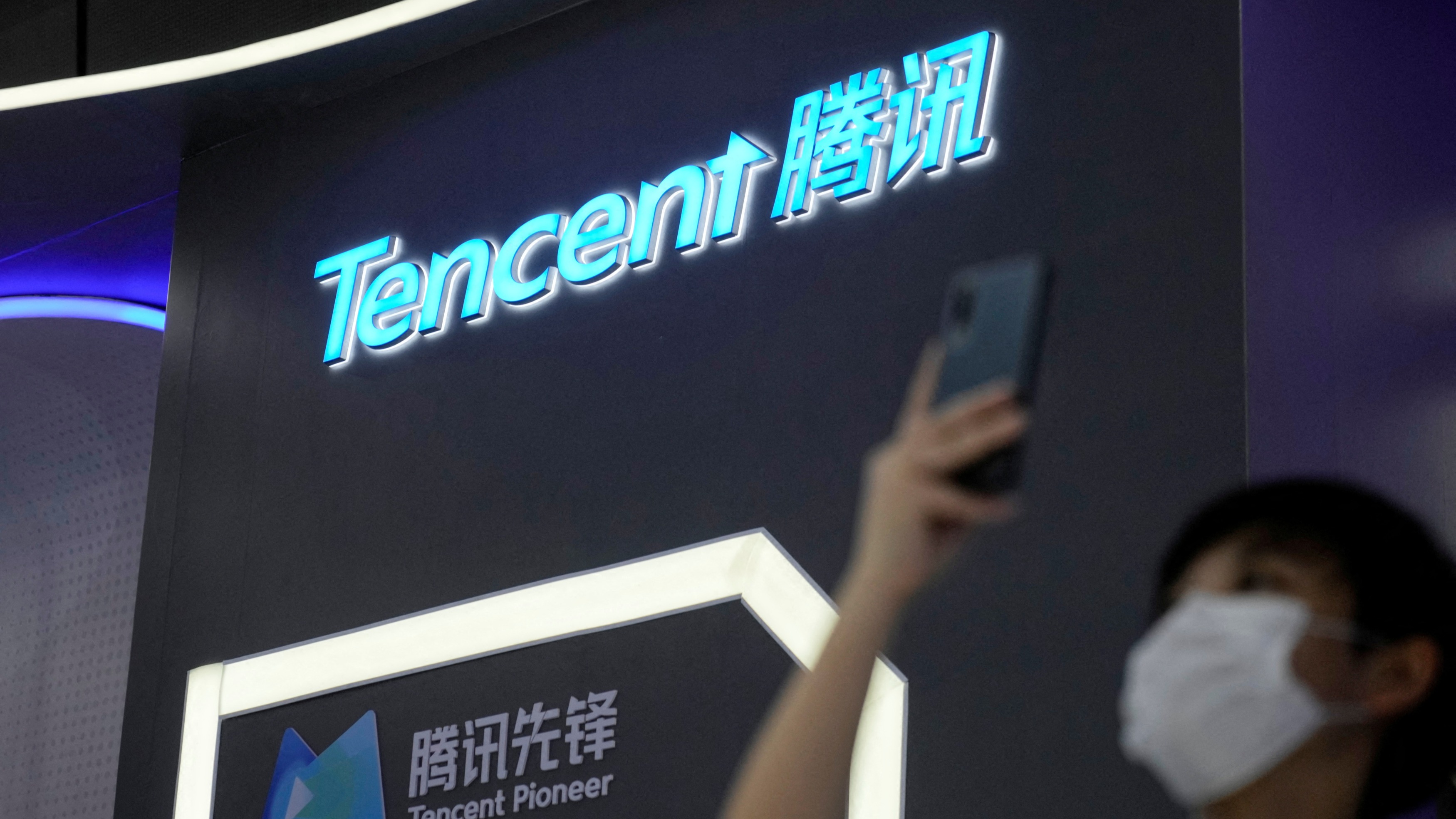
As China’s tech giants race to develop artificial intelligence products, they face different challenges and opportunities in the domestic and global markets.
Alibaba, the e-commerce behemoth, announced that it had created Tongyi Qianwen, a generative AI system that can produce text, images, and videos on demand.
The company said it would use the system to enhance its online platforms and services. Baidu, the search engine leader, also unveiled a similar product last month called Ernie Bot, which is still in testing mode.
Artificial intelligence is a vast and diverse field that encompasses various domains and applications. It is hard to assess the overall dominance of any country in this field, as different regions have different strengths and weaknesses.
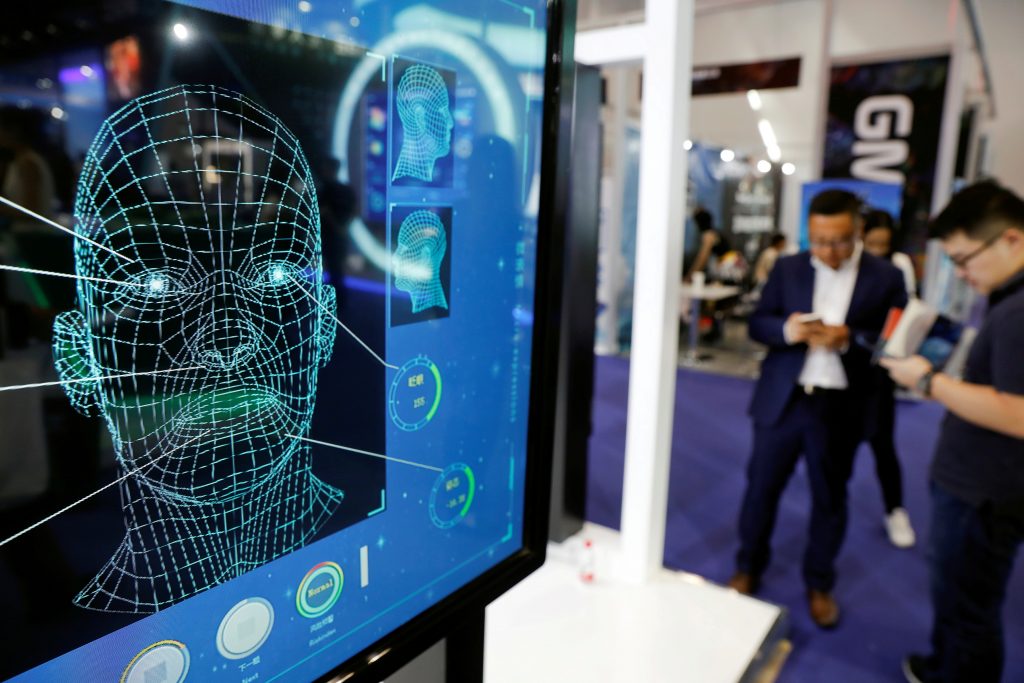
For instance, China has been a pioneer in facial recognition technology, using it for domestic security and surveillance purposes.
But this also raises ethical concerns about the privacy and rights of Chinese citizens, who are subject to massive data collection to feed AI algorithms.
Another area where China lags behind is large-scale language models, which are systems that can generate natural language responses based on huge amounts of data.
These systems require not only computational power and data resources but also linguistic and cultural diversity. Ernie Bot, for example, has limited capabilities in processing and generating English data, which puts it at a disadvantage compared to ChatGPT, a program that can handle multiple languages, including English and Chinese.
Chen Li, a Chinese tech analyst, wrote in March 2023 that Ernie Bot’s launch was met with lukewarm response from investors because of its language limitations.
However, China has made impressive progress in developing AI chatbots for its domestic market. Companies like Alibaba and Tencent have invested heavily in creating chatbots that can engage in natural and fluent conversations with users.
One such chatbot is AliMe, which Alibaba has deployed for various tasks, such as customer service, hotel booking, and more.
The Chinese government also welcomes the advances made by Western AI chatbots, according to a spokesperson.
The Chinese government has expressed its approval of the advances made by Western chatbots that use artificial intelligence, a spokesman said.
However, a recent video by a state-run media outlet accused the United States of using international chatbots to “disseminate false information and sway public opinion.”
The video came amid China’s efforts to limit its citizens’ access to popular Western websites and apps such as Google, Facebook, and Amazon and to ban many Chinese apps that allow users to interact with ChatGPT.

Research Papers Race
China has overtaken the United States as the world leader in artificial intelligence research, according to recent studies that measured both the quantity and quality of papers published in the field.
The studies showed that China produced nearly twice as many AI papers as the United States in 2021, and also surpassed it in the number of papers that were among the most cited by other researchers.
The surge in AI research reflects China’s ambition to become a global power in technology and innovation.
The studies, which analyzed data from Scopus, a database of scientific publications, found that the global output of AI papers increased from about 25,000 in 2012 to about 135,000 in 2021, with China consistently leading the pack.
In 2021, China published more than 43,000 papers, compared with about 23,000 by the United States.
The studies also assessed the quality of the papers by looking at how often they were cited by other papers in the top 10 percent of citations.
In this metric, China also surpassed the United States in 2019 and widened its lead in 2021, with 7,401 papers in the top tier, compared with 4,352 by the United States.
The United States had previously dominated this category, with 629 papers in 2012, while China had 425. The studies also ranked the most influential institutions in AI research based on citations.
While American tech giants like Alphabet, Microsoft, and IBM still topped the list in 2021, four Chinese companies—Tencent, Alibaba, Huawei, and State Grid Corp.—made it to the top 10, displacing some of their American counterparts.