Why Is the Moroccan Ministry of Religious Endowments Targeting Sermons Directed at Citizens?
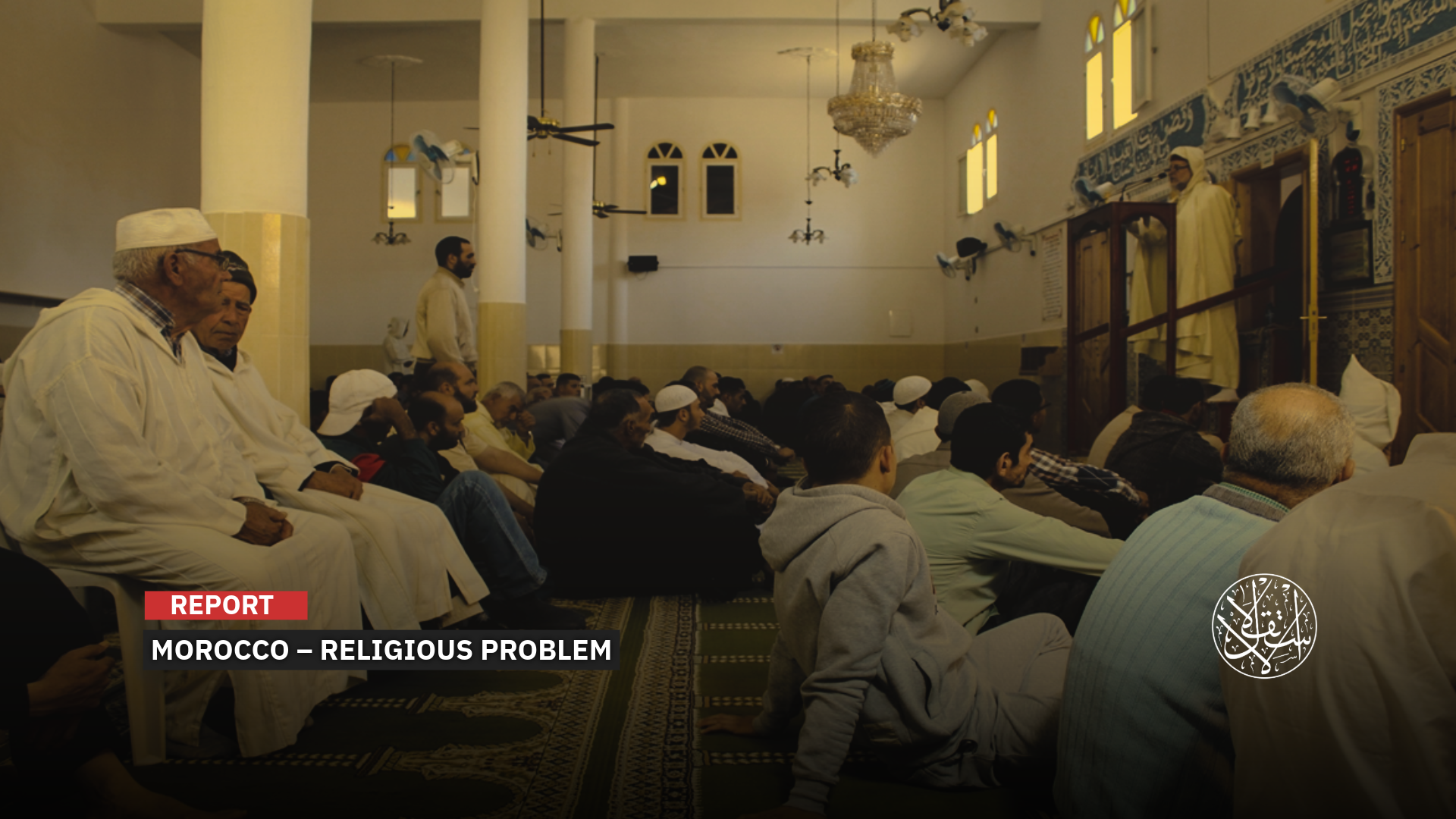
“This decision is the clearest evidence of the dilution of religious practice.”
The Moroccan Ministry of Religious Endowments and Islamic Affairs has found itself facing a storm of criticism due to accusations of controlling the religious sphere and stripping it of its vital role in addressing citizens' concerns.
These criticisms stem from the Ministry's announcement of a standardized version of the Eid al-Fitr sermon for 1447 AH (2026), which was delivered by preachers and imams in mosques across the country. This move has sparked widespread disapproval and anger among large segments of Moroccan society.
National Catastrophe
Among those angered is the head of the Moroccan Scholars Association, Hassan bin Ali al-Kettani, who wrote: “We used to complain about the standardization of the Friday sermon… now it has extended to standardizing the Eid sermon. What is happening is a catastrophe.”
“A short sermon devoid of any mention or supplication for calming the situation of Muslims and warding off harm from them, and completely devoid of any reference to what is happening to the third holiest mosque, Al-Aqsa Mosque,” he added.
For his part, a researcher in political and institutional communication, Abdesamad Benabbad, believes that standardizing the Eid sermon across all prayer areas is neither a cause for celebration nor a sign of patriotism.
He expressed his strong criticism of what he described as the Islam imposed by an official in Rabat on all Muslims in Morocco.
As for journalist and activist Ibrahim Alwazzan, he said that the Eid sermon used to provide preachers with an opportunity to enjoin good and forbid evil, urging believers to adhere to their religious duties and good deeds, engage in reform projects, and warn them against normalization policies that undermine the foundations and pillars of the faith.
He added, “This sermon, which is only delivered twice a year, on Eid al-Fitr and Eid al-Adha, has been taken over by the government plan, which has essentially mummified it into a single sermon, far removed from everything we mentioned previously.”
“Let's not forget, on this occasion, the preachers who were arrested for delivering sermons that did not comply with the regulations governing religious affairs in Morocco,” he said.

Unified Sermon
Since June 2024, the Ministry of Religious Endowments has been unifying Friday sermons, a move that has drawn sharp criticism from civil society, religious, and political organizations.
The strongest of these criticisms came from former Prime Minister Abdelilah Benkirane, who expressed his rejection of the Ministry of Religious Endowments' decision to unify the Friday sermon, deeming it a measure detached from reality and potentially detrimental to worshippers' engagement with the message of the sermon.
During a meeting with members of the political youth wing of his Justice and Development Party on November 9, 2025, Benkirane stated that he completely disagrees with this decision.
He explained that the Friday sermon should remain a space for the personal interpretation of preachers, as each region has its own specific characteristics and issues that require direct address from the pulpit.
He added that the idea of unifying the sermons had previously been proposed by Egyptian President Abdel Fattah el-Sisi during a meeting at the latter's request, after Benkirane had initially refused to meet with him.
At the same time, Benkirane expressed his admiration for the quality of Friday sermons in Morocco, saying that they are generally of a high standard and contain valuable content.
He warned that setting a unified sermon and announcing it early on Wednesday may reduce its dynamism and interactive message, suggesting that this could even threaten the Friday prayer itself, in terms of attendance at congregational prayers.
He concluded his appeal by calling on the Minister of Religious Endowments and Islamic Affairs, emphasizing that his position stemmed from a spirit of brotherhood, love, and respect.
He called for a review of the decision to ensure the Friday sermon remains a vibrant space for raising awareness, providing guidance, and engaging with the issues facing Moroccan society.
In June 2025, Ahmed al-Raissouni, former president of the International Union of Muslim Scholars, asserted that controlling the religious content of official religious institutions weakens their effectiveness and credibility.
He pointed out that this approach hinders their ability to absorb the religious dynamism within society and compete with Islamist movements.
He argued that standardizing the Friday sermon has led to a loss of trust between people and mosques.
“This trend has stripped the Friday sermon of its true meaning and weakened the trust that once bound worshippers to their preachers,” he added.
He noted that people need a sincere and engaging discourse that captures their attention and answers their questions, but the current standardized sermons are alienating worshippers instead of drawing them closer to mosques.
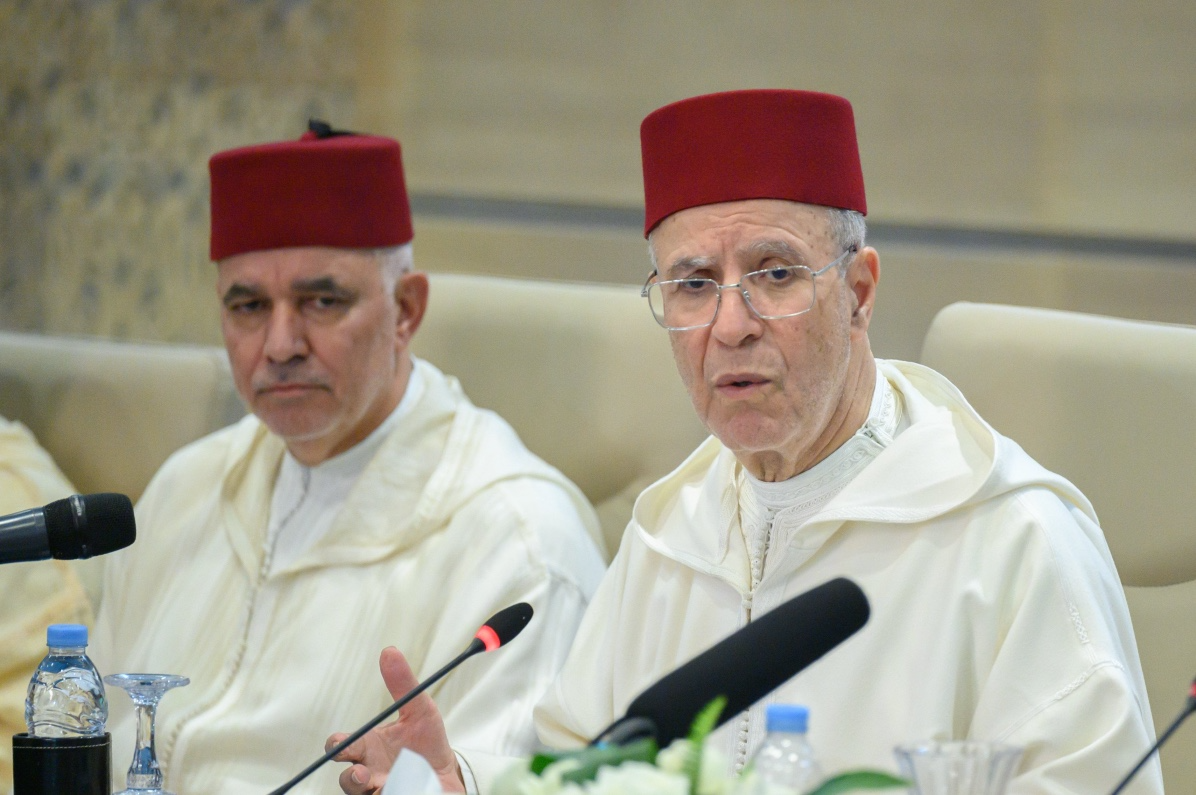
Controversial Debate
The Minister of Religious Endowments and Islamic Affairs, Ahmed Toufiq, described those who oppose unifying the sermons as criminals, asserting that such criticism targets the Supreme Council of Scholars, which represents the nation's religious leadership.
In November 2025, he said: “How can someone claim to understand more than the Supreme Council of Scholars?”
He clarified that scholars propose the sermon topic but do not impose it on preachers, noting that the fundamental principles upon which the sermon is based are faith and good deeds.
However, university professor Abdelkbir Hamidi quickly responded to the minister's statement at the time, considering it yet another blunder.
He emphasized that discussing subsidiary religious issues and administrative matters is a legitimate right in a Muslim society that embraces democracy, pluralism, and freedom of opinion and expression, all within the bounds of Islamic law and ethics.
He pointed out that the unified sermon is not divine revelation, as the minister himself stated, but rather a human endeavor open to discussion and review, especially when it concerns regulating matters of preaching and public speaking that affect people's daily lives.
He stated that defending the unity of religious discourse does not mean suppressing dissenting opinions or criminalizing discussion of them. Rather, it necessitates opening a scholarly and institutional dialogue that balances preserving religious principles with guaranteeing freedom of thought and interpretation.
He emphasized that criticizing the plan for standardizing sermons or the unified sermon does not constitute an attack on the "leadership of the nation," as the minister claimed. Instead, it falls within the framework of legitimate discussion about religious policies and ways to develop them in a manner that serves the objectives of religion and the interests of society.
He cautioned that respecting scholars does not mean suppressing intellect, nor does it justify labeling critics as criminals. The duty, he asserted, is to open a calm dialogue that brings together scholars, preachers, and the community, so that the religious institution remains in active interaction with the people, not in a position of guardianship over them.
He concluded that those responsible for religious affairs are required, above all others, to be wise and compassionate, because their pronouncements are not merely administrative decisions, but spiritual and moral guidance for society.

Silencing Voices
In his analysis of the decision, Islamic researcher Mohamed Awam told Al-Estiklal that the Ministry of Religious Endowments and Islamic Affairs continues its obstinacy in unifying the sermon.
He added that the Ministry surprised the Moroccan public with its decision to unify the Eid sermon, which ignores the issues facing the Muslim world, including the closure and restrictions imposed on the Al-Aqsa Mosque, and the starvation and siege imposed on Gaza by the criminal Zionists before the eyes of the world.
He pointed out that unifying the sermon is the clearest evidence of the war against the pulpits, the silencing of preachers, and the dilution of religious practice, which paints a clear picture of an uncertain future for religious life in Morocco.
He emphasized that what is happening is alienating people from the love of mosques, thus calling into question the credibility of the Ministry and its scholarly councils.
“We are facing a new phase, one that began with silencing preachers and reducing them to mere readers of sermons of dubious origin, sermons that find no real resonance with the people, let alone the preacher himself,” he said.