What’s Behind Al-Azhar’s Condemning of the Homosexual Agenda in Egypt?
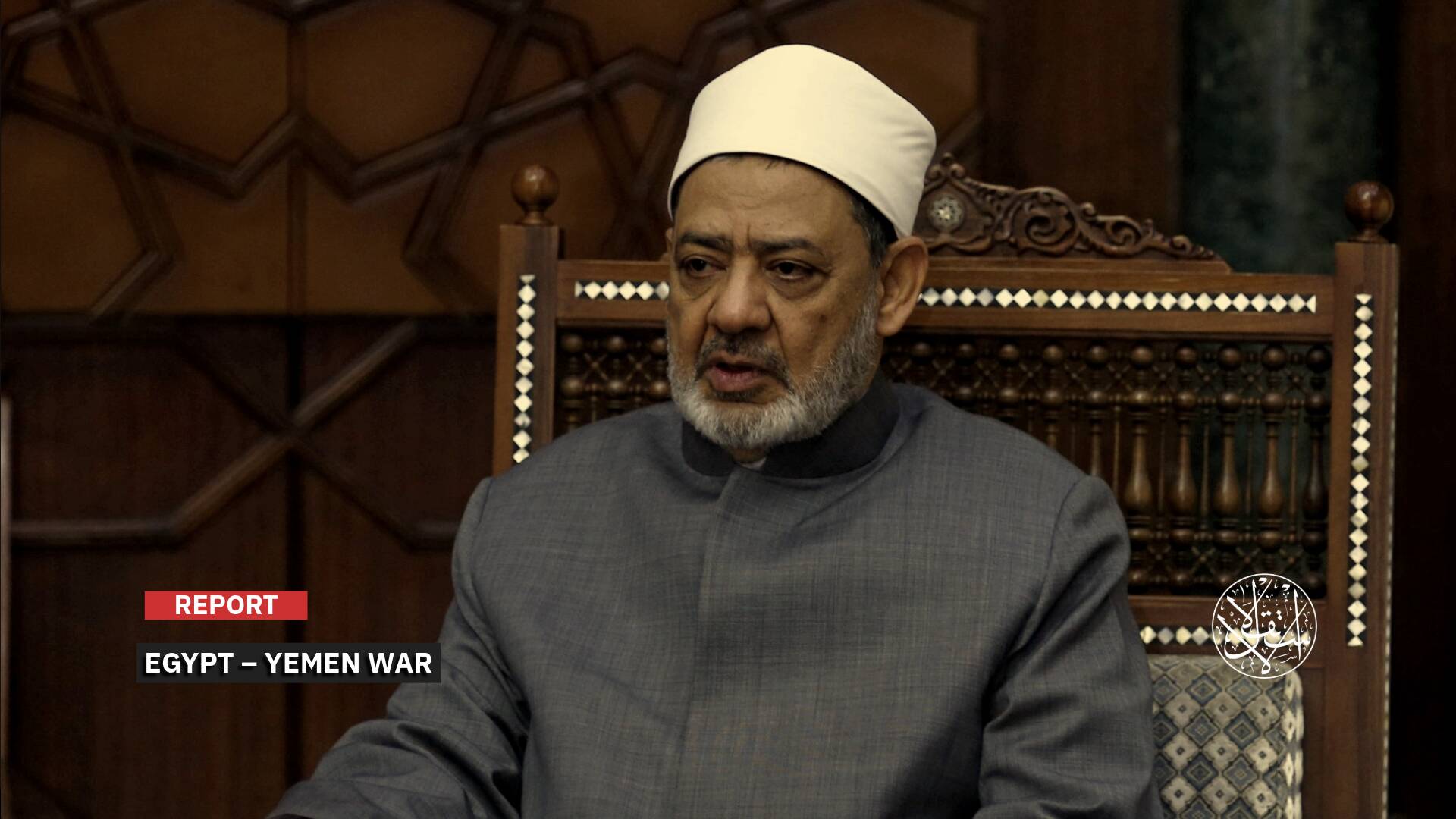
On December 19, 2021, Al-Azhar’s Sheikh, Ahmed al-Tayeb, issued a statement denouncing what he said was a "Western cultural invasion" aimed at "legalizing homosexuality and sexual transformation" in eastern societies.
This came during Sheikh Tayeb's meeting with the Indian ambassador to Cairo, where he said that "although eastern and western civilization do not resemble many differences in origins and values, this does not prevent their convergence and openness to dialogue and living together.”
He stipulated that this convergence and openness should "come within the framework of respect for eastern culture and values, and understand the nature of the difference that God has made to conduct the work of this universe."
"We are now witnessing a Western cultural invasion of our eastern societies, with claims of rights and freedoms, to codify homosexuality, sexuality and other unacceptable ideas," Tayeb said.
He described the invasion as "an infringement of the right of humanity and life to continue as God wanted it, a double interpretation of human rights and an infringement of the East's right to follow religion."
Homosexuals Reality
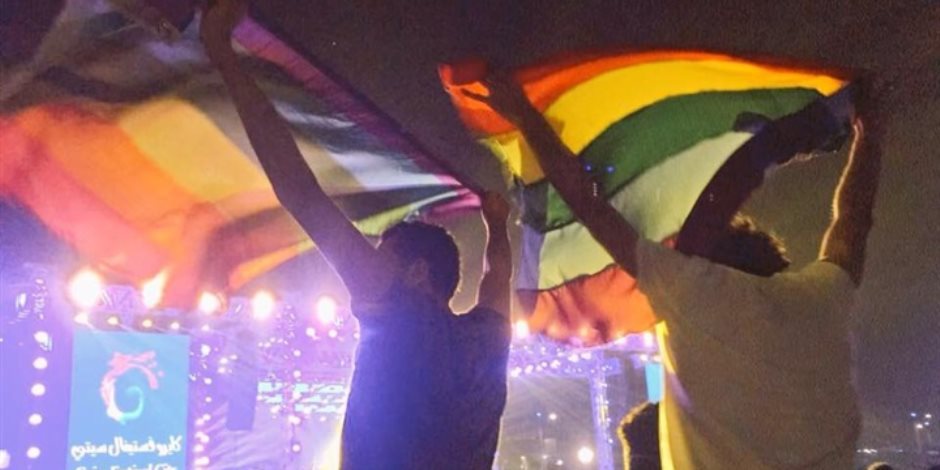
No official figures determine the percentages of homosexuals in Egypt, but the issue is rather tangible in several cities.
The Media Line website detected a traditional British-style pub in Alexandria called Sheikh Ali bar, built in the early 1900s, and that is now a regular gay clientele.
Sheikh Ali bar manager Ashraf, who asked not to use his last name, said to The Media Line that gay clients are normal now and they pick a special night to meet here.
"They usually come on Thursday, maybe 300 guests for the night,” he told The Media Line. “We have no problems with them. They come and drink and they're free to think whatever they think as long as there is no public indecency."
On another hand, Al-Estiklal interviewed a psychologist, who preferred to be anonymous, and asked him about the nature of the cases that came to him asking for acceptance or treatment.
“When a homosexual comes to my clinic and tells me that he can’t live his life as a homosexual, I ask him whether he wants to accept his urge or change it, and after several sessions most of them eventually want to change it, if not in the first session.
“My success rates are above 70% in changing back the sexual orientation of homosexuals, they are mostly youth, full of hope and ambition, and seek achievements and well-being, they are not evil nor villains, they are normal people.
“As a practicing psychologist who receives a lot of clients with homosexual orientations, I believe that the majority who experience this tendency wish to change it not to live with it and normalize it, I’m not talking media, I’m taking solid experience,” he concluded to Al-Estiklal.
Homosexual Refugees
The reality of the homosexual landscape in Egypt is often portrayed in Western media as demonizing.
Al-Estiklal talked to Nadine Salem, an employee in an NGO that helps girls who want to treat their homosexual tendency, to explain how the NGOs are directed by western organizations to amplify the issue of homosexuality in Egypt and spread it among the youth.
“United Nations organizations, Western states and governments provide facilities for homosexuals and their gatherings, such as granting political asylum, financing, legal aid, NGO training, and several other facilitations,” she said.
“You can see that trend especially in Israel, which legalized homosexuality in 1988, and has become the usual escape route for gay Palestinians.
“One NGO who defends the homosexual rights in their agenda from several countries like Australia, France and The US. In addition to physical financing, it is entrusted with protection from detention, and the Egyptian authorities are aware that they will face external complaints if they take repressive steps.
“The normal youth does not understand all that, he’s just drawn to a rhetoric of free speech, progress, and human rights. But when he’s a member of that NGO, he’s introduced to the gay rights in the NGO’s meetings and gatherings, eventually becoming one of its defendants,” she concluded her interview with Al-Estiklal.