What Happened to the Far-Right in the Dutch Elections?
“Wilders’ former coalition partners took a beating in the Dutch election.”
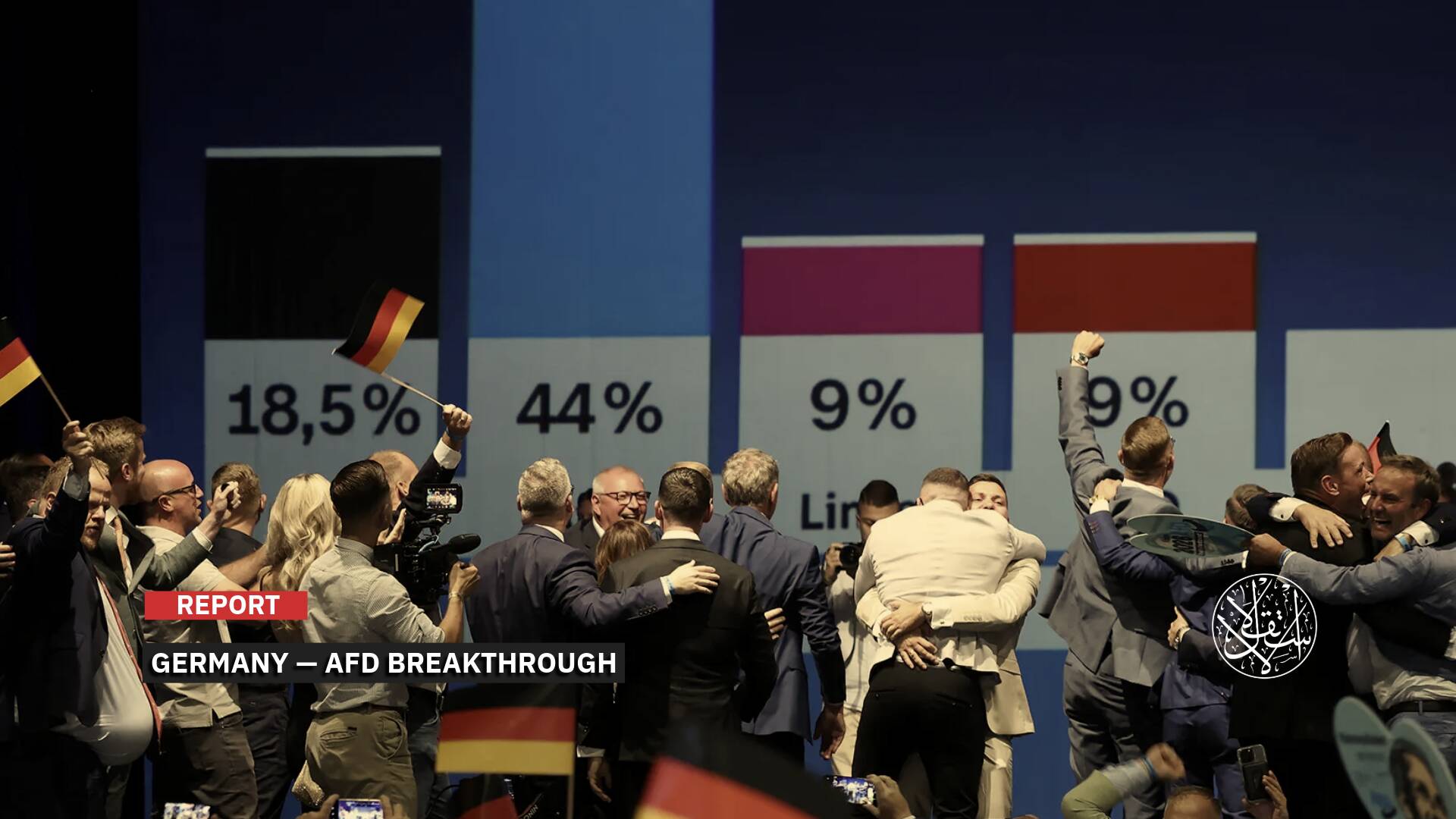
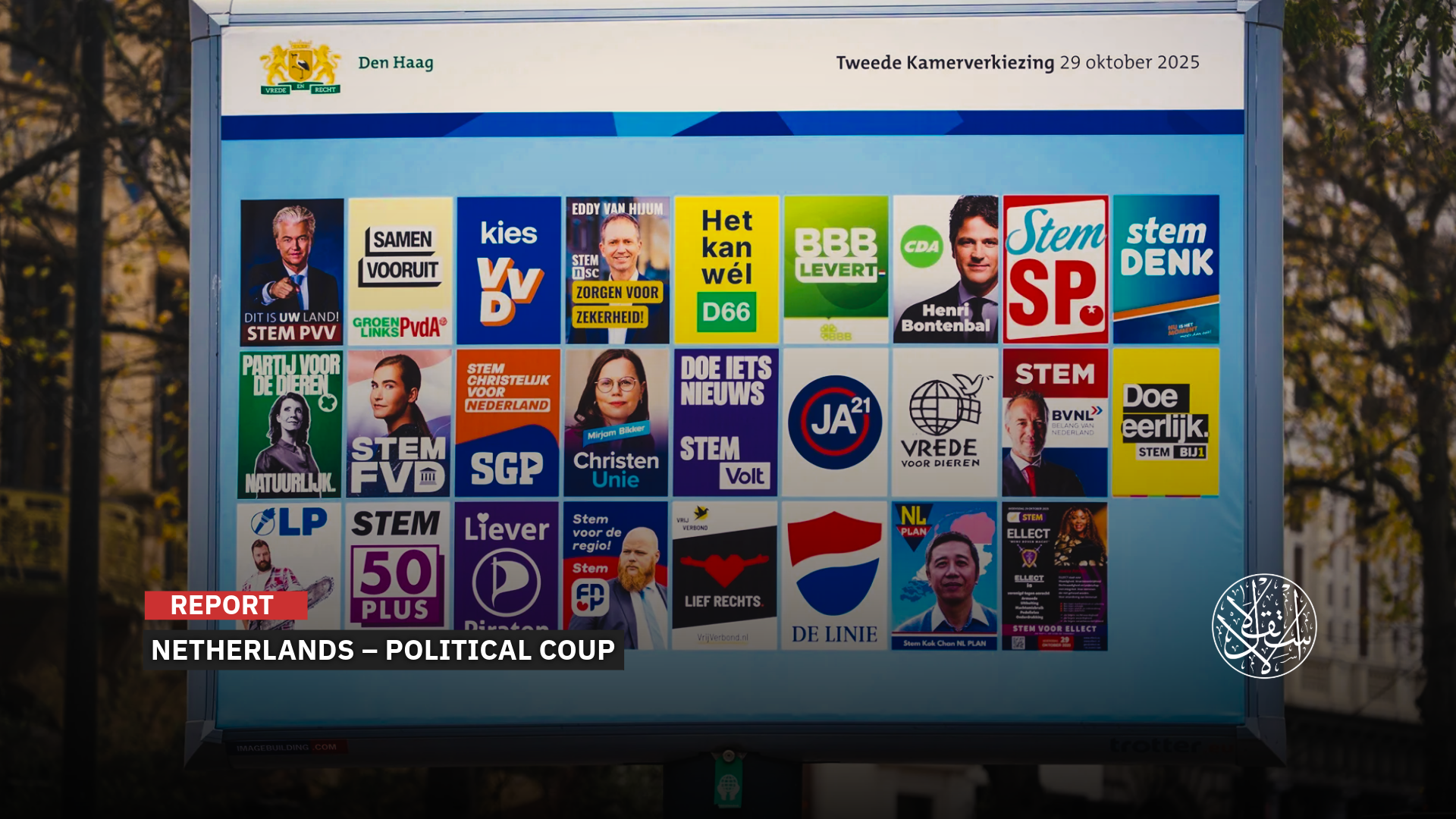
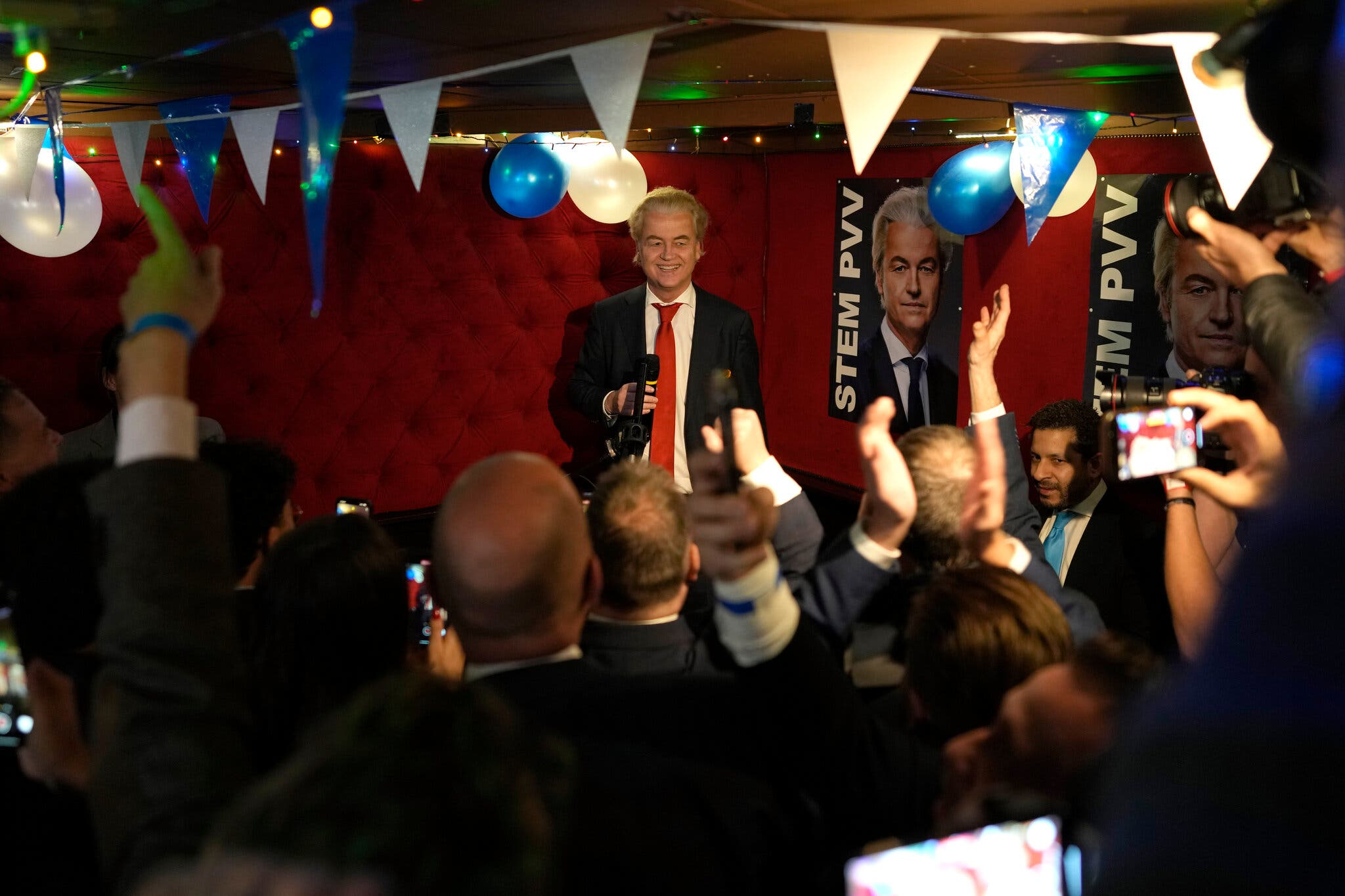
In the November 23, 2023 elections, the anti-Muslim Freedom Party, led by the extremist Geert Wilders, won 37 of the 150 parliamentary seats, a result described at the time as a political earthquake.
However, in the October 29, 2025 elections, Wilders' party lost 11 seats, securing only 26 out of 150.
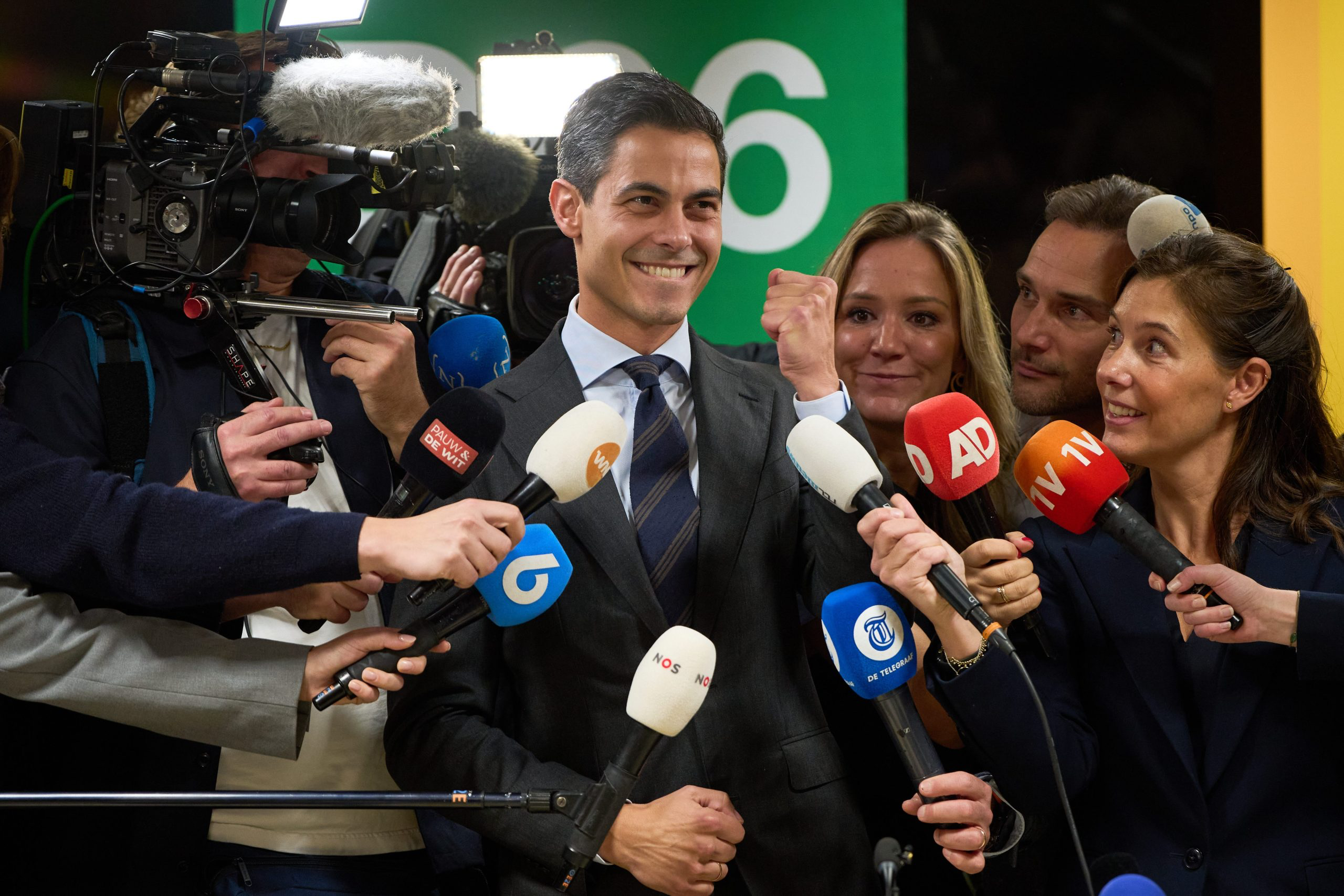
On the other hand, the centrist D66 party made significant gains, also winning 26 seats, but with a higher percentage of the vote, potentially giving it the lead in forming the next government.
What explains the decline of the far-right party? Did the Gaza war change the consciousness of the Dutch, who took to the streets in demonstrations against the Zionist right-wing, leading many to withdraw their support for the party that backs “Israel”? Or are there other reasons?
Political Coup
The results of the 2025 elections revealed a significant shift in voter sentiment, overturning Geert Wilders' stunning majority victory in 2023, with many suggesting that the war of extermination in Gaza contributed to this setback.
While predictions pointed to a right-wing majority and continued dominance following the rise of the right in several European countries, the election results were surprising, with the far-right Party for Freedom (PVV) suffering a significant loss (11 seats), while the centrist party gained ground.
The centrist liberal party D66 (Democrat 66) made a remarkable leap, winning 26 seats and taking nearly 9 from the PVV, thus securing first place and forming the government.
This same party had won only nine seats in the 2023 elections, 17 fewer than it achieved in 2025, but this time it surged ahead of Wilders' party.
According to the Dutch national news agency ANP, which compiles results from all Dutch municipalities, the D66 party could also gain one remaining seat, bringing its total in parliament to 27, after most of the ballots have been counted.
The People's Party for Freedom and Democracy (VVD), which led the previous government, won 22 seats, the left-wing alliance of the Greens and Labour won 20 seats, and the center-right Christian Democratic Appeal (CDA) won 18 seats.
Two other parties in the far-right camp also made gains: the Forum for Democracy increased its number of seats from 3 to 7, and the Conservative Liberals (GA21) rose from 1 to 9.
This is because most parties refused to form a coalition with Wilders' party and did not include him in the 2023 government, forcing him to relinquish the premiership to the VVD.
Wilders' party is expected to be excluded again, especially after its recent losses and the formation of a coalition government led by the D66 party.
The 2025 elections saw a further decline of the far right and a rise of the liberal center.
Wilders' victory in the 2023 election came against the backdrop of a surge in right-wing parties throughout Europe.
The populist Farmer–Citizen Movement (BBB) lost three of its seven seats, while the centrist New Social Contract was decimated, going from 20 seats in 2023 to zero now.
Gaza Issue
Dutch and international newspapers indicate that one of the reasons for the decline in Dutch support for the far-right PVV is the Gaza issue, among several other factors, and that the war of extermination has altered electoral consciousness in the Netherlands.
After the Al-Aqsa Flood operation and the Israeli war on Gaza, and public sentiment had been supportive of “Israel”, Amsterdam became one of the Western capitals most supportive of Gaza, with hundreds of thousands of people taking to the streets in solidarity.
The PVV leader faced numerous embarrassments within the Dutch parliament from MPs who support Gaza and criticize his silence on Israel's massacres. His foreign minister resigned because his government refused to punish “Israel”, costing him many votes.
Western analysts and reports believe that the widespread popular mobilization in the Netherlands against the genocidal crimes in Gaza in recent months has contributed to exposing the falsehood of the far-right's propaganda, which attempted to exploit hate speech and division, and strongly supported “Israel”.
The Dutch public punished Wilders' party because it is the most hostile Dutch party to the Palestinian cause, which mobilized the public, and because of its support for Israel, which it sees as aligned with it in its hostility towards Islam.
“Israel is fighting on our behalf in Jerusalem, which, if it falls into Muslim hands, will be next for Athens and Rome. Therefore, Israel is the central front in the defense of the free West against the barbarity of Islamic ideology,” Wilders famously said.
He sees Jerusalem as the epicenter of the conflict between the free world and Islam. He links Western security to a strong “Israel”, rejects the two-state solution, and supports Jerusalem remaining under full Israeli sovereignty. He uses religious rhetoric to justify his political support for “Israel”.
In his speech to the Dutch parliament in May 2022, he said, “Israel is the first line of defense for the free world against Islamic barbarism, and supporting it means we are defending ourselves.”
He also called for an immediate halt to Muslim immigration, describing it as an invasion of the Netherlands, and advocated banning the teaching of the Quran, comparing it to Adolf Hitler's Mein Kampf.
He previously demanded a freeze on the construction of mosques and Islamic schools and a ban on wearing the hijab.
Besides the Gaza issue, the rise of the D66 party and the decline of the far-right party reflected the Dutch public's desire to focus on domestic policies that serve the people in areas such as the economy, education, housing, and integration, rather than extremist, anti-Semitic rhetoric.
Clear Evidence
There is ample evidence indicating the impact of the Gaza conflict and the Palestinian cause on election voting decisions.
For example, a poll published by Dutch News on September 22, 2025, showed that 42% of Dutch voters said the conflict in Gaza would influence their election decision.
In the same poll, the percentage of those who believe “Israel” is committing genocide in Gaza rose to 54% of the Dutch population, indicating that the Gaza issue has become a political factor influencing Dutch voting intentions.
The position of the party that won the majority differs from that of Wilders' party, which trailed behind it.
According to statements it released, the party calls for an end to the dire situation in Gaza, demands the immediate opening of humanitarian corridors and the provision of urgent aid to Gaza, and supports a two-state solution.
The D66 party also issued statements expressing its concern about the potential ethnic cleansing in Gaza and calling on the Dutch government and the European Union to halt the expansion of Israeli settlements and reconsider trade agreements with Israel if it does not comply with international law.
A poll conducted in September 2025 showed that 78% of D66 voters wanted the Dutch government to take a more critical stance toward Israel regarding Gaza, according to the NL Times.
The party is generally considered to be among the Dutch parties with a strongly critical position on “Israel”.
On August 23, 2025, due to disagreements within the government regarding the response to the Israeli offensive on Gaza and calls for sanctions against Tel Aviv, the government collapsed, and all members of the Dutch cabinet from the New Social Contract party resigned.
This came a day after the resignation of the foreign minister, due to the lack of a government consensus on the issue of imposing further sanctions against the Israeli occupation in light of the war of extermination and starvation in the Gaza Strip.
The NOS television channel reported that, in solidarity with the resigning minister, Caspar Veldkamp, all ministers and acting state secretaries from the party would also resign from their posts, including the deputy prime minister, the ministers of the interior and education, the minister of health, and four other ministers.
Veldkamp had previously stated that the government did not support taking further significant measures against “Israel” over its war on Gaza and its settlement plans in the occupied West Bank, saying: “I felt resistance within the cabinet.”
Prior to their resignations, the outgoing ministers played a role in preventing the Dutch government from barring Israeli Finance Minister Bezalel Smotrich and National Security Minister Itamar Ben-Gvir, both extremists, from entering the country. This was due to their calls for ethnic cleansing in Gaza and their incitement of settler violence against Palestinians in the West Bank.
These resignations reflected the growing tension within European governments regarding Israeli occupation policies in Gaza and the West Bank, and the increasing impact of mass protests against the Gaza war, as well as public sympathy for the Palestinian cause, which strained the policies of European parties that fear alienation from public opinion.
However, voters withdrew their support for Wilders' party for reasons other than Gaza: domestic issues such as voters' needs, the divisions within the far-right, criticism of Wilders' party for failing to deliver any tangible results for the people, and growing awareness of minority rights.
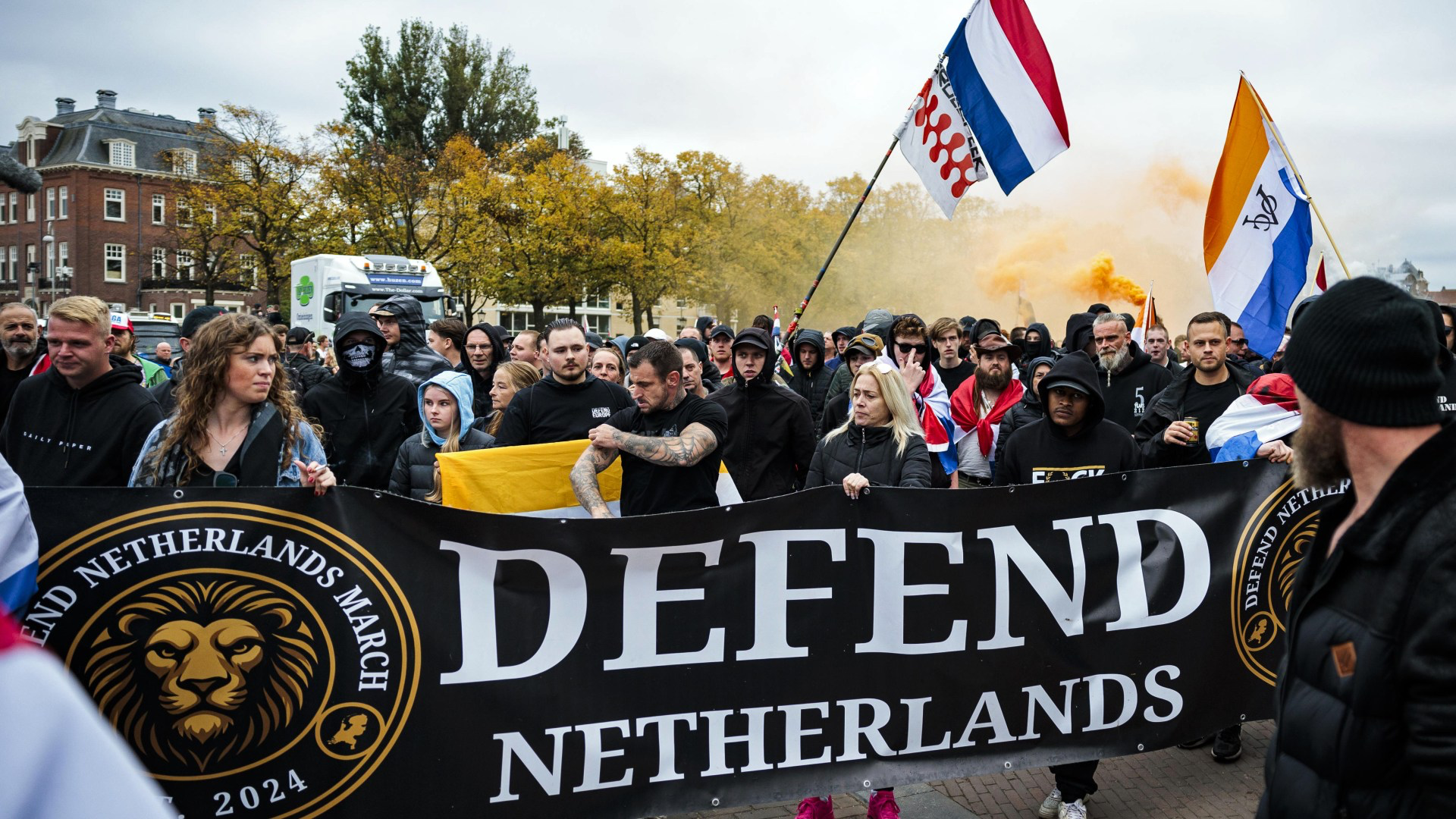
Despite this, the Jewish Chronicle attempted to claim that the Dutch were not swayed by parties that tried to make Gaza a central issue in the elections.
On October 31, 2025, it claimed that Jews and friends of “Israel” could breathe a sigh of relief after the extremists' defeat in the general election, without defining what it meant by extremists.
It stated that the Dutch did not respond to attempts to make the “Israel”-Hamas war a central issue in the parliamentary elections in The Hague.
Parties that sought to turn the vote into a referendum on genocide in Gaza and frame the conflict were met with widespread rejection at the ballot box.
The newspaper was referring to small, far-left parties that consistently perform poorly in elections, such as the Socialist Party (SP), the Party for the Animals (PvdD), and Denk—a splinter group from the Labour Party that enjoys popularity among Muslim immigrants.
The SP dropped from five seats to three, the PvdD retained its three seats, and the left-wing BIJ1 party, which focused its entire campaign on the Gaza war, failed to win any seats.
The newspaper questioned the opinion poll conducted in September 2025 in which half of the Dutch voters considered Gaza an important issue when choosing which party to vote for, arguing that it was conducted by the PAX and Rights Forum organizations, which are strongly anti-“Israel”.
It is likely that the D66 party will be forced to form a coalition with right-wing parties that are strongly supportive of “Israel”, and lead the fight against anti-Semitism in the Netherlands, such as the anti-immigration JA21 party or the farmers' party BBB.