The Fall of Mocha and Bab El-Mandeb: Tareq Saleh and His Future in Saudi Calculations
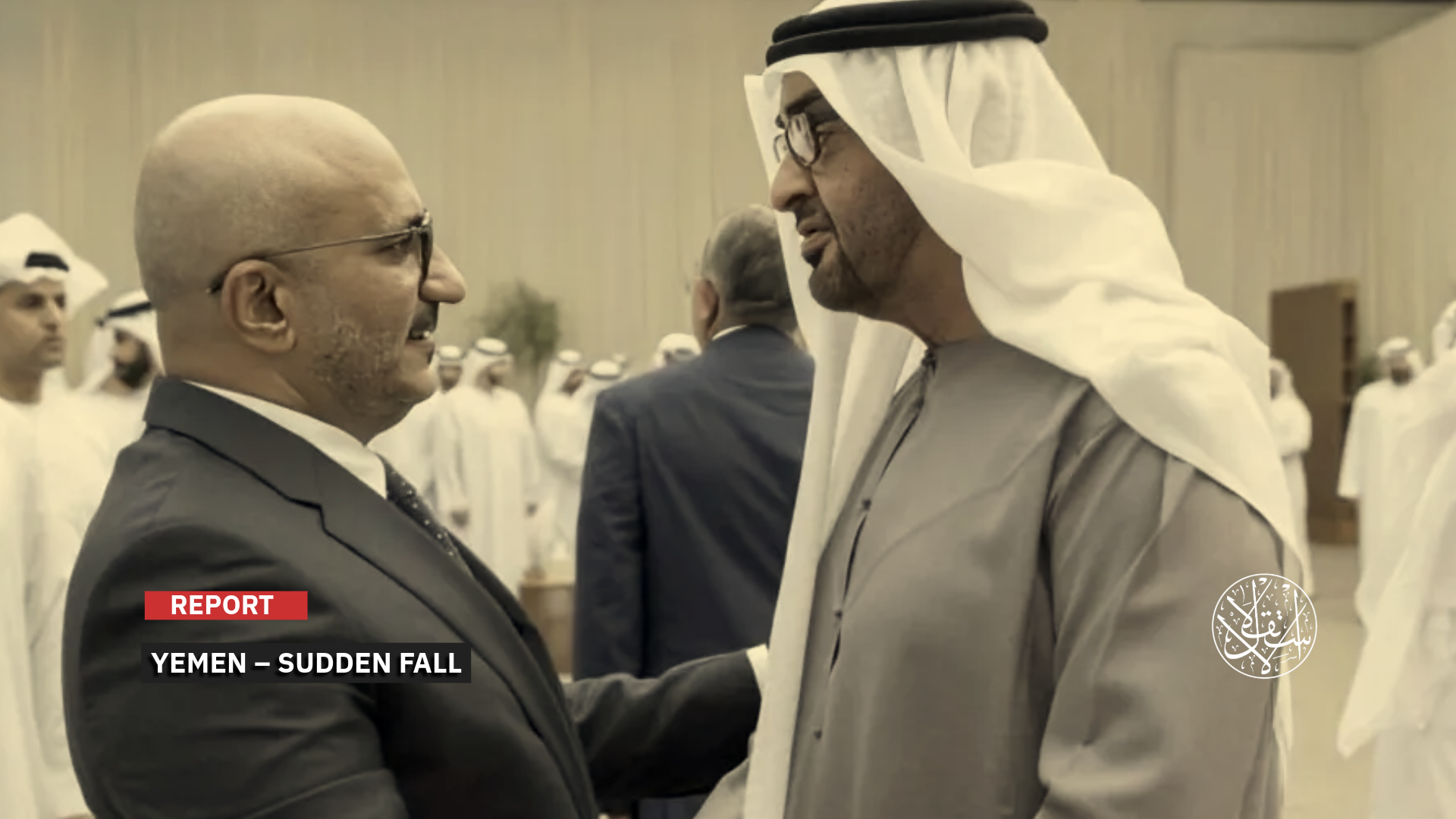
"Tareq managed to leave Sanaa for Marib on December 7, 2017, accompanied by three of his aides."
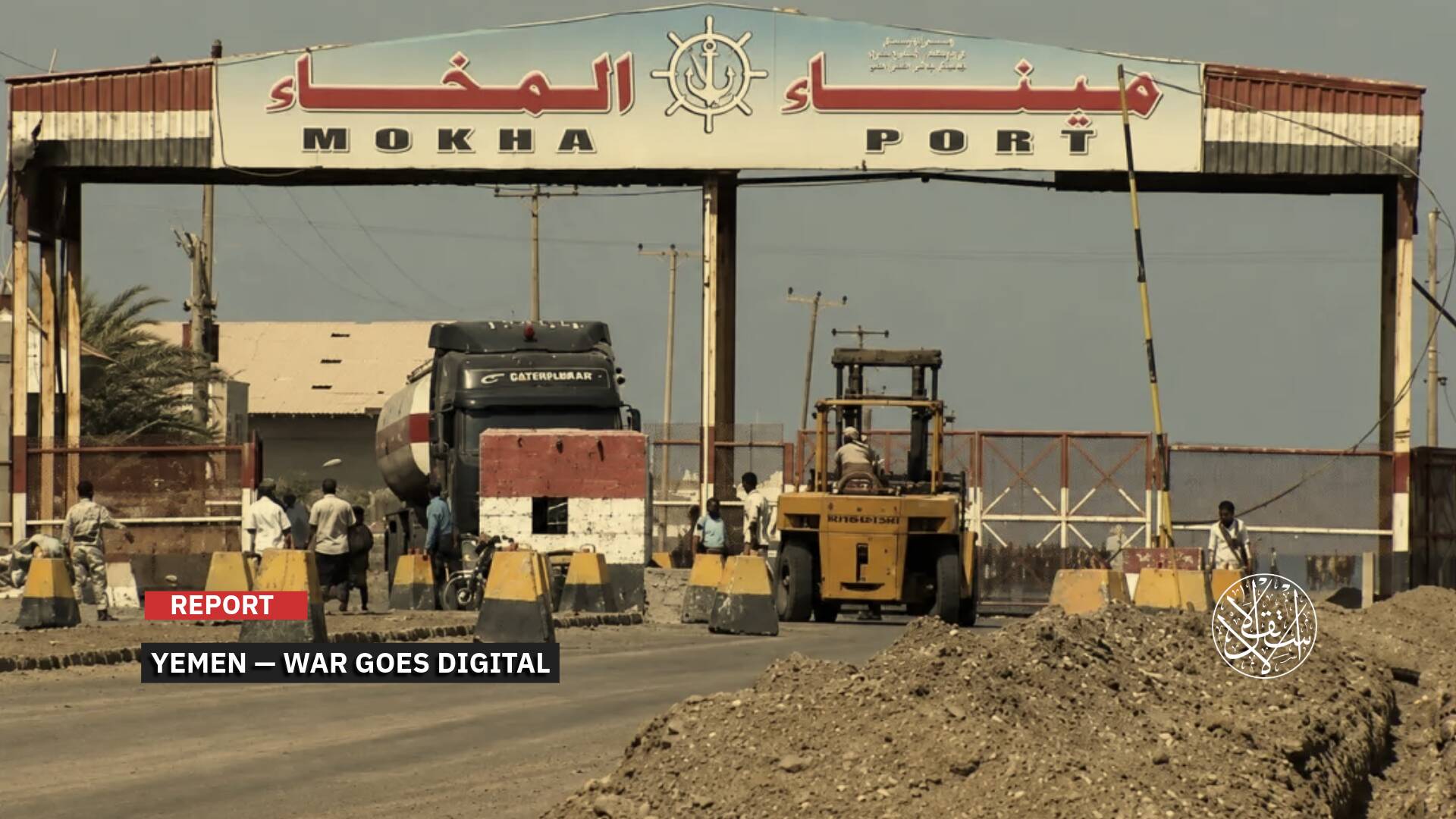
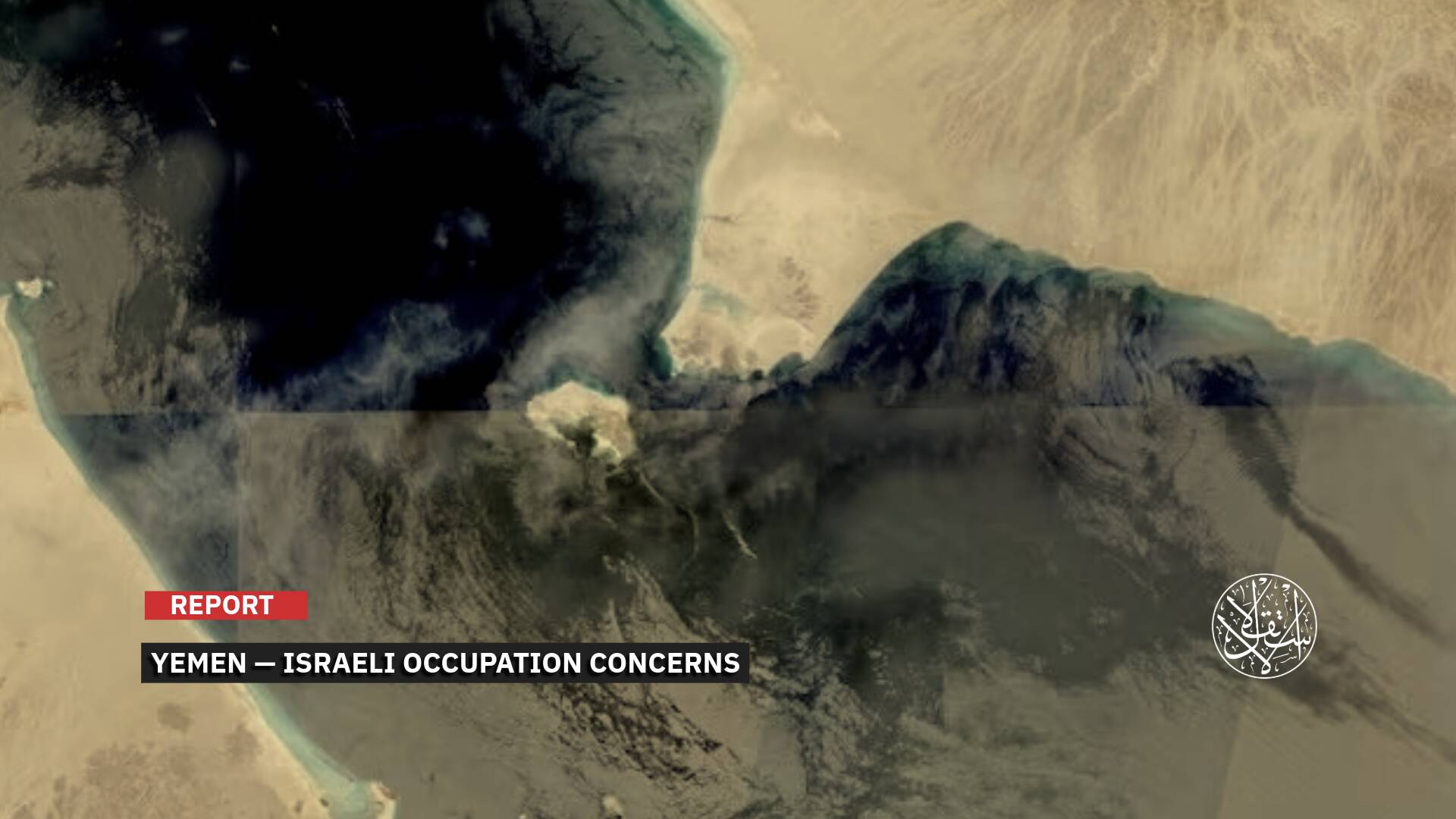
The fall of the city of Mocha—along with vast areas of the West Coast extending to Bab el-Mandeb and Mayun Island—represents one of the most critical shifts on the ground in the course of the Yemen war in years.
The issue is not merely the loss of a coastal city of military value; it concerns the collapse of the military framework that had held this sector for years—a framework in which Tareq Saleh’s forces were a key pillar.
These developments take on added significance because Mocha was not just a military base for Tareq Saleh; since 2018, it had become his political and military center of gravity.
He had relocated there after leaving Sanaa following the killing of his uncle, Ali Abdullah Saleh, and established the National Resistance Forces there with Emirati support, prior to becoming a member of the Presidential Leadership Council in 2022.
Consequently, the city's fall raises a question that goes beyond immediate military accountability: Has the role Tareq Saleh played over the past years come to an end, or do current events represent a Saudi-led restructuring of the anti-Houthi forces on the West Coast?

Conflicting Accounts
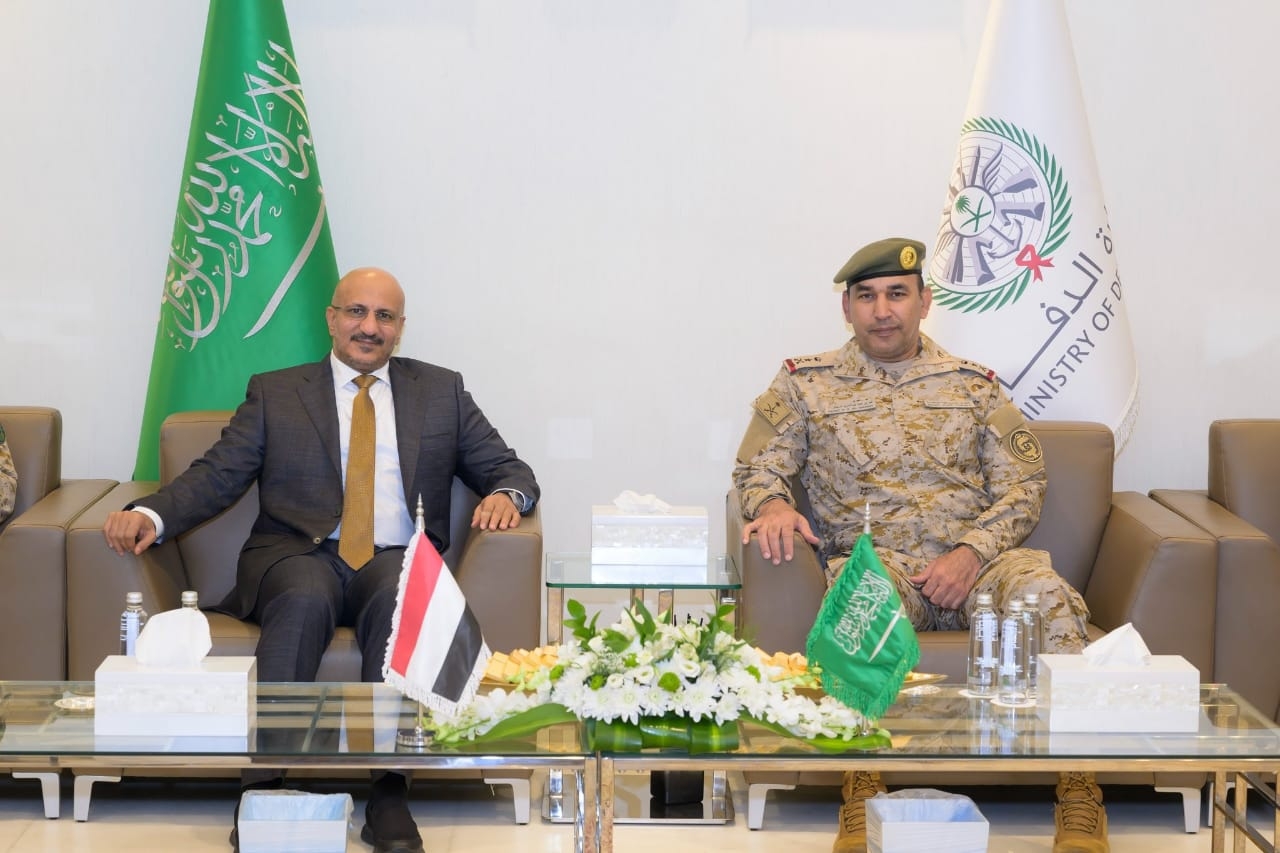
Tareq Saleh’s departure from the West Coast following the fall of Mocha and surrounding positions has sparked conflicting accounts regarding his destination and the manner of his arrival in Riyadh.
While the Al-Jumhuriya channel announced his arrival in the Saudi capital to discuss military developments and the reorganization of command structures, other accounts spoke of him leaving Al-Mocha by sea for Somaliland—even suggesting he reached the city of Hargeisa before Saudi Arabia intervened to bring him back to its territory.
Saudi military expert Saad Al-Omari stated that bringing Tareq back from the Somaliland region was an exclusively Saudi operation, without providing further details regarding the nature or timing of the operation.
Amidst these conflicting accounts, the fact of Tareq’s arrival in Riyadh remains certain; however, the circumstances of his departure from the coast and the events preceding his arrival remain a subject of dispute, unresolved by any detailed official statement.
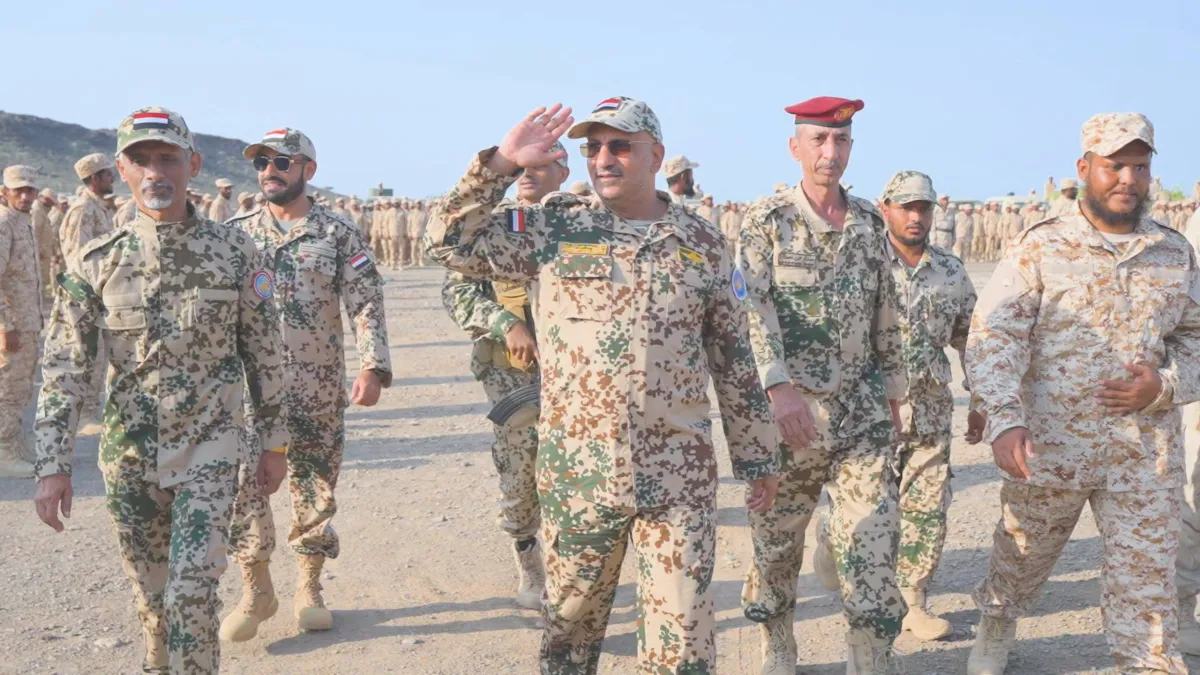
Saleh’s Forces
The rapid Houthi advance along the West Coast does not fully explain the nature of the collapse suffered by Tareq Saleh’s forces.
From the very first days of Mocha’s fall, various accounts emerged describing a sudden withdrawal and the handover of military positions—sites that had held large numbers of troops and vast quantities of weapons and equipment. This raised questions regarding potential betrayal or the existence of prior understandings.
Yemeni websites reported accounts stating that Southern forces (the Giants Brigades) had arrived to reinforce the Mocha front just as the forces that had summoned them were withdrawing; direct accusations also surfaced, claiming Tareq’s forces had abandoned the troops fighting inside the city.
In an investigation into the fall of the coast, the Marib Press website raised the possibility of betrayal or negligence.
A journalist working for Al-Jumhuriya—a channel owned by Tareq—stated that Tareq Saleh disappeared on the very day he was scheduled to make a public appearance.
Journalist Yahya Al-Sawari revealed details regarding the events surrounding the fall of Mocha and the withdrawal of Tareq Saleh and his forces to Aden.
He recounts that, prior to Mocha’s fall, the management of Al-Jumhuriya instructed its staff at 9:00 PM on September 9 to depart for Aden.
According to Al-Sawari, by 4:00 AM, armored vehicles and fighters had vanished; even security personnel disappeared, and prisoners walked out of the security headquarters. All these preparations were clearly aimed at departure rather than engaging in battle.
Other sources also reported that Tareq’s forces withdrew under his orders, a move followed by chaos, the looting of headquarters and military camps, and the abandonment of significant quantities of weapons and equipment.
For its part, the National Resistance rejected accusations of betrayal, asserting that the events constituted a repositioning following battles that had inflicted heavy losses.
However, suspicions persist due to the stark contrast between the forces and weaponry at their disposal and the rapid collapse of their defensive lines.
Furthermore, the departure of their commander from the theater of operations amidst the collapse—followed by his relocation to Riyadh—opened the door to political interpretations of the events, alongside the military ones.
These events bring back to the fore a more sensitive narrative linking the events in Mocha to Tareq’s own history.
He was once part of the apparatus of his uncle, Ali Abdullah Saleh, during the latter’s alliance with the Houthis, yet—following the collapse of that alliance and Saleh’s death—he emerged as a prominent leader of the camp opposing the group.
His departure from Sana'a in 2017 was accompanied by accusations and conflicting accounts regarding how he escaped.
His adversaries viewed his presence within his uncle's security circle—followed by his survival and exit from the capital—as raising questions about his role during the final days of the alliance between Saleh and the Houthis.
According to press reports, Tareq managed to leave Sana'a for Marib on December 7, 2017, accompanied by three aides; he subsequently received assistance from Emirati forces in Marib and boarded an Emirati plane to the UAE.
Consequently, Tareq’s adversaries are now reframing the question: Has the mission for which he left Sana'a concluded? Did he reach an understanding that led to the handover of the coastal region to the Houthis? And what prevents a similar scenario from playing out in Mocha?
However, while this narrative features prominently in public discourse, it remains a matter of political accusation absent direct evidence proving an agreement between Tareq and the Houthis or orders from him to surrender positions.
Thus, a professional analysis of the events presents two conflicting possibilities: first, that Tareq’s forces faced a massive, Iranian-backed Houthi offensive that caused their defenses to collapse and forced a redeployment—a view supported by the National Resistance’s account and indications of Iranian support for the operation.
Second, the rapid collapse and the number of positions lost without prolonged resistance warrant an investigation into the possibility of negligence, betrayal, or internal misunderstandings.
Between these two possibilities, the full truth behind the fall of Mocha awaits independent military and political scrutiny.
Iranian and Emirati Roles
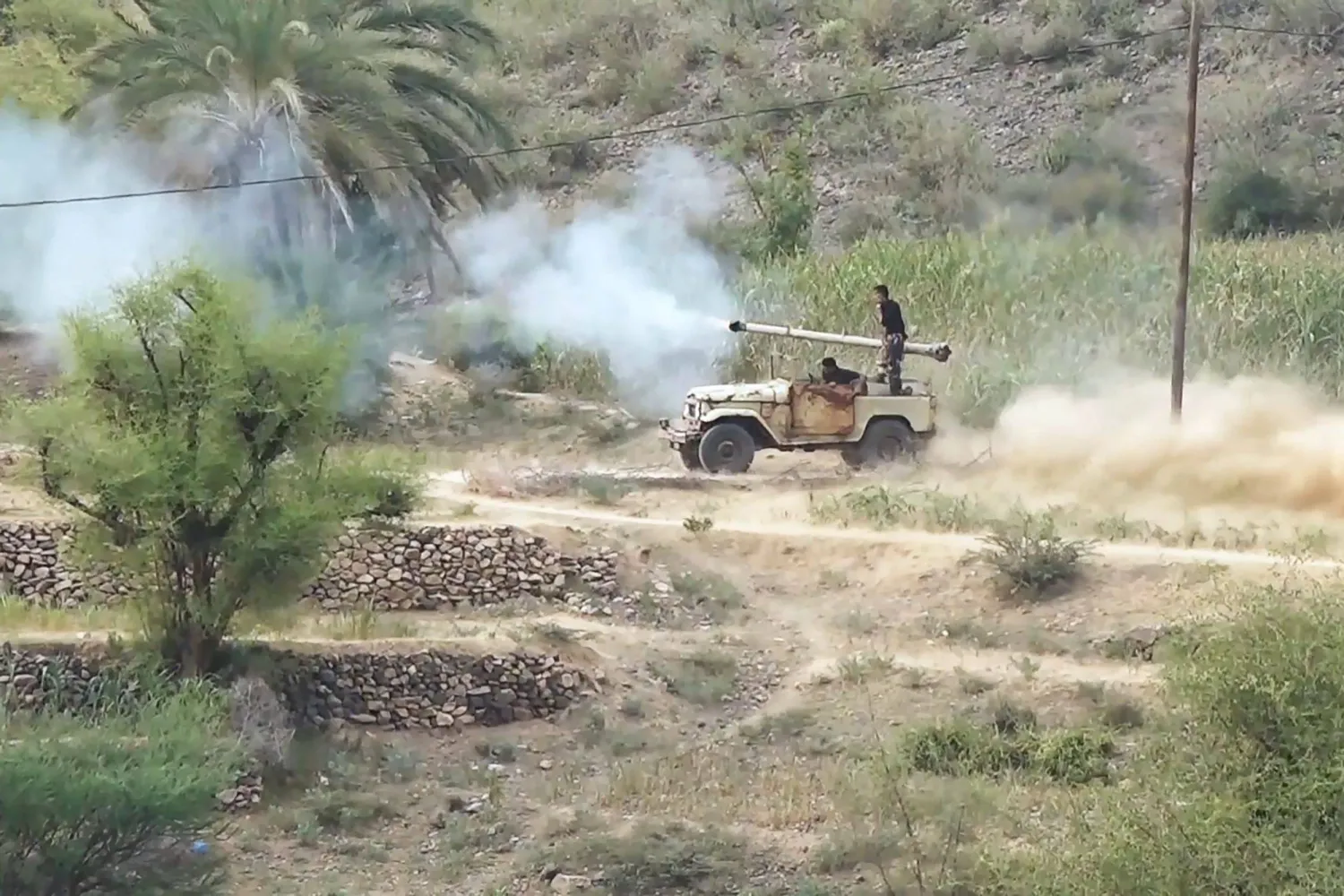
Regarding Iran, there are indications that go beyond mere political accusations; Reuters has cited Yemeni, Iranian, and regional sources stating that Iranian support—including weaponry and tactical advice—played a significant role in enabling the Houthis to seize Mocha.
The operation was reportedly directed with the assistance of the Iranian Revolutionary Guard Corps (IRGC), with sources specifically pointing to the role of Abdolreza Shahlai.
Conversely, while Iran denies directly directing Houthi operations, the National Resistance—in its own statement—accused Iran of providing direct support to the Houthis and participating in managing the offensive that culminated in the fall of Mocha and coastal positions.
On the other hand, discussions regarding a direct Emirati role in the city's fall remain more sensitive, given that the National Resistance itself was historically formed with Emirati support, and parts of its military and logistical infrastructure have been linked to Abu Dhabi over the years.
However, a report by the Al-Hudhud platform, citing private sources, noted widespread disruption in military communication networks during the final hours leading up to the fall of Mocha.
The report stated that these sources accused the UAE of interfering with the communication networks used by the forces of Tareq Saleh and Hamdi Shukri.
It indicated that the system's connection to the UAE—according to this account—enabled the latter to influence communications between units and disrupt the command-and-control structure, leading to clashes between units that were supposed to be operating within the same camp.
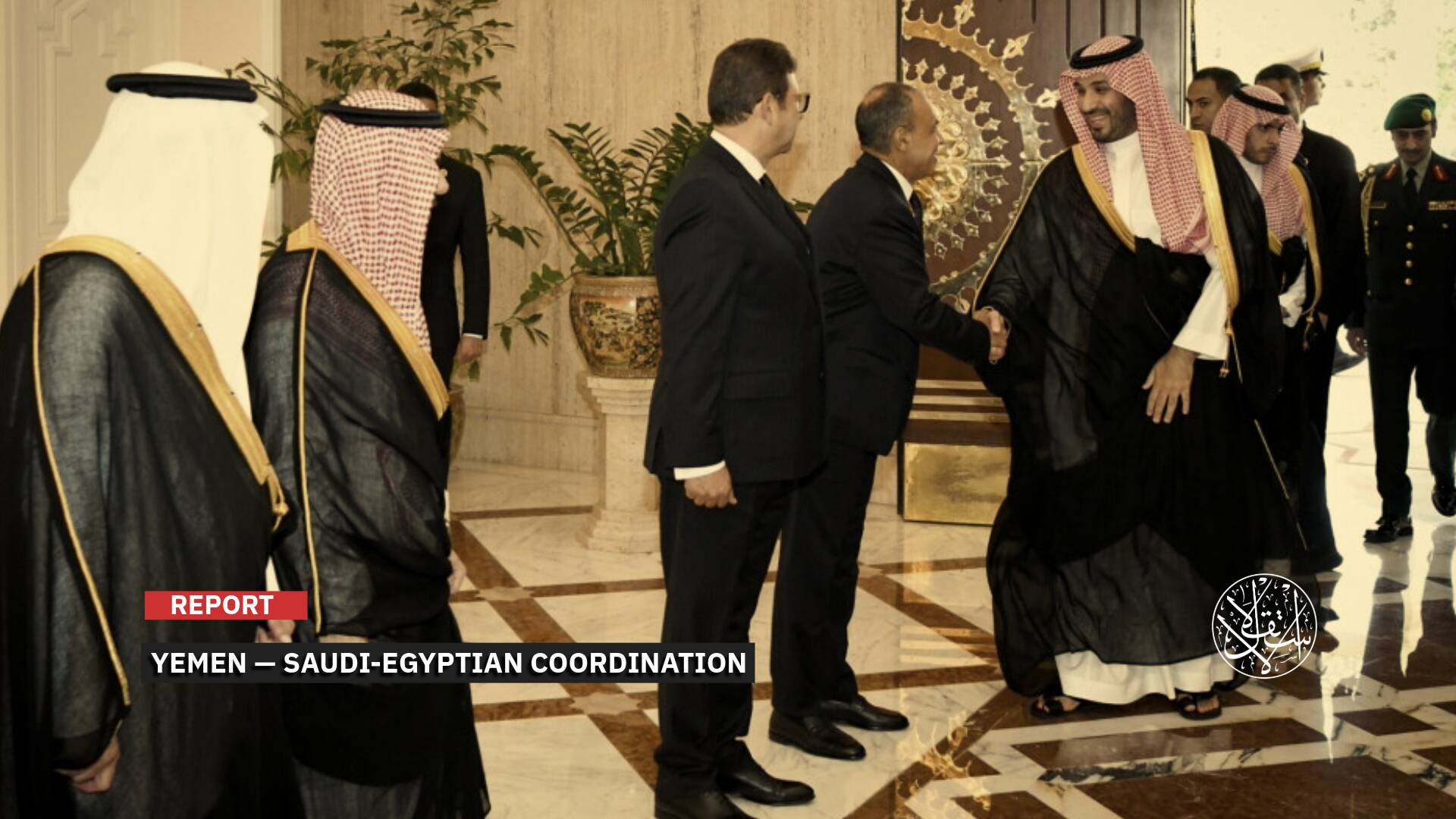
From a political perspective, it is difficult to overlook the timing of this military collapse in relation to the Saudi-Emirati discussions regarding Abu Dhabi’s return to Yemen.
Middle East Eye has reported, citing Western and Arab diplomats, that Saudi-Emirati talks regarding the UAE’s return to Yemen have reached an impasse, coinciding with the Houthi offensive on Mocha.
Decisions and Implications
Following the fall of Mocha, Tareq Saleh made a significant decision to form the Tihama Resistance Force from the First and Second Divisions of the National Resistance.
He granted the new force financial, administrative, and operational autonomy, while linking it directly to the Arab Coalition’s joint operations and appointing Major General Zayed Mansar as its commander.
This decision appears to go beyond mere military reorganization; it dismantles part of the structure previously managed centrally under Tareq Saleh’s command.
By granting the Tihama force local leadership and a direct link to the Coalition, the move paves the way for a broader restructuring of forces along the West Coast.
Yemeni analysts suggest the decision may be part of a wider restructuring effort—or perhaps a response to Saudi pressure—particularly given that it was issued immediately following the military setback and the fall of Mocha.
Conversely, the move can be viewed as an attempt by Tareq Saleh to preserve his political and military influence by redeploying his forces rather than losing them.
While separating the Tihama Resistance does not necessarily signal the end of his role, it clearly indicates a shift away from the previous model, in which the National Resistance operated as a cohesive military bloc under his direct command.
This development takes on greater significance when viewed against the backdrop of Saudi Arabia’s stance toward Tareq Saleh.
Current indicators do not suggest that Riyadh has decided to abandon him entirely; indeed, his presence in Riyadh—according to the official account—was intended to discuss developments on the ground and the status of the battle, confirming that channels of communication remain open.
However, there are signs that Saudi Arabia intends to curtail Tareq’s monopoly over the West Coast portfolio by redistributing power centers and linking certain military units directly to the Coalition.
Consequently, Saudi Arabia’s objective may not be to eliminate Tareq, but rather to recalibrate his position within a military structure that is being built to be more pluralistic and less reliant on a single commander.
If Tareq succeeds in rebuilding his forces and regaining the initiative, he will likely retain a pivotal role; conversely, should his forces become a military and political liability following the fall of Mocha, Riyadh has reliable local alternatives at its disposal.
Thus, the decision to form the Tihama Resistance may signal that Saudi Arabia no longer wishes for Tareq Saleh to be the sole military decision-maker on the West Coast.
Instead, it appears to be moving toward distributing responsibilities among various commanders and forces, while keeping Tareq as a key player—albeit one who no longer holds exclusive control over all the formations in the region.

Saudi Calculations
In 2015—just two days before the launch of Operation Decisive Storm—Ahmed Ali Abdullah Saleh visited Riyadh, commissioned by his father.
He carried demands that included backing his political bid to become Yemen’s next president, halting international legal proceedings against his father, and unfreezing his father's assets. However, the then-Saudi Defense Minister, Mohammed bin Salman, rejected these demands outright and ended the meeting.
Al Jazeera reported that Saleh’s attempts to secure a safe exit for himself and his family were rebuffed by Saudi Arabia.
The network quoted a Gulf source as saying: "The ousted leader was granted an opportunity through the Gulf Initiative, but this time, there will be no chance for him."
The significance of the 2015 incident becomes truly apparent when viewed alongside Saudi Arabia’s subsequent experience with Tareq Saleh.
Following the killing of Ali Abdullah Saleh, the UAE repositioned Tareq as a military commander fighting the Houthis, building an independent force for him on the West Coast before he eventually became a member of the Presidential Leadership Council.
Yet, Tareq’s rise did not reflect a restoration of Riyadh’s trust in the Saleh family; rather, it was a strategic utilization of a military force that had asserted itself within the dynamics of the conflict.
With the fall of Mocha and the subsequent reorganization of his forces, this confidence appears increasingly fragile; Riyadh now faces a new reality highlighting the difficulty of relying on a force centered around a figure from the Saleh family—one that maintains a degree of independent decision-making.
Consequently, the redeployment of Tareq’s forces appears to be more than a mere military measure; it reflects a Saudi trend toward reducing reliance on the family and subjecting its military influence to arrangements more closely aligned with the state and the Coalition.
The accumulated experience with Ali Abdullah Saleh, followed by the experience with Tareq Saleh—compounded by the fall of Mocha and Bab el-Mandeb under mysterious circumstances bordering on betrayal—makes it difficult for Riyadh to view the Saleh family as a reliable partner in managing a sensitive military portfolio.
Even when Saudi Arabia or its allies utilize members of the family to confront the Houthis, the move appears more like the situational employment of available capabilities than a restoration of full political trust in the family.
Viewed from this perspective, the redeployment of Tareq’s forces—along with the separation of the Tihama Resistance and its direct integration into the Coalition’s joint operations—signals Riyadh’s move to reduce its reliance on Tareq as the sole power center on the coast.
Tareq's Future
Following the fall of Mocha and Bab el-Mandeb, Saudi Arabia faces a delicate balancing act regarding Tareq Saleh; completely sidelining him from the Presidential Leadership Council and the command of his forces could grant Riyadh greater latitude to restructure the power architecture on the West Coast.
At the same time, however, it could create a military and political vacuum that is difficult to contain quickly—especially given that the forces led by Tareq were built up over many years with Emirati support, developing internal networks of command, funding, and field alliances that cannot simply be reorganized through a unilateral administrative decision.
Furthermore, abruptly sidelining Tareq could impact Saudi Arabia’s relationship with the General People's Congress (GPC), a party that represents one of the key components Riyadh relies upon within the legitimate government structure.
Such a move might be perceived within GPC circles as a renewed targeting of the Saleh family. Consequently, removing Tareq from the political and military landscape all at once could entail costs far greater than merely replacing a field commander.
Thus, the most realistic option appears to be retaining Tareq within the Presidential Leadership Council—albeit in a less influential political role—while gradually diminishing his military standing.
In this scenario, Riyadh could establish alternative command centers linked directly to the state and the coalition, thereby shifting military decision-making from a sphere of personal command to a more pluralistic system.
In this context, the Tihama Force—which was recently separated and placed under the direct command of the Joint Operations—could serve as a prototype for this approach.
This does not necessarily mean replacing Tareq with a single commander; the Saudi objective might be to redistribute power across multiple formations and leaders, preventing the coastal region from reverting to a model of centralized power revolving around a single figure.
This strategy would allow Riyadh to preserve the existing forces' capabilities while curbing Tareq’s ability to wield them as an independent military and political bloc.
Total exclusion, by contrast, remains a costlier option; it could drive Tareq to rebuild a political position outside of Saudi-led arrangements and potentially leave some of the forces facing alternative loyalties.
This highlights the unique nature of the Emirati legacy along the coast; these formations originated under Emirati backing, and one cannot assume that their shift from Tareq’s sphere of influence to that of Saudi Arabia would occur automatically simply through a change in leadership.
Consequently, Saudi Arabia’s interest may lie not in ending Tareq’s role entirely, but rather in breaking his monopoly on power.
Keeping him as a controllable political player while gradually stripping him of his military center of gravity could offer Riyadh an opportunity to reshape the coastal landscape without triggering the collapse of existing forces or creating a vacuum that other parties might exploit.
However, the success of this approach hinged on Saudi Arabia’s ability to cultivate an alternative leadership capable of assuming the military role Tareq previously held, and to persuade his forces to align with the new arrangements.
Thus, a gradual transition may represent the least risky path for Riyadh: retaining Tareq within the political equation while curtailing his military influence and redistributing coastal forces among commanders and units directly linked to the state and the Coalition.
This entails the incremental dismantling of the network of influence that coalesced around him and the prior Emirati support, rather than attempting an abrupt ouster before a viable alternative is fully established.
Sources
- Tareq Saleh in Riyadh to discuss developments in the battles against the Houthis [Arabic]
- Tareq Saleh’s forces accuse the Revolutionary Guard of orchestrating the attack on Yemen’s West Coast [Arabic]
- A journalist who was in Mocha reveals what happened on the night the city fell and Tareq Saleh fled [Arabic]
- Widespread looting of Tareq Saleh’s headquarters in Mocha following sudden withdrawal orders [Arabic]
- Sources: Iranian weapons and advice helped the Houthis in Yemen seize control of Mocha [Arabic]
- "Tareq Saleh" Out of the Picture... What Happened During His Final Hours in Mocha? [Arabic]
- New information revealed regarding the fate of Tareq Saleh and the destination to which he departed [Arabic]
- Saudi-UAE talks on the possibility of the UAE returning to Yemen [Arabic]