Official and Popular Opposition and Widespread Rejection of Settling Migrants in Libya
“The migration issue has become a matter of strategic dimensions that affects the future of the Libyan state.”
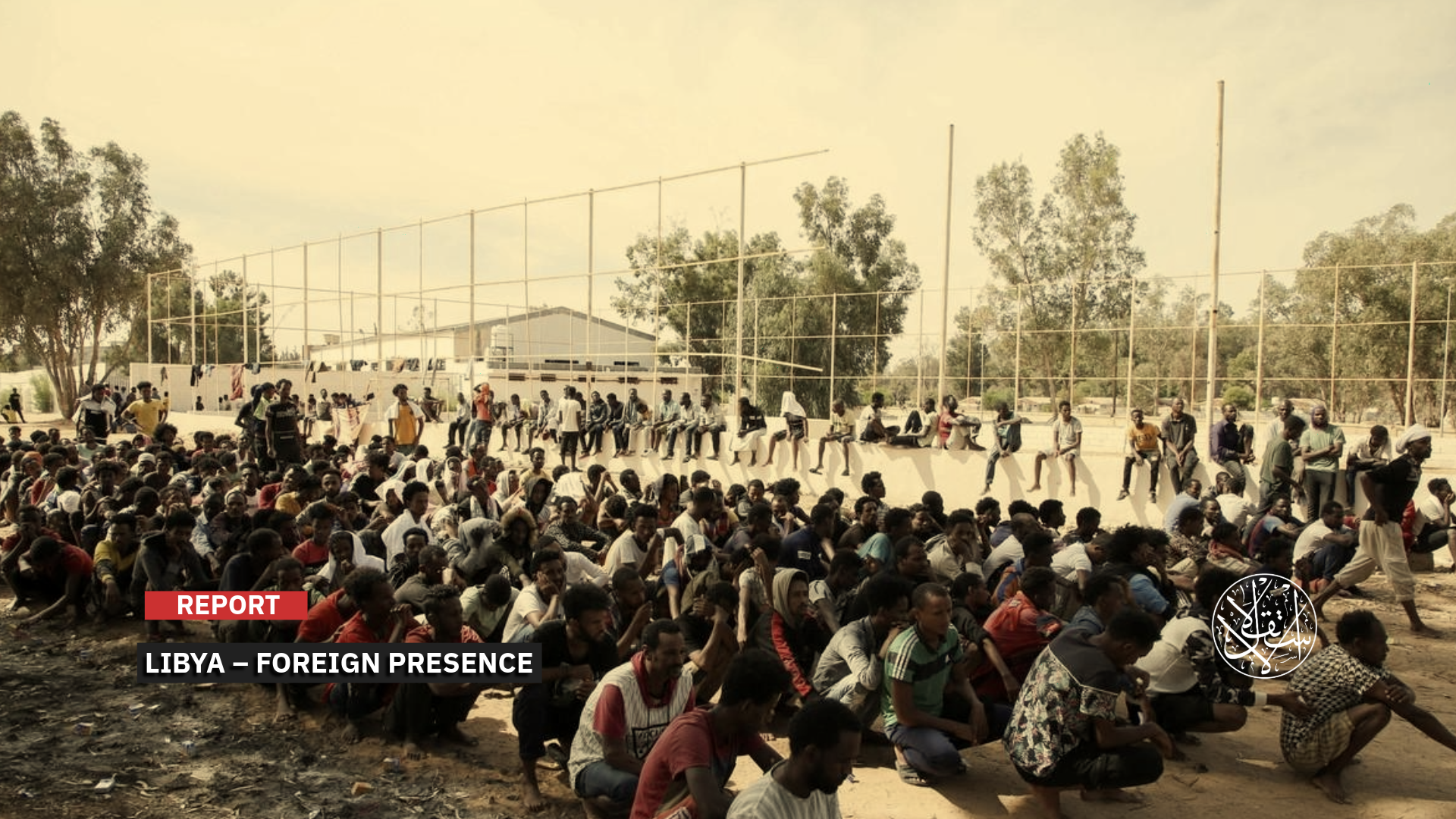
Amid official and popular opposition to the idea of settling irregular migrants, Libya is experiencing escalating tensions, with warnings of potential human rights violations against these migrants.
The controversy surrounding irregular migration has intensified sharply following the circulation of documents and information attributed to the United Nations High Commissioner for Refugees (UNHCR), allegedly concerning the issuance of asylum cards, coinciding with claims about preventing the return of irregular migrants to their countries of origin.
National Sovereignty
At the official level, the Libyan High Council of State reaffirmed its firm stance rejecting any projects, arrangements, or agreements, under any name or pretext, that would directly or indirectly lead to the settlement or resettlement of migrants within Libya, or impose any demographic reality that infringes upon the identity and unique characteristics of Libyan society.
In a statement issued on June 3, 2026, the Council clarified that managing this issue and addressing its consequences remains a core sovereign responsibility of the state.
It emphasized that any related policies or procedures must be based on respect for national sovereignty and adherence to applicable Libyan legislation, ensuring border protection, safeguarding national security, and preserving the state's supreme interests.
The Council called upon relevant national institutions and international partners to support the Libyan state's efforts in combating irregular migration, migrant smuggling networks, and human trafficking, and to address the root causes of this phenomenon, in accordance with national laws and respecting the will and sovereignty of the Libyan state.
It stressed that Libya's security, stability, social cohesion, and national identity are fundamental principles that are not subject to compromise or diminution under any circumstances or pretext.
It affirmed that any approach to this issue must take these principles into account and preserve the Libyan state's full right to protect its supreme interests and the future of its generations.
In turn, the government appointed by parliament affirmed its categorical rejection of any attempts, programs, or arrangements aimed at settling or resettling irregular migrants within Libyan territory.
In a statement issued on June 3, it clarified that managing the migration file and the presence of foreigners within the country is an inherent responsibility of the Libyan state and is handled in accordance with applicable national laws and legislation.
The government called upon security and military agencies, as well as the Anti-Illegal Immigration Agency, to intensify field operations and registration campaigns, review the status of foreigners residing in the country, and take legal action against violators, in addition to pursuing migrant smuggling and human trafficking networks.
On the legislative level, the First Deputy Speaker of the House of Representatives, Fawzi al-Nuwairi, affirmed Libya's rejection of any attempts or arrangements aimed at settling migrants within its territory or imposing a new demographic reality on the people.
In an address to the nation, al-Nuwairi stressed that the issue of irregular migration represents a challenge that affects national security and sovereignty.
He emphasized that Libya, despite its commitment to humanitarian values and international law, rejects any arrangements that infringe upon its national sovereignty or affect its demographic composition.
For its part, the Ministry of Foreign Affairs of the Government of National Unity affirmed in early June 2026 its adherence to national principles in addressing the phenomenon and its rejection of resettlement.
Public Concerns
At the popular level, several areas in Libya witnessed sit-ins and demonstrations against the resettlement of migrants and against the continued presence of the UNHCR in the country.
In this context, Tripoli's Al-Sarraj Social Council issued a statement from the site of a demonstration it organized on June 4, announcing the official closure of the UNHCR headquarters.
The Council affirmed its rejection of the agreement to resettle irregular migrants in Libya, demanding decisive measures against infiltrators and the protection of national sovereignty.
The statement also rejected the employment of any foreign workers in Libya except through official channels, citing Law No. 19 of 2010 on combating irregular migration and Law No. 2 of 2004 regulating the entry and residence of foreigners.
Additionally, on June 4, Libyan citizens stormed the outer walls of the UN Support Mission in Libya (UNSMIL) headquarters in Janzour, western Libya.
In a press statement, Abdel Moneim Al-Hur, Secretary of the Arab Organization for Human Rights (AOHR) in Libya, affirmed that the storming of the UN mission headquarters represents a dangerous escalation that goes beyond the bounds of peaceful expression of opinion.
He stated that what occurred can be described as a violation of diplomatic immunities, as these actions constitute a clear breach of international laws and norms, particularly the Vienna Convention on Diplomatic Relations and the Convention on the Privileges and Immunities of the United Nations.
He emphasized that the host country bears a strict legal obligation to protect the premises of diplomatic missions and their staff, and to prevent any intrusion or abuse against them.

Multiple Repercussions
Political activist Abdalla al-Gheriani believes that the popular movement rejecting the settlement of migrants in Libya differs from previous movements in its breadth and its connection to growing public concerns about the demographic and sovereignty repercussions of irregular migration.
According to the local news site Al-Sa'a 24 on June 5, al-Gheriani stressed that the issue has transcended the security dimension and become linked to the future of the Libyan state and its demographic composition.
He believed that the demands being made stem from the necessity of regulating migration, preserving national sovereignty, and maintaining demographic balance, free from any racist or discriminatory practices.
He explained that the growing public rejection of irregular migration is a result of a growing feeling among Libyans that this issue is taking paths that exceed internationally recognized temporary frameworks.
He pointed out that the granting of identification cards or waiting lists to some migrants by international organizations concerned with refugee affairs has raised widespread concerns about the possibility of temporary residency becoming a permanent reality that impacts the country's demographic structure.
Al-Gheriani pointed out that the roots of the phenomenon lie partly in past policies and Libya's openness to its African neighbors through economic, political, and union-based projects. This has contributed to establishing Libya's image among many African peoples as a promising destination for migration and employment.
He argued that addressing the migration issue must be based on considerations of sovereignty, security, and legal regulation. He noted that accusations leveled against Libyan society of practicing racism ignore the real challenges associated with the influx of migrants and the expansion of the phenomenon in recent years.
He attributed the worsening irregular migration crisis to the lack of effective control and lax management of the issue in recent years.
He estimated that the accumulation of large numbers of migrants within Libyan cities has created increasing security, social, and humanitarian challenges that require urgent and organized solutions.
For his part, National Security Advisor Faisal Bualraiga warned of the repercussions of increasing international efforts related to the migration issue in Libya.
He stated that some of the proposals circulating regarding the allocation of sites or camps for migrants could pave the way for transforming the country into a temporary reception center that, over time, becomes a permanent reality.
In an interview with Al-Masar TV on June 5, Bualraiga explained that several Western countries, including Italy, Germany, the Netherlands, and Canada, along with other entities and companies, are involved in funding programs and projects related to managing migration.
He added that these countries are among the biggest beneficiaries of reducing irregular migration flows to Europe via the Mediterranean Sea. This raises questions about the true objectives of some of these programs and their future impact on Libya, a major transit country for migrants.
He noted that other countries, including Australia, Norway, and Sweden, have expressed their willingness to contribute to funding migration-related programs.
He estimated that this increasing international support could gradually solidify Libya's role as a transit point or temporary home for migrants, before this becomes a reality that will be difficult to manage in the future.
He also criticized the lack of transparency and weak institutional performance in dealing with migration, emphasizing that the information available to the Libyan public remains incomplete and limited compared to the volume of data held by international organizations working in this field.
He stressed that the migration issue has become a strategic one affecting the future of the Libyan state, calling for a comprehensive approach that guarantees the protection of national interests and strengthens the state's ability to make independent decisions based on an accurate understanding of the situation.
Examples of Suffering
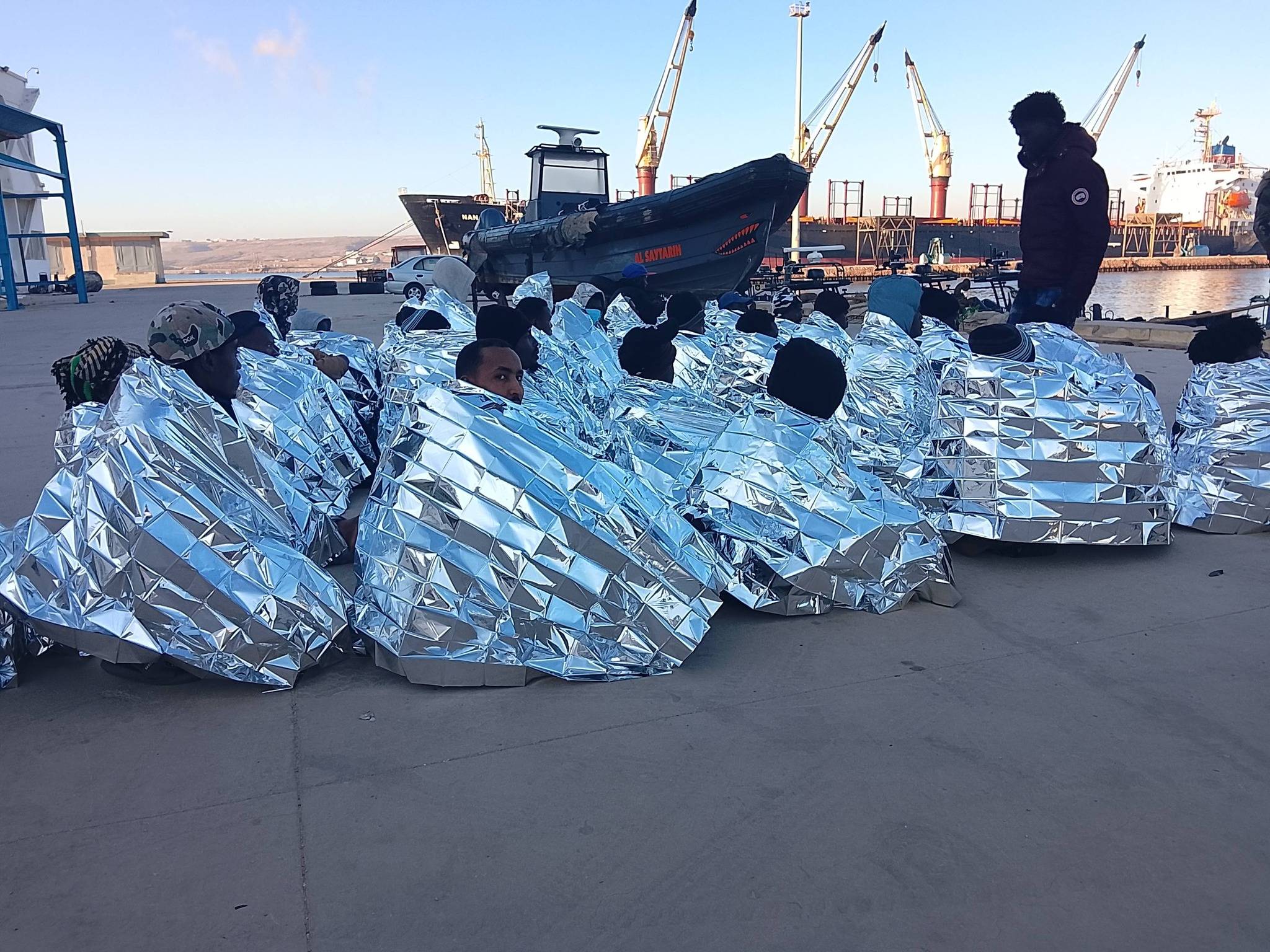
The 'Sudanese Refugees in North and East Africa' Facebook page posted a comment on June 5, 2026, regarding the ongoing events in Libya, emphasizing that Sudanese migrants have found themselves facing a new reality no less harsh than the one they fled.
"With the rise of anti-migrant and anti-refugee rhetoric in Libya, Sudanese have become targets of discrimination, harassment, and various violations," it added.
The post documented repeated complaints of arbitrary arrests, extortion, mistreatment, and economic exploitation, while thousands of refugees live in precarious humanitarian conditions lacking the minimum requirements for a dignified life.
He stressed that Sudanese refugees are not criminals, occupiers, or a burden to be disposed of; rather, they are human beings forced by the circumstances of war to seek safe haven.
"Therefore, any attack against them because of their nationality or legal status constitutes a clear violation of the fundamental principles upon which the international human rights system is based," he said.
The same source emphasized that remaining silent in the face of the violations suffered by Sudanese refugees not only threatens their rights but also the credibility of the entire international system.
In this context, the Libya Crimes Watch organization stated that it is following with grave concern the escalation of serious violations, hate speech, and incitement to violence targeting migrants, refugees, asylum seekers, and migrant workers in Libya since the beginning of June 2026.
"These include arbitrary arrests, raids on residences and evictions, and physical and verbal assaults, coinciding with an escalation of hate speech and incitement against them throughout the country," it said.
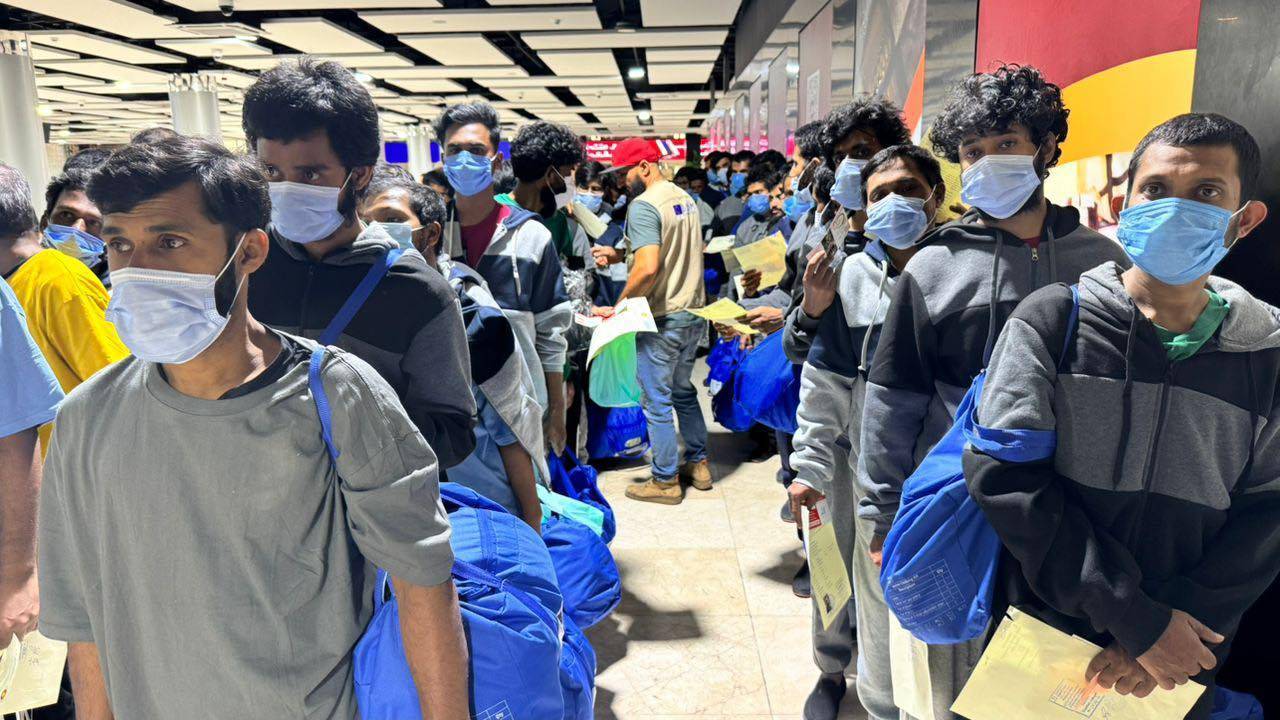
It also reported that it has documented widespread mass arrest campaigns targeting migrants and migrant workers in eastern and western Libya, particularly in the cities of Tripoli, Benghazi, Ajdabiya, and Al-Bayda, including women and children, have been detained.
"We also documented raids on residences housing migrants and their subsequent eviction, along with physical and verbal abuse of a number of them, including women, children, and individuals with underlying health conditions," it added.
She indicated that the arrest campaigns are being led by security forces and armed groups affiliated with the authorities in eastern and western Libya.
It called on authorities in the East and West to cease all violations committed against migrants, refugees, and asylum seekers, and to guarantee their protection from attacks, forced evictions, and hate speech, and to refrain from any deportations or forced returns that could expose them to persecution or other abuses.
Security Campaigns
Libyan human rights activist Tarek Lamloum, who focuses on migration issues, stated that he had received appeals for help from a number of Sudanese families who had been evicted from their homes. Many of these families were forced to hide in abandoned buildings or temporary rooms lacking even the most basic necessities.
Lamloum confirmed to Al-Estiklal that these families are living in a state of fear and anxiety, which compels them to avoid going out or moving around for fear of arrest or targeting. This has negatively impacted their ability to provide food, water, and basic necessities for their children.
"Concerns are also growing regarding the humanitarian and health conditions of these families, given the ongoing persecution and the lack of safe housing alternatives," he added.
He stated that the wave of violence is even affecting some citizens with darker skin, pointing to a widely circulated video of a young Libyan man who said he was forced to publicly display his Libyan passport and prove his identity due to security campaigns and targeting practices based on skin color and facial features.
He emphasized that the current rhetoric under the banner of rejecting resettlement ignores the real reasons for the overcrowding of migrants in certain areas.
He pointed out that everyone knows who runs the smuggling networks, who provides protection, and who profits financially from the continuation of this trade.
He asserted that the problem does not originate with international agencies or refugees, but rather with an economy based on smuggling, exploitation, and extortion.
He stressed that anyone who wants to combat irregular migration should begin by confronting the smugglers and human traffickers within their own city, instead of issuing populist statements that target the victims and avoid addressing the real perpetrators.
Therefore, the human rights activist argued that combating human trafficking begins with exposing the networks that reap millions from this trade, not with raising slogans and concealing the facts.
He pointed out that what is happening today in Libya is essentially an escalation resulting from competition over managing the migration file and the relationship with the European Union.
"After years of the Tripoli government monopolizing this file, Benghazi has begun to forcefully enter the European cooperation arena, with all the political influence, projects, and financial support that entails," he said.
He believes that the current campaign against the UNHCR and international agencies appears to be part of a broader struggle over who will be the EU's main Libyan partner on migration and who will receive the largest share of EU and funds.
He concluded that "those who object to the presence of migrants or to migration policies in Libya should direct their protests to the entities that manage this file and formulate its policies, not to the entity that is supposed to provide protection to the most vulnerable groups."
Sources
- Al-Abani: Settling migrants harms the social fabric and undermines national security in Libya [Arabic]
- Al-Gheriani: The rejection of resettlement is linked to sovereignty and demographics, not racism [Arabic]
- The Libyan government appointed by parliament affirms its rejection of any attempts to settle migrants within the country [Arabic]
- Statement: Escalating abuses and hate speech against migrants in Libya [Arabic]