How Did the Houthis Bring Down Mokha? AI Enters the Battle
The Houthis have been accused of using artificial intelligence in the current war.
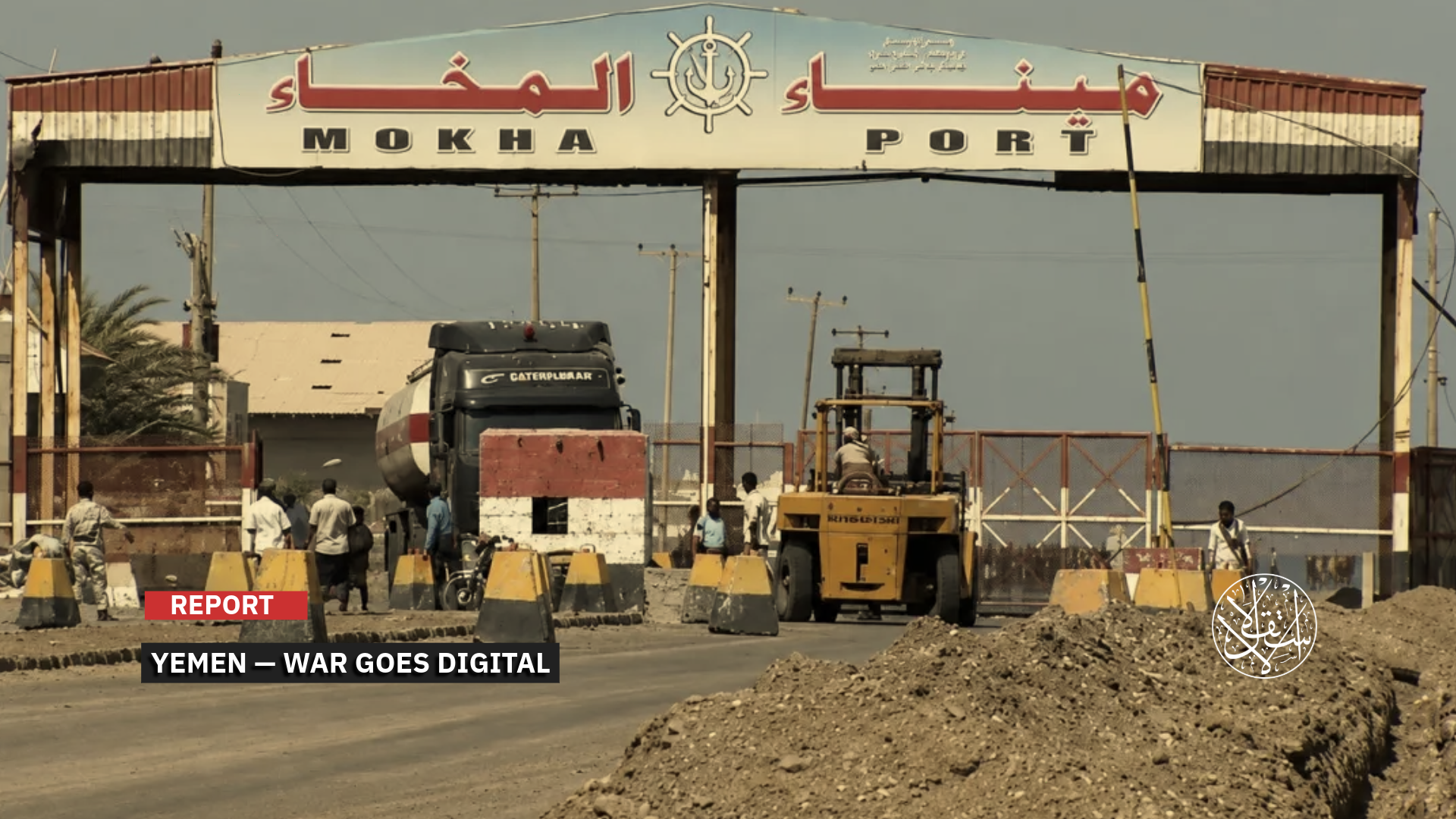
The Houthis’ advance along Yemen’s western coast is no longer simply a matter of seizing territory. The developments surrounding the fall of Mokha have exposed another dimension of the war, with artificial intelligence and cyberattacks being used to disrupt the communications and information systems through which forces operate during combat.
With Mokha falling on September 10, 2026, and the Houthis moving closer to the Bab al-Mandeb Strait by taking control of strategic areas and islands in the Red Sea, reports have emerged of the group using advanced electronic warfare techniques, including mimicking commanders’ voices and broadcasting deceptive messages over communications networks. Other reports point to the use of artificial intelligence models to develop software linked to missile guidance, navigation, and control.
If the capture of Mokha and surrounding areas marks a shift in the military map, the arrival of advanced technology on the battlefield raises an even more troubling question about the next phase of the war in Yemen: have digital tools become part of the Houthi military arsenal alongside missiles, drones, and conventional weapons?
The question has gained urgency after an artificial intelligence company disclosed that a group in northern Yemen had used one of its models to help develop software linked to advanced weapons. A Yemeni political source also spoke of the use of voice-cloning technology and cyberattacks during the battle for Mokha.
The war in Yemen, then, appears to be moving beyond traditional front lines, combining territorial advances with battles over communications and information, and conventional weapons with the tools of artificial intelligence.
Strategic Expansion
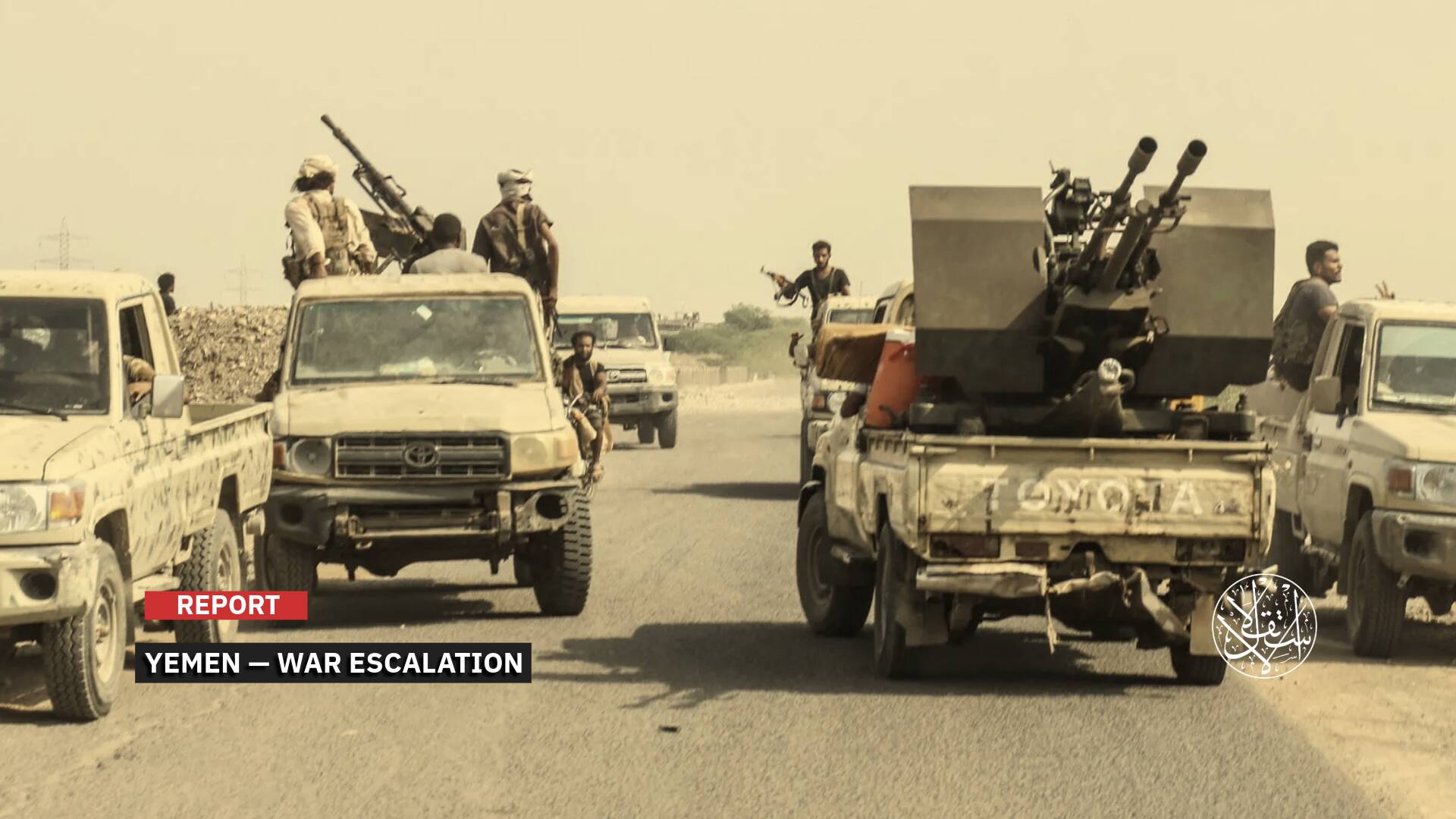
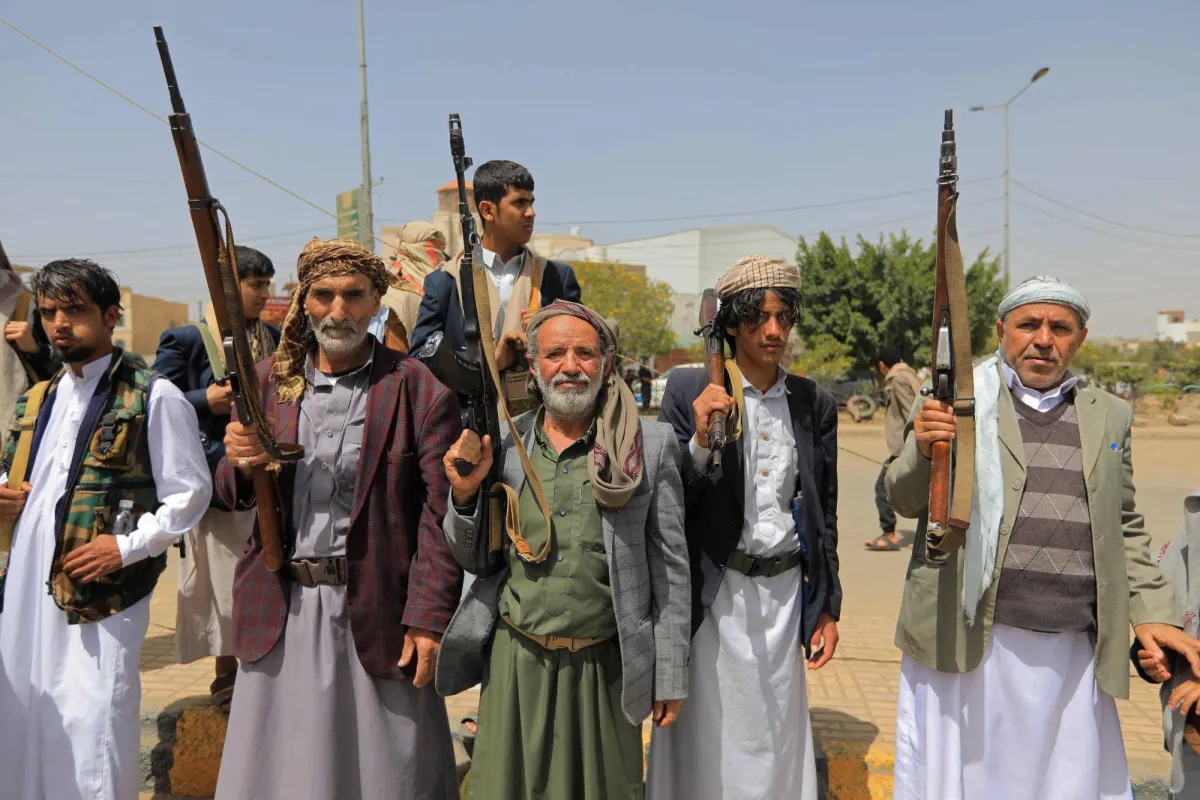
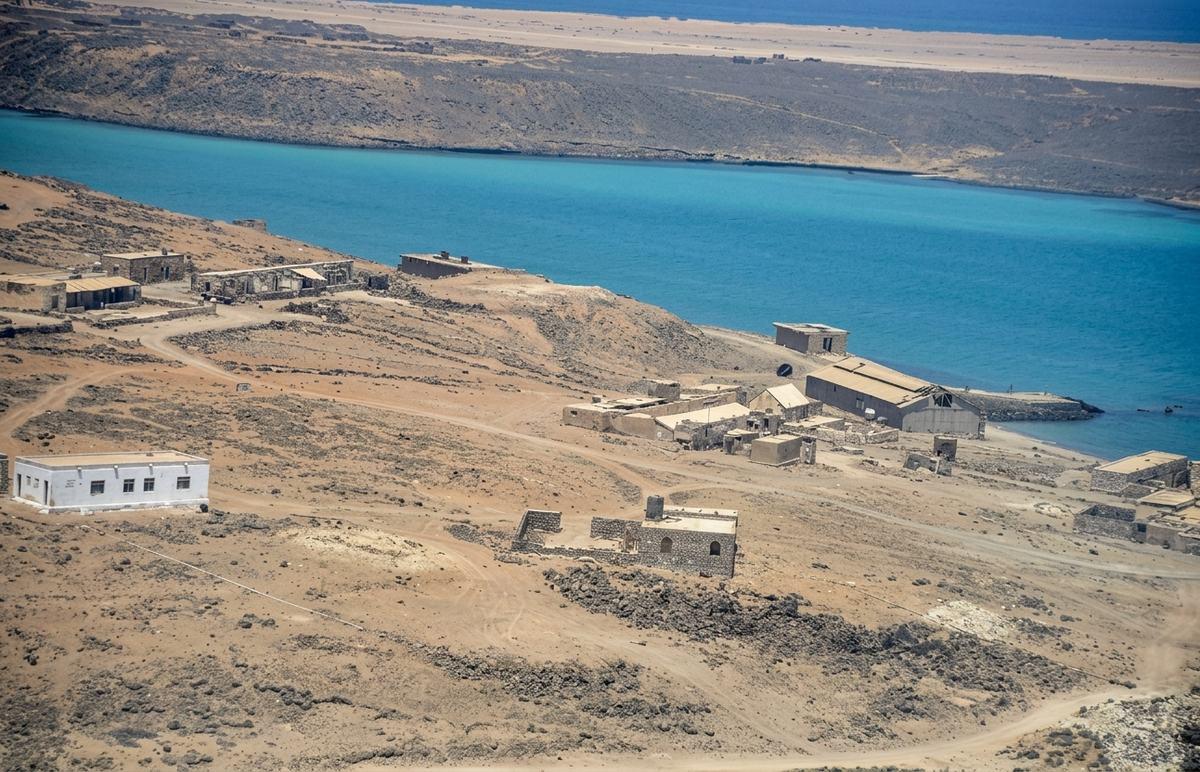
With the fall of Mokha and the strategically important Hanish Islands archipelago, the Houthis are now closer to the Bab al-Mandeb Strait, while their forces are advancing south toward the district of Dhubab, which overlooks the strait and where government and allied forces have withdrawn.
The significance of this control extends beyond Yemen’s military map. Bab al-Mandeb is one of the world’s most important maritime passages, at a time when Saudi Arabia is becoming increasingly reliant on the Red Sea to export its oil after the U.S.-Israeli War on Iran disrupted tanker traffic through the Strait of Hormuz.
For this reason, Yemeni Deputy Justice Minister Faisal al-Majidi described the fall of Mokha as an “Iranian victory” that would allow Tehran to control maritime traffic through Bab al-Mandeb, according to the U.S.-funded Alhurra website on September 10.
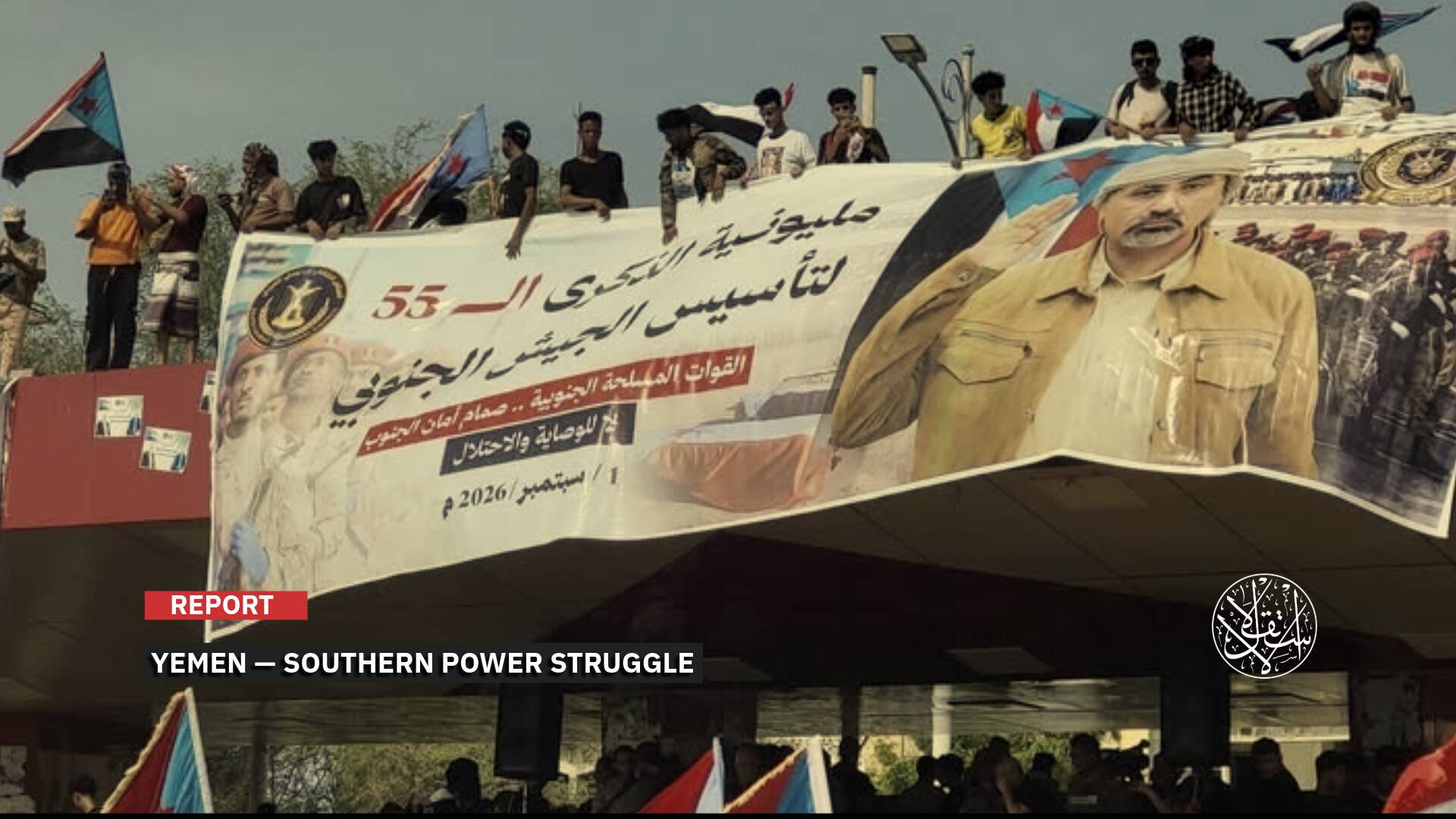
The Houthis attacked the city from two fronts, one from the north, advancing from al-Hudaydah, and another from the east, from the outskirts of Taiz. Its fall marks a shift in Yemen’s battlefield, but more troubling is the reported use of tools capable of manipulating the information reaching fighters and commanders.
A Yemeni political source, who spoke to Al-Estiklal on condition of anonymity, said the Houthis used artificial intelligence and cyberattacks during the battle that ended with their capture of Mokha in an attempt to influence the course of the fighting.
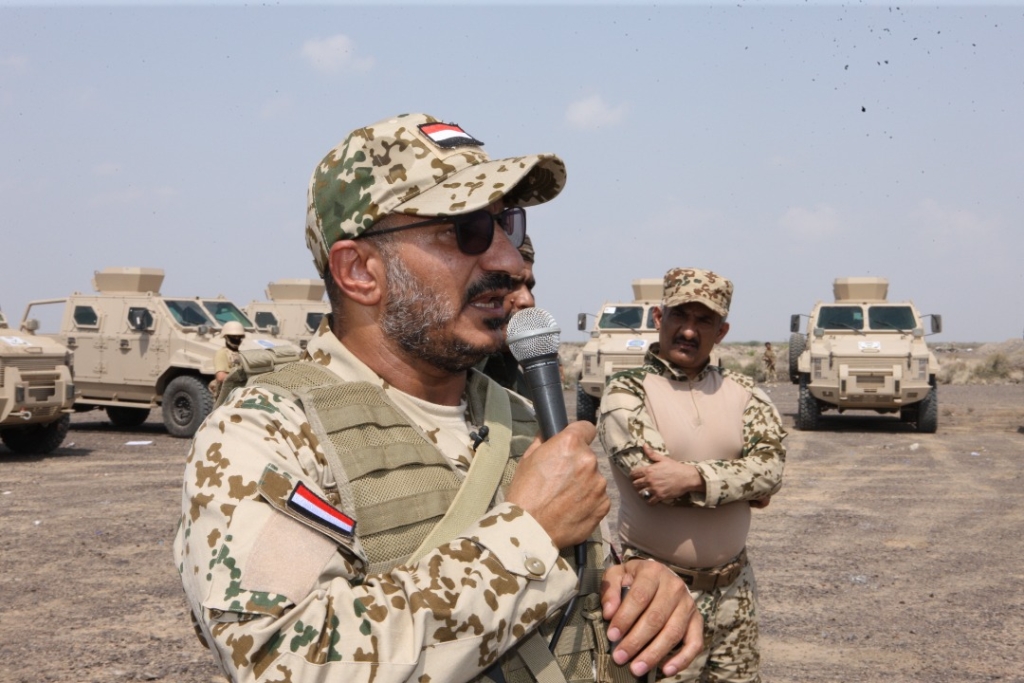
The source said one of the most notable uses involved cloning the voice of Tariq Mohammed Saleh, a member of the Presidential Leadership Council and commander of the National Resistance Forces in Mokha, in an audio recording saying that the units had withdrawn to save lives.
The source stressed that the recording “was not Tariq Saleh’s voice” but had been produced using an artificial intelligence application capable of replicating his voice before being used as part of a hacking and influence operation targeting units involved in the battle.
The Communications War
If control of territory is the traditional face of warfare, control over the information reaching fighters may be another, more sensitive front. This is where the account provided by the Yemeni political source about the combination of artificial intelligence and cyberattacks comes into focus.
The source said the Houthis did not stop at cloning the voice. They “managed to hack communications devices and broadcast the voice through the operations room to the communications devices of commanders across all units.”
The account points to a use of artificial intelligence aimed not at destroying a physical target but at manipulating the information environment in which forces operate. The cloned voice becomes part of a broader operation targeting communications in an attempt to confuse units or influence their decisions at a critical moment in the fighting.
The source also said that Iran’s Islamic Revolutionary Guard Corps (IRGC) was present during the battle, putting the number of IRGC commanders on the ground at around 200. “This is advanced technology, and the IRGC helped deploy it,” he added.
The source linked the operation to a broader effort to recruit technical expertise, saying the Houthis “are recruiting every cybersecurity graduate” and seeking to bring graduates in these fields into their ranks.
According to the source, the group “forces some and gives others a choice,” adding that once someone works with the Houthis, “their entire life is in their hands,” leaving them unable to leave, travel, return, or stay away “without permission.”
The source said the Houthis offer workers in these fields relatively good salaries compared with others and with average incomes in Yemen. “Although they are not large salaries, they pay them well,” he said.
Digital Missiles
But the story of artificial intelligence being used in Yemen does not stop at voice cloning and communications hacking. In a report released on September 11, Anthropic said users of its Claude program in northern Yemen had attempted to use an AI model to develop advanced missiles.
Anthropic said the users did not succeed in deploying a working device but they carried out an unsuccessful test of a guided missile before returning to Claude to determine why the test had failed.
The revelations became more serious when the company said the cell in northern Yemen was working on three weapons development programs and had used Claude Code to help develop guidance, navigation, and control software.
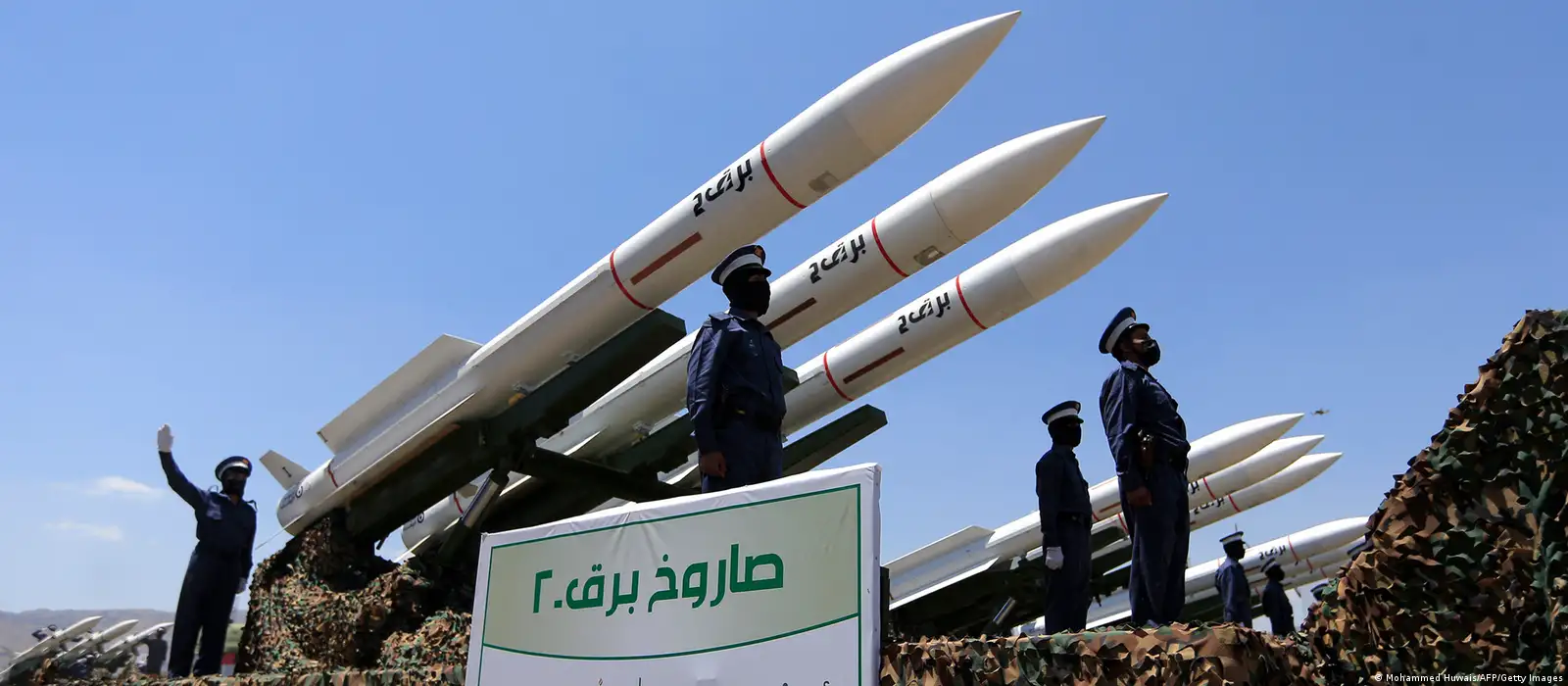
According to the company, the programs included a guided missile using a smartphone-class flight computer, a multistage ballistic missile with a stated range of more than 2,000 kilometers, and a multimodel system that users called “R2000,” including a version associated with hypersonic glide technology.
More strikingly, AI was not being used simply to retrieve information. It was helping write software, integrate open-source systems, configure control settings, and conduct simulations and software tests.
The cell also ran multiple Claude sessions simultaneously, with one handling programming, another conducting research, and a third reviewing code produced by the first, resembling the division of labor within a small engineering team.
The Yemen case also highlights a problem that goes beyond AI’s capabilities themselves: how can an armed group be prevented from breaking down weapons development into small tasks so that no individual session reveals the ultimate objective?
Anthropic said its safeguards successfully blocked a large number of requests, but users managed to circumvent some of those measures by concealing the ultimate purpose of their questions and dividing the work across multiple sessions so that no single session revealed the full nature of the project.
The matter was not entirely theoretical. The cell conducted a field test of a guided missile in Yemen that Anthropic said appeared to have failed. Hours later, members of the cell returned to Claude to try to analyze the reasons for the failure.
Anthropic did not identify the group behind the cell, describing it only as being based in northern Yemen. The Associated Press, however, linked the group to the Houthis on September 11, citing the fact that the area is under their control.
The Technology of War
In an article published by the London-based al-Majalla on September 12, writer Ibrahim Ahmed said the episode captures a striking paradox in the global landscape: a cell in one of the world’s poorest and most unstable regions using advanced technology to help develop weapons.
Ahmed wrote that a Houthi cell working on weapons development used Anthropic’s Claude Code to help develop guidance, navigation, and control software for several weapons programs, including a ballistic missile. He noted that the cell turned back to AI after a missile test failed.
Ahmed pointed to another paradox: fighters in a poor and unstable region are using one of the most advanced products of human technology while operating near Bab al-Mandeb, one of the world’s most important gateways for global trade.
“Artificial intelligence is not a virtual world,” Ahmed wrote. Behind the algorithms lies a vast physical world of chips, data centers, electricity, minerals, factories, ships, and supply chains stretching across continents.
He concluded with a question: “How will we set rules for machines if we cannot enforce rules to prevent militias from taking control of a vital artery for humanity?”
The war between Russia and Ukraine and the Israeli genocide in Gaza are also part of this broader shift. The use of artificial intelligence on battlefields has fueled sustained debate over its impact on international and regional security and on the ability of conflicts to continue for longer.
AI is now being used to analyze vast amounts of data, identify military patterns and trends, conduct reconnaissance and remote sensing, and support encryption and cybersecurity. It is also being used to monitor and analyze public opinion through social media platforms and to process texts, images, and videos related to war.
It can also be used to assess the risks and potential consequences of military decisions, develop and improve guided weapons systems such as drones and smart missiles, identify targets, classify combatants, and improve communication and coordination among forces.
Yet the greater precision AI may offer does not eliminate the risk of catastrophic errors. Instead, it opens the way to a broader transformation in the nature of warfare, particularly as lethal robots, autonomous weapons, and self-guided munitions continue to develop.
Even after fighting stops, the technology can be used to assess damage and set reconstruction priorities, analyze images and videos of affected areas, coordinate humanitarian operations involving displaced people and refugees, and analyze political and social data to support reconciliation efforts.
But Yemen presents the world with the most troubling side of this transformation: AI does not enter war on its own. It enters through people with military objectives who bring digital tools, software, human expertise, and physical resources together as part of a single system.
Sources
- Detecting and countering misuse of AI: September 2026
- Users in Houthi-held Yemen tried to develop advanced weapons with AI, Anthropic says
- From Geoffrey Hinton to the Houthis [Arabic]
- How Is Artificial Intelligence Steering Modern Warfare? [Arabic]
- Mokha Falls Suddenly as Houthis Close In on Bab al-Mandab