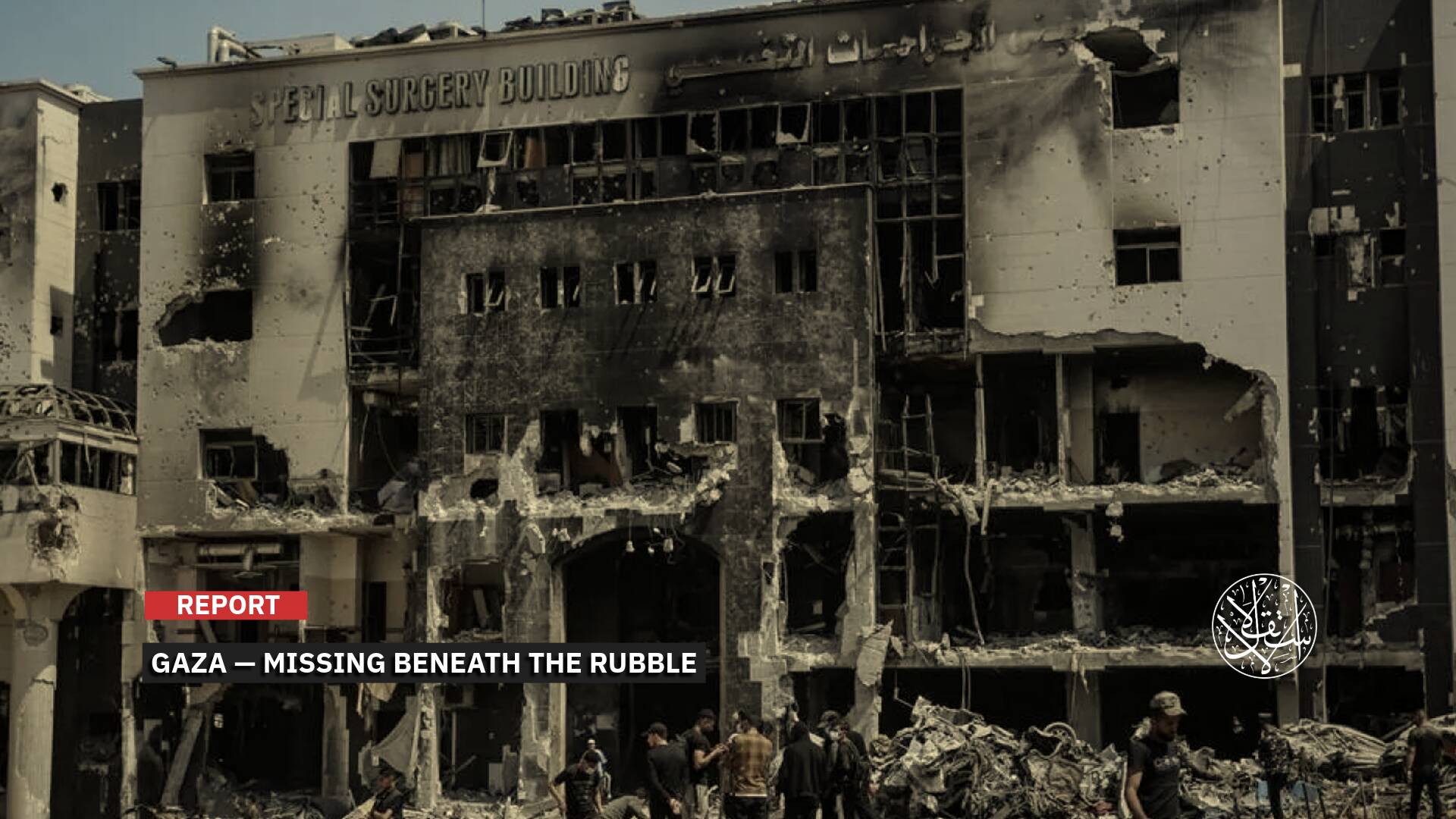
Despite Political and Economic Consequences: Will the Netherlands Consider 'Israel' an Enemy?
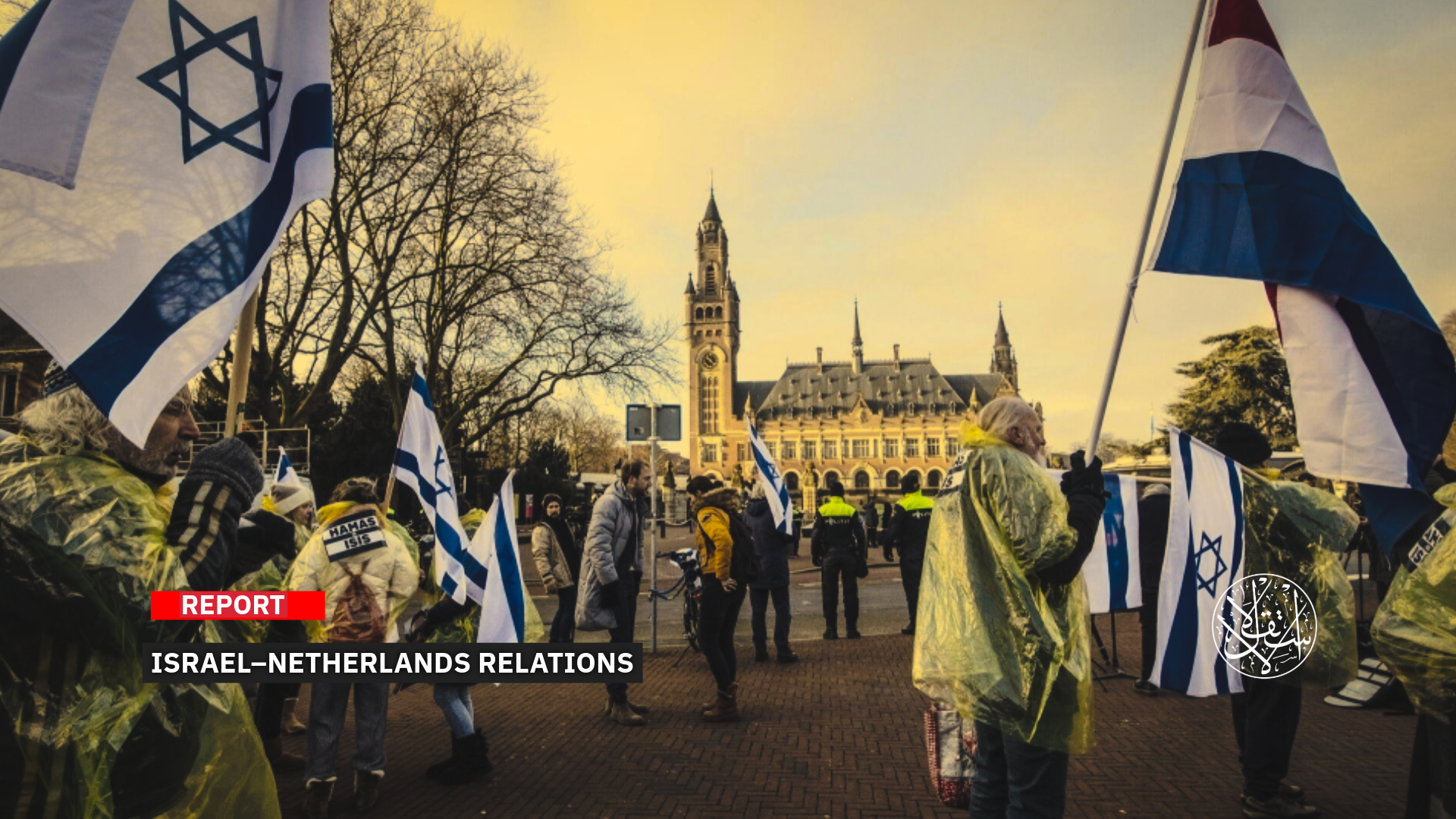
“The Netherlands has traditionally served as a hub for pro-Israel lobbying within European institutions.”
In a dramatic shift, the Dutch government, one of the most right-wing in the country's history, has for the first time included “Israel” on its list of countries that pose a serious threat to its national security.
This move came after the Dutch Security Agency accused “Israel” of undue influence in the country and its disinformation campaigns aimed at misleading Dutch politicians and the public.
The report stated that Israeli threats to the Netherlands are divided between direct threats, such as cyberattacks, sabotage, and economic and technological espionage, and indirect threats, such as assassinations of exiles and influence on communities.
In May, the Netherlands wrote to EU High Representative for Foreign Affairs Kaja Kallas, requesting that the EU review its strategic partnership agreement with “Israel”.
In another context, the Dutch government explicitly accused “Israel” of a serious violation of international humanitarian law by preventing the entry of humanitarian aid into the besieged Gaza Strip.
For its part, the Hebrew newspaper Calcalist considered that Israeli-Dutch relations, and Israeli-European relations in general, are facing a major upheaval.
Israeli Disinformation
In a report published on July 17 by the Dutch National Coordinator for Security and Counterterrorism (NCTV) under the title ‘Assessment of Threats from State Actors 2025’, “Israel” was included for the first time on a list of countries engaging in activities that threaten the security and stability of the Netherlands.
The report explicitly accused “Israel” of attempting to influence public opinion and political decision-making in the country through propaganda tools that go beyond diplomatic norms.
Among the evidence cited in the report of Israeli disinformation of Dutch public opinion is a document distributed last year by the Israeli Ministry of Diaspora Affairs and the Fight against Antisemitism to Dutch journalists and politicians through unofficial channels.
The report stated that the document contained unfamiliar and unwanted personal details about Dutch citizens, following the tensions and riots that erupted in Amsterdam following a soccer match between Maccabi Tel Aviv and Ajax in November 2023.
The Israeli document claimed that Maccabi Tel Aviv fans were the victims of a massacre, when in fact they were the perpetrators, terrorizing the city, damaging property, and chanting ‘Death to Arabs’ along with other racist slogans.
This document was later used in the Dutch parliament to support pro-“Israel” motions, sparking widespread debate about the transparency of the political process and foreign influence in the country.
Dutch ministers from the ministries of justice, security, and foreign affairs criticized these malicious Israeli attempts, describing them as irregular and unwanted, warning that they could endanger Dutch citizens.

Israel's role did not stop at internal disinformation. The report also noted growing concern about pressure from “Israel” and the U.S. on the International Criminal Court (ICC) in The Hague, in an attempt to disrupt its work.
It considered that these threats could disrupt the court's work, undermine its status as a credible international judicial institution, and damage the legal reputation of the Netherlands as a host country for several international tribunals and bear a special responsibility to protect them from external influence.
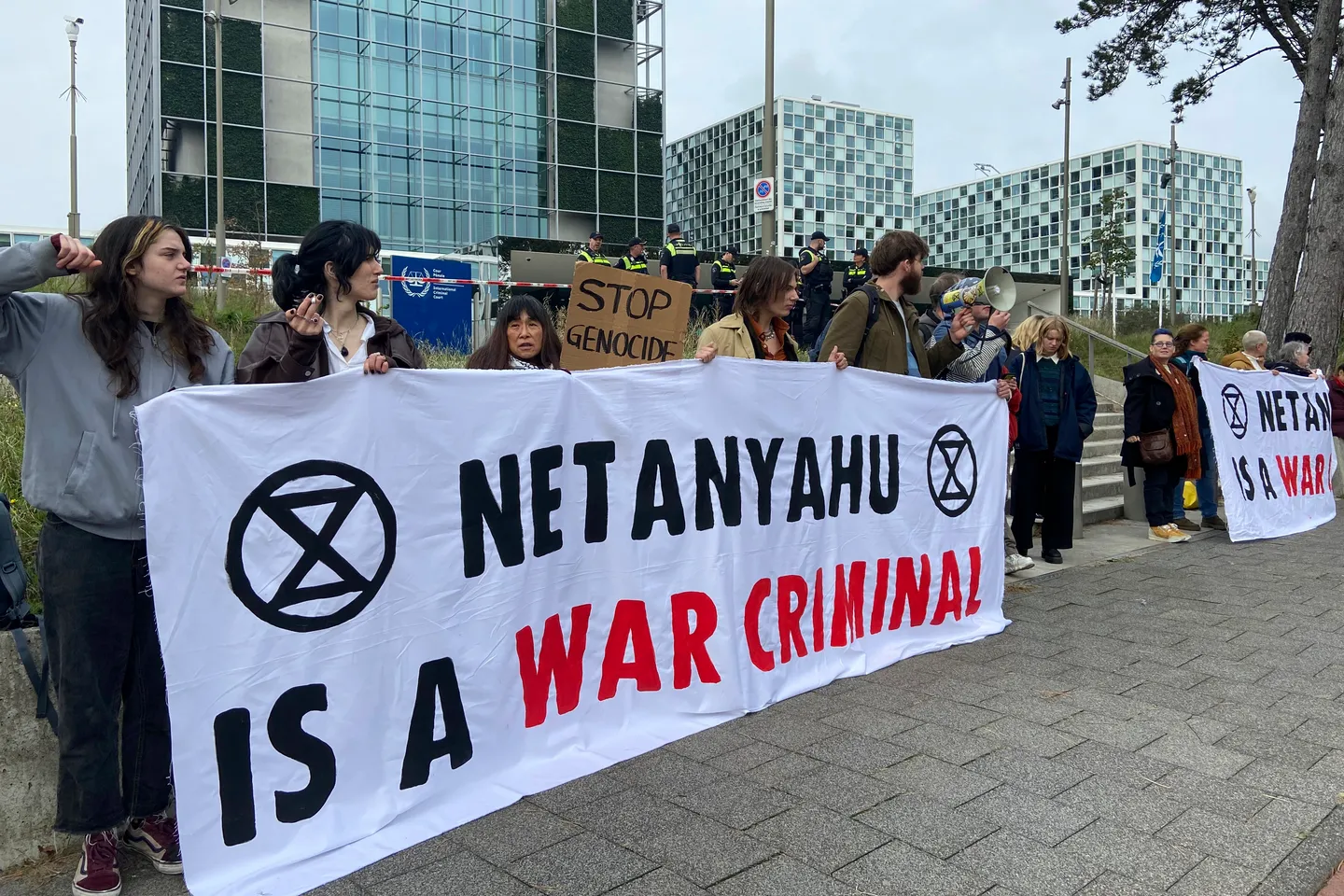
Israel's attempts to influence the ICC came after the court issued arrest warrants for Prime Minister Benjamin Netanyahu and former Army Minister Yoav Gallant for possible war crimes in Gaza.
Although the Dutch report does not present “Israel” as a direct threat similar to that posed by Russia or China, its inclusion for the first time on the list of security threats to the Netherlands is a significant development.
It also portends a redrawing of relations between the two countries against the backdrop of the ongoing genocide in Gaza and its political repercussions within Europe.
Dr. Samir Salha, a Professor of International Relations and political analyst, told Al-Estiklal that “the escalation of the Dutch authorities' rhetoric against the Tel Aviv government reflects the deterioration of Israel's image in European circles, after many years of being considered an absolute ally.”
“This development also reflects the Netherlands' transition from a security assessment to a diplomatic engagement,” he added.
He predicted that the recent Dutch action would have political and economic repercussions, noting that “the Netherlands, unlike other European countries, is expected to take more cautious decisions toward Israel, which could negatively impact diplomatic relations between the two countries.”
“Israel has always enjoyed an aura of immunity within Dutch media and political circles, but the landscape has changed today after Tel Aviv became a threat to Amsterdam and could be on the justice system's list tomorrow,” he said.
Dutch Responses
In addition to the latest report, Dutch authorities declared Israeli National Security Minister Itamar Ben-Gvir and Finance Minister Bezalel Smotrich persona non grata and barred them from entering the Netherlands.
This decision was made because Smotrich and Ben-Gvir have repeatedly incited settlers to violence against Palestinians and advocated for the expansion of illegal settlements and ethnic cleansing in the Gaza Strip.
The Dutch decision follows similar steps taken by the UK, Canada, Australia, New Zealand, and Norway last month, reflecting growing international political disapproval of their rhetoric and actions.
In response, Ben-Gvir posted on X, saying: “Even if I am banned from entering all of Europe, I will continue to work for my country.”
“It seems that the Netherlands welcomes and tolerates terrorism, while a Jewish minister from Israel is banned from entering,” he added.
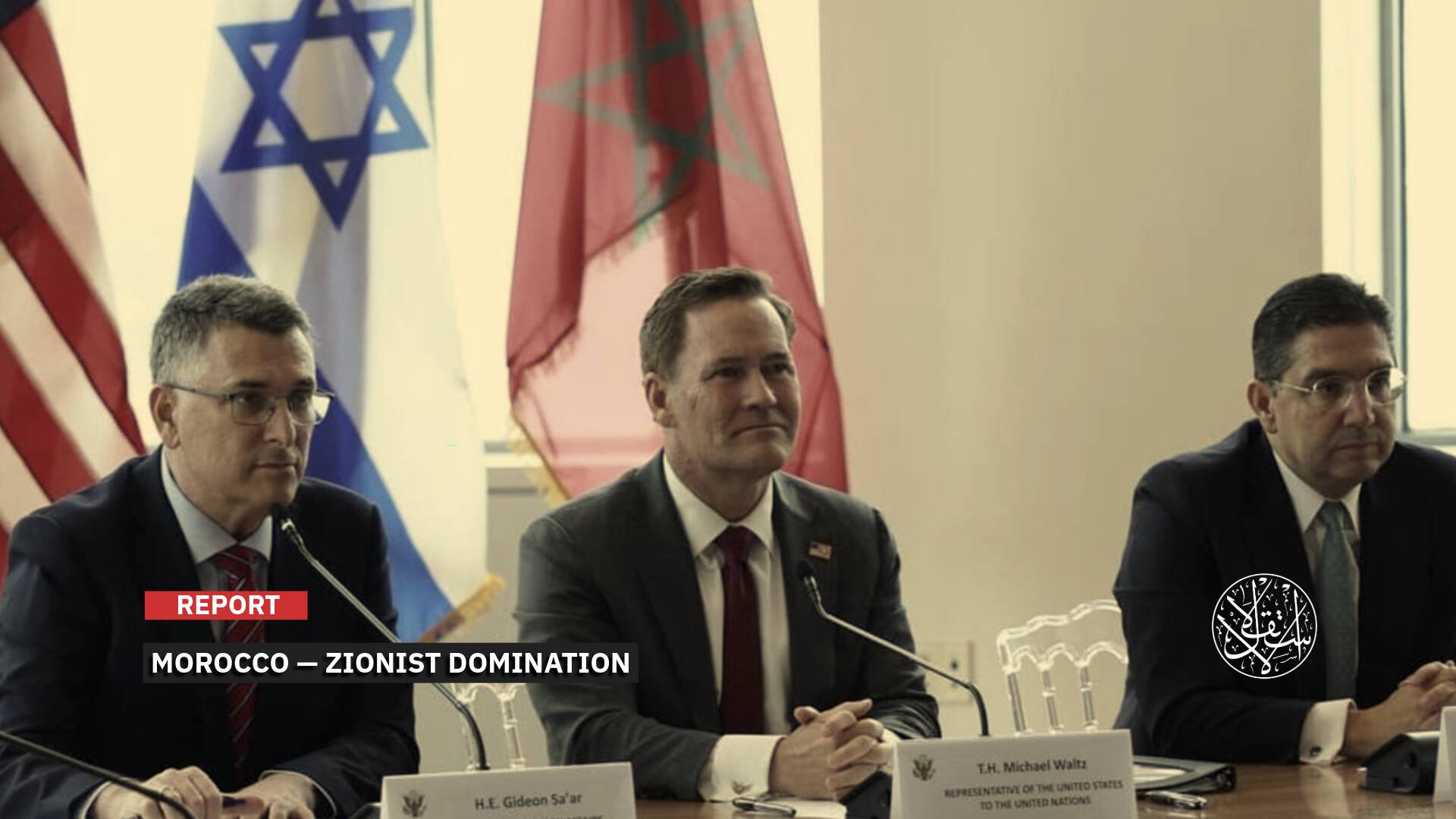
In turn, Israeli Foreign Minister Gideon Sa'ar summoned Dutch Ambassador Mariet Schuurman to his office to reprimand her.
In a letter to the Dutch parliament published on July 28, Dutch Foreign Minister Casper Veldkamp stated that his government had rejected, since October 7, 2023, 11 export license applications for military equipment or dual-use materials destined for Tel Aviv.
However, he noted that the Netherlands had approved only two licenses related to components of the Iron Dome air defense system.
In February 2024, The Hague court of appeals ordered the Dutch government to stop the export of F-35 fighter jet components to “Israel”.
However, despite the court’s decision, there have been reports that the Netherlands is still supporting the supply chain of Israel’s version of the F-35 fighter jet.
Veldkamp also recently stated that the Israeli ambassador in The Hague would be summoned to the Ministry of Foreign Affairs to urge the authorities to change their stance on the Gaza Strip, as the situation is intolerable and unjustifiable.

Necessary Steps
As a result of the above, diplomatic tensions between the Netherlands and “Israel” have escalated, particularly after Dutch Prime Minister Dick Schoof threatened to impose EU sanctions on “Israel” over its conduct in the Gaza Strip.
He announced that he had held an emergency meeting with senior ministers to discuss the catastrophic conditions in the besieged Strip, stressing the need for immediate and unconditional access for humanitarian aid.
“If the EU decides tomorrow that Israel is not abiding by the relevant agreements, the Netherlands supports suspending Israel's participation in the European research program,” he said.
He noted that his country may consider additional measures, including trade, if these violations persist.
in In response, Israeli President Isaac Herzog quickly responded on X, accusing the Dutch Prime Minister of distorting the content of their phone call and warning that taking punitive measures would be a grave mistake.
The European Commission had approved a proposal to partially suspend Israel's participation in its scientific research and development program Horizon Europe, with a budget of €100 million.
The decision, which awaits approval by member countries, is the first concrete punitive measure taken by the EU against “Israel” since the beginning of the Israeli war on Gaza.
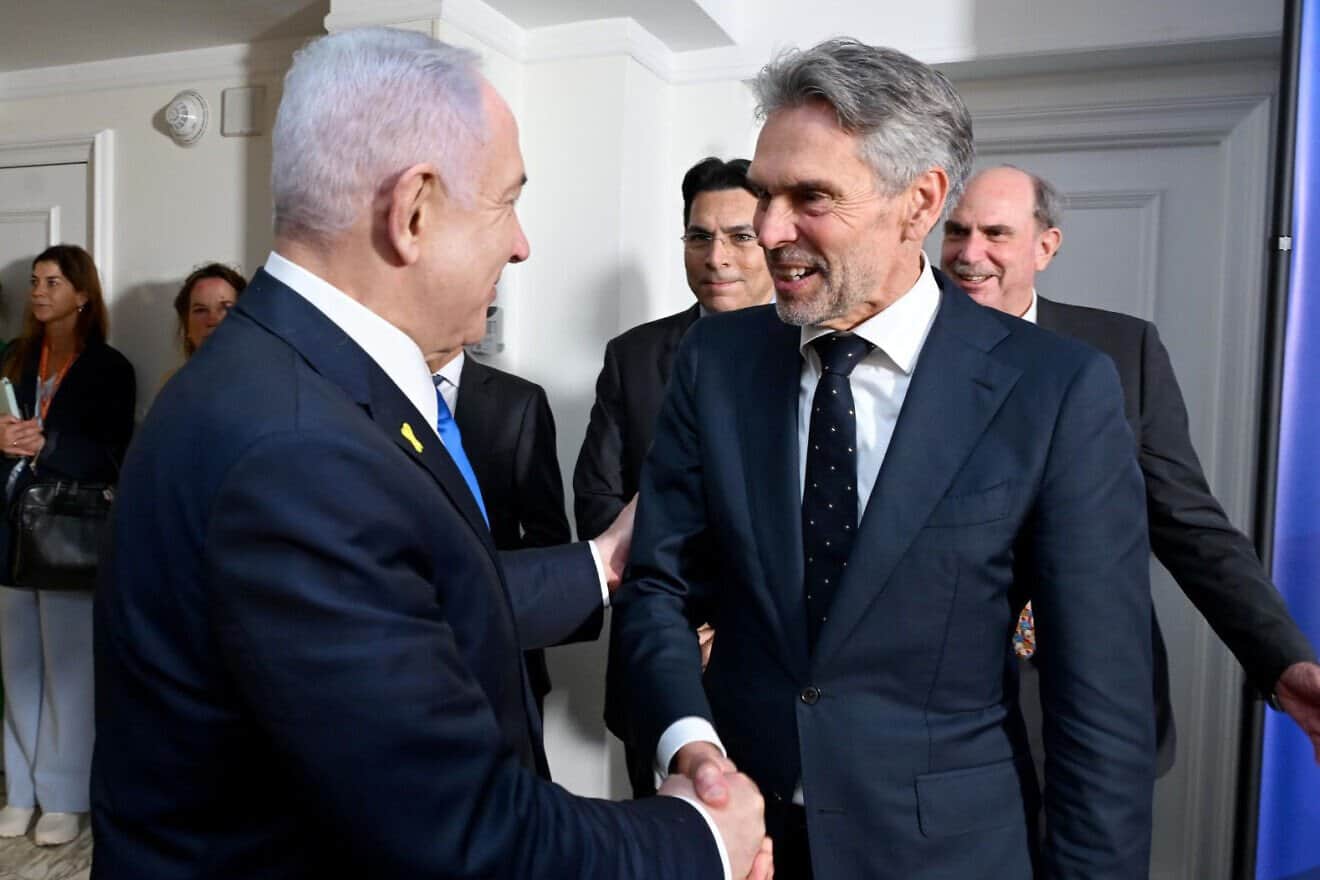
The Netherlands officially recognized “Israel” in 1949 and was one of the first countries to establish diplomatic relations with the newly independent state.
It has also traditionally served as a hub for pro-“Israel” lobbying within European institutions—manifested in the Dutch government’s steadfast support for Israel’s right to self-defense and cautious criticism over Israeli actions in the occupied Palestinian territories.
The Dutch evolving position on the Gaza war marked a significant moment in its foreign policy.
Prompted by legal, humanitarian, and political factors, the Netherlands has moved away from traditional support for “Israel” and towards a more critical approach.
With the Dutch political landscape now more fragmented after its last elections, coalition governments have needed to accommodate broader views, including those calling for a more balanced or critical approach to “Israel”.
The Netherlands’ repositioning could have significant consequences for EU foreign policy. Such a development could reshape the EU’s diplomatic credibility in the Middle East.
Despite this, the Netherlands has not yet announced its joining the European countries that have declared or will declare their recognition of the State of Palestine.
However, political parties and popular campaigns have recently begun to increase pressure on the Dutch government in this regard.
On July 25, opposition parties in parliament called on the Dutch government to follow French President Emmanuel Macron's lead and announce its intention to recognize a Palestinian state.
In addition to the humanitarian dimension and the consequences of the war of extermination in Gaza, the shifting Dutch position stems from what Amsterdam sees as Israel's continued intimidation of Dutch citizens, as well as some of the country's politicians.