Deadlock at the Top: What’s Blocking Iraq’s Shiite Framework From Choosing a Prime Minister
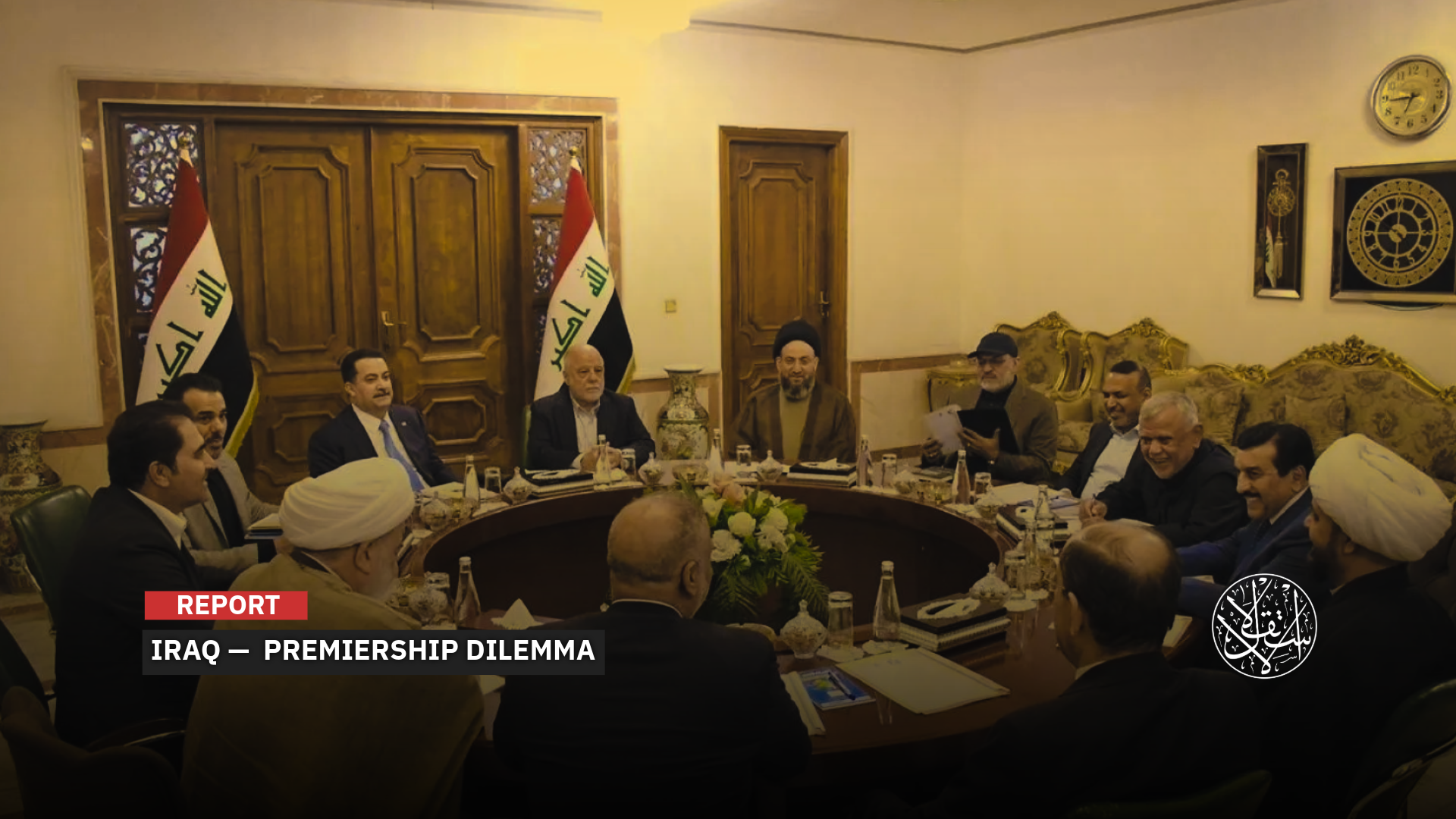
Al-Sudani’s letters of appreciation to his staff were widely seen as a subtle goodbye.
Shiite political forces within Iraq’s ruling Coordination Framework (CF) have reached a complete impasse in talks over selecting a new prime minister, as both Nouri al-Maliki, head of the State of Law Coalition, and current Prime Minister Mohammed Shia’ al-Sudani remain firmly committed to their own candidacies, blocking any internal consensus so far.
As the deadlock drags on, questions are mounting over how the post will ultimately be decided: whether it will go to the leader of the CF’s largest bloc, or whether deepening divisions and tightening timelines will push the parties toward a compromise candidate from outside the winning forces as a last-ditch effort to avert another political vacuum.
Suspending Deliberations
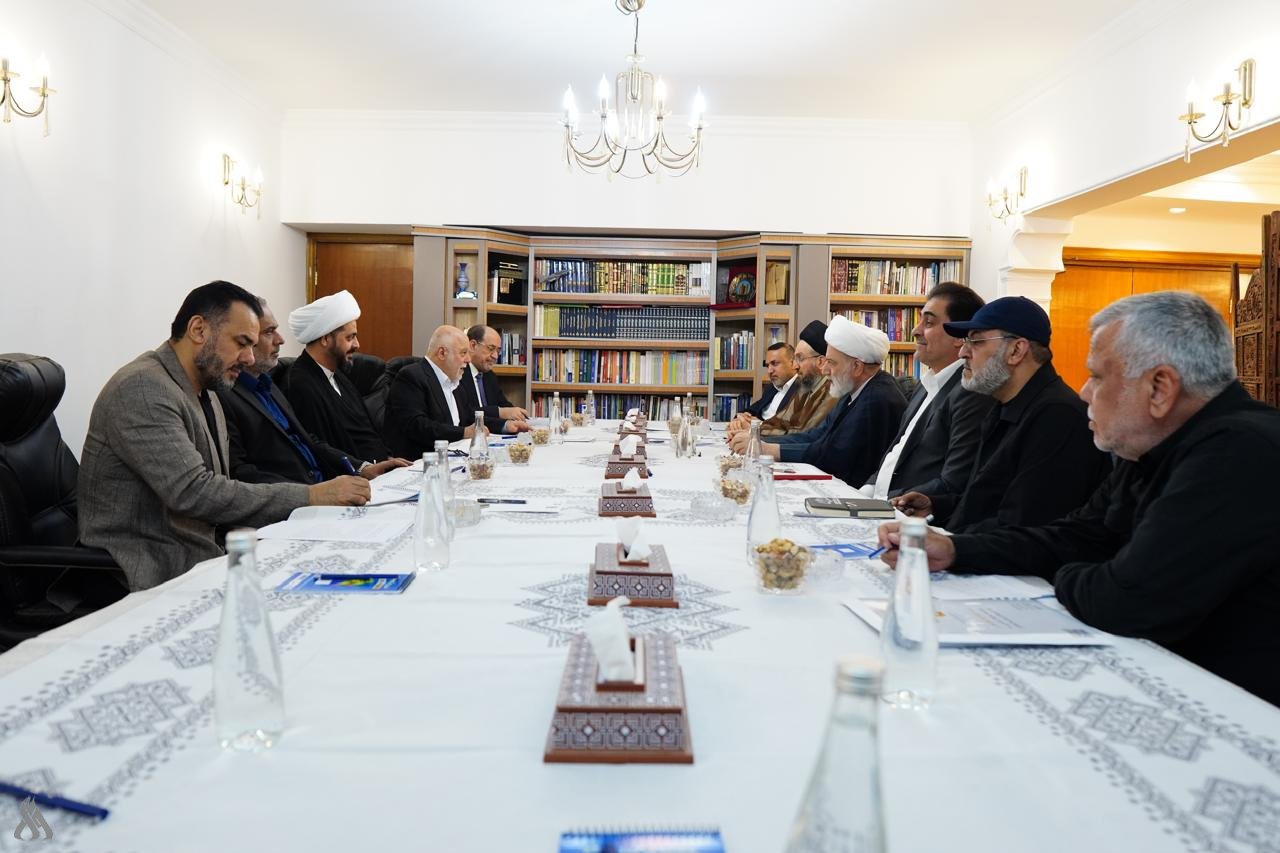
At its last meeting before this report was written, on January 5, 2026, Iraq’s CF said it had reviewed a slate of agenda items and surveyed domestic and international developments, without directly addressing the fate of its prime ministerial nominee.
Its brief closing statement spoke of the “need to resolve the national obligation of naming a prime minister, alongside other electoral entitlements, in line with constitutional frameworks and the demands of the next phase”—language that conveyed uncertainty more than it suggested a breakthrough.
A day earlier, Iraq’s Almada newspaper reported that the CF had effectively suspended deliberations over the prime ministerial pick after talks ran aground, with both Mohammed Shia’ al-Sudani and Nouri al-Maliki clinging to their candidacies and Shiite forces unable to forge a viable internal compromise.
According to the paper, former Prime Minister Haider al-Abadi and National Security Adviser Qasim al-Araji were floated as possible fallback options, despite not running in the most recent elections—an indication of a shrinking margin for maneuver and the absence of ready consensus alternatives.
Almada suggested the post could ultimately be decided through a familiar last-minute scenario, similar to the election of parliament’s speaker on December 30, 2025, when constitutional pressure pushed rival blocs into hurried understandings to avert a political vacuum.
Local media also reported on January 4 that the CF was nearing the nomination of Accountability and Justice Commission head Bassem al-Badri, a move al-Sudani rejected as he insisted on staying in the race, particularly since al-Badri is widely seen as backed by al-Maliki and aligned with his political agenda.
Al-Sudani’s Reconstruction and Development Coalition (RDC) dismissed those reports in a statement posted on X the same day, denying that an alternative candidate had been selected from within the CF.
RDC member Saif al-Mansouri said al-Sudani remains the strongest contender behind closed doors, pointing to what he described as relative stability and tangible achievements during the past period.
Another RDC figure, al-Nasri, echoed that view in a post published the same day, arguing that talk of rival candidates was meant to confuse public opinion and cloud the political picture, rather than reflect political reality.
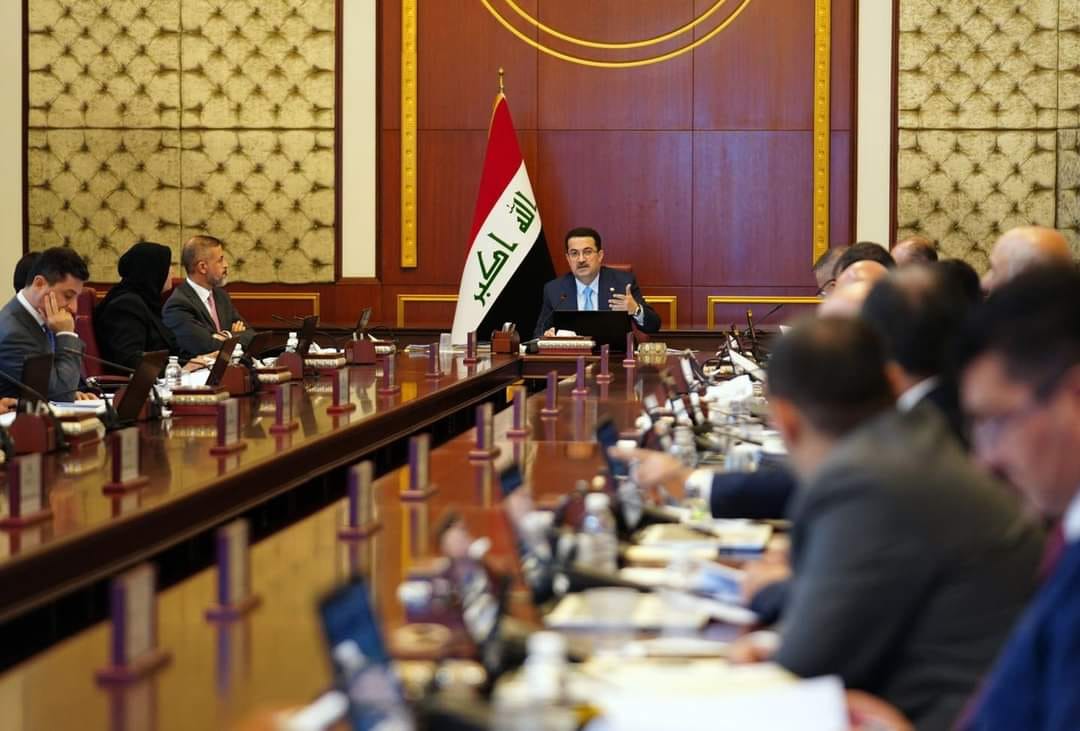
GoodBye!
As speculation intensifies over the identity of Iraq’s next prime minister, political sources familiar with the matter said two names are gaining traction inside the CF: Accountability and Justice Commission head Bassem al-Badri and national security adviser Qasim al-Araji, with al-Badri increasingly viewed as the more acceptable option among influential factions.
The sources, speaking to Al-Estiklal on condition of anonymity, added that the prospects of current Prime Minister Mohammed Shia’ al-Sudani have begun to fade—particularly after he issued letters of appreciation to his advisers and office staff at the prime minister’s office on January 5, a move some political actors interpreted as an early farewell signal.
According to the same sources, al-Sudani may be edging toward accepting he won’t win a second term, as momentum grows behind a near-consensus within the CF in favor of al-Badri. While al-Sudani has rejected that option, they said, it could still be pushed through given the broad support al-Badri enjoys among the CF factions.
State of Law Coalition figure Abbas al-Bayati said the CF is reluctant to back an untested prime minister, warning that narrowing the race to several competing candidates could trigger “withdrawals.”
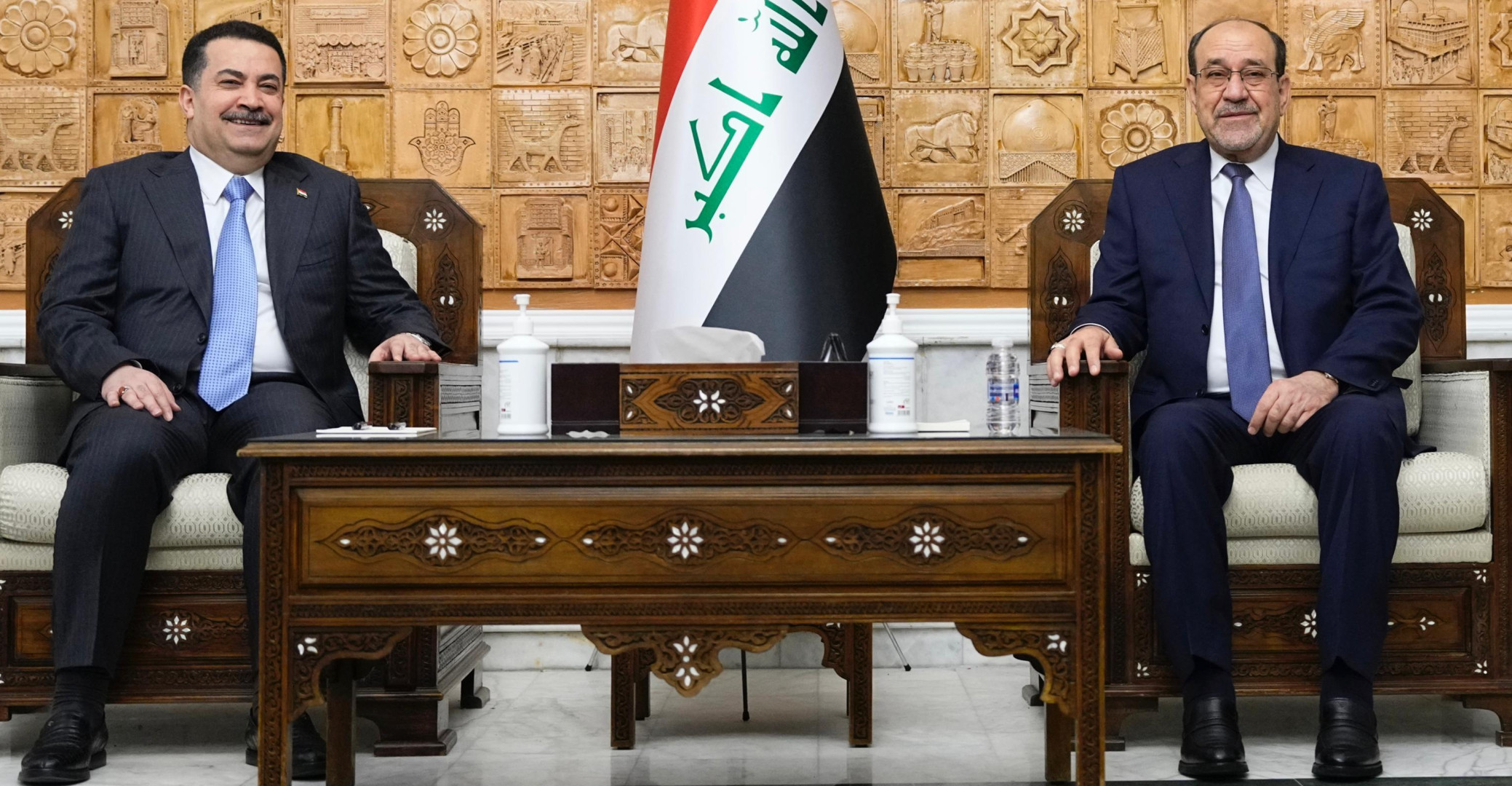
In a televised interview, al-Bayati said a meeting between Nouri al-Maliki and Mohammed Shia’ al-Sudani on January 3 helped break the ice between the two men, raising the likelihood of an agreement that would produce what he called a “strong prime minister.”
He added that regional and international complexities make it risky to gamble on an unknown figure, arguing that consensus-building within the CF is far more complicated than in Sunni or Kurdish arenas due to the number of actors and overlapping interests within the Shiite political house.
Al-Bayati suggested that last-minute negotiations may remain the most realistic path forward, as they allow for limited concessions in exchange for larger political gains.
Local media say al-Maliki and al-Sudani quietly met in recent days, reaching an agreement on a set of criteria to guide the selection of Iraq’s next prime minister.
Iraq’s al-Mawqef TV reported on January 5 that the standards would later be presented to leaders of the CF, paving the way for a decision on the stalled nomination.
Qusay Mahbuba, a senior figure in Sudani’s RDC, said in a televised interview the same day that the meeting was not secret but deliberately unannounced, noting that the two men reached understandings on several issues as some factions within the CF sought to inflame their rift—potentially clearing the path for a compromise candidate imposed from outside their camp.
An American Veto
A report published by Iraq HuffPost on January 5 said Iraq’s CF is witnessing a notable thaw between al-Sudani and al-Maliki, an alignment driven by cold political calculation aimed at blocking rival factions within the bloc from pushing through an alternative candidate outside the pair.
The report said both men now present themselves as stemming from the same political root, with what was once fierce internal rivalry giving way to a defensive alignment against what it described as “internal parity”—forces seeking to impose their own project within the CF. It noted that Yasser al-Maliki, a senior State of Law Coalition figure, dismissed what he called “misleading reports” about the existence of alternative prime ministerial candidates.
Messages emerging from both camps make clear there is no room for a candidate outside the al-Maliki–al-Sudani duo, warning that pursuing a third option could trigger a complex political crisis within the CF.
Efforts to promote Accountability and Justice Commission head Bassem al-Badri, backed by influential figures including Qais al-Khazali and Hadi al-Amiri, have sharply receded, the report said, not only because of his limited electoral weight but also due to what it described as a firm American and regional veto, without detailing what it called its “many and serious” reasons.
The picture grows more fraught ahead of an expected visit by the U.S. special envoy to Iraq, Mark Savaya, who opened 2026 with an unusually confrontational tone, directly targeting Shiite armed groups.
The report pointed to what it called the “Venezuela episode”—the kidnapping of President Nicolas Maduro by U.S. forces—as a stark message to political elites across the region that Washington is prepared to impose its will by force when it deems it necessary, a signal that has deepened anxiety within the CF.
In the site’s reading, this external pressure is accelerating the push to settle the premiership and steering the bloc toward a figure capable of managing a delicate balance with the United States, someone with political experience and international maneuverability, without tipping into direct confrontation with Washington.
On January 1, 2026, Savaya posted a New Year's message on X, congratulating Iraqis and saying his team was working with the Iraqi government to make 2026 a turning point in ending the phenomenon of uncontrolled weapons and armed factions.
U.S. efforts, he said, are focused on making the new year the end of instability, plunder of national wealth, weak services, smuggling, unemployment, militias, money laundering, foreign interference, corruption, and the circumvention of the law.
“This message is directed to those who have spread corruption throughout the land of Iraq. Your time is over, and the time of Iraq and the Iraqi people has begun,” he wrote. “We are just getting started.”
Sources
- “We Don’t Want a ‘Cute’ Prime Minister” : Factions Reject a “Disarmed PM”! [Arabic]
- The Coordination Framework Prefers the Experienced, and Withdrawals Are Likely; Presidential Candidate Could Be Announced Tomorrow [Arabic]
- Al-Maliki–al-Sudani Thaw Overshadows Routine Framework Statements; al-Khazali and al-Amiri’s Candidate Loses Momentum [Arabic]
- Al-Maliki and al-Sudani Agree on Criteria for the Prime Minister’s Post [Arabic]