More Youth Are Committing Suicide in Iraq Under a Deafening Governmental Silence
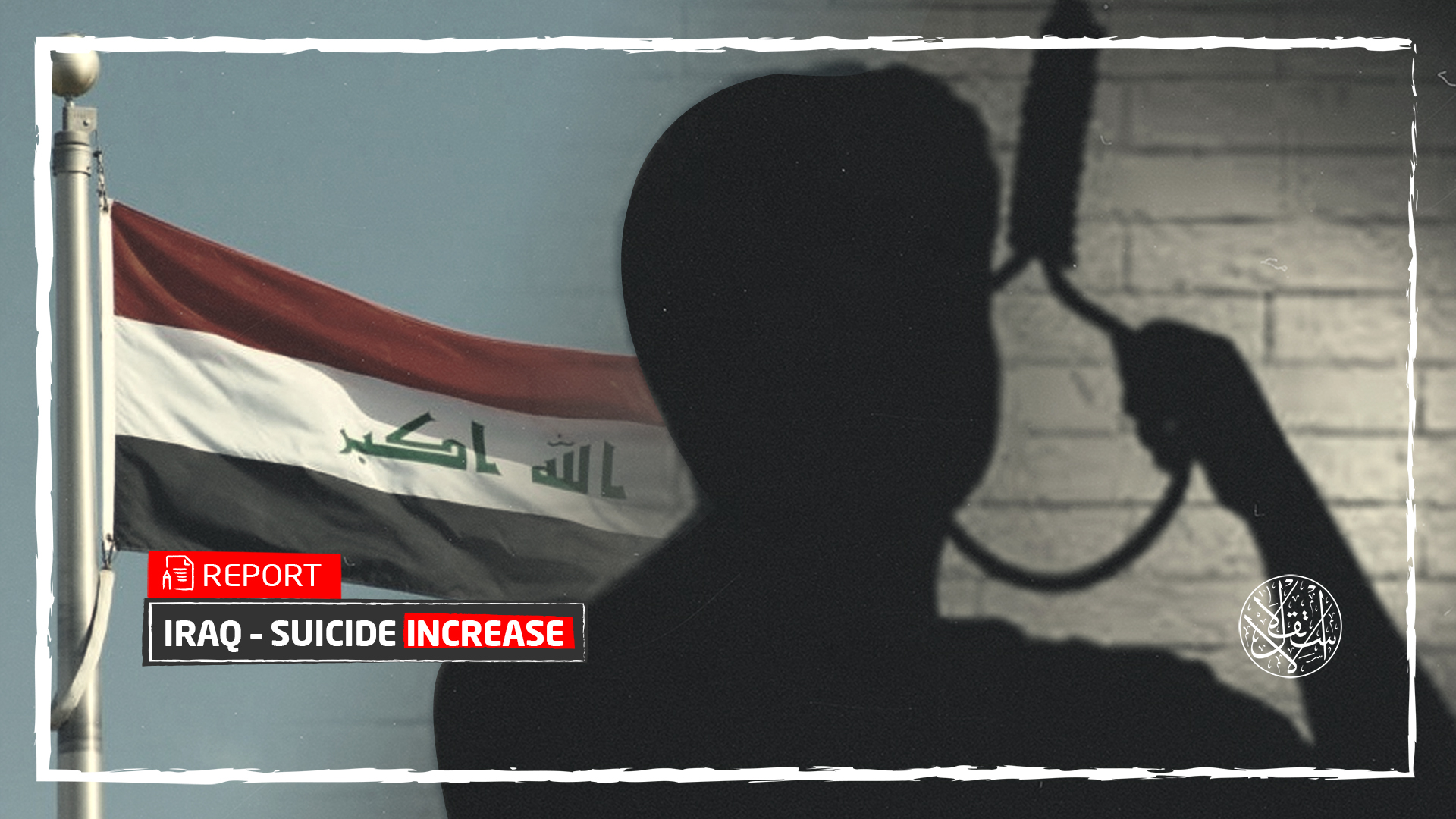
In May 2021, Iraq’s capital, Baghdad, witnessed four different suicides in various parts of the city, ranging from the use of sharp weapons to hangings with ropes, without any notable move from the government.
Iraq's Interior Ministry has warned of an increase in suicides in recent months, announcing almost daily suicides in different parts of the country, and thwarted suicide attempts.
“Suicides have increased in recent months,” the Interior Ministry said, stressing that it is "striving to reduce this phenomenon, which is worsening day by day,” he said.
Sajjad Juma, an official with the Kirkuk provincial human rights office said that suicides became common in Iraq.
"Sixty suicides have been recorded, including 40 women, which indicates the seriousness of these incidents, which have become a widespread phenomenon in Iraqi society," he said in mid-2021.
Iraqi MP Mohammed Shaya al-Sudani warns of increased suicides by saying: "The behavior of suicide of individuals has increased in society without seeing any serious action either from the government or by civil society organizations, but we read a little news here and there," stressing "the need to highlight this phenomenon that threatens community peace by examining its causes and addressing them radically."
WHO Alert
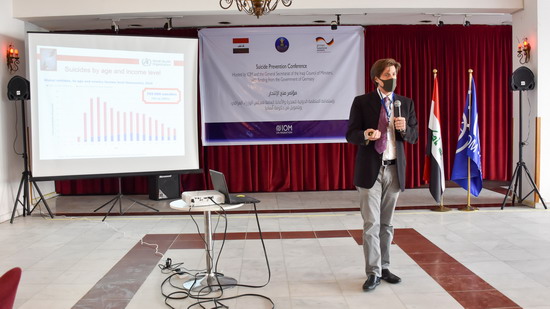
Previously, in December 2020, the WHO pointed out the rise of the suicide phenomena in Iraq, calling it a “public health concern that can no longer be ignored.”
“If this phenomenon is not addressed, it will continue to inflict significant losses on individuals and communities in the country,” it said.
According to official statistics, in 2020 there were 644 suicides in the country, in 2019 more than 590 people in Iraq committed suicide, and another 1,112 attempted suicide, 80% of them women.
The rise was steady, 644 in 2020, 590 in 2019, 519 in 2018, and 422 in 2017 as the WHO reported.
“Many Iraqi families have suffered from mental health problems caused by past conflicts and economic conditions. As if this were not enough, many communities have also faced new restrictions on staying at home, or limited mobility to cope with the spread of the Covid-19 pandemic”, the WHO said in a statement.
“Other factors include restrictions on access to mental health services, depression and insomnia among the population and some health-care professionals.”
“Other factors that may increase suicide rates in Iraq include intimate partner problems, physical health conditions, financial challenges and legal issues, as well as some cases of personal or family violence, such as child abuse, neglect or family history of suicide, and conditions in the wider community, such as high rates of crime and violence,” the WHO concluded.
Several Aspects
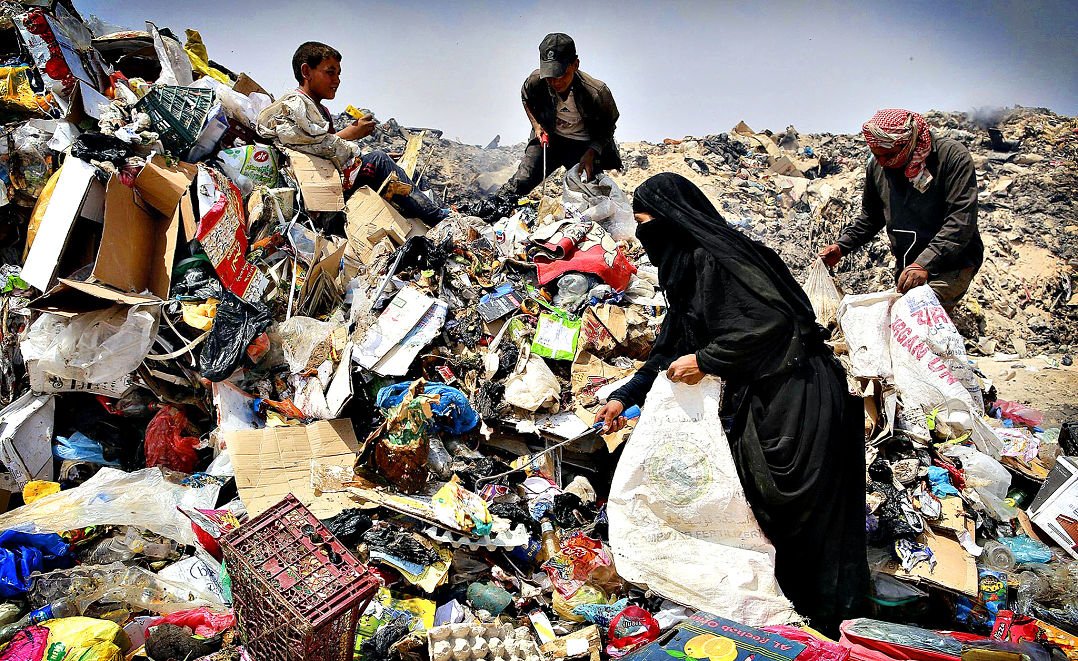
The Iraqi parliament's Human Rights Committee revealed that there are two main reasons for the country's high suicide rates, noting that poverty and unemployment, which are widespread in Iraq, are the main causes of suicide.
In this context, the latest statistics show that more than a quarter of the Iraqi people are suffering from poverty as the unemployment rate approaches 30 percent, especially among university graduates.
Dr. Fadel Al-Gharawi, a member of the High Commission for Human Rights in Iraq, said that the motives for suicide varied between social, psychological, and economic reasons, as well as the factor of poverty, the repercussions of war and the deterioration of the reality of human rights.
He called on the government to take urgent measures to promote and protect human rights, provide jobs, provide services, decent life, and adequate housing to prevent the risk of suicide.
Former Human Rights Commission member and women's activist Bushra al-Obaidi says domestic violence and social pressures are the main causes of suicides among girls, while referring to killings of women who are suicidal.
"Last November, there was a very high suicide rate, especially among girls because of the economic situation, social pressures, traditions and customs, which marginalize women and drive them to despair and end their presence from life," al-Obaidi said.
It confirms that there are no accurate statistics on the total number of suicides, some of which are hidden, as well as the existence of reported suicides.
‘Shame’ Suicides
One of the causes of increasing suicides, especially amongst women, is what is called “shame” suicides.
Reports on the proportions, circumstances and investigative committees formed, if available, are often scarce or blurry, and the burning or hanging of women is perhaps the most mysterious issue, particularly in a tribal community, pressuring health and security agencies to hand over the body of the suicide bomber as soon as possible for burial, which often comes to hand over without widespread scrutiny in these cases.
Writer and journalist Hana Riad believes that the electronic extortion of girls, which has begun to increase in recent years, is at the forefront of the causes and motives that drive girls to commit suicide, followed by the economic situation.
“Millions of families suffer the effects of unemployment, and virus Corona came with its dangerous turns to compound this crisis, all accompanied by family violence affecting women and children, which leads many to decide to end their lives to get rid of injustice.”
Amjad al-Atwani, a social researcher, said official statistics released by the competent departments in Iraq are trying to hide many of the real figures recorded and present them as being at that border.
In an interview with Al-Ain News, Al-Atwani added that Iraqi society has customs and traditions that deal with suicides discreetly and not to advertise for fear of "scandal," due to their tribal and tribal perspective.
He points out that the state as institutions is still unable to develop treatments that would reduce suicide rates that are killing society, especially youth groups.
"There are no hospitals and specialized centers in Iraq to deal with people who have tried suicide, and those who suffer from mental illnesses that can lead to the same results," he said, while a security source working at suicide registration centers reveals that "many of these incidents are crimes of dishonor."
"Many of the suicides reported and recorded by the competent security services and after investigation confirm that they occurred motivated by honor and domestic violence and not as promoted under psychological motives and causes of poverty and poor living conditions," the source explains to Al Ain News.
Absence of State
Researcher Alaa Al-Safar points out that Iraq no longer has any meaning to the concept of “state.”
“It is completely absent, in addition to the fact that daily life in it runs arbitrarily and randomly on various fields, and day after day, misery, corruption and theft flourish from the top of the pyramid of power to the lowest positions of responsibility,” he said.
“All of this corruption comes at the expense of the well-being of the individual, and human rights, which in itself increases the motives of suicide and ends the hope of tomorrow," the researcher added.
Hana Riad criticizes the absence of efforts to confront this emerging phenomenon, mentioning that the problems in which Iraq dealing need active and real efforts, movements on the ground, meetings on the ground with families and specialists.
“We must pressure on the authority to legislate deterrent laws and quickly to legislate the law against domestic violence and laws that protect women from their relatives before others, in addition to making them aware that ignorance is a deadly scourge,” she said.
According to Dr. Imad Abdul Razzaq, national advisor for mental health at the Iraqi Ministry of Health, one of the key elements in preventing suicide in Iraq is improved access to health services.
It is necessary to build capacity, ensure the quality of health care, raise awareness about mental health and address the common stigma around mental illness, Abdul Razzaq said, adding that "particular emphasis must be placed on at-risk groups through early detection and appropriate management."