This Is How the Ukraine War Destabilizes the Silk Road and Creates a New Crisis for Global Supply Chains
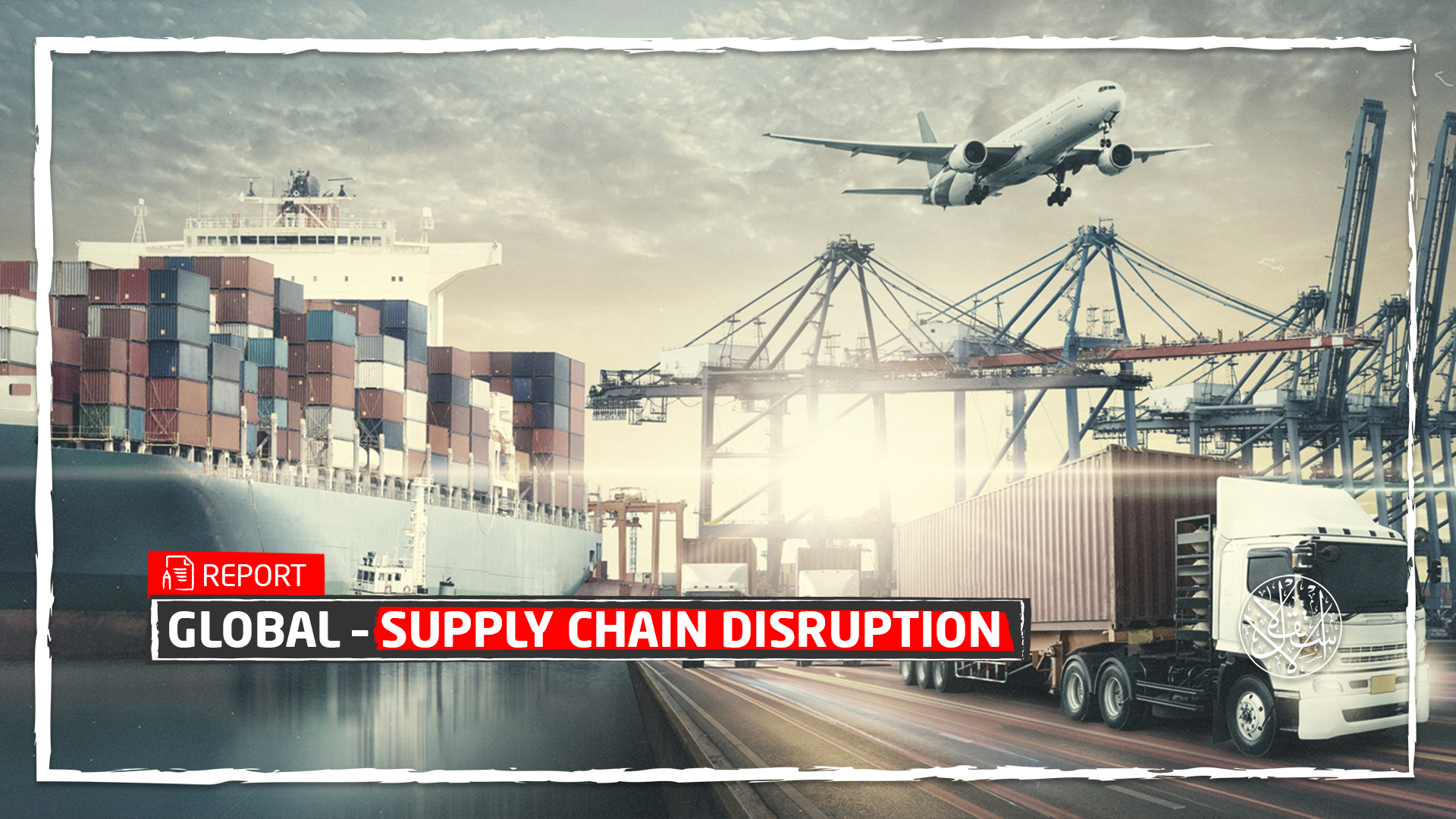
After several months of recovering from the devastating effects of the Corona pandemic over the past two years, global supply chains were exposed to a new challenge, the Russian-Ukrainian war, which in turn led to significant jumps in commodity prices in markets around the world.
Rising energy prices and geopolitical risks have disrupted supply chains around the world, increased production costs and raised the prices of final products for buyers, and as a result, sea and air freight rates rose.
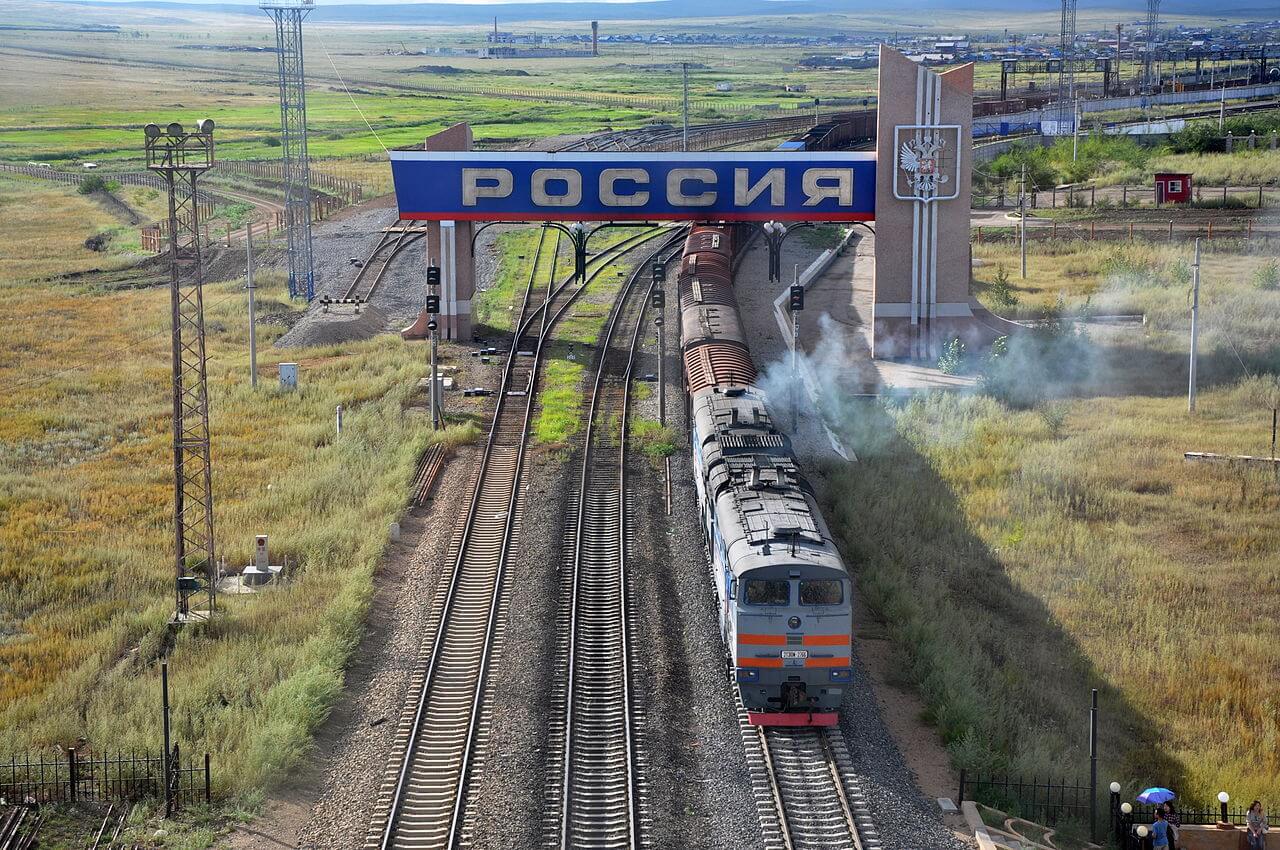
What exacerbated the supply chain crisis further was the closure of railways due to sanctions imposed on Russia, which led to the disruption of the transport of about 10 thousand containers of goods per week from Asia to Europe via Russia by rail; on the other hand, air freight is faster but more expensive, while sea freight is cheap but slow.
Global Chaos
Bloomberg reported on March 23, 2022, that more than a million containers that were transported by railways to Europe via Russia along a 6,000-mile route are now looking for something to carry them by sea, adding to the chaos of global supply chains.
The railways between China and Europe over the past decade have been part of Chinese President Xi Jinping's new Silk Road project, which was later transformed into the Belt and Road Initiative.
This route has also been relied on by companies to a large extent to transport their goods, after sea freight prices jumped, due to the congestion of ports during the Corona pandemic.
With the outbreak of the Ukraine war, exporters and logistics companies transporting auto parts, cars, computers and smartphones began to avoid land routes through Russia or combat zones.
In less than a month, sea and air freight prices rose by 20%, especially after the price of ship fuel jumped 23% since the beginning of the year due to oil prices (Brent crude), which touched $120 a barrel and then fell slightly.
It is worth noting that sea freight alone accounts for 80% of world trade movement.
In a European escalation towards goods using Russian railways, Kuehne + Nagel International AG, one of Europe's largest freight forwarders, rejected rail shipments from China to Europe, according to Mr. Marcus Balzereit, senior vice president for Asia Pacific sales at the Switzerland-based company.
Last year, trains transported about 1.46 million containers carrying goods worth about $75 billion between China and Europe on the roads, or about 4 percent of total trade between the two sides, according to estimates by Bain & Co.
The freight rate from the Chinese port of Dalian to Europe by train grew by 70% during the months of January and February 2022.
Rail networks from China, Kazakhstan, Russia, Belarus and beyond link China's industrial centers with European cities including Moscow, Minsk, Hamburg, Milan, Warsaw, Munich and Madrid.
Mr. Glenn Koepke, a general manager at FourKites Inc., a Chicago-based information provider for the logistics industry, confirmed that some companies are shifting to sea freight , according to Bloomberg.
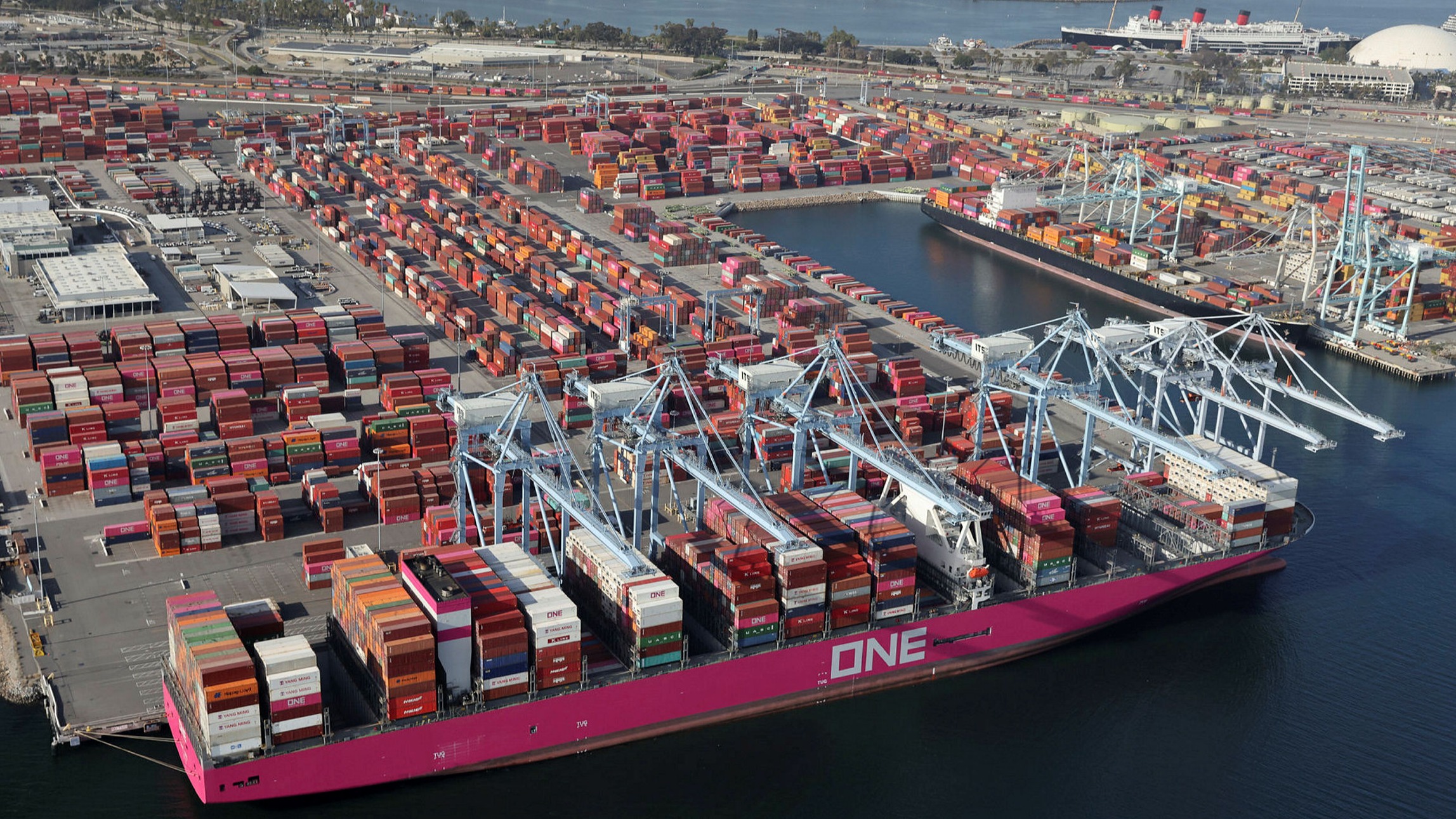
“The Russian-Ukrainian conflict, along with the shortages of containers and the accumulation of goods in some of the largest ports, have increased pressures on global supply chains, which is still suffering from a shortage of manpower caused by the Corona pandemic,” he adds.
The current price of shipping a 40-foot TEU from China to the U.S. is more than 300% above the pre-pandemic average. It may take more than two years for sea freight rates to return to normal levels.
Recent indicators by Bloomberg Economics confirm how serious the problem is, and the world's failure to find a quick and effective solution, but rather how the crisis is getting worse this year, and is likely to continue into 2023.
It is noteworthy that the Black Sea was classified as a high-risk area, starting from this March, and this has led to raising the insurance premiums required to ship or move goods across these waters, as it is unclear how long this change will last.
Analysts believe that air freight has become, to a large extent, the best and fastest alternative solution for companies to meet the strong appetites of consumers despite the high costs to record levels.
However, air freight rates have nearly doubled on major air freight lines connecting manufacturing centers in China to consumers in the United States and Europe in recent months, according to a Bloomberg report.
Shipping companies and airlines had warned that the decision of many European countries to close their airspace to Russia would increase the cost of transporting goods from Europe to Asia, which may make some roads unfeasible, in addition to increasing the cost of fuel with the increase in oil prices.
For example, air freight rates on the Shanghai-America route saw a rise of $14 per kilogram at the end of last year, which was driven by demand growth, breaking the previous record ($12) set when Corona first hit supply chains in early 2020.
A recent report by the International Air Transport Association (IATA) predicted an increase in demand for air freight in 2022.
Mr. Peter Sand, chief analyst at sea and air freight analytics platform Xeneta, warned that global supply chains have been under pressure for a year and a half, and we could see another similar year given fears of an omicron outbreak again.
“Despite the supply chain crisis, the past months have seen huge quantities of goods transported by sea to their end consumers, but there have been delays, which prompted importers to resort to air shipment,” Sand said.
However, this approach may also be exposed to other challenges; for example, China had announced that it would not be allowed to transport goods by air to North America and Europe as of January 2022, but it later modified this date until the middle of this year; which portends additional difficulties to come for the global shipping sector.
“The pressures on freight transports point to further sharp rises in freight rates during 2022. Therefore, more inflation is on the way, due to rising costs and passing them on to the consumer,” according to Mr. Sand.
Transporting goods by train from China to Europe takes about two weeks compared to a month by ship, but sea freight is still the cheapest method, while transporting a container by rail costs double the cost of sea freight and a quarter of the cost of air freight, according to logistics provider DSV.
Troubled Supply Chains
Almost all of the world's economies experienced a decline in international trade with the start of Russia's invasion of Ukraine, according to the Kiel Institute for the World Economy.
As the turmoil of war has disrupted global supply chains, raised their costs and squeezed profits for a wide range of companies, from airlines to grocery stores, which will force it to decide whether to accept diminished profits or to pass on exorbitant costs to customers, according to a report published by Bloomberg on March 17.
The Russian invasion, a month ago, led to a rise in energy, metals and raw materials prices, and doubled the obstacles to global supply chains that suffer from historical levels of shortage, which affected car production during the past two years.
In February, car sales in the European Union fell to an all-time low, as manufacturers prepare for further production disruption due to a shortage of spare parts, according to the report.
“Schaeffler Group, the German auto parts maker, scrapped its earnings forecast last week, blaming the war for disrupting everything from raw materials to freight and energy prices,” Bloomberg reported.
“European airlines, which were expecting a generous summer with the resumption of travel after the cancellation of the Coved-19 lockdowns, are now facing severe pressure, as rising fuel costs threaten to write off the expected gains, even before the impact of canceling flights and moving to other longer and more expensive routes as a result of the war is taken into account,” the report added.
According to a study published by the AlixPartners Disruption Index on measures taken by corporate chiefs to address the deepening supply chain crisis, 80% of them said that the actions they took did not achieve the desired results.
According to the study, 17% of them resorted to increase the prices of goods and raw materials for consumers, to face the crisis in the short term, and 25% of them built to increase the resilience of supply chains in the long term.
The study was conducted on 3,000 companies spread in 9 countries: America, Canada, Britain, France, Germany, Italy, Switzerland, China and Japan.
In turn, Dr. Moustafa Shahin, a professor in the Business department at Oakland Community College, told Al-Estiklal: “Without any doubt, there is a huge price hike globally, as the high cost of transport and freight has cast a shadow over the prices of basic commodities and led to their price hike.”
“The sanctions and pressure imposed on Russia will cause huge problems in Europe and the United States,” he noted.
“The rise in oil prices as a result of sanctions against Russia will affect all countries of the world, as Russia is one of the largest countries in the world in oil exports, as well as being a pivotal country in the global economy and ranked 11th in the world; so removing it from supply chains has a huge impact on the global economic level,” Dr. Shaheen explained.
On the factors that contributed to the disruption of global supply chains in recent years, the economist pointed out that “the Corona pandemic had greatly affected global supply baskets over the past two years and led to many and varied disruptions. However, the Russian-Ukrainian war may restore that effect and may even increase the damage further.”
“Consumers, companies and countries have long been accustomed to the flow of global trade; now this interruption of the flow will create problems in global supply chains, and it is likely that this situation may last for several more years,” Dr. Shaheen said.

In a related context, The Financial Times said in a report on March 19 that “the Russian invasion of Ukraine and the emergence of new hotbeds of the Corona epidemic in China threaten the expected recovery of the global economy, especially in Europe.”
The newspaper revealed that “the world is currently witnessing a severe inflationary shock that has led to a rise in prices with energy supplies being threatened, the incomes of families and companies shrinking, and commodities are also becoming more expensive in light of the biggest war on European soil in nearly 80 years continues, undermining consumer confidence in spending.”
The return of the Corona virus to China again threatens global supply chains, which may cause an amplification of pressures upwards in relation to prices and down in relation to production, according to the newspaper.
In mid-March, Beijing had reported more than 5,000 new cases, for the first time since the first days of the pandemic in Wuhan two years ago.
Although the outbreak is considered minor by global standards, it has prompted officials to close more cities that are powerful manufacturing centers, and prevent more than 45 million people from leaving their homes, according to Bloomberg.
On its part, the U.K.’s National Institute for Economic and Social Research (NIESR) pointed out, in early March, that “the conflict in Ukraine may cost the global economy about a $1 trillion, and contributes to increasing global inflation by 3% during the current year, by launching another crisis in the supply chains.
Sources
- China-Europe Rail Lines Become Supply Chain’s Latest Problem
- Ukraine War’s Impact Shows Up in European Company Results
- Global Trade Is Already Suffering From War, Kiel Institute Says
- Disruption of supply chains and high freight rates may extend to 2023 [Arabic]
- The global economy’s growing risks: stagflation, refugees and lockdowns
- World Economy Faces Supply Hit as China Battles Covid Again
- AlixPartners Disruption Index 2022; Taking Control in a Disrupted World [Study]
- Ukraine Conflict May Knock $1 Trillion Off Global GDP