Syrian Politician: National Parties Are Capable of Saving the Country During This Period (Exclusive)
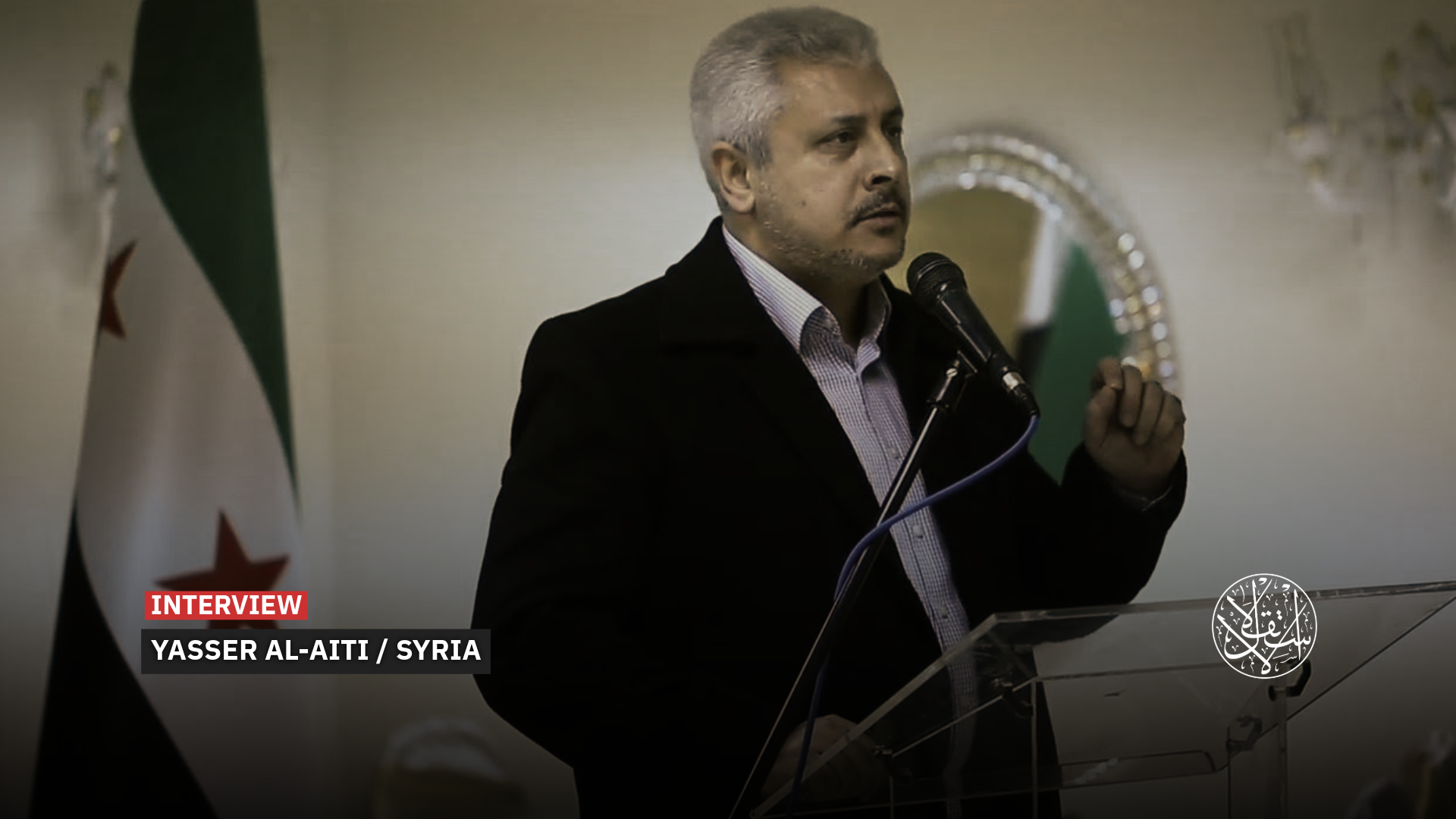
“Parties that carry national banners are capable of attracting people.”
Yasser al-Aiti, the leader of the New Syria Movement party, stressed the necessity of the emergence of political parties during the transitional phase to prevent the fragmentation of society or the gathering of citizens around sub-national banners.
In an interview with Al-Estiklal, Dr. al-Aiti emphasized that national parties are capable of dismantling sectarian, regional, and racist tendencies.
He pointed out that there should be no delay in issuing a law on political parties in Syria, as the existence of such a law would encourage parties to engage in political life.
He noted the importance of forming a national party with a popular base and reach, operating institutionally, producing leaders, and presenting clear programs and visions to the people.
Dr.al-Aiti is a Syrian physician, researcher, and politician, born in 1968. He is an author, translator, and prominent opponent of the ousted regime of Bashar al-Assad. He currently heads the New Syria Movement.
The New Syria Movement is defined as a conservative national political entity committed to the principles of justice, freedom, and dignity upon which the revolution was founded. It aims to build a modern state based on social justice and equality before the law for all its citizens.
Party Competition
Could you please provide us with an overview of the state of political parties in Syria from the era of Hafez al-Assad's regime until the fall of his son Bashar's rule?
Under the former regime, there were no genuine political parties. What existed was the so-called National Progressive Front, which served as a mere facade for party activity or opposition. All its constituent groups were, in one way or another, subservient to the Assad regime.
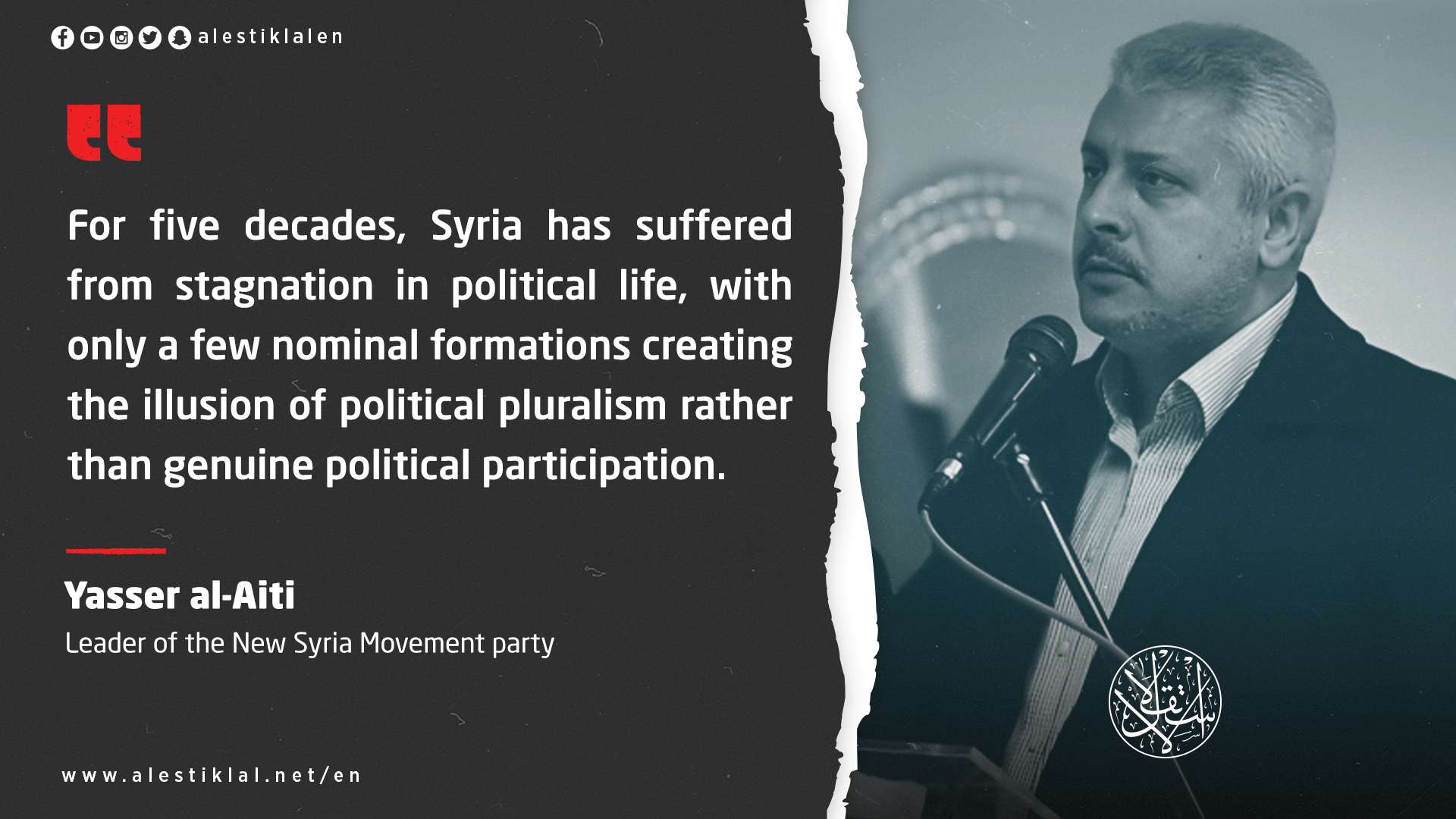
For five decades, Syria was plagued by a stagnation of political life, with only a few nominal formations existing to create the illusion of political pluralism rather than genuine political engagement.
The existence of parties and pluralism was promoted at the time, while the Ba'ath Party, as the leading party of the state and society, controlled all aspects of political life, as stipulated by the Syrian constitution, which made it the sole ruling party in the country.
The new Syria today awaits a law on political parties. How should the work of parties be regulated, and what is the nature of their activities? What about the existing parties?
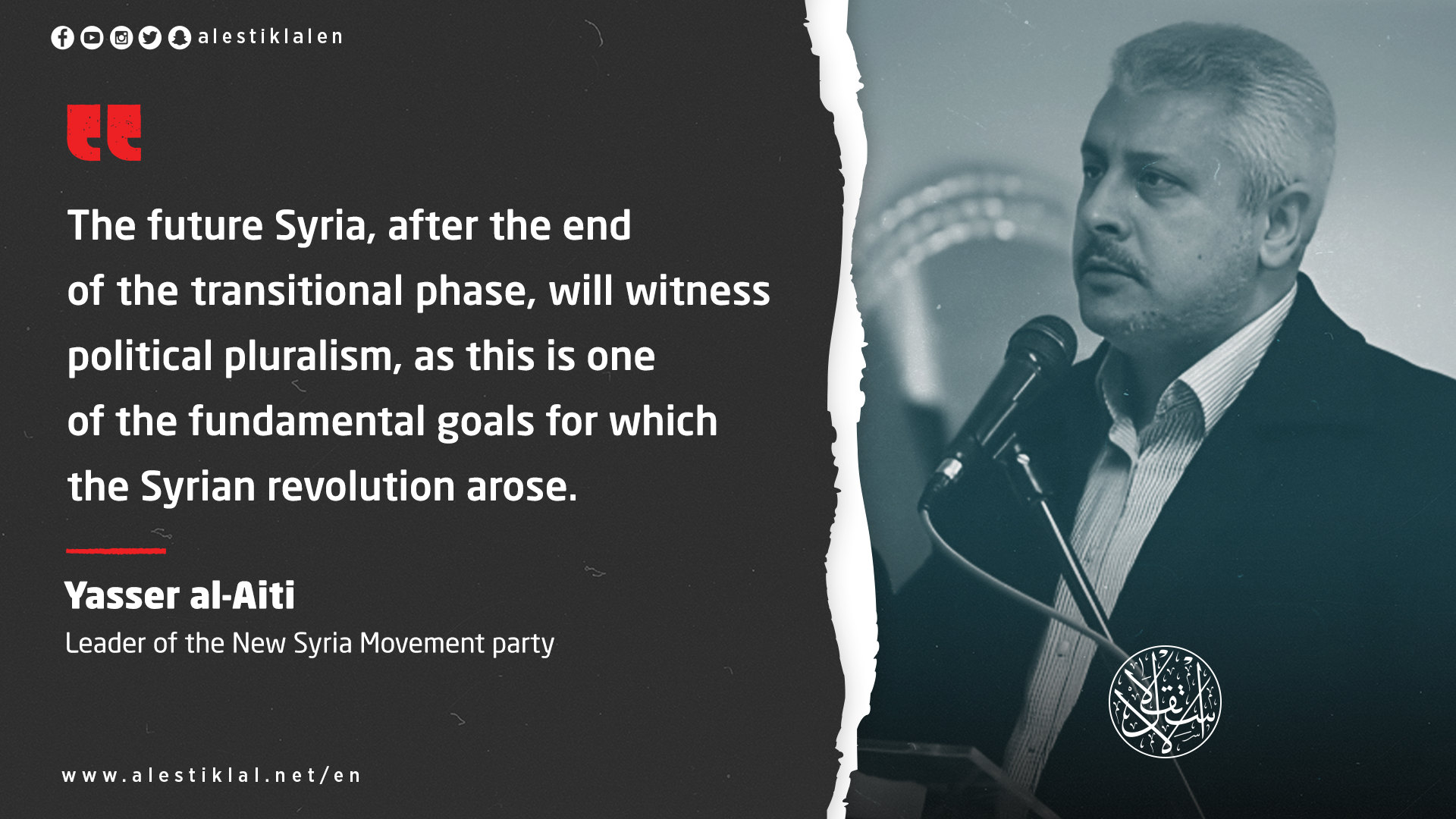
Undoubtedly, the future Syria, after the end of the transitional phase, will witness political pluralism, as this is one of the fundamental goals for which the Syrian revolution arose. This revolution was launched to end tyranny, and tyranny, by its very nature, is one-party rule.
Today, among the internationally recognized systems of government, we either have a one-party system with a single ruler, as is the case in a few countries, or we have multi-party systems in which parties compete to reach power and gain the people's trust through the ballot box.
Therefore, organized party activity and a law regulating parties during the transitional phase are essential.
As for the existing parties, the new parties law must establish clear standards for political activity. Any party, whether newly formed or long-established, must apply for a license according to the provisions of the new law, without any discrimination.
Political Money
Parties play a vital role in social and political life. How can we promote political parties based on national principles, free from the influence of political money or foreign influence?
The absence of national parties leads to societal fragmentation, causing people to rally around sub-national affiliations such as tribal, sectarian, or regional loyalties.
When genuine national parties exist, people unite around national ideas and political programs, competing through visions and projects. This fosters a public political debate free from sectarian, regional, or racist rhetoric.
As for political money and foreign influence, these issues are addressed through a law governing political parties, as is the practice in many countries worldwide. This law establishes standards for transparency and governance, along with clear mechanisms for monitoring funding sources and expenditures.
What is your assessment of the public's response to political parties? Will Syria witness increased engagement with party politics or aversion to it?
I expect the initial public response to be weak due to the general aversion to party politics within Syrian society, stemming from the absence of genuine national party experiences, both under the former regime and within the opposition.
Even today, there are no encouraging party models that motivate people to engage in political activity. This necessitates the emergence of new and pioneering national experiences that operate institutionally, possess a popular base, and can convince people of the importance of party politics.
Will the parties that will be formed under the anticipated political parties law contribute to dismantling the sectarian and regional tendencies that threaten the unity of the Syrian state?
Absolutely. Nothing contributes to dismantling sectarian, regional, and racist tendencies like national parties. Through them, people move away from gathering under narrow banners and rally around overarching national goals.
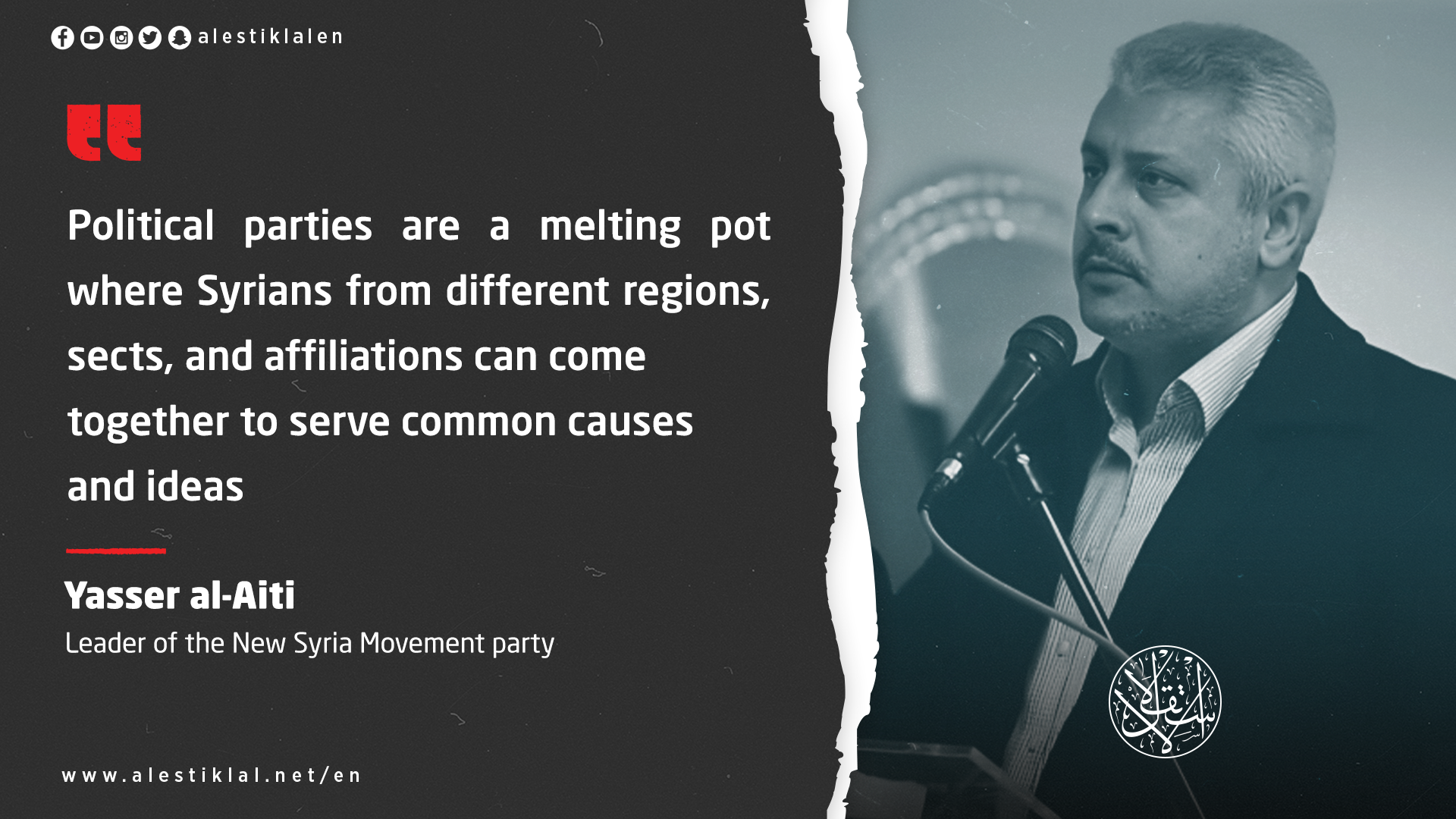
Political parties are a melting pot where Syrians from different regions, sects, and affiliations can come together to serve common causes and ideas.
Do you expect Syria to witness political polarization and a return to old alignments after the passage of the political parties law?
Syria is currently undergoing a new phase of political formation, and it is unlikely that the old alignments, based on ideological or nationalist foundations, will have a significant impact on the Syrian public.
I believe we will witness the emergence of new political forces focused on serving the people, characterized by a unifying national identity, and free from rigid ideologies. These parties will be best positioned to attract the Syrian public.
Obstacles and Political Life
Are there obstacles to launching a multi-party system in Syria?
The first obstacle is the absence of a law regulating political parties. Such a law would encourage parties to engage in organized political activity.
The second obstacle is the prevailing culture of aversion to party politics in Syrian society. This necessitates genuine awareness campaigns, along with the need for a successful national party model that people can see and experience firsthand.
Do you expect figures from the former regime to use political funds to form new parties?
A modern parties law, suitable for the next phase, is essential to prevent the exploitation of political money or past influence through clear and specific regulations.
Do you expect a parties law to be issued during the five-year transitional period?
We expect a parties law to be issued, especially since Article 14 of the Constitutional Declaration explicitly states that the state guarantees the right to political participation and the formation of parties on a national basis, in accordance with the new law.
However, the issuance of this law requires real pressure from political forces and those concerned with public affairs. Forming an effective national party with a popular base, operating institutionally, producing leaders, and presenting clear programs requires years of work and development.
Therefore, there should be no delay in issuing the parties law. Because the transitional phase is limited, and after four years there will be a constitutional entitlement and direct elections, which calls for readiness with effective political parties capable of participating in this entitlement.