Blaise Metreweli: British Intelligence Director, Fluent in Arabic and Knows the Lay of the Land
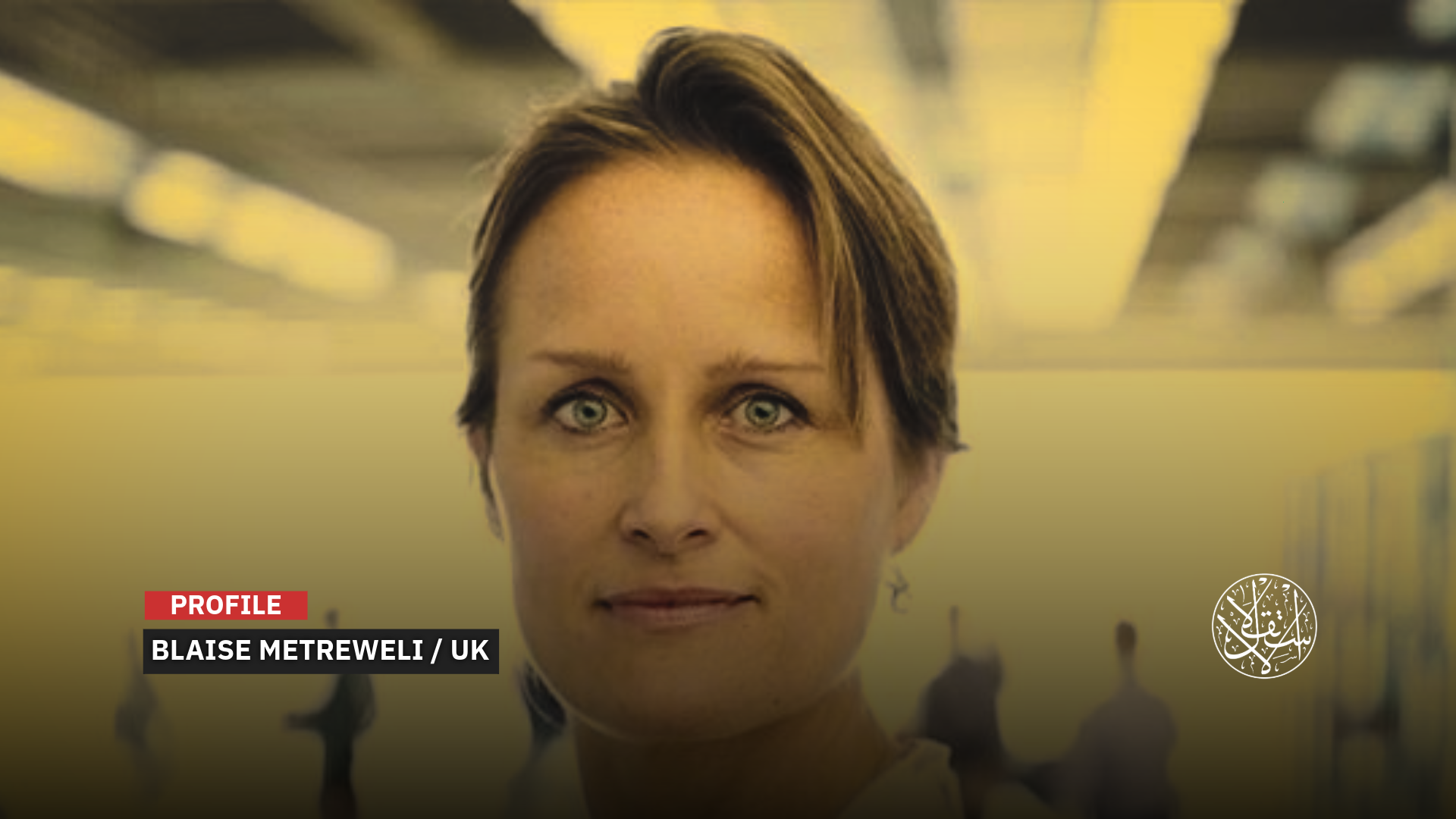
"Modern intelligence is less about men in heavy coats and more about platforms and algorithms."
In early October, journalist Larisa Brown profiled Blaise Metreweli, the newly appointed chief of Britain’s foreign intelligence service, MI6, offering a rare glimpse into the life and mission of the woman now leading one of the world’s most secretive agencies.
The coverage went beyond noting her historic appointment as the first woman to hold the post, examining the broader intelligence and political context: a moment at the crossroads of war and peace, the Gaza genocide that has sidelined London diplomatically, and the pressing need to recalibrate British influence as Washington increasingly shapes decisions in Tel Aviv.
Brown highlights Metreweli’s field experience in the Arab world, her linguistic and cultural fluency, and her strong technical approach honed while leading MI6’s technology and innovation sector, positioning her leadership as a potential turning point for British strategic reorientation through intelligence diplomacy in the region.

ID Card
Blaise Florence Metreweli was born on July 30, 1977, and grew up between London and Hong Kong, where her father worked as an academic physician.
She attended Cheltenham Ladies’ College and later the prestigious Westminster School in London, where she led the student organization from 1994 to 1995, before moving on to Pembroke College at Cambridge University to study anthropology, graduating in 1998.
At Cambridge, she excelled in rowing, joining the Blue Boat crew that won the 1997 race against Oxford and helping Pembroke College secure the May Bumps championship that same year.
Her family history, however, sparked controversy. In early July 2025, reports revealed that her paternal grandfather, Constantine Dobrowolski, had collaborated with the Nazis and worked as a spy during World War II, with harsh titles attributed to him in German archives.
The British government quickly distanced Metreweli from this legacy, emphasizing that she never knew her grandfather and that her complex family history did not carry ethical responsibility, instead shaping her strict awareness of the mission to prevent conflicts and protect the British public from hostile states.
The matter was officially closed, leaving the episode as a reminder of the fragile boundary between personal biography and information warfare in the era of cross-platform rumors.

Rise to Leadership
Metreweli joined British intelligence, MI6, in 1999 as an operations officer and spent 2000 to 2003 on an intelligence-diplomatic assignment in Dubai as Second Secretary for Economic Affairs at the Foreign Office, a standard cover for overseas intelligence work.
She then undertook successive field assignments across the Middle East and Europe in the post-9/11 context and during the invasions of Afghanistan and Iraq, where “counterterrorism,” “counterintelligence,” and “monitoring state threats” involving Russia, China, and Iran intersected.
Later, Metreweli moved to MI5, the United Kingdom’s domestic intelligence agency, in a senior role focused on “hostile states,” appearing publicly in interviews under the codename Director K.
This dual experience in MI6 and MI5 gave her a broad operational foundation, combining deep understanding of both external and domestic British national security.
From 2021, she moved closer to the heart of modern intelligence as Director General for Technology and Innovation in MI6, a role known internally as “Q.”
In this position, she drove the digitization of intelligence tools, enhanced data collection and analysis capabilities, integrated artificial intelligence, and strengthened cybersecurity readiness.
The shift was not merely technical but also institutional and political, placing her in MI6’s executive “circle of trust” and paving the way for her public appointment as head of the service.
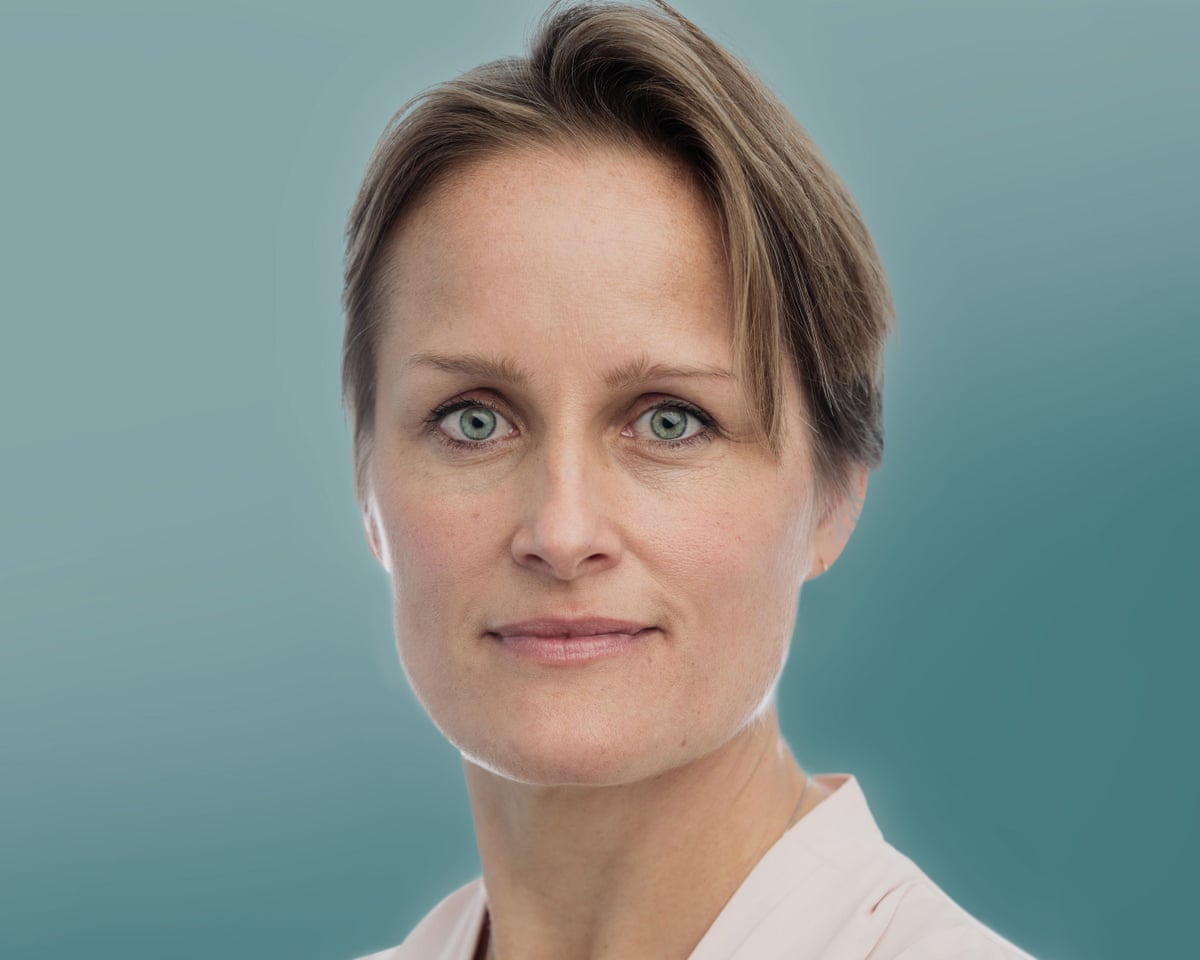
When Prime Minister Keir Starmer announced her appointment on June 15, 2025, Metreweli became MI6’s eighteenth chief, its first female head, and the only officer publicly named, reporting operationally and directly accountable to the Foreign Secretary.
Why Metreweli?
In London, saying “Blaise Metreweli is now C” simply means she has become the head of MI6.
But the letter C is not short for “Chief”; it is a historic signature dating back to MI6’s first head in 1909, naval officer Mansfield Smith-Cumming, who signed correspondence with a green C.
Since then, the title has remained a binding tradition, as has the use of green ink, confirmed by former chief Richard Moore in a 2021 radio interview.
In London’s institutional tradition, “C” is both an identity marker and a functional title—a green signature that commands a global network of intelligence stations and secret flows, a reminder that the service was born from old British naval deception yet now operates with modern digital tools.
According to The Independent on June 30, 2025, her appointment coincided with three overlapping crises: the Israeli war on Gaza disrupting regional assumptions, the Ukraine war cementing Russia as a structural threat to Europe, and China’s rise as a primary challenge, noted by former MI6 chief Richard Moore in 2021.
Larisa Brown, in The Times, described Metreweli as poised to reshape MI6’s Middle East role, from behind-the-scenes intelligence gathering to intelligence diplomacy, allowing London to regain influence eroded over the past decade.
Her Arabic expertise, partial upbringing in Saudi Arabia, work experience in Dubai, and ability to operate in complex local environments position her to play subtle mediator roles.
With Britain’s strong channels in Doha and Cairo, the stakes are not only in gathering information but also in turning it into political leverage at the right moment.
Metreweli’s Mission
Sky News described Metreweli’s June 15, 2025, appointment as historic but emphasized her professional profile: an operations officer who has spent her entire career in intelligence since 1999 and is fluent in Middle Eastern languages and culture.
Her MI5 training provided a deep sensitivity to cross-border threats, while her leadership of MI6’s technology and innovation hub positioned her at the center of today’s battles over data and cyber intrusions.
This combination, the report noted, gives her an edge in an era where the lines blur between information and political impact, traditional recruitment and digital social engineering, and covert operations and quiet diplomacy.
It also justifies her unique role as the only publicly named member of MI6, able to address the public when necessary and maintain strict secrecy when required. Sky News framed this as an institutional strength that transcends gender symbolism, reflecting the expertise MI6 needs in its next phase.
London has been sidelined in the war on Gaza for years, with Washington acting as the mandatory intermediary for any pressure on Tel Aviv. Former colleagues see a potential ceasefire as an opening for Britain to reassert its role, with MI6 providing crucial intelligence and assessing the seriousness of all parties, leveraging London’s historical relationships with certain Arab mediators.
As public outrage fueled by genocidal images from Gaza grows, Metreweli’s work has two dimensions: protecting domestic security through sharper threat analysis and activating trusted partnerships in Qatar and Egypt to facilitate possible settlements. Her Arabic expertise and nuanced understanding of local political dialects allow her to operate without filtered intermediaries.
Relations with the Israeli Occupation remain politically frosty, yet intelligence cooperation continues, particularly on captives and sensitive matters like Iran’s nuclear program.
Metreweli must balance these demands: maintain essential security partnerships, navigate political sensitivities around human rights and war, and avoid any perceived bias that could undermine London’s remaining leverage as a mediator. This delicate equation requires an intelligence language that separates public messaging from secret operations.
Metreweli’s Diplomacy
On June 27, 2025, Germany’s Die Welt highlighted Metreweli’s assumption of leadership at MI6, noting that even before the invasion, British assessments had issued some of the clearest warnings about Moscow’s intentions to cross borders.
Today, however, the arenas of confrontation have expanded to cyberspace and influence operations, with European capitals sensing that Russian hybrid attacks have grown in both intensity and scope.
This portfolio remained at the intelligence chief’s desk under Richard Moore and now expands under Metreweli, who inherits an agency balancing analytical support for policymakers with the management of covert operations across Eastern Europe and the Black Sea. Her prior leadership of MI6’s “Q” division now acts as a technological lever to accelerate sensing and response.
When Moore identified China as the top priority in 2021, he was not exaggerating. Although the war in Ukraine has dominated headlines, MI6’s work on biometric surveillance, industrial espionage, and technology supply chains makes the Chinese file a constant test of the agency’s ability to safeguard British and Western technological supremacy. With Metreweli’s technical background, the agency is expected to maintain rigorous oversight of transnational Chinese networks, treating intellectual property and supply chain issues as matters of national security.
Die Welt suggested that if Metreweli’s approach is defined practically, the unifying theme will be influence through information. In Gaza, MI6’s role will include gauging the intentions of parties, testing the seriousness of ceasefire offers, and feeding actionable intelligence to Arab and European mediators.
In Lebanon and Syria, where lines of fire intersect with smuggling and regional interventions, MI6 will rely on local partners and operate in gray zones to detect early warning signals. In Iran, the nuclear program remains a prime logistical and analytical challenge requiring close coordination with allies. In the Gulf, Britain’s traditional trade and defense bridges can be leveraged by Metreweli in energy and maritime security matters spanning the Mediterranean to the Arabian Sea.
These roles may operate beneath the surface, but they have tangible effects at the negotiation table.
Domestically, MI6 is no longer viewed as a black box removed from public opinion. In recent years, the agency has adopted a measured degree of transparency through social media and public appearances by its chief. Metreweli, experienced in rare interviews under code names, understands the limits: what is communicated to justify the political and financial costs of national security, and what remains inside the walls.
Under her leadership, unconventional talent recruitment—including dark web channels—and cyberattack simulation programs will likely expand to attract minds driven by technical challenges rather than bureaucratic routine.
Her approach underscores a key principle: modern intelligence is less about men in heavy coats and more about platforms and algorithms.